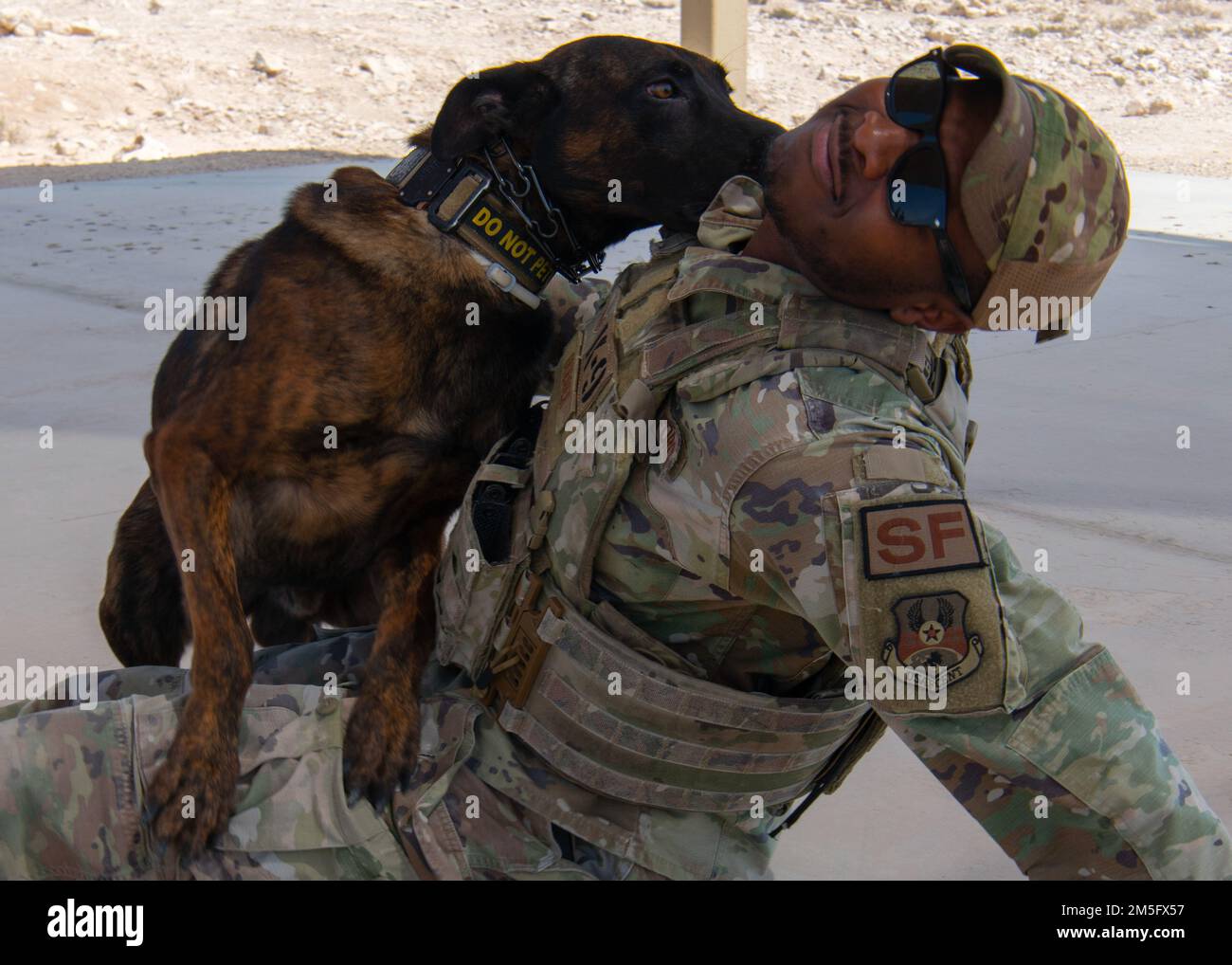
Air Force military working dogs (MWDs) save lives by detecting explosives, tracking insurgents, and providing a psychological deterrent that prevents conflict before it starts. Through their extraordinary olfactory capabilities and rigorous training at Lackland Air Force Base, these canines identify hazards—such as Improvised Explosive Devices (IEDs)—that are undetectable by human senses or current electronic technology, ensuring the safety of thousands of personnel.
The Strategic Importance of the Air Force MWD Program
In the modern landscape of 2026, the United States Air Force continues to rely on Military Working Dogs as a cornerstone of its "Force Protection" mission. While technology has advanced in the realms of drone surveillance and electronic sensors, the biological engineering of a dog’s nose remains the gold standard for explosive detection. The MWD program is not merely a sentimental tradition; it is a critical operational requirement.
The primary mission of an Air Force dog is to protect the people and resources of the Department of the Air Force. This includes guarding multi-billion dollar aircraft, securing nuclear weapon sites, and patrolling the perimeters of forward-operating bases in volatile regions. By acting as a "force multiplier," a single dog and its handler can perform the work of a ten-person security detail, allowing human assets to be redirected to other high-priority tasks.
Beyond the physical protection they provide, these dogs offer a unique psychological advantage. The presence of a highly trained Belgian Malinois or German Shepherd at a checkpoint is often enough to dissuade a potential attacker. This "detection and deterrence" model is the first line of defense in preventing loss of life during both domestic and international operations.
The "Dog Center of the World": Training at Lackland AFB
Every Air Force dog begins its journey at the 341st Training Squadron at Joint Base San Antonio-Lackland, Texas. This facility is known as the "Dog Center of the World," where all branches of the U.S. military—and even some federal agencies—send their canines for elite-level instruction.
The Selection Process
Not every dog has what it takes to be a life-saver in the Air Force. The selection process is grueling, with only about 50% of the dogs recruited making it through the initial screening. The Air Force looks for high "environmental stability" and "reward drive." A dog must be willing to work for a toy or praise in the middle of a chaotic battlefield, surrounded by gunfire, screaming engines, and harsh weather.
Phases of Training
Training is divided into two primary disciplines: Detection and Patrol.
- Detection Training: This is where the life-saving magic happens. Dogs are taught to recognize a vast array of chemical signatures associated with explosives. In 2026, this includes modern synthetic explosives and low-vapor-pressure compounds. They are trained to give a "passive alert" (usually sitting or lying down) to avoid triggering pressure-sensitive devices.
- Patrol Training: This focuses on controlled aggression, tracking, and physical apprehension. A dog is trained to chase and hold a suspect without necessarily causing lethal harm, providing a non-lethal option for security forces to neutralize threats.
How Detection Capabilities Prevent Mass Casualties
The most direct way an Air Force dog saves lives is through the detection of explosives. In combat zones, IEDs are the leading cause of casualties for coalition forces. An MWD can sweep a roadway or a building far faster than a human technician with a handheld sensor.
Olfactory Superiority
A dog’s sense of smell is estimated to be 10,000 to 100,000 times more acute than a human's. To put this in perspective, if a human can smell a teaspoon of sugar in a cup of coffee, a dog can smell that same teaspoon of sugar in two Olympic-sized swimming pools of water. This allows them to detect "micro-scents" left behind during the assembly or placement of a bomb.
Air Force Specialized Search Dogs (SSD)
While many MWDs are "dual-purpose" (bite and sniff), the Air Force also utilizes Specialized Search Dogs. These canines are often trained to work off-leash at great distances from their handlers. This capability is vital for clearing landing zones or pathfinding for special operations teams, ensuring that the ground is safe before human boots ever touch it. By identifying a threat from 50 or 100 yards away, the dog provides the team with the "stand-off distance" necessary to neutralize the threat safely.
The Role of the Handler: A Lifesaving Partnership
A military working dog is only as effective as the Airman on the other end of the leash. In the Air Force, handlers are members of the Security Forces (SF) career field. The bond between a handler and their dog is built on months of shared hardship and 24/7 companionship.
Reading the "Change in Behavior"
Saving lives requires the handler to be an expert in canine body language. Often, a dog may not give a formal "alert" if a scent is faint or masked by other odors. Instead, they might exhibit a subtle "change in behavior"—a head check, a change in tail carriage, or a specific breathing pattern. An experienced Air Force handler recognizes these signs instantly, signaling the team to halt before they enter a kill zone.
Tactical Emergency Casualty Care for K9s
In 2026, the integration of medical care for MWDs has reached new heights. Handlers are now trained in advanced battlefield medicine specifically for their dogs. This ensures that if a dog is injured while saving lives, the handler can provide immediate stabilization. This commitment to the dog’s life reinforces the mutual trust required for high-stakes missions.
Comparing the Primary Breeds of the Air Force MWD Program
The Air Force utilizes specific breeds based on their physical attributes, temperament, and work ethic. Each breed plays a different role in the mission of saving lives.
| Breed | Primary Role | Key Attributes | Why They Save Lives |
|---|---|---|---|
| Belgian Malinois | Patrol & Detection | High energy, lighter weight, extreme drive. | Their agility allows them to search high-altitude or cramped environments quickly. |
| German Shepherd | Patrol & Detection | Stability, intelligence, imposing presence. | Excellent for long-duration patrols and base security where a calm mind is required. |
| Dutch Shepherd | Specialized Search | Tenacity, high athletic ability. | Frequently used for off-leash work in rugged terrain to find hidden insurgents. |
| Labrador Retriever | Detection Only | Friendly "non-aggressive" look, extreme nose. | Used in public areas (airports/terminals) to find explosives without alarming civilians. |
The Impact of MWDs on Mental Health and Morale
While the "hard" mission involves finding bombs and stopping bad actors, the "soft" mission of Air Force dogs is equally vital for saving lives. The presence of a dog in a high-stress deployment environment has a measurable impact on the mental health of the Airmen.
Interacting with an MWD can lower cortisol levels and provide a sense of "home" in a war zone. This psychological resilience prevents burnout and helps maintain the "operational readiness" of the unit. In the broader scope of military service, where "invisible wounds" and suicide are significant concerns, the emotional support provided by these animals—even those not specifically designated as therapy dogs—cannot be overstated.
Post-Service: Life After the Leash
Historically, military dogs were often viewed as "surplus equipment" and left behind after conflicts. However, following the passage of Robby’s Law in 2000, the U.S. military is now mandated to facilitate the adoption of retired MWDs.
As of 2026, the retirement process is a highly organized affair. Most dogs are adopted by their former handlers—the individuals whose lives they saved. If a handler cannot take the dog, they are made available to the public through a rigorous screening process at Lackland AFB. Retirement is the final way the Air Force honors these animals, ensuring they spend their final years in comfort after a lifetime of service.
Standard Equipment and Modern Technology (2026)
To help dogs save lives more effectively, the Air Force equips them with advanced gear. This is not just "body armor," but a suite of technological tools that bridge the gap between human and canine.
- Ballistic Vests: K9-specific armor that protects vital organs from small arms fire and shrapnel.
- Doggles and Booties: Protection for the eyes against sand/rotor wash and paws against extreme heat or glass.
- Remote Communication Vests: These allow handlers to give commands via a vibrating haptic system or a built-in speaker, enabling silent, long-distance scouting.
- K9 Cameras: Mounted on the dog’s head or back, these provide a "dog’s-eye view" of a building to the handler’s tablet, allowing the team to clear a room without risking a human life.
Frequently Asked Questions
What happens to an Air Force dog if it gets injured in the line of duty?
The Air Force provides world-class veterinary care. If a dog is injured, it is treated by the Army Veterinary Corps (which provides vet services for all branches). Depending on the severity of the injury, the dog may be rehabilitated and returned to service or medically retired. In 2026, prosthetic technology for MWDs has advanced significantly, allowing some retired dogs to maintain a high quality of life even after major injuries.
Can anyone adopt a retired Air Force dog?
Yes, but the process is competitive. Preference is always given to the former handler, followed by law enforcement agencies, and then the general public. Potential adopters must prove they have a secure environment and the financial means to care for a dog that may have "occupational" health issues like hip dysplasia or PTSD.
How long do these dogs typically serve?
Most Air Force MWDs serve between 8 and 10 years. The length of service depends on the dog’s physical health and their continued ability to pass annual certification tests for detection and patrol.
Do Air Force dogs have military ranks?
Traditionally, military working dogs are given a non-commissioned officer (NCO) rank that is one grade higher than their handler. This custom exists to ensure the handler treats the dog with the respect and care it deserves. While not an official administrative rank in the same way it is for humans, it is a deeply ingrained part of military culture.
How do dogs handle the noise of Air Force jets?
During the "environmental conditioning" phase of training at Lackland AFB, dogs are gradually exposed to loud noises, including sirens, gunfire, and aircraft engines. Through positive reinforcement, they learn that these sounds are not threats, allowing them to remain focused on their detection tasks even on a busy flight line.
Final Recommendation for Supporting the MWD Mission
If you are moved by the lifesaving work of Air Force military working dogs, the best way to support them is through reputable non-profit organizations that provide specialized gear and care for retired K9s. Organizations like United States War Dogs Association or the Lackland MWD Hospital accept donations to provide "retirement kits," medical care, and transportation for these heroes. If you are an Airman or considering enlisting, the Security Forces K9 career field offers one of the most rewarding—and demanding—paths in the military, directly contributing to the safety of the force.