There is no fixed, universal maximum age limit for obtaining auto insurance in the United States. While insurance companies may adjust premiums or re-evaluate policy terms based on risk assessments as a driver ages, they cannot legally deny coverage solely based on chronological age. Eligibility remains contingent on maintaining a valid driver’s license and meeting the underwriting standards set by individual states and providers.
The Myth of Mandatory Age Cut-offs
A common misconception among senior drivers and their families is that there is a specific age—often cited as 75, 80, or 85—at which a person becomes legally ineligible to carry auto insurance. In reality, insurance is regulated at the state level, and no state allows an insurer to cancel or refuse a policy solely because of an applicant’s date of birth.
The underwriting process for an insurance policy is fundamentally based on risk. Actuarial science, which dictates insurance pricing and eligibility, focuses on statistical probabilities rather than age discrimination. While companies collect data on crash involvement rates among various age demographics, they are required by law to evaluate each policyholder as an individual risk. Consequently, if a senior citizen holds a valid driver's license and meets the provider's financial and safety requirements, they are legally entitled to purchase insurance.
How Underwriting Standards Evolve with Age
While age itself is not a disqualifier, the methods by which insurance companies determine premiums and coverage eligibility often change as a driver moves into their senior years. Insurance carriers utilize sophisticated algorithms to assess the likelihood of a claim. As a driver ages, these algorithms may place more weight on specific indicators of physical and cognitive health.
Common factors that insurers evaluate for senior drivers include:
- Driving History: A clean record remains the most important factor in keeping premiums stable. Frequent claims or moving violations can lead to significant rate increases, regardless of age.
- Annual Mileage: Many insurers offer "low-mileage" discounts. For seniors who no longer commute to work, demonstrating a reduction in total miles driven can be a way to offset potential rate increases.
- Vehicle Safety Features: Modern vehicles equipped with Advanced Driver Assistance Systems (ADAS)—such as lane-departure warnings, automatic emergency braking, and blind-spot monitoring—can mitigate the risks that insurers associate with aging.
- Health and Medical Reports: In some states, insurance companies may request or review information regarding a driver’s physical ability to operate a vehicle safely. This is typically prompted by the Department of Motor Vehicles (DMV) rather than the insurance company itself.
The Role of State Licensing Regulations
It is vital to distinguish between insurance underwriting and state driving regulations. While an insurance company cannot cancel a policy based on age, a state licensing authority can revoke or restrict a driver’s license if they deem a driver medically unfit. If a state suspends a driver’s license, the insurance company will naturally terminate the policy because the individual no longer meets the legal requirement to operate a vehicle.
Different states have different procedures for renewal for senior drivers. As of 2026, many states require seniors to renew their licenses in person more frequently than younger drivers. Some jurisdictions may also mandate vision tests or written examinations at specific intervals, such as every two years once a driver reaches a certain age (e.g., 75 or 80). Because these renewals are mandatory, failing to complete them results in a lapse of legal driving status, which in turn leads to the cancellation of auto insurance coverage.
Comparing Risks and Insurance Responses
Insurance providers categorize risk based on data patterns. The following table highlights how certain variables are treated when evaluating policies for senior drivers versus the general population.
| Factor | Standard Treatment for Seniors | Impact on Premium |
|---|---|---|
| Annual Mileage | Generally lower; often qualifies for discounts. | Decreases |
| Accident History | Weight of recent accidents is scrutinized heavily. | Increases |
| Vehicle Type | Focus shifts to safety and ease of maneuverability. | Variable |
| Traffic Citations | Zero tolerance for recent major violations. | Significant Increase |
| Policy Renewals | Periodic re-underwriting based on current status. | Moderate Increase |
Managing Rising Costs
As seniors move into their late 70s and 80s, they may notice a gradual increase in their annual insurance premiums. This is not necessarily due to age discrimination, but rather because actuarial data indicates a higher frequency of "at-fault" incidents for drivers in older age brackets compared to those in their 40s or 50s.
To combat rising costs, seniors should adopt a proactive stance:
- Usage-Based Insurance (UBI): Some insurers offer programs that monitor driving habits via a mobile app or a plug-in device. For seniors who drive cautiously and avoid nighttime or rush-hour traffic, these programs can yield significant discounts.
- Defensive Driving Courses: Many states mandate that insurance companies provide discounts to seniors who complete a certified accident-prevention or defensive driving course. These courses are often tailored to address the physical changes, such as reduced peripheral vision or slower reaction times, that come with aging.
- Reviewing Coverage Limits: Seniors with older vehicles may consider dropping collision or comprehensive coverage if the vehicle’s book value is low. If the cost of the premium is high relative to the car’s worth, this can be an effective way to save money.
- Shopping the Market: Loyalty to a single insurer does not always pay off. Seniors should compare rates from at least three different companies every two years to ensure they are receiving competitive pricing.
Potential Barriers to Coverage
While an insurer cannot refuse to provide coverage based on age, they can refuse to renew a policy or set premiums at a prohibitive rate if they deem the risk unacceptable. An "unacceptable risk" is defined by factors such as:
- A history of multiple accidents within a short time frame.
- A pattern of dangerous driving behaviors reported by local authorities.
- Medical conditions that significantly impair the ability to operate a vehicle, if those conditions are documented by a medical professional or the DMV.
If a major carrier refuses to renew a policy, seniors should look into the "Assigned Risk Plan" or "Auto Insurance Plan" specific to their state. These state-mandated programs ensure that even high-risk drivers have access to basic liability insurance, which is legally required to operate a motor vehicle on public roads.
FAQ: Common Concerns for Senior Drivers
Is there a legal age where I must stop driving? No. There is no federal or state law in the U.S. that mandates a specific age to stop driving. As long as you can pass the vision and written requirements set by your state’s DMV and satisfy the physical competency requirements for a license, you remain legally allowed to drive.
Can my insurance company raise my rates just because I turned 80? Insurance companies do not raise rates solely because of a birthday. However, they do use actuarial data to adjust premiums. If the aggregate data for your age bracket suggests an increased risk of claims, your rates may rise. You should focus on maintaining a perfect driving record to mitigate these adjustments.
Do I have to disclose my health conditions to my insurance company? Generally, you are required to disclose any information requested on the insurance application. If your state or the DMV requires you to report medical conditions, those reports might influence your license status, which in turn influences your insurance. Always be honest in your applications to ensure your coverage remains valid in the event of a claim.
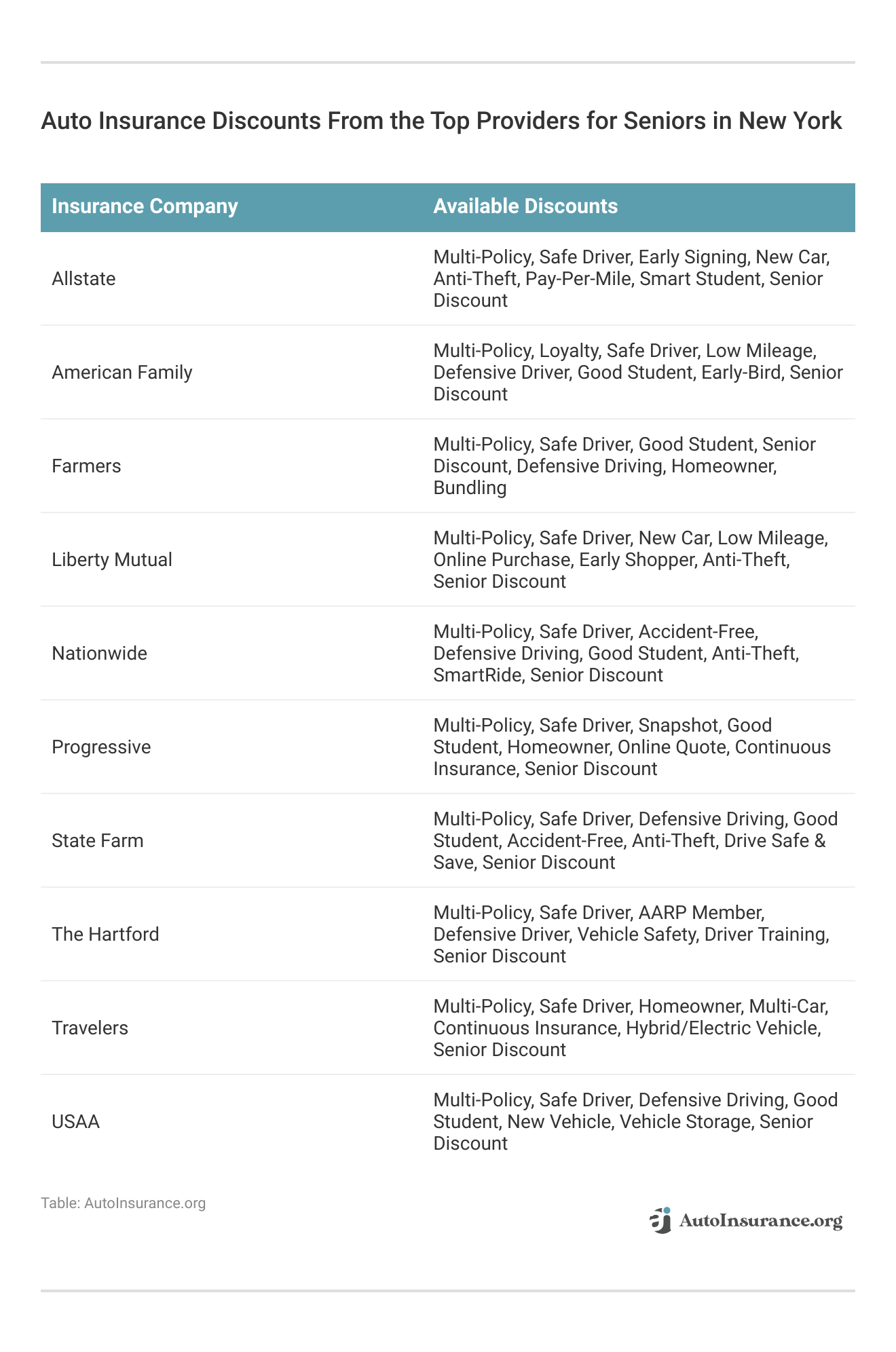
Are there specific discounts for seniors? Yes. Many insurers offer "Senior Discounts" or "Mature Driver Discounts." These are often unlocked by completing a state-approved defensive driving course. Additionally, if you have retired and no longer drive to an office, notifying your insurer of your reduced annual mileage can lower your premiums.
What happens if I lose my license due to health reasons? If your license is revoked or suspended, your insurance coverage will likely be terminated because you no longer possess the legal right to operate a vehicle. If you regain your license later, you will need to re-apply for a new policy.
Taking Next Steps
For seniors and their families, the focus should remain on maintaining autonomy while ensuring safety. If you are concerned about your own driving or that of an aging relative, the best course of action is to schedule an appointment with a primary care physician to discuss physical health markers related to driving, such as vision, hearing, and medication side effects.
Furthermore, contact your insurance agent to request a "policy review." Ask specifically about any available discounts for mature drivers and ensure your annual mileage estimates are accurate. By staying informed about state-specific licensing requirements and proactively managing risk factors, seniors can maintain their independence and access to affordable, reliable auto insurance well into their later years.