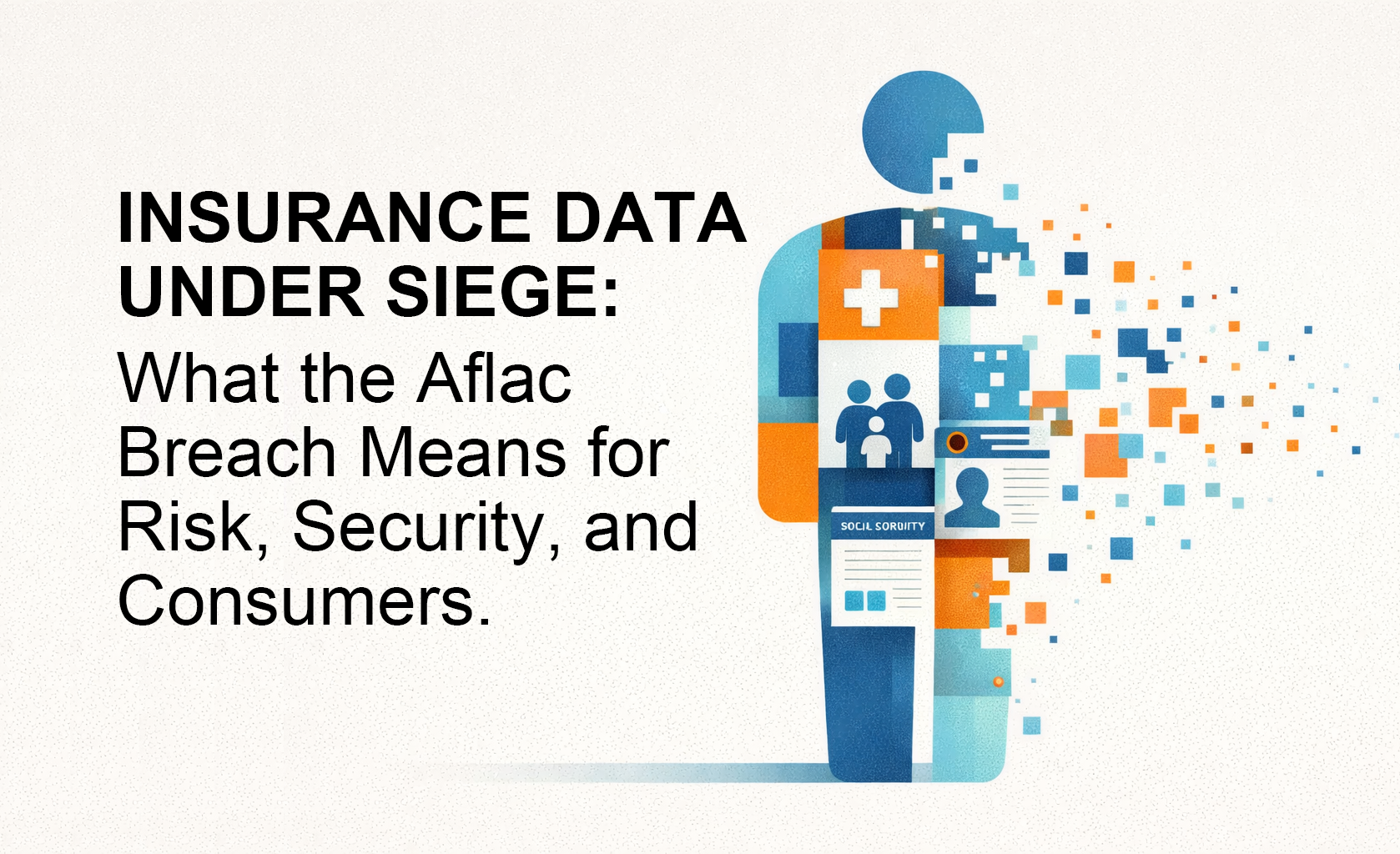
When you suspect or learn of a security incident involving Aflac, the most critical immediate actions are to monitor your financial accounts for unauthorized activity, place a fraud alert on your credit reports, and follow the specific guidance provided by Aflac’s official breach notification communications. Taking these proactive steps helps mitigate the risk of identity theft and secures your sensitive personal or health information from unauthorized exploitation.
Recognizing the Nature of a Security Incident
Security incidents in the insurance sector often involve the unauthorized access or potential exposure of Personally Identifiable Information (PII) or Protected Health Information (PHI). Because Aflac handles a vast volume of sensitive data—ranging from Social Security numbers and bank account details to medical diagnosis codes—they are a frequent target for data breaches, phishing campaigns, and sophisticated cyberattacks.
A security incident may manifest in several ways. You might receive an official notice via postal mail or email from Aflac explaining that your data was involved in a specific breach. Alternatively, you may notice suspicious activity on your bank statements, receive unexplained bills for medical services you did not receive, or notice discrepancies in your Aflac policy portal. It is vital to distinguish between a genuine security incident and a routine communication. Aflac’s official correspondence will typically provide a dedicated call center number, a specific incident ID, and clear instructions on how to access complimentary services, such as credit monitoring.
Immediate Steps to Take After a Reported Incident
If Aflac confirms that your personal information has been compromised, do not wait for the consequences to manifest. Follow this standardized sequence of actions to lock down your digital and financial identity.
1. Secure Your Aflac Account
First, log in to your official Aflac account to ensure that your contact information, banking details, and communication preferences have not been altered. If you cannot access your account, or if you suspect your password has been compromised, contact Aflac’s customer support immediately using only the verified telephone numbers listed on their official website (aflac.com). Change your password to a strong, unique passphrase that is not used for any other financial or email accounts.
2. Implement Credit Monitoring and Fraud Alerts
Contact one of the three major credit bureaus—Equifax, Experian, or TransUnion—to place a fraud alert on your credit file. Under the Fair Credit Reporting Act, you only need to contact one bureau; they are legally required to notify the other two. An initial fraud alert lasts for one year and requires creditors to take reasonable steps to verify your identity before opening new accounts in your name.
3. Review Your Financial Statements
Scrutinize every transaction on your bank and credit card statements. Look for "micro-transactions"—small, often obscure charges that criminals use to test if an account is active. If you spot unauthorized activity, report it immediately to your financial institution’s fraud department.
4. Evaluate Credit Freeze Options
If you are concerned about long-term identity theft, a security freeze (or credit freeze) is more robust than a fraud alert. A freeze prevents third parties from accessing your credit report, which effectively stops identity thieves from opening new lines of credit in your name. You must contact each of the three major credit bureaus individually to place or lift a freeze.
Comparison of Protective Measures
Selecting the right level of protection depends on your perceived risk and the nature of the data lost. Use the table below to determine which actions are necessary.
| Measure | Scope of Protection | Cost | Ease of Implementation |
|---|---|---|---|
| Fraud Alert | Notifications of credit inquiries | Free | Easy (One-call process) |
| Credit Freeze | Blocks access to credit reports | Free | Moderate (Must contact each bureau) |
| Credit Monitoring | Alerts of changes to credit history | Variable | Varies (Often provided by Aflac) |
| Account Password Reset | Prevents unauthorized portal access | Free | Immediate |
Protecting Your Health Information
Unlike a credit card number, your Protected Health Information (PHI) cannot be "cancelled" or replaced. If medical data is exposed, attackers may use it to file fraudulent insurance claims or sell the data on the dark web for medical identity theft.
Monitor your "Explanation of Benefits" (EOB) statements from Aflac and any other health insurance providers. The EOB is not a bill, but it is a detailed record of the services you received. If you see a claim for a doctor’s visit, procedure, or prescription you did not authorize, contact the insurer's fraud department immediately. Furthermore, request an accounting of disclosures from your healthcare providers if you suspect your medical records have been accessed. This record details who has accessed your medical files and why.
Handling Phishing and Social Engineering
In the aftermath of a widely publicized security incident, scammers often use the news to launch "phishing" campaigns. They may contact you via email, SMS, or phone, posing as Aflac representatives, government investigators, or security experts. They might demand immediate payment or ask you to "verify" your Social Security number to confirm your identity during a fake identity theft investigation.
Important Reminders:
- Aflac will never initiate a call to ask for your full Social Security number or password.
- Official communication regarding a breach will typically arrive via postal mail or a secure, authenticated message center within your portal.
- Do not click links in unsolicited emails, even if they appear to come from Aflac. Navigate directly to the official website by typing the URL into your browser address bar.
Legal Rights and Reporting
As a consumer, you have rights regarding the security of your data. Depending on your jurisdiction, state laws may provide additional protections beyond federal regulations. If you believe your data has been compromised, you should report the incident to:
- The Federal Trade Commission (FTC): You can file a report at IdentityTheft.gov. This site provides a personalized recovery plan and generates an official Identity Theft Report, which can be useful when dealing with creditors.
- State Attorney General: Most states have requirements for businesses to report data breaches. Filing a complaint with your state’s Attorney General can add your case to public record and trigger state-level oversight.
- The Internet Crime Complaint Center (IC3): If you have been a victim of an online scam or financial fraud, reporting it to the FBI’s IC3 (ic3.gov) helps law enforcement track global cybercrime trends.
Frequently Asked Questions
What should I do if Aflac offers me free credit monitoring? Accept it. If Aflac has suffered a data breach, they will often partner with a third-party security firm to provide credit monitoring and identity restoration services for a set period. Sign up for this service immediately, as it provides professional tools for detecting suspicious activity that might be difficult to spot on your own.
Does a security incident mean my money is stolen? Not necessarily. A security incident often means your personal information has been exposed, which puts you at a higher risk of future fraud. It does not automatically mean your bank account or policy funds have been accessed. Immediate vigilance is key to preventing the "exposure" from becoming a "loss."
How long should I keep monitoring my credit? Security experts recommend monitoring your credit reports regularly, even if you are not currently the victim of a breach. After a confirmed incident, you should maintain heightened monitoring for at least 12 to 24 months, as stolen data may not be used by criminals for several months or even years after the initial breach.
Can I stop Aflac from storing my information? No. As a financial and insurance services provider, Aflac is legally required to collect and retain specific data to administer your policy, comply with tax laws, and meet regulatory requirements. You can, however, request that they limit the use of your data for marketing purposes by checking your privacy settings in the member portal.
What is the difference between a breach and an incident? A security "incident" is an event that indicates a system may have been compromised. A "breach" is a confirmed incident where unauthorized parties have successfully accessed or acquired sensitive data. In either case, the recommended protective steps remain the same.
Next Steps for Security Assurance
If you have received a notice from Aflac regarding a security incident, your immediate next action should be to log into your account and review your account activity history. If you see no suspicious changes, proceed by placing a fraud alert on your credit reports as a baseline precaution. Keep a copy of the notification letter from Aflac in a secure, physical file for your records—this document will be necessary if you need to prove your identity or provide evidence of the incident to your bank or a credit bureau in the future. Should you encounter persistent issues or discover verified fraud, contact your local law enforcement to file a report, which serves as a legal foundation for disputing fraudulent charges or credit inquiries.