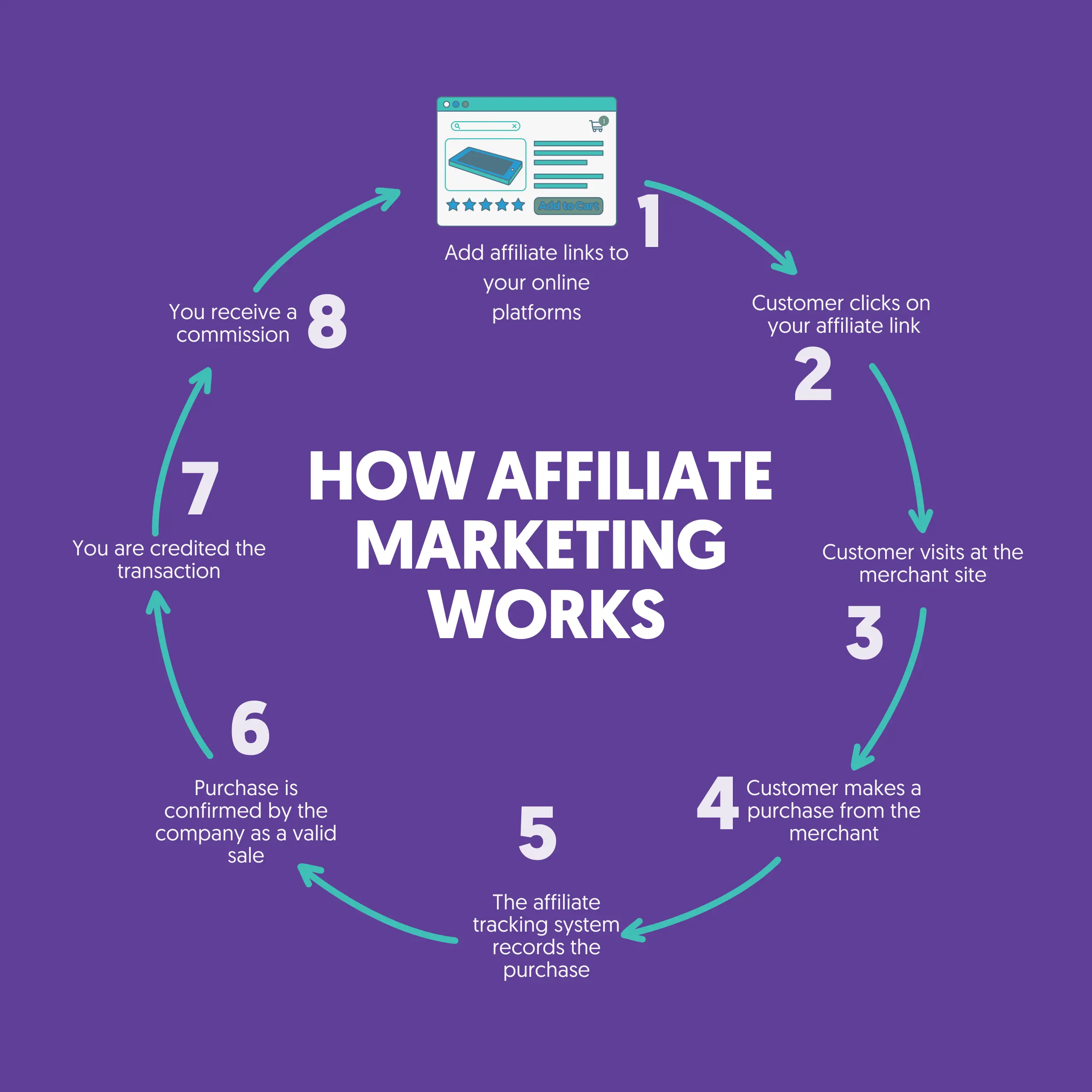
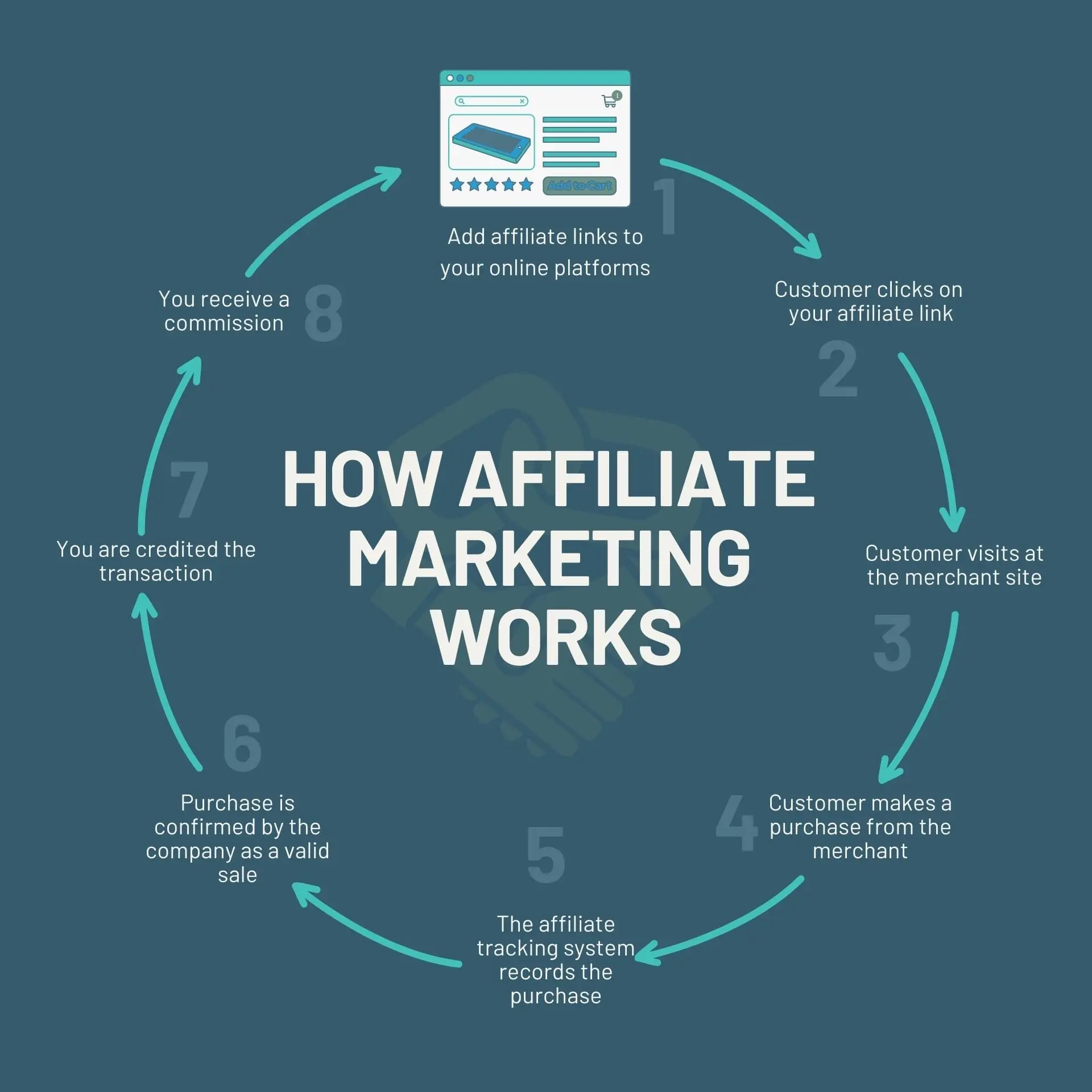
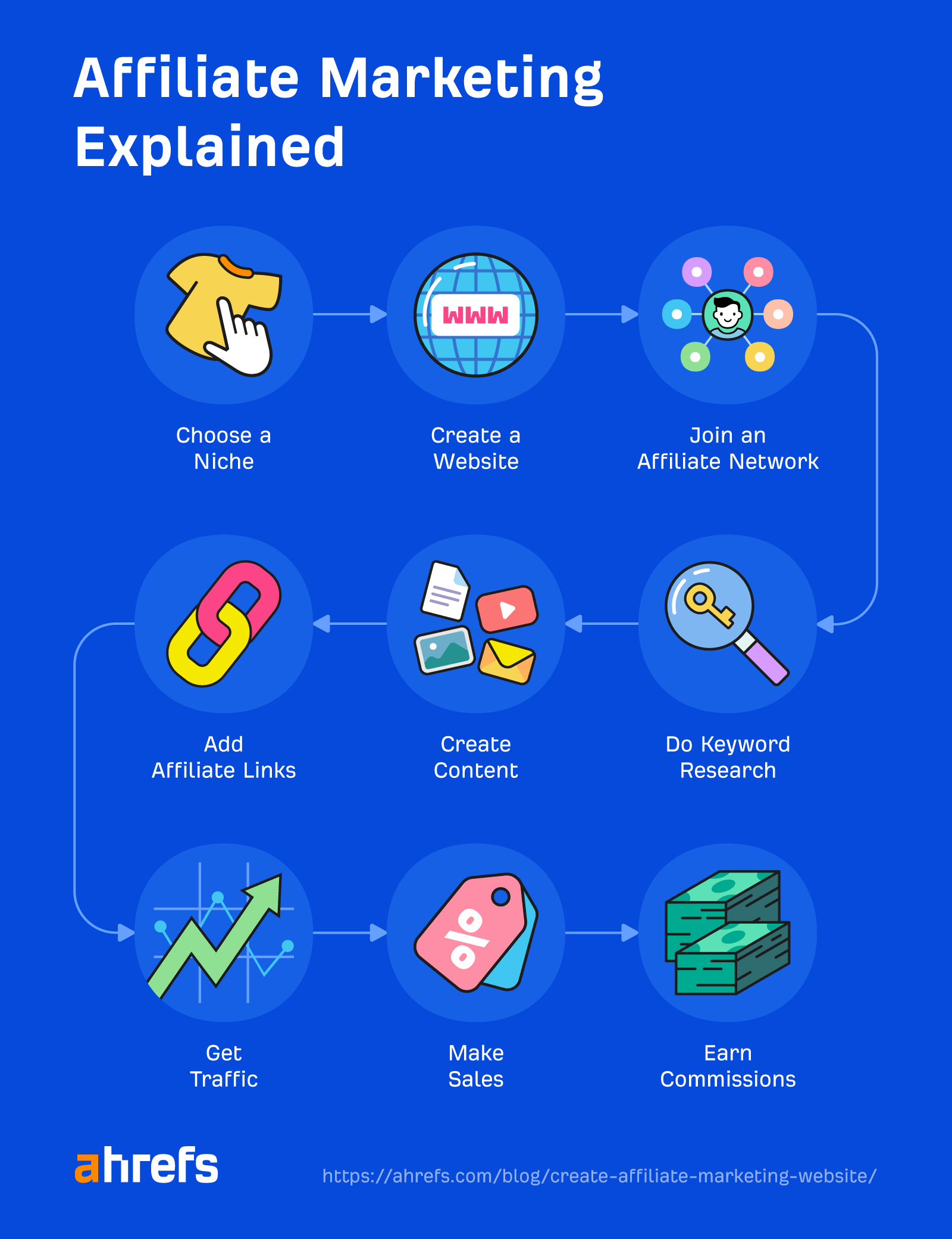
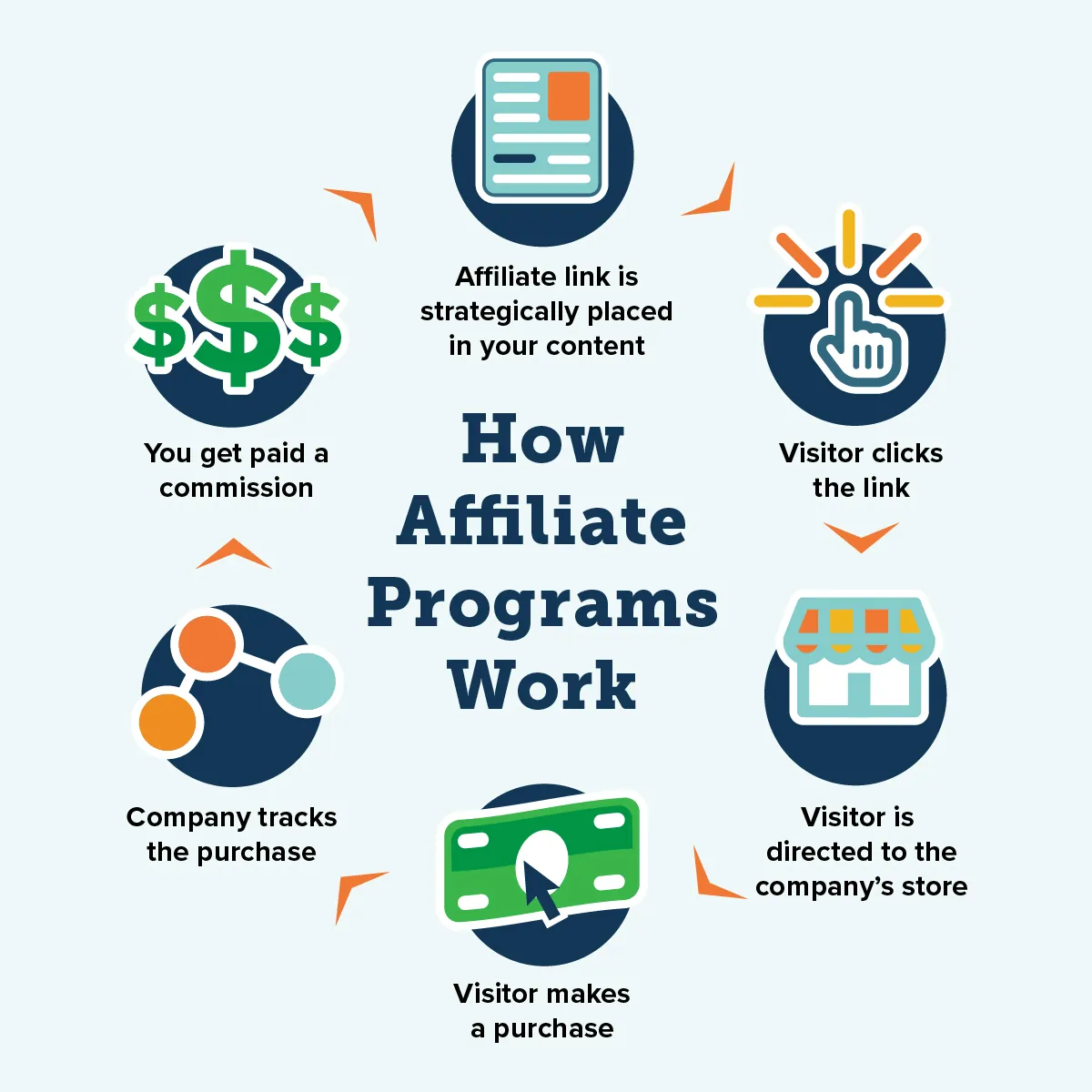
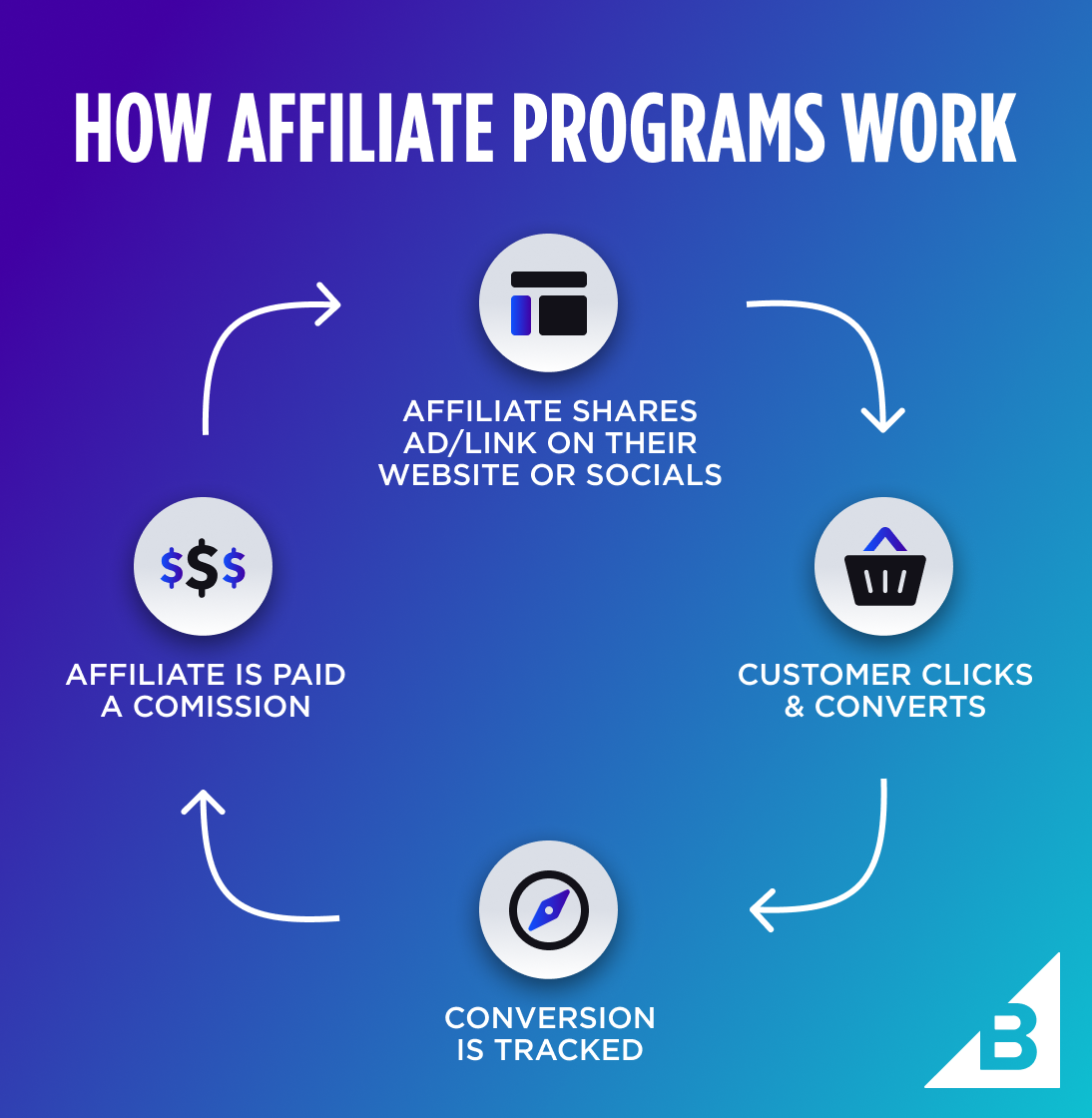
Affiliate marketing startups in 2026 are specialized ventures that either develop performance-tracking infrastructure or leverage partnership-based models to distribute products. These companies focus on high-fidelity attribution, first-party data integration, and transparent commission structures. Success requires a robust technical stack capable of navigating a cookieless environment while maintaining precise ROI measurement for all stakeholders.
The Evolving Definition of Affiliate Startups
The landscape of affiliate marketing startups has shifted significantly. In 2026, we no longer view affiliate marketing as a mere "add-on" channel; it is often the foundational growth engine for new enterprises. These startups generally fall into two distinct categories: infrastructure providers and performance-driven brands.
Infrastructure providers are SaaS (Software as a Service) startups that build the tools necessary for the ecosystem to function. This includes specialized tracking platforms, automated payment gateways for international affiliates, and AI-driven fraud detection systems. As privacy regulations have tightened globally, these startups have found a massive market in providing "privacy-safe" attribution that does not rely on invasive tracking methods.
Performance-driven brands, on the other hand, are startups that build their entire customer acquisition strategy around affiliate partnerships. Unlike traditional direct-to-consumer (DTC) brands that might over-rely on paid social media ads, these startups cultivate a network of "nano-influencers," content creators, and comparison sites. This approach minimizes upfront marketing spend, as the startup only pays for verified conversions, making it an attractive model for bootstrapped founders or those seeking high capital efficiency.
Key Technological Shifts Influencing 2026 Startups
The technical requirements for affiliate marketing startups have become more complex due to the deprecation of third-party cookies and the rise of advanced machine learning. To survive, a startup in this space must master several core technologies.
The Shift to Server-to-Server (S2S) Tracking
Traditional pixel-based tracking is largely obsolete in 2026. Startups now utilize Server-to-Server (S2S) tracking, which involves the advertiser’s server communicating directly with the affiliate platform’s server. This method is more secure, less prone to ad-blocker interference, and significantly more accurate. For a startup, implementing S2S tracking is a primary prerequisite for gaining the trust of high-tier affiliates who demand perfect attribution.
AI-Driven Predictive Analytics
Artificial Intelligence is no longer a buzzword but a core operational component. Startups are using AI to predict the "Lifetime Value" (LTV) of customers referred by specific affiliates. This allows startups to offer dynamic commission rates—paying more for affiliates who bring in high-retention users and less for those who drive one-time buyers. This level of granularity in financial modeling is what separates successful 2026 startups from their predecessors.
Integration with the Privacy Sandbox and Clean Rooms
With the full implementation of initiatives like Google’s Privacy Sandbox and various regional privacy laws, startups must operate within "Data Clean Rooms." These are secure environments where multiple parties can join data for analysis without exposing personally identifiable information (PII). Affiliate startups that can navigate these "clean rooms" to provide performance insights while remaining compliant are seeing the highest valuations and growth rates.
Strategic Prerequisites for Launching a Successful Venture
Before launching an affiliate marketing startup, founders must address several foundational pillars. Ignoring these often leads to early failure due to regulatory penalties or technical debt.
- Niche Identification and Depth: The era of generalist affiliate networks is over. Successful startups in 2026 focus on hyper-specific niches, such as sustainable fintech, specialized healthcare AI, or decentralized education platforms. By focusing on a niche, the startup can develop specialized tracking metrics that general platforms cannot match.
- Regulatory Compliance Framework: Compliance is a technical feature, not just a legal hurdle. Startups must adhere to the latest FTC (Federal Trade Commission) guidelines on disclosures and regional data laws like the GDPR (General Data Protection Regulation) or CCPA (California Consumer Privacy Act). In 2026, automated disclosure verification—ensuring that all affiliates are properly labeling their content—is a mandatory feature for any reputable platform.
- Capital and Cash Flow Management: While affiliate marketing is performance-based, the startup needs significant capital for the "attribution lag." There is often a gap between when an affiliate is paid and when the startup realizes the full revenue from the customer. Managing this "working capital gap" is the primary financial challenge for performance-based startups.
Operational Steps: From MVP to Global Scale
Moving an affiliate marketing startup from a Minimum Viable Product (MVP) to a scaling enterprise requires a disciplined approach to partnership management and technical architecture.
Phase 1: Validating the Attribution Engine
The first 90 days should focus entirely on the integrity of the tracking. If an affiliate perceives that they are being "shaved" (not credited for sales), the startup’s reputation will be permanently damaged. Testing must occur across various devices, browsers, and network conditions to ensure the S2S calls are firing correctly.
Phase 2: High-Touch Affiliate Recruitment
Unlike mature companies that use automated sign-ups, startups need to manually recruit their first 20–50 affiliates. These should be partners who have high influence in the chosen niche. Offering "founder-preferred" rates or equity-based incentives can help secure high-quality partners who would otherwise ignore a new, unproven brand.
Phase 3: Automation and Optimization
Once the model is proven, the startup must automate the mundane. This includes automated tax document collection (W-9/W-8BEN), self-service creative asset portals, and automated "compliance policing." In 2026, startups use Large Language Models (LLMs) to scan affiliate content daily, ensuring that no false claims are being made about the product, which protects the startup from legal liability.
Financial Considerations and Revenue Models
Understanding the unit economics is vital. Affiliate marketing startups typically operate on one of three revenue models.
- The Spread Model: Common for networks, where the startup charges the advertiser a 20% "override" on top of whatever the affiliate is paid.
- The SaaS Model: A flat monthly fee for access to the tracking technology, regardless of the number of sales generated.
- The Hybrid Model: A small monthly platform fee combined with a performance-based fee on high-volume months.
| Feature | SaaS Platform Startup | Niche Affiliate Network | Brand-Specific Program |
|---|---|---|---|
| Primary Revenue | Monthly Subscriptions | Commission Overrides | Product Sales |
| Technical Complexity | High (Multi-tenant architecture) | Medium (Tracking & Payments) | Low (Plug-and-play tools) |
| Scalability | Exponential (Low marginal cost) | Linear (Requires more partners) | Variable (Dependent on product) |
| Key Risk | Feature commoditization | Ad fraud & low-quality traffic | High Customer Acquisition Cost |
| Regulatory Burden | Data Processor (GDPR) | Data Controller | Consumer Protection Laws |
Risk Management: Fraud Prevention and Regulatory Compliance
In 2026, affiliate fraud has evolved beyond simple "cookie stuffing." Startups now face sophisticated botnets that mimic human behavior, including mouse movements and "dwell time" on pages. To combat this, startups must integrate biometric signals and behavioral analysis into their tracking scripts.
Furthermore, the Federal Trade Commission (FTC) has increased its scrutiny of "dark patterns" in affiliate marketing. This includes hidden "unsubscribe" buttons or misleading "limited time" countdown timers. A startup that permits its affiliates to use these tactics faces massive fines. Therefore, the most successful startups are those that build "compliance-first" dashboards, where affiliates can only use pre-approved, compliant creative assets.
Common Pitfalls for New Entrants
Many founders underestimate the complexity of the "attribution window." In 2026, the path to purchase is rarely linear. A consumer might see an affiliate’s video on a smart TV, research the product on a mobile device, and finally purchase on a desktop. Startups that only offer "last-click" attribution often fail to attract high-value content creators who participate early in the funnel.
Another common error is failing to vet affiliates properly. One "black-hat" affiliate can get a startup’s domain blacklisted by major email providers or search engines. Implementing a rigorous manual vetting process for the first year—looking for established websites, clear identities, and historical performance—is a non-negotiable step for long-term viability.
Frequently Asked Questions
How much capital is required to start an affiliate marketing SaaS in 2026?
Developing a robust, privacy-compliant tracking SaaS typically requires between $150,000 and $500,000 for the initial build. This covers the costs of high-availability server architecture (to handle millions of concurrent hits), security audits, and specialized developers familiar with server-side tracking protocols.
Is affiliate marketing saturated for new startups?
While the general market is crowded, "vertical-specific" affiliate marketing is far from saturated. Startups that focus on emerging sectors like green energy, lab-grown food, or specialized B2B software find significantly less competition and higher margins than those trying to compete in generic fashion or electronics.
How does the 2026 privacy landscape affect affiliate tracking?
The disappearance of third-party cookies means startups must rely on first-party data and direct API integrations. This has actually benefited startups by raising the barrier to entry; "bedroom operations" that relied on simple browser cookies can no longer compete with technically sophisticated startups using IAB-standardized OpenRTB or similar protocols.
Can AI replace human affiliates?
AI is a tool for affiliates, not a replacement. While AI can generate content, consumers in 2026 crave "provenance" and "authentic experience." Startups that prioritize human-led affiliate networks tend to see higher conversion rates and lower churn than those relying on AI-generated "spam" sites, which search engines now aggressively de-rank.
What is the most important metric for an affiliate startup?
Beyond simple revenue, the most critical metric is the "Affiliate Incremental Value." This measures whether the affiliate is bringing in new customers who wouldn't have found the brand otherwise, or simply "snatching" the commission at the last second on a customer who was already going to buy.
Practical Recommendations
For those looking to enter the affiliate marketing startup space in 2026, the most effective path is to build for a specific technical gap. Instead of launching another general network, solve a specific problem like "cross-device attribution for privacy-focused browsers" or "automated multi-currency payouts for decentralized creators."
Focus on building a "sticky" ecosystem where the tracking is so accurate and the interface so intuitive that affiliates refuse to move to a competitor. Prioritize transparency in your data reporting; in an era of algorithmic uncertainty, being the "source of truth" for performance data is the most valuable position a startup can hold.