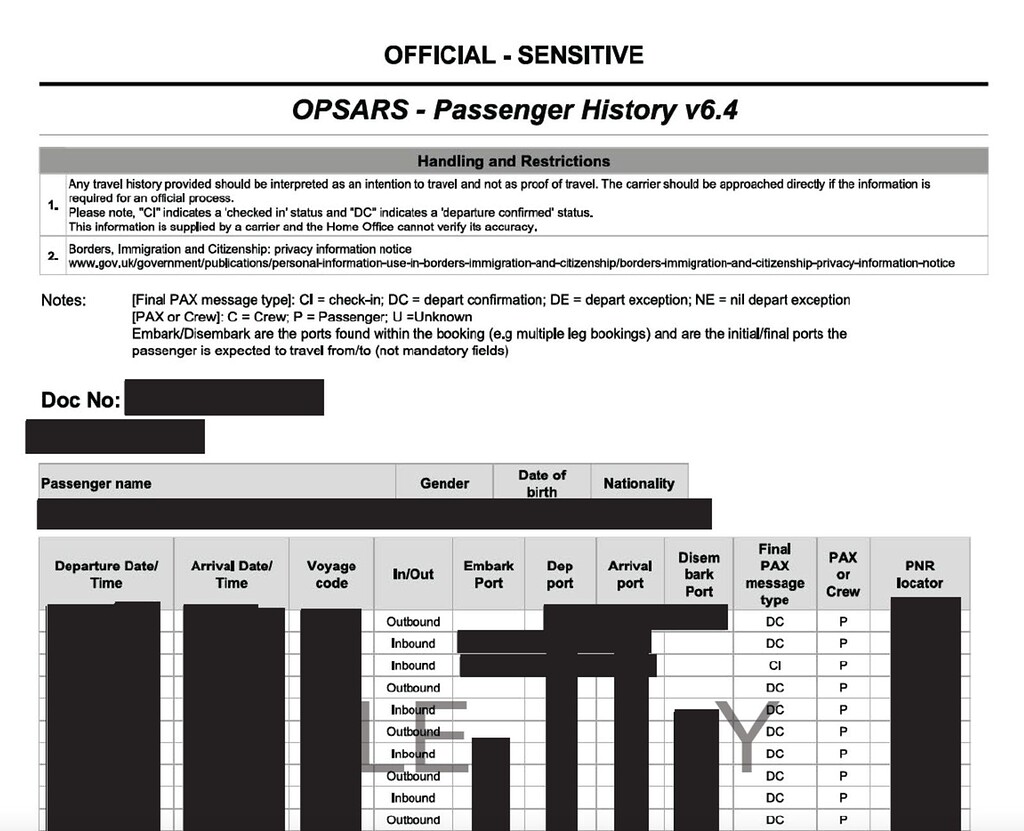
Advanced Passenger Information (API) is an electronic data interchange system that collects specific biographical data and travel document details from passengers prior to departure, transmitting this manifest securely to border control and immigration authorities in the destination country to streamline security screening and immigration clearance.
The Core Concept of Advanced Passenger Information
Advanced Passenger Information (API) serves as a foundational digital bridge between commercial airlines, maritime operators, and sovereign border control agencies. In modern international aviation and maritime transport, the process of border security begins long before a vessel or aircraft touches down on foreign soil. By capturing structured passenger data at the point of check-in or ticket reservation, governments can evaluate potential security risks, verify travel document validity, and expedite the processing of legitimate travelers upon arrival.
The system relies on standardized data messaging formats defined by international bodies such as the International Civil Aviation Organization (ICAO), the International Air Transport Association (IATA), and the World Customs Organization (WCO). These protocols ensure that whether a passenger is departing from London Heathrow, John F. Kennedy International Airport, or Singapore Changi, the transmitted data elements remain entirely uniform. This standardization allows automated border control systems to ingest manifest data seamlessly, cross-referencing travelers against watchlists, Interpol databases, and immigration stop lists in real time.
Understanding how API operates requires examining the distinction between basic manifest transmission and deep passenger analysis. While API focuses strictly on biographical data extracted directly from machine-readable travel documents, it frequently works in tandem with Passenger Name Record (PNR) data, which encompasses broader commercial and reservation details. Together, these data streams form a comprehensive picture of global mobility, balancing the imperative of national security with the commercial necessity of frictionless international travel.
How Advanced Passenger Information Works
The operational lifecycle of Advanced Passenger Information spans multiple distinct phases, beginning at the moment a traveler books a flight and culminating when the aircraft door opens at the destination gate. This workflow involves close coordination between the passenger, the air carrier's departure control system (DCS), and the sovereign border management infrastructure of the destination or transit state.
[Passenger Books Ticket] ➔ [Data Captured at Check-In] ➔ [DCS Compiles Manifest] ➔ [Transmission to Border Agency] ➔ [Risk Assessment & Clearance]
Data Collection and Capture Mechanisms
Data collection begins during the reservation process or, more reliably, during online or airport check-in. Modern check-in kiosks, mobile applications, and agent-assisted desks utilize optical character recognition (OCR) and barcode scanners to read the Machine Readable Zone (MRZ) of a passport or official travel document. This automated extraction eliminates human error, ensuring that transposed digits or misspelled names do not compromise the integrity of the manifest.
Airlines are legally mandated to collect this information under the civil aviation regulations of destination countries. If a passenger attempts to bypass data entry or provides incomplete information, the departure control system typically restricts the issuance of a boarding pass. This enforcement mechanism places the operational responsibility of data collection squarely on the carrier, backed by the threat of substantial financial penalties and non-compliance fines imposed by border authorities.
Transmission Protocols and Timelines
Once the manifest data is compiled, it must be transmitted to the destination government within strict regulatory windows. These transmission timelines generally fall into two categories:
- Interactive API (iAPI): The airline transmits passenger data in real time as each individual checks in. The destination border authority processes the data instantaneously and returns a clearance indicator—such as Board/Do Not Board—directly to the carrier's departure control system before the boarding pass is finalized.
- Batch API: The airline transmits the complete passenger manifest in one or more batches after check-in closes and the flight is locked. This method is common for long-haul international flights, giving intelligence and security agencies a designated window to screen passengers prior to arrival.
Standard Data Elements Collected in API
The data captured under Advanced Passenger Information frameworks is strictly regulated to balance security needs with privacy protections. Governments are generally restricted from collecting arbitrary or excessive personal information. The required data fields are standardized globally, ensuring consistency across different jurisdictions and carrier systems.
| Data Element | Description | Source Document |
|---|---|---|
| Full Name | Exactly as it appears in the passport (Surname and Given Names) | Machine Readable Zone (MRZ) |
| Date of Birth | Formatted numerically (Day, Month, Year) | Machine Readable Zone (MRZ) |
| Gender | Sex indicated on the travel document (M, F, or X where applicable) | Machine Readable Zone (MRZ) |
| Nationality | Country of issuance or citizenship | Machine Readable Zone (MRZ) |
| Document Type | Passport (P), Identity Card (I), or other approved travel document | Machine Readable Zone (MRZ) |
| Document Number | Unique alphanumeric identifier of the travel document | Machine Readable Zone (MRZ) |
| Document Expiration Date | Date after which the travel document is no longer valid | Machine Readable Zone (MRZ) |
| Issuing State | Country or authority that issued the travel document | Machine Readable Zone (MRZ) |
Beyond these core biographical elements, certain jurisdictions require additional information depending on the regulatory framework governing the route. This may include residential addresses for visitors entering a country, destination addresses for international flights, and visa or Electronic Travel Authorization (ETA) numbers where applicable.
Regulatory Frameworks and Global Mandates
The expansion of Advanced Passenger Information over the past three decades is rooted in international counter-terrorism initiatives, tightening border security, and evolving global aviation standards. The legal basis for API implementation derives from both domestic legislation and international binding resolutions.
International Standards and Resolutions
At the global level, the United Nations Security Council has repeatedly emphasized the necessity of collecting API. Resolutions such as UN Security Council Resolution 2396 explicitly call upon member states to develop the capability to collect, process, and analyze passenger data, including API and PNR, while respecting human rights and fundamental freedoms.
The International Civil Aviation Organization (ICAO) Annex 9 (Facilitation) sets out the international Standards and Recommended Practices (SARPs) governing API. While Annex 9 provides the technical blueprint for message formatting and transmission standards, individual sovereign states retain the legal authority to determine when, how, and from whom API is collected.
Regional and National Implementation
Different regions enforce API mandates with varying degrees of technological integration:
- European Union: The EU utilizes API directives alongside the Entry/Exit System (EES) and the upcoming European Travel Information and Authorisation System (ETIAS) to manage external borders. Air carriers operating flights into the Schengen Area must transmit API data for all third-country nationals.
- United States: Governed by Customs and Border Protection (CBP), the U.S. requires all commercial carriers—both air and sea—to submit comprehensive API data well in advance of arrival through the Advance Passenger Information System (APIS).
- Asia-Pacific and Beyond: Nations such as Australia, Canada, Japan, and Singapore operate highly sophisticated real-time interactive API frameworks that interface directly with automated border gates and biometric clearance lanes.
Privacy, Data Protection, and Governance
Because Advanced Passenger Information involves the mass collection and cross-border transmission of sensitive personal data, it operates under strict legal scrutiny regarding data privacy, retention periods, and cybersecurity safeguards.
Balancing Security and Privacy Rights
Traveler privacy advocacy groups and data protection authorities continually monitor how governments and airlines handle API data. Regulations such as the European Union's General Data Protection Regulation (GDPR) and similar national privacy laws impose stringent requirements on how data is stored, who has access to it, and how long it can be retained.
Border security agencies typically maintain strict data retention schedules. While data may be retained indefinitely if it triggers a legitimate law enforcement match or counter-terrorism investigation, routine manifests for compliant, low-risk travelers must be purged after a designated timeframe, often ranging from 24 hours to a few years depending on the jurisdiction.
Cybersecurity and Secure Transmission
The transmission of passenger manifests occurs over highly secure, encrypted dedicated networks between airline reservation systems and government border servers. Encryption protocols prevent interception, tampering, or unauthorized access by malicious actors. Compliance with international cybersecurity standards ensures that commercial aviation infrastructure remains resilient against data breaches.
Common Challenges and Troubleshooting for Passengers
While Advanced Passenger Information is primarily an operational mechanism for airlines and governments, travelers frequently encounter friction points related to data collection, verification errors, and boarding delays.
Name Mismatches and Typographical Errors
One of the most frequent issues travelers face is a discrepancy between the name entered during the ticket booking process and the name printed on the physical passport. Middle names, hyphenated surnames, and cultural naming conventions frequently cause automated systems to flag manifests.
- Prevention: Always ensure that the name on the airline reservation matches the machine-readable zone of the passport character-for-character.
- Resolution: If a mismatch occurs at check-in, airline ticketing agents can manually update the API record in the departure control system, provided the physical document is verified.
Expired or Replacement Passports
Travelers who renew their passport between the time of booking and the date of departure often encounter automated check-in blocks. Because the API data tied to the original booking references the old passport number, the departure control system will reject the attempt to generate a boarding pass.
- Action Required: Passengers must contact their airline prior to departure—or present the new passport at the airport check-in counter—to have the API profile updated with the new document number, expiration date, and issuing country.
Visas and Electronic Travel Authorizations
In many jurisdictions, API collection includes verification of travel authorization. If an Electronic Travel Authorization (such as an ESTA for the United States or an ETA for the United Kingdom) is denied, pending, or incorrectly linked to the passport number, the interactive API system will prevent the airline from issuing a boarding pass. Travelers must resolve the underlying authorization status with the relevant government portal before heading to the airport.
Frequently Asked Questions
What is the difference between API and PNR?
Advanced Passenger Information (API) consists of structured biographical data and travel document details extracted directly from the passport. Passenger Name Record (PNR) data contains commercial and reservation details, such as billing information, seat selections, baggage specifics, travel agency details, and frequent flyer information. While API focuses on who is traveling, PNR provides context on how the trip was arranged and managed.
Do I need to submit Advanced Passenger Information for domestic flights?
Generally, no. Advanced Passenger Information is designed specifically for international border management, customs enforcement, and immigration control. Domestic flights typically do not require API transmission, though some jurisdictions may require basic identity verification or Secure Flight data for domestic security screening purposes.
When should I submit my Advanced Passenger Information?
API can be submitted at the time of booking, but it is most commonly collected during online check-in, which typically opens 24 to 48 hours before scheduled departure. Providing accurate information as early as possible prevents airport check-in delays and ensures that interactive border systems clear your travel documentation without manual intervention.
Can my boarding pass be denied due to incorrect API data?
Yes. If the API data provided does not match your official travel document, or if the destination government's interactive border screening system flags a security concern or invalid document, the airline's departure control system will withhold the boarding pass until the discrepancy is investigated and corrected by a gate agent.
How is my personal data protected during API transmission?
Airlines and government border agencies use encrypted, secure communication networks to transmit and store manifest data. Furthermore, API collection is bound by international treaties, domestic privacy laws, and strict data retention schedules that mandate the secure deletion of manifest data after statutory review periods expire.
Conclusion and Next Actions
Advanced Passenger Information forms an indispensable pillar of modern international travel, enabling governments to secure borders while allowing commercial aviation to scale efficiently. For travelers, ensuring a seamless journey requires strict attention to detail: always book tickets using the exact name and details printed in your passport, update your airline profile immediately if you renew your travel document, and complete online check-in early to allow automated border systems to process your manifest without incident. By understanding these requirements, passengers can eliminate avoidable airport delays and contribute to a secure, predictable global travel environment.