Adding an additional insured to a commercial auto policy is a contractual requirement often mandated by businesses, project owners, or government agencies to ensure they are protected under your policy if a loss occurs arising out of your operations. This process involves a formal endorsement to your existing policy, which extends coverage to a third party for claims involving your commercial vehicles.
Understanding the Role of an Additional Insured
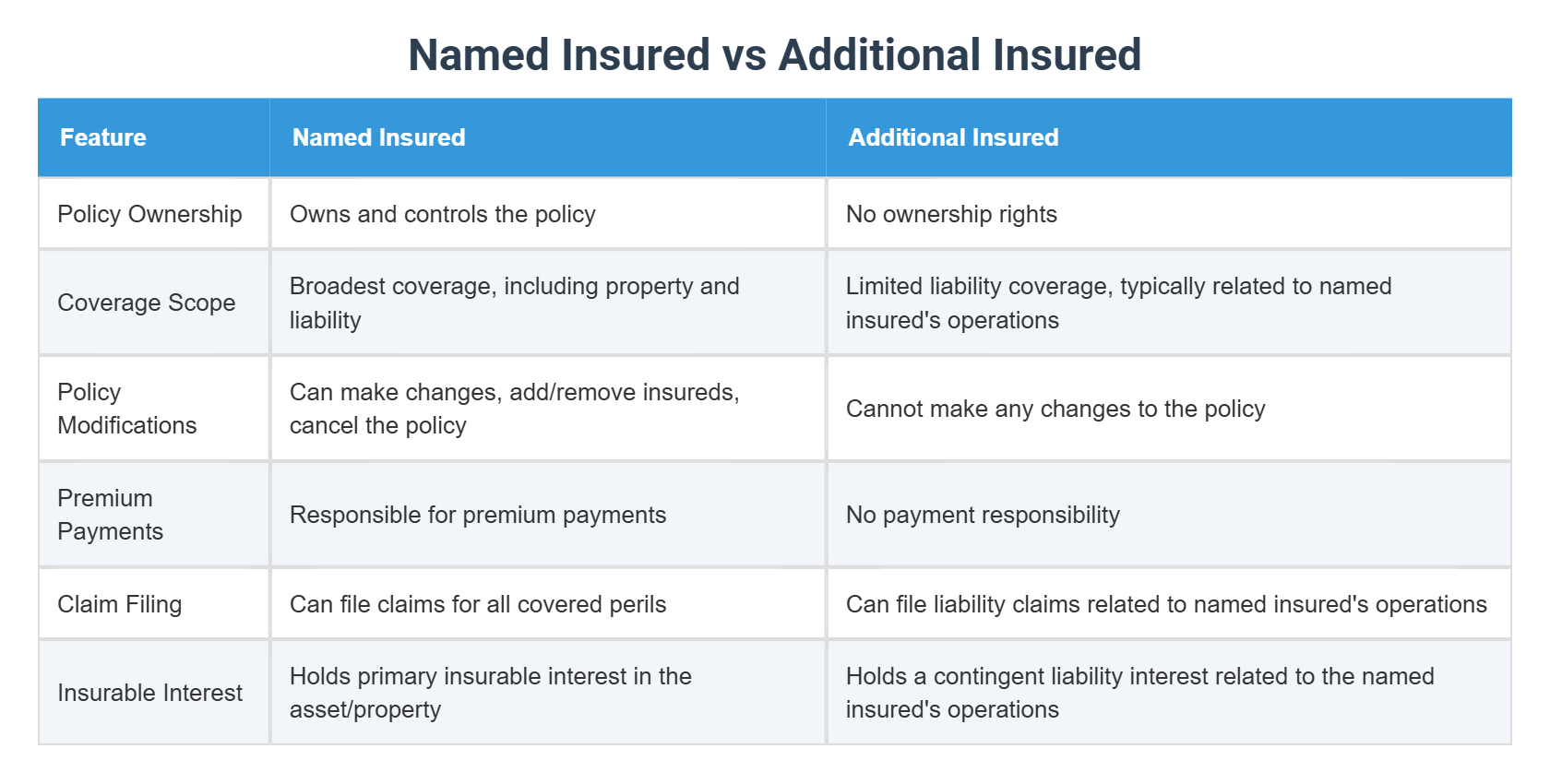
In the context of commercial auto insurance, an additional insured is a person or entity—usually a client, contractor, or property owner—that is added to your policy via a specific endorsement. Unlike a "named insured," who is the primary policyholder, an additional insured does not have the same rights or responsibilities regarding policy premiums or cancellations. Instead, they gain the benefit of your liability coverage for specific incidents linked to your use of an auto in the course of your business operations for them.
This requirement is common in industries such as construction, logistics, and professional services. If you are entering a contract, the other party may ask to be named as an additional insured to minimize their own financial risk. By doing so, they are protected against vicarious liability, which is the legal responsibility they might face if your employee causes an accident while performing work for them.
When You Need to Add an Additional Insured
Most requests to add an additional insured originate from contractual obligations. Before you begin the process, review your contract to verify the specific language required. Contracts often stipulate that you must carry a specific amount of liability insurance and that the other party must be named as an additional insured on your Commercial Auto Liability policy.
Typical scenarios requiring this status include:
- Construction Sites: General contractors often require subcontractors to add them as an additional insured to protect against claims resulting from the movement of equipment or materials on a job site.
- Property Leasing: If you are leasing a location and utilizing it for business operations, the property owner may request additional insured status on your auto policy, particularly if your vehicles are stored on or frequently access their premises.
- Service Agreements: Large corporate clients may demand this level of protection as a prerequisite for winning a bid, ensuring that your insurance acts as the first line of defense in the event of a dispute or vehicular incident.
The Procedural Steps for Policy Amendment
The process of adding an additional insured is handled through your insurance agent or carrier. It is not an automatic process and requires formal documentation.
- Review the Contractual Language: Determine if the contract requires "Additional Insured" status specifically. Sometimes, a "Certificate of Insurance" (COI) is sufficient, but if the contract specifically mandates the status, you must request an endorsement.
- Contact Your Broker or Agent: Inform your agent of the specific name and address of the entity to be added. Provide them with a copy of the contract or the "insurance requirements" section of the document.
- Submit the Request: Your agent will process the request through your insurance carrier. This may involve filing an endorsement form. Note that most commercial auto policies utilize standard ISO (Insurance Services Office) forms, which simplify the language used for these endorsements.
- Receive the Endorsement: Once approved, the carrier will issue an endorsement document. Keep this document with your policy records.
- Issue a Certificate of Insurance: After the endorsement is added, provide the entity with a new Certificate of Insurance that explicitly lists them as an additional insured.
Managing Costs and Premium Impacts
Adding an additional insured to a commercial auto policy typically incurs a nominal administrative fee rather than a massive premium increase. However, the exact cost structure depends on the size of your fleet and your current policy terms.
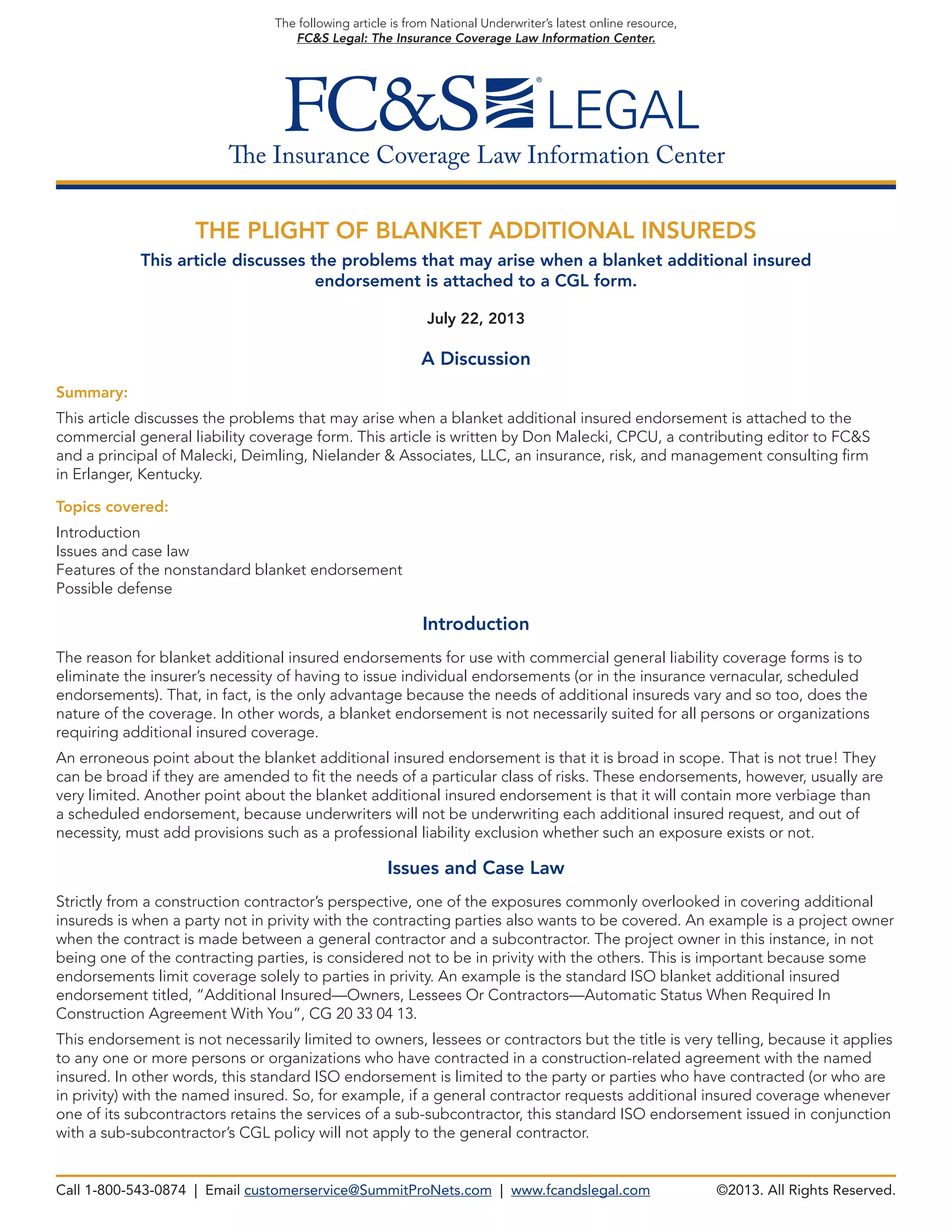
In many cases, carriers charge a flat "endorsement fee" for each additional insured added to the policy. This fee covers the administrative cost of processing the change and updating the policy records. Some insurance carriers may include a "blanket" additional insured endorsement in your policy for a set premium, which allows you to add any entity that requires it without having to process individual requests for every new contract. If you do business with a high volume of clients who require this status, a blanket endorsement is often the most cost-effective solution.
Comparison of Coverage Methods
It is important to distinguish between simply providing a Certificate of Insurance and formally adding an entity as an additional insured.
| Feature | Certificate of Insurance (COI) | Additional Insured Endorsement |
|---|---|---|
| Purpose | Proof of existing coverage | Direct extension of policy benefits |
| Legal Status | Informational document only | Contractual amendment to the policy |
| Defense Costs | Does not guarantee defense | May provide defense for specific claims |
| Complexity | Low; easily generated by agents | Moderate; requires carrier approval |
| Frequency | Used for every client | Used when contractually mandated |
Critical Considerations and Limitations
While adding an additional insured provides protection for your client, it does not absolve you of your own obligations. You remain the primary policyholder, and any claims against your policy will affect your loss history, which may increase your future premiums.
Furthermore, an additional insured endorsement usually only provides coverage for the "vicarious liability" of the additional insured. It does not typically protect the additional insured for their own independent negligence. For instance, if your vehicle causes an accident while under your control, the additional insured is protected. If the additional insured were to cause the accident themselves, your policy would likely not respond to cover them, as they are not the primary driver.
Frequently Asked Questions
What is the difference between a named insured and an additional insured? A named insured is the primary entity that owns the policy, pays the premiums, and has the authority to make changes. An additional insured is a third party added to the policy to receive specific liability protections without having authority over the policy itself.
Does adding an additional insured increase my deductible? Generally, no. The deductible remains tied to the specific policy terms for the vehicles involved. Adding an additional insured does not typically alter the structure of your liability limits or your out-of-pocket costs for a claim.
Can I remove an additional insured once the contract is over? Yes. Once your contractual obligations to an entity conclude, you should contact your insurance agent to have the endorsement removed. This keeps your policy records clean and ensures that your coverage remains focused on current business activities.
What is a blanket additional insured endorsement? A blanket endorsement is an optional policy provision that automatically grants additional insured status to any party you have contracted with, provided the contract requires such status. This eliminates the need for individual endorsements for every client.
Will the additional insured be notified if I cancel my policy? In many jurisdictions, if an entity is added as an additional insured, the insurance carrier may be required to notify them if your policy is cancelled. This protects the additional insured from suddenly losing the coverage they were promised.
Professional Advice and Next Actions
Before committing to adding an additional insured, consult with your insurance broker to ensure the request is necessary and that the language requested by your client aligns with your current policy capabilities. If you frequently enter into contracts that demand this status, ask your broker about the feasibility of adding a blanket endorsement to streamline your administrative workflow. Always ensure that the copy of your policy and the endorsement form are filed in an organized manner, as you will likely be required to produce these documents during future audits or contract renewals.