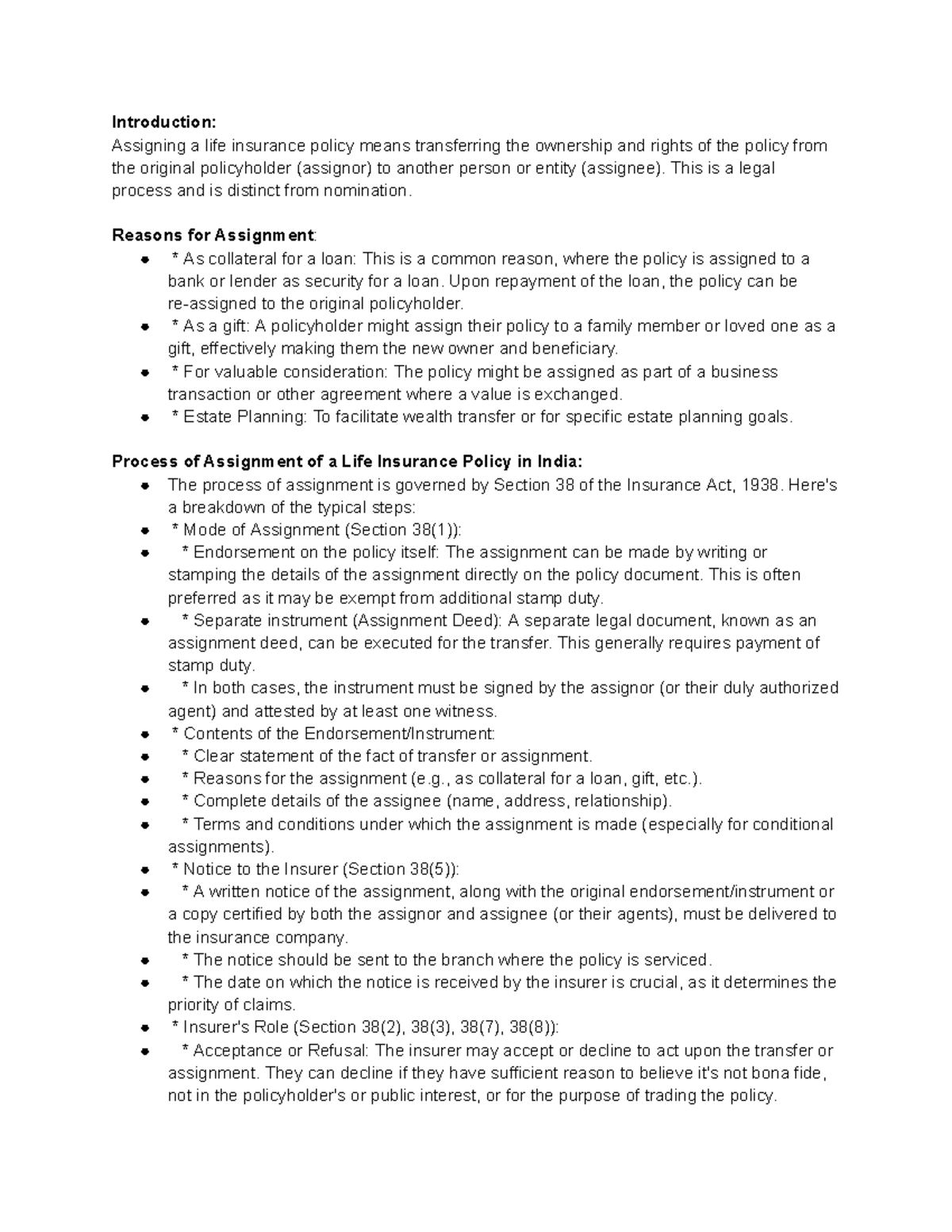
Adding an assignee to a Banner Life Insurance policy involves the legal transfer of some or all of the policy’s ownership rights to another individual, trust, or financial entity. This process, known as a collateral or absolute assignment, requires submitting a formal Assignment of Policy form to the insurer, undergoing an internal review for compliance, and receiving written confirmation from the company to finalize the change.
Understanding Policy Assignment
Life insurance is a contract between the policy owner and the insurance carrier. In many cases, the insured and the policy owner are the same person, but there are instances where a policyholder might need to transfer interest in that policy to a third party. When you "add an assignee" to a Banner Life policy—which is a Legal & General America company—you are effectively granting that assignee specific legal rights over the policy’s benefits or cash value.
There are two primary ways to categorize this: absolute assignment and collateral assignment. Absolute assignment is a permanent transfer of all ownership rights, including the right to change beneficiaries or cancel the policy. Collateral assignment is temporary and typically used to secure a loan. In this scenario, the assignee (often a bank or lender) holds a security interest in the policy’s death benefit to ensure a debt is repaid. Once the debt is satisfied, the assignment is released.
Eligibility and Prerequisites
Before initiating a request with Banner Life, you must ensure that your policy is in good standing and that the assignment is permitted under the specific terms of your contract. Most term life insurance policies—the primary product offered by Banner Life—allow for assignments, but there are technical hurdles you must clear.
- Policy Status: Your policy must be active and premiums must be current. If your policy is in a grace period or has lapsed, you will likely be required to reinstate it before any ownership or assignment changes can be processed.
- Legal Capacity: As the current policy owner, you must have the legal capacity to transfer these rights. If the policy is owned by a trust or a business, documentation proving your authority to act on behalf of that entity is required.
- Third-Party Consent: While you have the right to assign your policy, the assignee must be willing to accept the assignment. If you are assigning the policy as collateral for a bank loan, the bank will often provide their own specific assignment forms that they require the insurer to sign or acknowledge.
The Procedural Steps for Assignment
The process of adding an assignee is not an automated feature that can be completed through a standard online portal; it is a legal transaction that requires paper documentation and verification.
1. Obtaining the Correct Forms
Contact the Legal & General America (Banner Life) customer service department or log into your secure policyholder account to request an "Assignment of Policy" form. It is critical to use the company’s official documentation rather than a generic legal template found online. Using proprietary forms ensures that the data fields align with Banner Life’s internal administrative systems and regulatory requirements.
2. Completing the Documentation
The form will request specific information, including:
- Policy Number: The unique identifier for your Banner Life policy.
- Assignee Information: Full legal name, tax identification number (or Social Security number), and contact information for the entity or individual being added.
- Type of Assignment: Clear notation of whether this is absolute or collateral. If collateral, you may need to specify the amount of the debt or the specific loan being secured.
- Notarization: Many insurance carriers, including Banner Life, require the signature of the current policy owner to be witnessed by a notary public. This step is a fraud-prevention measure to ensure that the request is voluntary and authorized.
3. Submission and Internal Review
Once the form is completed and notarized, mail it to the address specified on the document or the official Banner Life/Legal & General America correspondence address. Upon receipt, the company’s underwriting or legal department will review the submission. They verify that the transfer does not violate state insurance laws or the company’s internal underwriting guidelines.
4. Confirmation of Change
Banner Life will issue a formal acknowledgment letter or an endorsement to your policy once the assignment has been recorded. Do not consider the process complete until you have received this written verification. The assignee should also receive a copy of this acknowledgment, confirming their interest in the policy.
Comparison of Assignment Types
| Feature | Absolute Assignment | Collateral Assignment |
|---|---|---|
| Duration | Permanent | Temporary (until debt is paid) |
| Rights Transferred | Full ownership/Control | Limited to security interest |
| Policy Beneficiary | Can be changed by new owner | Generally remains same |
| Primary Use | Estate planning/Gifts | Securing a bank or private loan |
| Reversibility | No | Yes (via release of assignment) |
Legal and Financial Implications
Adding an assignee can have significant tax and legal consequences. If you transfer ownership of a life insurance policy (Absolute Assignment) to a child or spouse, the IRS may view this as a taxable gift, depending on the value of the policy at the time of transfer.
For collateral assignments, ensure the amount of the assignment is accurately reflected. If you assign the entire death benefit to a lender, but your loan balance is significantly lower than the policy’s face value, you may be unnecessarily restricting the proceeds that would otherwise go to your primary beneficiaries. Always consult with a tax advisor or estate planning attorney to understand how an assignment affects your total financial picture.
Troubleshooting Common Issues
If your request for an assignment is delayed or rejected, consider the following common pitfalls:
- Illegible Signatures: If the notary seal is faint or the policy owner’s signature does not match the file on record, the request will be rejected. Ensure all signatures are clear and match the name exactly as it appears on the original policy documents.
- Incomplete Information: Missing the assignee’s tax ID or mailing address is the most frequent cause of processing delays. Double-check all fields before mailing.
- Incompatible Beneficiary Designations: If you have an irrevocable beneficiary on the policy, you may not be able to assign the policy without the explicit consent of that beneficiary. Check your existing policy provisions regarding beneficiary status.
Practical Guidance for Policyholders
If you are currently in the process of securing a loan, communicate directly with your lender. Many banks have a preferred legal department that coordinates directly with insurance companies. They may be able to handle the submission of the assignment forms on your behalf, which reduces the chance of errors.
If you are pursuing an absolute assignment for estate planning purposes, document the reason for the transfer in your personal files. This evidence is helpful if you are ever audited by the IRS or if there is a future dispute regarding the policy’s ownership.
While the administrative process of adding an assignee to a Banner Life policy is straightforward, the legal weight of the decision is heavy. Ensure that you have full clarity on the rights being surrendered before you sign the paperwork. If you are unsure of the implications, seek independent financial counsel, as Banner Life representatives can provide information about the process but cannot provide personalized legal or tax advice.
Frequently Asked Questions
Can I add an assignee to a term life policy online? No, you cannot typically complete an assignment online. Because an assignment involves a permanent or temporary transfer of legal rights, Banner Life requires a formal, wet-signature document that must often be notarized to protect against unauthorized ownership changes.
Does adding an assignee change my premium costs? Generally, no. The assignment is a change in the ownership or interest of the policy benefits, not a change in the underlying risk profile of the insured person. Therefore, the premium remains the same as agreed upon in the original policy contract.
Can I assign only a portion of the death benefit? Yes, particularly in the case of a collateral assignment. You can specify that the assignee is entitled only to a certain portion of the death benefit, which is usually equal to the outstanding loan balance, while the remainder of the benefit is paid to your designated beneficiaries.
How do I cancel an assignment? For a collateral assignment, the assignee (the lender) must sign a "Release of Assignment" form once the debt is paid in full. Once this release is filed with Banner Life, the rights to the policy return fully to the policy owner. Absolute assignments are permanent and generally cannot be reversed unless the new owner decides to assign the policy back to you.
Will the beneficiaries be notified when I add an assignee? Banner Life may notify the existing beneficiaries of changes to the policy, especially if the assignment affects their status as the sole recipients of the death benefit. It is best practice to communicate these changes to your family members to avoid confusion or disputes when a claim is eventually filed.
Next Steps
If you are ready to proceed with adding an assignee to your Banner Life policy, the immediate next step is to call their customer service department at the number listed on your most recent policy statement. Request the specific "Assignment of Policy" packet relevant to your state and policy type. Once received, complete the form, obtain a notary’s signature, and mail it via a trackable delivery method to the address provided by their office. Maintain a copy of the final, submitted documentation for your personal financial records.