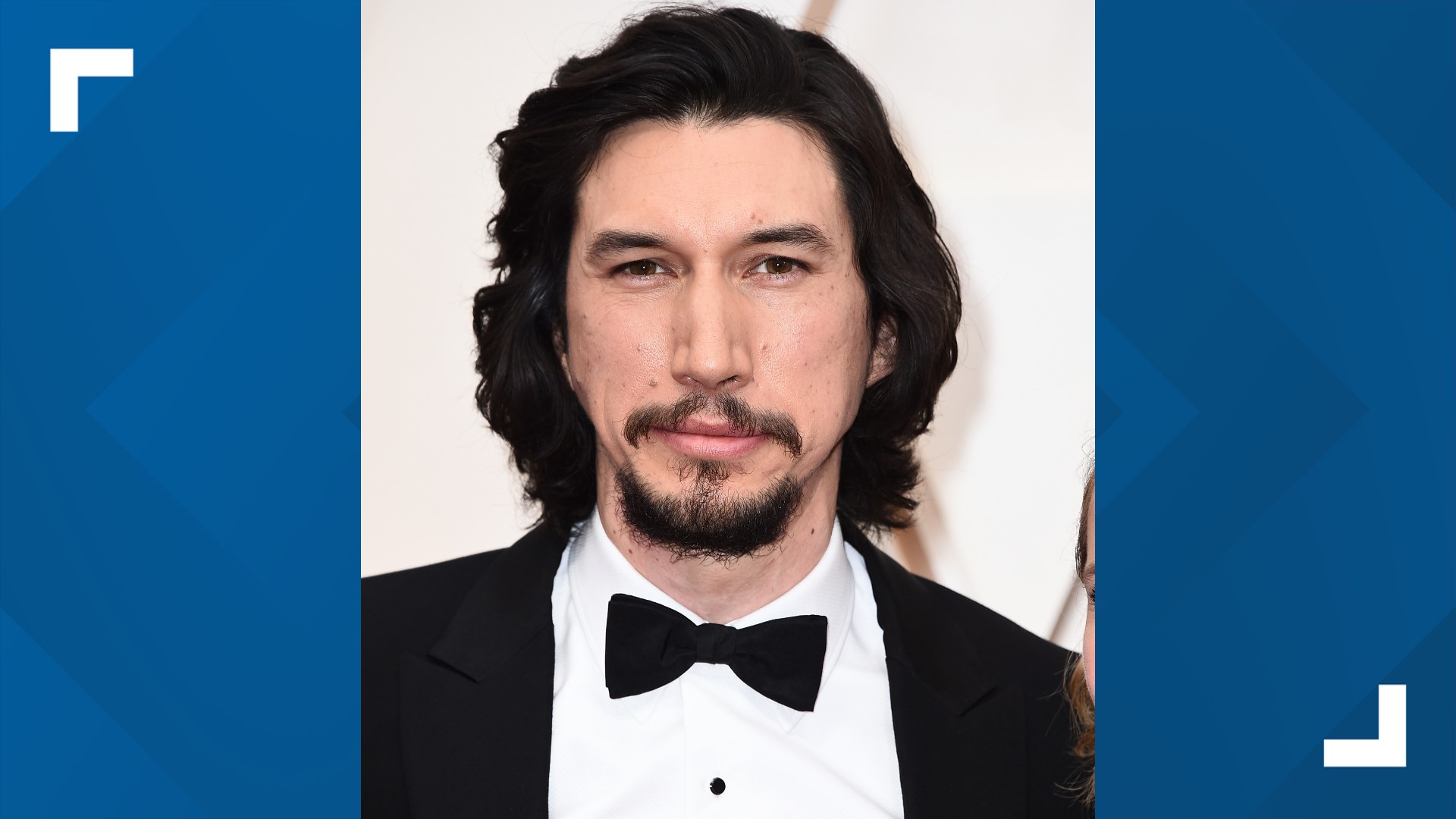
Adam Driver is a highly versatile American actor recognized for his transition from a background in the United States Marine Corps to becoming one of the most prominent performers in contemporary film and theater. Known for his intense, physically transformative acting style, he has garnered critical acclaim through complex roles in independent dramas, blockbusters, and high-stakes stage productions, consistently demonstrating a commitment to character-driven storytelling.
Early Life and Military Foundation
Born in San Diego, California, and raised in Mishawaka, Indiana, Adam Driver’s journey to professional acting was atypical. Following the September 11 attacks, he enlisted in the United States Marine Corps, serving for nearly three years as an 81mm mortarman with Weapons Company, 1st Battalion, 1st Marines. Although his military career ended before he could deploy due to a mountain biking injury, the discipline and perspective he gained during his service continue to inform his professional work ethic.
After his discharge, Driver pursued his interest in performance, enrolling at the Juilliard School in New York City. This formal training provided him with the technical foundation necessary to navigate the rigorous demands of stage acting, eventually leading to his debut on Broadway. His transition from military service to the performing arts is often cited as a critical component of his ability to portray characters defined by internal tension and stoicism.
The Breakthrough: Television and Mainstream Recognition
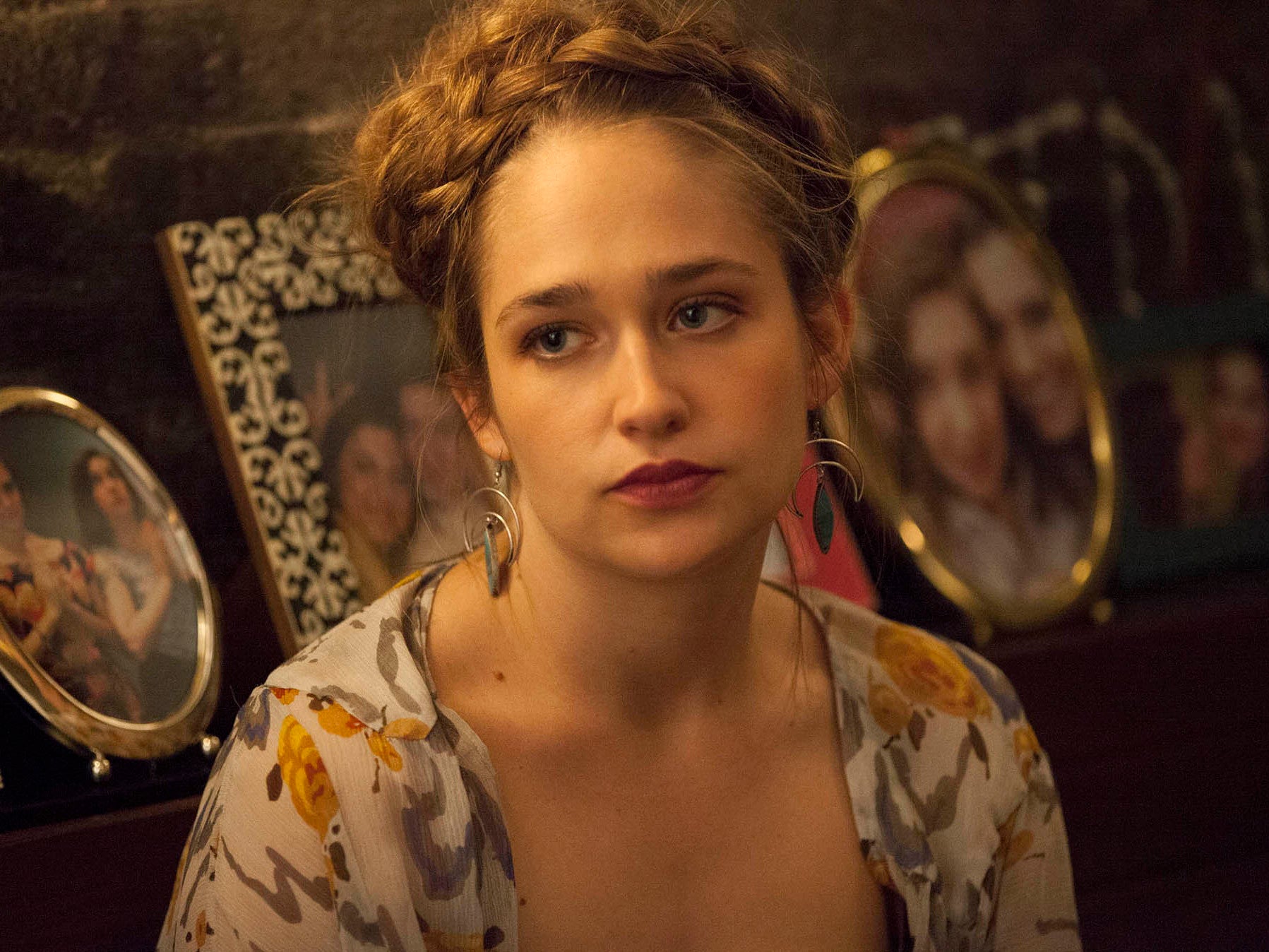
Driver’s ascent to prominence began in earnest with his portrayal of Adam Sackler in the HBO series Girls (2012–2017). The role, which earned him three consecutive Emmy Award nominations, allowed him to showcase an unpredictable, raw approach to character development. The show provided a platform for him to build a recognizable public profile while simultaneously working on more traditional, character-based films.
During this period, he balanced television commitments with independent films like Inside Llewyn Davis (2013) and While We’re Young (2014). This strategic choice of projects highlighted a conscious effort to avoid typecasting, allowing him to oscillate between the improvisational, often uncomfortable nature of Girls and the structured, dialogue-heavy environments of auteur-driven cinema.
Iconic Roles and Genre Range
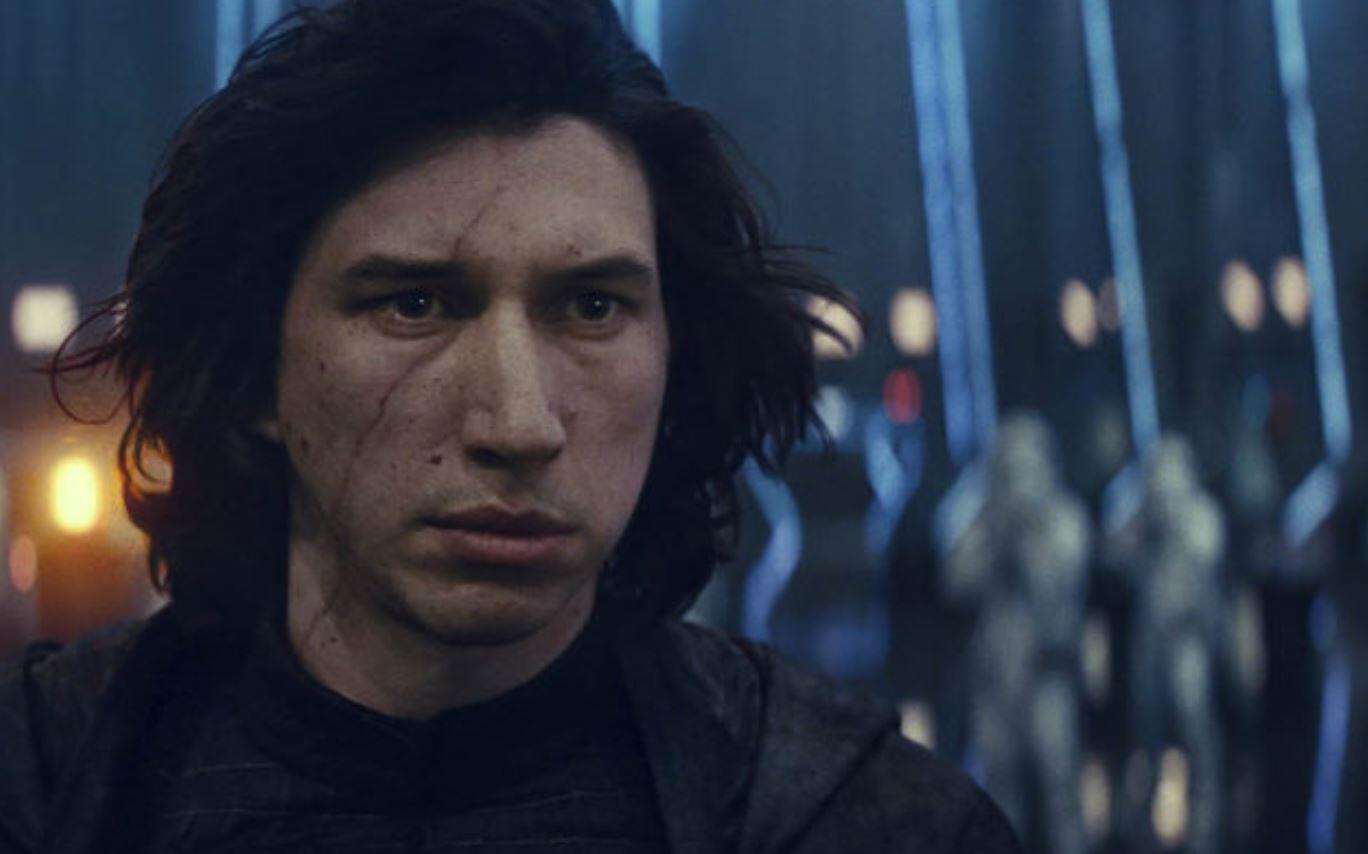
While Driver possesses a significant body of work in intimate dramas, he is widely recognized by global audiences for his role as Kylo Ren (Ben Solo) in the Star Wars sequel trilogy (2015–2019). Playing a villain struggling with the duality of his identity allowed him to bring a level of vulnerability and theatricality to a high-budget franchise, a rarity in modern blockbuster filmmaking.
The range he displays between his blockbuster work and his work with acclaimed directors is notable. He has collaborated extensively with filmmakers such as Noah Baumbach, Spike Lee, and Martin Scorsese, often opting for projects that require a high degree of physical and psychological preparation.
Notable Filmography and Directorial Collaborations
| Film Title | Year | Director | Notable Recognition |
|---|---|---|---|
| Inside Llewyn Davis | 2013 | Joel & Ethan Coen | Gotham Award nomination |
| Star Wars: The Force Awakens | 2015 | J.J. Abrams | Saturn Award |
| Paterson | 2016 | Jim Jarmusch | Cannes Film Festival nominee |
| BlacKkKlansman | 2018 | Spike Lee | Academy Award nomination |
| Marriage Story | 2019 | Noah Baumbach | Academy Award nomination |
| Annette | 2021 | Leos Carax | Cannes Best Actor |
The "Actor-Director" Dynamic
Much of Driver’s career success can be attributed to his collaborative relationships with visionary directors. Unlike actors who prefer a singular style of performance, Driver has developed a reputation for adapting to the specific aesthetic needs of the projects he joins.
In Paterson (2016), he delivered a performance defined by profound stillness and routine, contrasting sharply with his explosive, physically kinetic performance in Annette (2021). This ability to recalibrate his presence according to the director's vision suggests a high level of collaborative discipline. His work in BlacKkKlansman (2018) serves as another example, where he balanced the role of a deadpan, methodical detective against the more flamboyant, racially charged environment of the film’s narrative.
Artistic Process and Physicality
In interviews and industry discussions, Driver is frequently noted for his "total immersion" technique. He does not treat his roles as mere dialogue delivery but as a physical occupation of space. This is evident in his choice to work on stage, where the lack of an "edit" requires a sustained, visceral performance. His Broadway work, including a Tony-nominated performance in Burn This (2019), reinforces his status as a performer who prioritizes the craft of acting over the comforts of purely commercial success.
Furthermore, he has been noted for his willingness to participate in physically taxing roles that require intense preparation. Whether it involves learning musical numbers for Annette or maintaining the rigorous physicality required for his portrayal of Enzo Ferrari in Ferrari (2023), he exhibits a professional stamina that distinguishes him within the industry.
Addressing Common Questions
What was Adam Driver’s role in the military?
Driver served as a mortarman in the U.S. Marine Corps. His service was cut short by a medical discharge following a biking accident, occurring before his unit was deployed for active combat.
How did he transition from the Marines to acting?
After his discharge, Driver enrolled in the University of Indianapolis before successfully auditioning for the Juilliard School’s drama program. He utilized the GI Bill to help finance his education, moving to New York City to focus on theater.
Why is he often described as an "auteur" actor?
The term is applied to him because he consistently seeks out films directed by industry veterans who have distinct, personal visions. He avoids formulaic scripts, favoring collaborations with directors known for specific, non-commercial narrative styles.
How does his training at Juilliard influence his work?
His Juilliard training provides him with a standardized toolkit for script analysis and physical acting. This background is particularly evident in his ability to perform complex, multi-layered dialogue while maintaining the precise stage blocking required in both film and theater.
Is he still active in theater as of 2026?
Yes, he maintains a commitment to theater. While his film schedule is intensive, he frequently evaluates stage projects that allow him to return to the medium where he began his professional career.
Future Professional Outlook
As of 2026, Adam Driver continues to occupy a unique space in Hollywood as an actor who balances international star power with an uncompromising commitment to artistic integrity. His career trajectory suggests a continued interest in roles that challenge the boundaries of his craft. He remains a sought-after collaborator for directors who prioritize complex character development, and his continued presence in both independent and major production cycles ensures he will remain a central figure in American cinema for the foreseeable future.
For aspiring actors or those interested in his trajectory, studying his early roles in independent films provides a clear map of how a performer can build credibility before transitioning into larger, more complex characterizations. His career is a prime example of how artistic range can be cultivated through deliberate, non-linear choices and a refusal to sacrifice craft for volume.