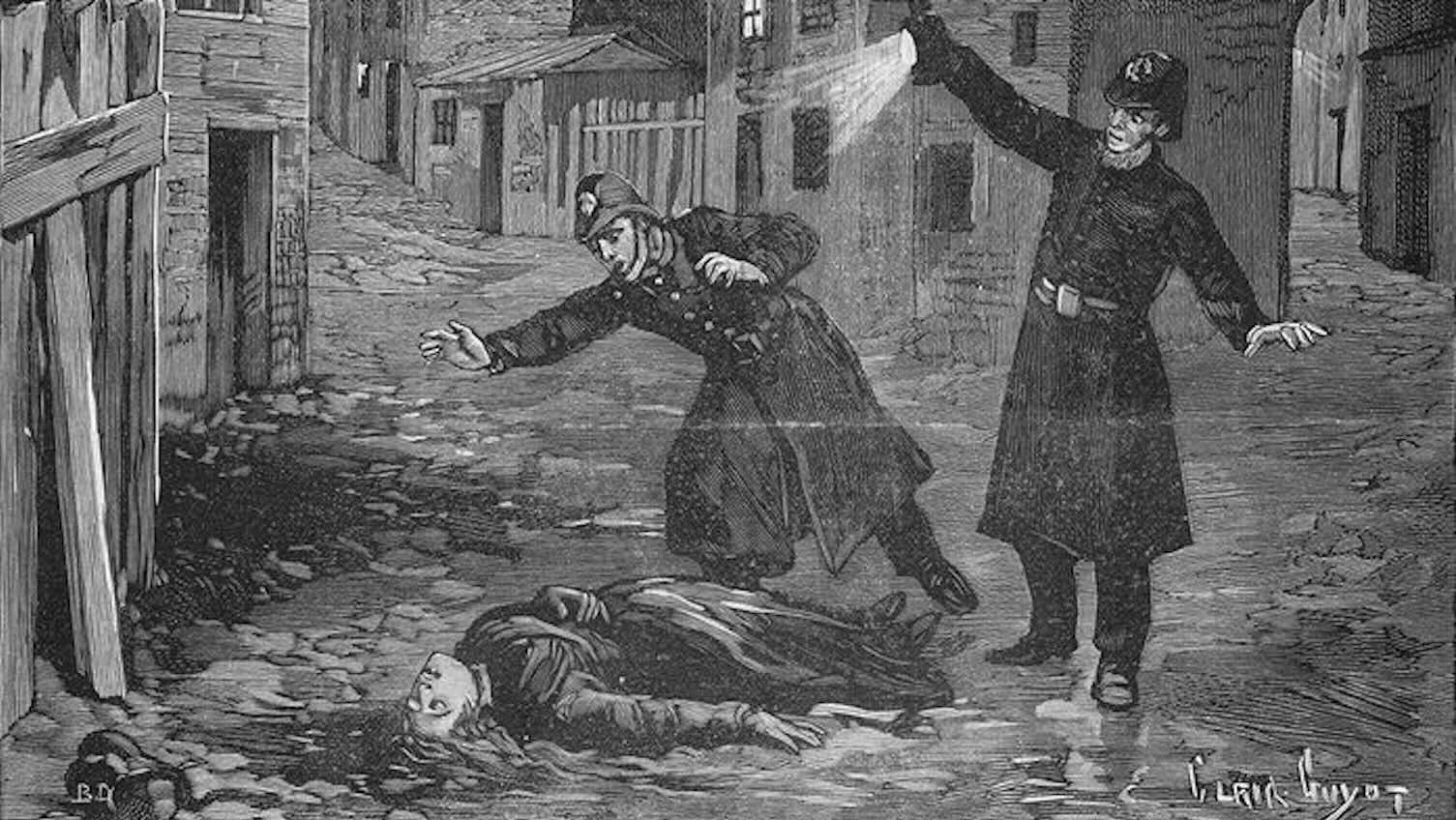
The identification of Aaron Kosminski as the perpetrator behind the Jack the Ripper murders remains one of the most contentious subjects in modern forensic history. The primary evidence centers on a shawl reportedly found at the scene of the Catherine Eddowes murder in 1888, which underwent mitochondrial DNA analysis to link genetic material to both the victim and Kosminski. However, the scientific validity of these findings is heavily debated due to concerns over sample contamination, the lack of a verifiable chain of custody, and the inherent limitations of using historical evidence for conclusive identification.
The Origins of the Kosminski Suspect Theory
The theory that Aaron Kosminski, a Polish immigrant and barber who resided in Whitechapel during the late 1880s, was Jack the Ripper is not new. He was named as a prime suspect in the internal police reports of the era, notably by Sir Robert Anderson and Chief Inspector Donald Swanson. Kosminski suffered from severe mental health issues and was eventually committed to Colney Hatch Lunatic Asylum, where he remained until his death.
For decades, his inclusion on the list of suspects was purely circumstantial. He fit the demographic profile constructed by investigators at the time—a marginalized, troubled individual living in the immediate vicinity of the atrocities. However, it was not until the acquisition of a specific physical artifact—the shawl—that the theory shifted from anecdotal police suspicion to a claim rooted in forensic science.
The Shawl: Provenance and Chain of Custody
The central pivot of the modern forensic argument is a silk shawl purportedly recovered from the site of Catherine Eddowes's death on September 30, 1888. According to the narrative provided by businessman Russell Edwards, who purchased the item at an auction in 2007, the shawl was removed from the scene by Acting Sergeant Amos Simpson.
The chain of custody regarding this item is the first point of contention for skeptical researchers. There is no contemporary record in the Metropolitan Police files of such an item being logged as evidence in the Eddowes murder. The jump from a crime scene in 1888 to a private collection over a century later lacks the rigorous documentation required to ensure the item has not been subjected to cross-contamination or fraudulent tampering. In forensic science, the absence of a documented, unbroken chain of custody renders any biological material recovered from an artifact highly suspect, as it is impossible to verify whether the material was deposited during the commission of the crime or at any point during its subsequent storage.
Forensic Methodology and DNA Analysis
In 2014 and later in expanded analyses, Dr. Jari Louhelainen utilized mitochondrial DNA (mtDNA) profiling to compare genetic material recovered from the shawl against descendants of both Catherine Eddowes and Aaron Kosminski.
Mitochondrial DNA Limitations
Mitochondrial DNA is inherited maternally and is used to identify common ancestry rather than a unique genetic fingerprint. Unlike nuclear DNA, which can definitively distinguish between two individuals, mtDNA is shared by all people along a specific maternal line. Therefore, if a match is found, it confirms that the biological material belongs to someone within that specific lineage, not necessarily the individual suspect.
Contamination Risks
The shawl is not a sealed medical sample. It is a textile that has been handled, displayed, and stored for over 130 years. Without stringent environmental controls, the risk of "background DNA"—genetic material transferred by any of the dozens of individuals who may have touched the item over the last century—is extremely high. Critics argue that the "match" found on the shawl could be the result of modern contamination rather than 19th-century crime scene contact.
Comparative Analysis of Evidence and Skepticism
| Evidence Aspect | Claimed Status | Expert/Skeptical Counterpoint |
|---|---|---|
| Chain of Custody | Recovered by A.S. Amos Simpson | No official police record of the item exists. |
| DNA Type | Mitochondrial (mtDNA) | Cannot provide a unique individual match. |
| Sample Quality | Preserved on shawl fibers | High risk of environmental degradation and contamination. |
| Verification | Peer-reviewed by specific labs | Methodology widely criticized for lack of comparative control samples. |
The Ongoing Debate: Science vs. Speculation
The debate surrounding the Kosminski findings represents a fundamental divide in historical research. Proponents of the theory argue that the convergence of police suspicion and matching genetic markers is too significant to be a coincidence. They assert that the probability of the genetic markers matching both the suspect's and victim's descendants by pure chance is statistically negligible.
Conversely, the scientific and historical community remains largely unconvinced. The primary objection is the "garbage in, garbage out" principle of forensic analysis. If the initial sample (the shawl) is not confirmed as a legitimate artifact of the 1888 crime, any scientific test performed on it—regardless of how advanced the laboratory equipment—is essentially testing a false premise. Furthermore, the lack of transparency in the original reporting of these findings led to significant professional criticism, specifically regarding the handling of the genetic data.
The Role of Historical Context in Forensic Identification
Identifying a serial killer from the 19th century using 21st-century technology faces the "temporal gap" problem. Forensic science is designed for modern criminal justice, where protocols, chain-of-custody logs, and sterile environments are the standard. Applying these tools to a relic like the shawl requires an assumption that the item was perfectly preserved for 119 years before its 2007 purchase.
Historians also point out that the Whitechapel murders were surrounded by significant public interest and amateur investigation. The possibility that the shawl was contaminated by spectators, police officers, or private individuals shortly after the murder is high. Even if the DNA found is authentic, there is no proof that it was deposited by the killer rather than by a bystander or even the victim herself through incidental contact.
Frequently Asked Questions
Can DNA definitively prove who Jack the Ripper was?
No. DNA can only suggest a link between a sample and an individual's maternal line. It cannot account for the circumstances under which the DNA was deposited, especially when dealing with historical artifacts that have not been kept in a controlled environment.
Why is mitochondrial DNA used instead of nuclear DNA?
Mitochondrial DNA is more abundant in degraded samples because each cell contains hundreds to thousands of mitochondria. However, it provides much less discriminatory power than nuclear DNA, which is rarely extractable from aged, contaminated textile samples.
Was Aaron Kosminski definitively proven to be the killer?
No. The forensic evidence presented is considered inconclusive by the broader scientific community. While it places a match to his maternal line on a piece of fabric, it fails to meet the rigorous standard of proof required to resolve a criminal investigation.
What is the primary criticism of the 2014 study?
The primary criticism involves the lack of an official chain of custody for the shawl and the potential for modern sample contamination, which the study’s authors did not sufficiently address in their initial public disclosures.
Does the evidence resolve the "Jack the Ripper" mystery?
The mystery of the identity of Jack the Ripper remains unsolved. The forensic claims regarding Aaron Kosminski are viewed by most historians and forensic experts as speculative, failing to overcome the fundamental issues of provenance and contamination.
Conclusion: The Persistence of Mystery
As of 2026, the case against Aaron Kosminski serves as a cautionary tale regarding the application of modern technology to historical mysteries. While DNA analysis is a powerful tool, it is only as reliable as the evidence it examines. Without an authentic, verifiable link between the shawl and the Eddowes murder, the genetic findings remain a provocative curiosity rather than a historical fact. For those studying this period, the quest for the truth behind the Ripper murders continues, likely remaining a topic where historical context and forensic skepticism must weigh more heavily than any single piece of disputed physical evidence. The definitive identification of the Ripper remains elusive, serving as a reminder that history is often defined by what we cannot prove as much as by what we can.