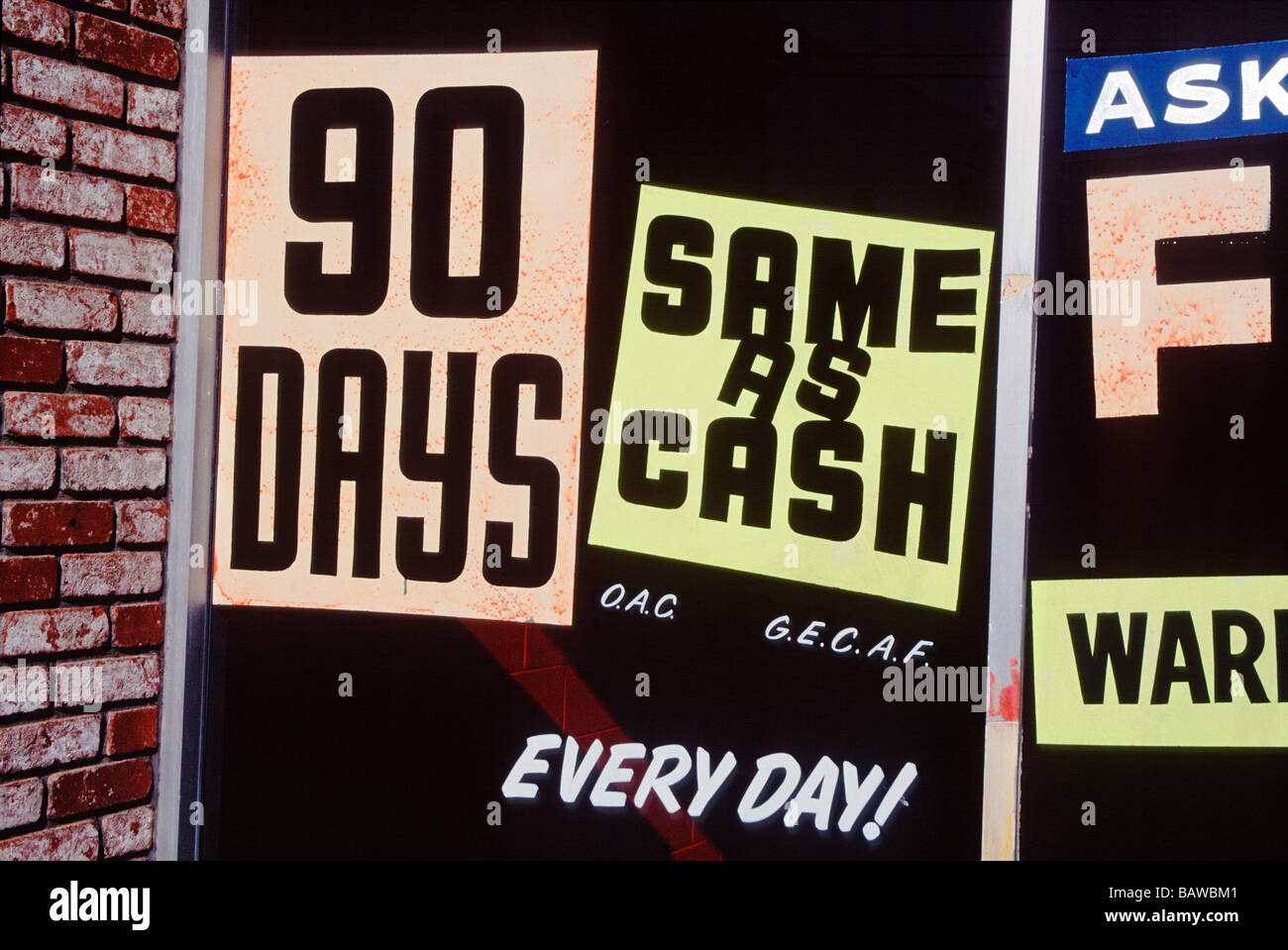
A 90 days same as cash offer is a promotional financing agreement where a consumer can purchase an item immediately and pay for it over three months without incurring interest charges. However, if the balance is not paid in full by the deadline, interest is typically back-dated to the original purchase date.
The "90 days same as cash" promotion is a staple of retail marketing, particularly in industries involving high-ticket items like furniture, appliances, and home electronics. While it appears straightforward, the underlying mechanics are governed by specific credit terms that can lead to significant financial costs if misunderstood. As we navigate the financial landscape of 2026, these offers remain popular, yet they require a disciplined approach to ensure the "same as cash" promise remains true.
Understanding the Mechanics of "Same as Cash"
At its core, a "90 days same as cash" offer is a form of deferred interest financing. Unlike a true 0% APR (Annual Percentage Rate) loan, where interest does not exist during the promotional period, deferred interest exists in a state of suspension. The lender tracks the interest from the moment you sign the contract, but they agree to waive it if—and only if—the entire principal balance is cleared within the 90-day window.
The Concept of Deferred Interest
The term "deferred" is the most critical word in the contract. From the perspective of the lender, the interest is accruing every day at a predetermined rate, often much higher than standard credit card rates. In 2026, it is common to see deferred interest rates ranging from 24.99% to 29.99%.
If you owe $1,000 and pay back $999 within the 90 days, you have failed to meet the "paid in full" requirement. In most contracts, this failure triggers the "deferred" interest to be applied to your account. Crucially, the interest is not just calculated on the remaining $1; it is calculated on the entire $1,000 original purchase price from the date of purchase. This is a significant distinction that catches many consumers off guard.
The Critical 90-Day Window
The 90-day period is usually defined as three billing cycles or 90 calendar days, depending on the lender's specific terms. It is essential to identify the exact expiration date. This date is rarely the same as the due date for your third monthly statement. Often, the promotional period ends a few days before the final payment is technically "due," meaning a payment made on the statement due date might arrive too late to trigger the interest waiver.
The Financial Risks: What Happens If You Miss the Deadline?
The primary risk of a 90-day same-as-cash offer is the "all-or-nothing" nature of the agreement. While the plan offers liquidity and flexibility, the penalties for non-compliance are severe.
Retroactive Interest Calculations
As mentioned, the hallmark of this financing is the retroactive application of interest. This is a legal practice in many jurisdictions, though it is heavily regulated under the Truth in Lending Act (TILA). Under these regulations, lenders must clearly disclose that interest will be charged from the date of purchase if the balance is not paid in full.
In 2026, financial transparency remains a priority for the Consumer Financial Protection Bureau (CFPB). Despite this, the burden of action lies with the consumer. If you fail to clear the balance, you may suddenly see a massive "interest charge" block appear on your statement on day 91, representing three months of accumulated debt service.
Default Interest Rates and Fees
In addition to the deferred interest, missing the deadline or making a late payment during the 90-day window can sometimes trigger a "default rate." Some contracts specify that if a single monthly payment is late by even one day, the promotional offer is voided immediately. At that point, the account reverts to a standard high-interest credit account, and the interest begins to compound normally, or worse, the deferred interest is applied immediately.
Comparing Financing Models
When shopping in 2026, you will likely encounter various ways to "buy now and pay later." It is important to distinguish between deferred interest, 0% APR, and standard revolving credit.
| Feature | 90 Days Same as Cash | 0% APR Credit Card | Standard Credit Card |
|---|---|---|---|
| Interest Treatment | Deferred (back-dated if not paid) | Waived (not charged during promo) | Accrues monthly |
| Typical Duration | 3 to 12 months | 6 to 21 months | Ongoing |
| Late Payment Penalty | Promo may be voided + late fee | Late fee + loss of promo rate | Late fee + penalty APR |
| Credit Requirement | Fair to Good | Good to Excellent | Fair to Good |
| Best Use Case | Large purchases with cash on hand | Long-term debt management | Small, monthly expenses |
Eligibility and Credit Requirements
Not every consumer qualifies for "same as cash" offers. Because these promotions are often managed by third-party lenders like Synchrony Bank, Wells Fargo, or specialized fintech firms, a credit check is almost always required.
- Credit Score Impact: Most traditional "90 days same as cash" offers involve a "hard pull" on your credit report. This can result in a temporary dip of 5 to 10 points in your credit score.
- Approval Odds: Lenders generally look for a credit score in the "Good" range (typically 670 or higher). However, some "no credit check" retailers offer 90-day plans that are actually lease-to-own agreements, which are significantly more expensive and operate under different legal frameworks.
- Debt-to-Income Ratio: Even with a high credit score, a lender may deny the promotion if your current debt-to-income (DTI) ratio is too high, as they want to ensure you have the cash flow to meet the 90-day payoff requirement.
How Retailers Benefit from These Offers
You might wonder why a store would let you take an item home today and pay for it later without charging interest. Retailers use 90-day same-as-cash offers as a psychological and financial tool.
- Increased Average Order Value (AOV): Consumers are more likely to upgrade to a more expensive model or add accessories when the immediate "hit" to their bank account is zero.
- Conversion Rates: The offer removes the primary barrier to purchase: the lack of immediate funds. This is especially effective for "emergency" purchases, such as a broken refrigerator or a failed HVAC system.
- The Probability of Failure: Statistically, a certain percentage of consumers will fail to pay the balance within 90 days. For the lender, these "failed" promotions are highly profitable due to the retroactive interest. Even if the consumer pays on time, the retailer usually pays a "merchant discount fee" to the lender to facilitate the loan, viewing it as a marketing cost.
Strategies to Manage a 90-Day Same as Cash Plan
To successfully navigate these offers without falling into the interest trap, you must treat the agreement with extreme discipline.
The "Day 80" Rule
Never aim for day 90. Banking systems, mail delays, and processing times can all cause a payment to be credited late. Aim to have the balance paid in full by day 80. This provides a 10-day buffer to resolve any issues, such as a returned check or an electronic transfer failure.
Automate and Overpay
If you purchase a $1,500 sofa on a 90-day plan, do not simply pay the "minimum amount due" shown on your statement. The minimum payment is designed to keep you in debt beyond the 90-day window. Instead, divide the total balance by 2.5. In this case, paying $600 a month for two months and the remaining $300 in the third month ensures you are finished well before the deadline.
Constant Verification
Confirm the payoff balance with the lender's customer service department around day 60. Ask specifically: "What is the exact amount I need to pay to satisfy the 'same as cash' promotion and avoid all deferred interest?" Keep a record of this conversation and the representative's name.
Alternatives to Deferred Interest Financing
If the risks of deferred interest seem too high, or if you aren't confident in your ability to pay the full amount in 90 days, consider these alternatives:
- 0% APR Credit Cards: Many credit cards offer a true 0% introductory APR for 12 to 18 months. Unlike same-as-cash offers, if you have a remaining balance after the promo ends, you are usually only charged interest on the remaining balance going forward, not the original total.
- Personal Loans: For very large purchases, a personal loan with a fixed interest rate and fixed monthly payments provides more predictability than a deferred interest credit line.
- Buy Now, Pay Later (BNPL): Services like Affirm or Klarna often offer "Pay in 4" plans which are interest-free and do not involve deferred interest. However, for larger purchases over 90 days, they may charge standard interest, so read the fine print.
- Savings: In 2026, with high-yield savings accounts offering competitive rates, saving the cash beforehand not only avoids debt but allows you to earn interest rather than risking a payment to a lender.
FAQs about 90 Days Same as Cash
Does "90 days same as cash" hurt my credit score?
Applying for the offer usually involves a hard credit inquiry, which can cause a small, temporary drop in your score. Furthermore, the new line of credit will affect your credit utilization ratio. If you finance a $2,000 purchase on a new $2,000 credit line, your utilization for that account is 100%, which can negatively impact your score until the balance is paid down.
Can I pay off the balance early?
Yes. There are no prepayment penalties for same-as-cash offers. Paying early is the best way to ensure you don't trigger the deferred interest. Most lenders provide an online portal where you can make multiple payments or one lump sum at any time during the 90-day window.
What if I pay almost all of it, but have a small balance left?
If you have even $0.01 left on the balance when the 90-day clock expires, the lender is legally entitled to charge you the full amount of deferred interest based on the original purchase price. There is no "pro-rated" interest in a deferred interest agreement.
Is the minimum payment enough to pay off the balance in 90 days?
Almost never. Monthly "minimum payments" on credit statements are typically calculated as a small percentage of the balance (e.g., 2-3%). If you only pay the minimum, you will still owe a significant portion of the principal at the end of the 90 days, triggering the retroactive interest. You must manually calculate a higher payment to clear the debt in time.
Are there hidden fees?
While the interest may be 0%, some lenders charge an "origination fee" or an "administrative fee" at the time of purchase. Additionally, if you miss a monthly payment, you will be hit with a late fee, which in 2026 typically ranges from $25 to $40. These fees are not waived even if you pay the principal within 90 days.
Practical Recommendation
Before signing a "90 days same as cash" agreement, verify that you have a guaranteed source of income or savings to cover the total amount within 75 to 80 days. Use this financing as a tool for cash-flow management—allowing your money to stay in your own interest-bearing account for a few extra months—rather than as a way to buy something you cannot afford. If there is any doubt about your ability to pay the full balance, seek a true 0% APR credit card or wait until you can pay with actual cash.