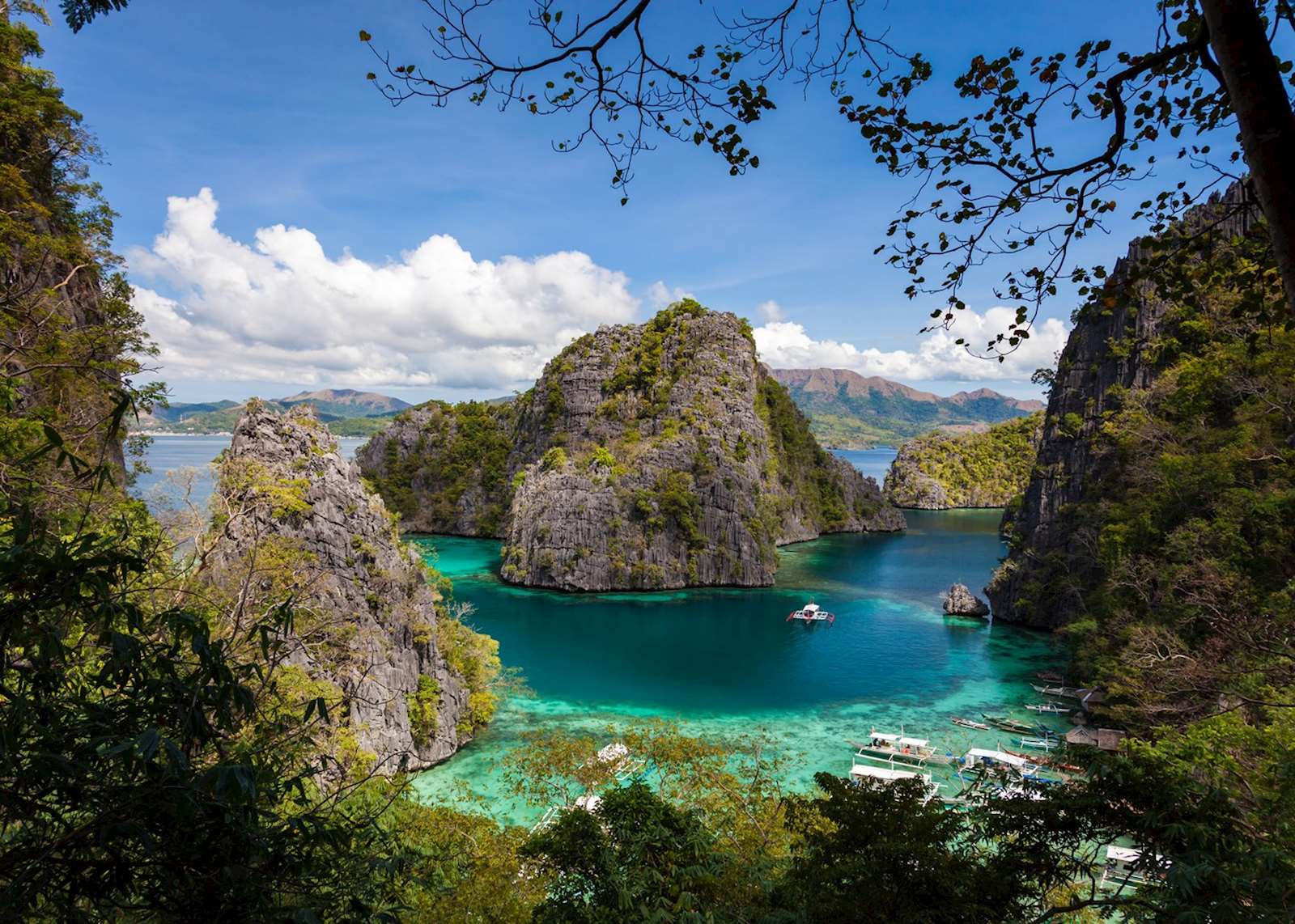
The 7 Wonders of the Philippines represent a curated collection of the nation’s most significant geological, biological, and cultural heritage sites. These landmarks serve as the primary pillars of the country's sustainable tourism strategy, highlighting areas of exceptional biodiversity, historical complexity, and natural engineering that require focused conservation efforts and strategic management for visitors in 2026.
Understanding the Status of Philippine Wonders
The identification of the "7 Wonders" in the Philippines often draws from a variety of sources, including national surveys conducted by the Department of Tourism (DOT) and various environmental heritage campaigns. While there is no single, legally binding list codified in the Philippine Constitution, the following sites are widely recognized by the scientific community and international bodies like UNESCO as the most vital representations of the archipelago’s natural and historical grandeur.
For the traveler and the researcher, these seven locations are not merely tourist destinations; they are protected ecological zones and historical repositories. Navigating them requires an understanding of regional logistics, environmental permits, and the seasonal weather patterns that define the Philippine tropical climate.
1. The Tubbataha Reefs Natural Park
Located in the heart of the Sulu Sea, this UNESCO World Heritage Site is arguably the most pristine marine sanctuary in the archipelago. It consists of two massive atolls and the smaller Jessie Beazley Reef.
- Ecological Significance: The park supports a staggering density of marine life, serving as a critical nursery for sharks, rays, and pelagic fish.
- Logistics for Visitors: Access is restricted to liveaboard diving vessels departing from Puerto Princesa, Palawan. Because the reef is remote, expeditions typically last 5 to 7 days.
- Regulatory Status: Strict "no-take" policies are enforced by the Tubbataha Management Office. Entry requires advance booking, often months ahead, as capacity is capped to maintain biological equilibrium.
2. The Rice Terraces of the Philippine Cordilleras
Carved into the mountains of Ifugao over 2,000 years ago by the ancestors of the indigenous people, these terraces represent a harmonious blend of human ingenuity and rugged topography.
- Engineering Marvels: The terraces utilize an ancient irrigation system that taps into mountain springs and watersheds. They are a testament to the sustainable agricultural practices of the Ifugao people.
- Key Sites: While the Banaue Rice Terraces are the most famous, the clusters in Batad, Bangaan, Hungduan, Mayoyao, and Nagacadan are the specific areas designated as UNESCO World Heritage sites.
- Visiting Strategy: Reachable by bus from Manila to Banaue (approximately 9–10 hours). Hiking is the primary mode of exploration, and visitors are encouraged to hire local guides to navigate the complex trail systems and respect indigenous customs.
3. The Puerto Princesa Subterranean River National Park
This site features an 8.2-kilometer navigable underground river that flows directly into the sea. The cave system is renowned for its impressive stalactite and stalagmite formations and a unique ecosystem.
- Technical Specifications: The river runs through a massive limestone karst mountain. The park includes a "mountain-to-sea" ecosystem, making it a critical site for global biodiversity research.
- Management: The park is heavily regulated, with a daily visitor quota based on environmental impact assessments. Permits must be secured through the Puerto Princesa City government.
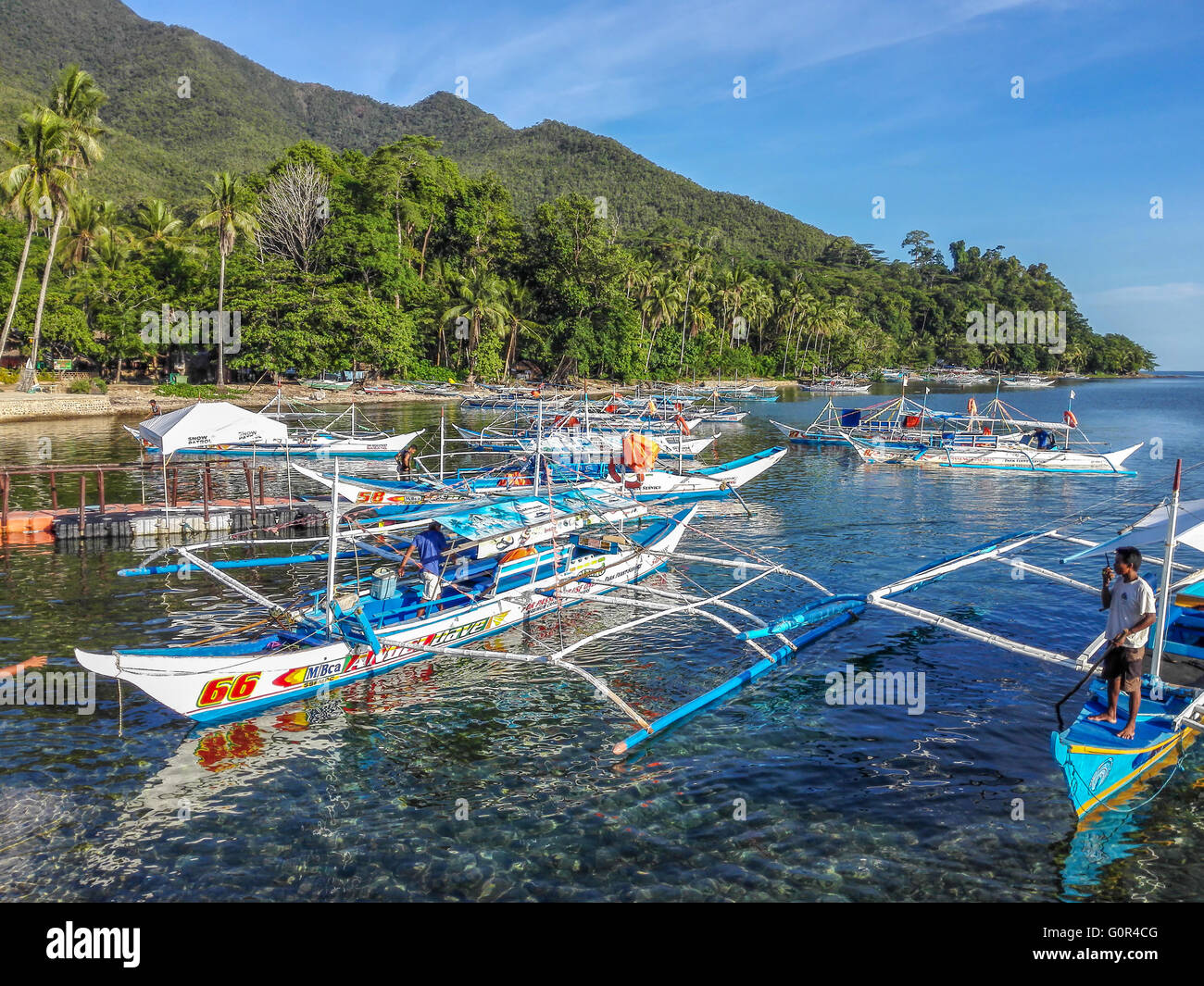
- Safety: Visitors are transported by outrigger boats to the cave mouth, then transferred to paddleboats for the tour. Life vests are mandatory, and strict noise control is maintained to protect the cave's resident bat and swiftlet populations.
4. Mayon Volcano
Renowned for its "perfect cone" shape, Mayon Volcano is an active stratovolcano located in the province of Albay. It is a focal point of geological study due to its frequent eruptive history.
- Geological Context: Mayon is the most active volcano in the Philippines. Its symmetrical cone is formed by layers of lava and pyroclastic debris.
- Adventure Tourism: Climbing Mayon is a high-risk activity due to volcanic activity. As of 2026, the Philippine Institute of Volcanology and Seismology (PHIVOLCS) maintains strict exclusion zones. Always check current alert levels before planning any approach.
- Viewing: Most travelers opt for viewing platforms in Cagsawa Ruins or local trekking trails that remain within safe distance limits.
5. Chocolate Hills
The Chocolate Hills in Bohol comprise over 1,200 symmetrical mounds spread across an area of more than 50 square kilometers. During the dry season, the grass covering these limestone hills turns brown, resembling rows of chocolate truffles.
- Geological Origin: Experts believe these formations are the result of marine limestone deposition and subsequent erosion caused by rain and groundwater.
- Strategic Access: The main viewing deck is located in Carmen, Bohol. It is easily accessible via day tours from Tagbilaran City.
- Sustainability: The area is protected, and development is strictly limited to prevent landscape degradation. Visitors are strictly prohibited from climbing the hills in protected zones to prevent erosion.
6. The Vigan Heritage Village
Unlike the natural wonders on this list, Vigan represents a cultural and architectural marvel. It is one of the few surviving Hispanic towns in the Philippines, dating back to the 16th century.
- Architectural Style: The streets of Calle Crisologo feature a unique blend of Philippine, Oriental, and European building designs. The structures are characterized by thick brick walls, red-tiled roofs, and capiz-shell windows.
- Historical Preservation: The city serves as an open-air museum. Strict ordinances regulate the renovation and maintenance of these ancestral houses to preserve their colonial-era aesthetic.
- Visitor Experience: This is a pedestrian-friendly site. Kalesa (horse-drawn carriage) tours are the traditional way to navigate the narrow cobblestone streets.
7. Mount Hamiguitan Range Wildlife Sanctuary
Located in Davao Oriental, this site was the last of the Philippine wonders to gain global recognition as a UNESCO World Heritage site. It is most famous for its "pygmy forest," where century-old trees have adapted to stunted growth due to the highly acidic soil.
- Biodiversity: The range acts as a sanctuary for many endemic species of flora and fauna, including the Philippine Eagle and the Philippine Cockatoo.
- Research and Access: This site is primarily for serious trekkers and biologists. Permits from the local government unit and the Department of Environment and Natural Resources (DENR) are essential for entry.
- Environment: The high altitude and unique microclimate make this a sensitive area that requires strict adherence to "Leave No Trace" principles.
Comparison of Key Features and Requirements
To effectively plan a journey to these sites, consider the following logistical breakdown:
| Site | Location | Primary Activity | Access Requirement |
|---|---|---|---|
| Tubbataha Reefs | Palawan | Scuba Diving | Liveaboard booking (months ahead) |
| Rice Terraces | Ifugao | Trekking | Bus/Land travel, local guides |
| Underground River | Palawan | Boat Tour | Permit & advance slot reservation |
| Mayon Volcano | Albay | Sightseeing | Check PHIVOLCS status/safety zones |
| Chocolate Hills | Bohol | Sightseeing | Accessible via car/tour from Tagbilaran |
| Vigan Heritage | Ilocos Sur | Cultural Walk | Open access, pedestrian friendly |
| Mt. Hamiguitan | Davao | Trekking | DENR/LGU permit required |
Frequently Asked Questions
1. Is it possible to visit all 7 wonders in one trip? It is physically impossible to visit all seven within a standard vacation duration. They are spread across the three main island groups (Luzon, Visayas, and Mindanao). A logical regional approach—focusing on the Northern Luzon circuit, the Central Visayas cluster, or the Mindanao range—is recommended.
2. Do I need special permits for these locations? Yes, particularly for Tubbataha Reefs, the Underground River, and Mount Hamiguitan. These areas are strictly managed to preserve their ecological status. Always verify current entry requirements with the respective local tourism or environmental offices at least two months prior to your departure.
3. What is the best time of year to visit? The dry season in the Philippines typically spans from December to May. This period offers the best weather for trekking the Cordilleras and accessing the marine sanctuaries in Sulu. Always monitor tropical cyclone advisories, as weather patterns can change rapidly even during the dry season.
4. Are these sites suitable for children or seniors? Sites like the Vigan Heritage Village and the Chocolate Hills viewing deck are generally accessible for all ages. However, sites requiring significant trekking (Rice Terraces, Mount Hamiguitan) or extended marine travel (Tubbataha) require high physical fitness and may not be suitable for young children or those with mobility issues.
5. How do I contribute to the preservation of these wonders? The most effective way to help is to adhere to "Leave No Trace" principles. Do not remove any geological or biological material, avoid single-use plastics, and respect local indigenous community guidelines. Supporting local businesses and hiring certified local guides directly contributes to the economic incentives for the communities to protect these sites.
Final Recommendation for Travelers
If you are planning an itinerary for 2026, prioritize the sites based on your specific travel goals. For marine enthusiasts, the Tubbataha Reefs are non-negotiable but require the most complex logistical preparation. For those interested in cultural and historical depth, the combination of the Vigan Heritage Village and the Ifugao Rice Terraces provides a profound look into the nation’s past. Regardless of your choice, ensure you verify the current operational status of each site through official government portals before finalizing your bookings.