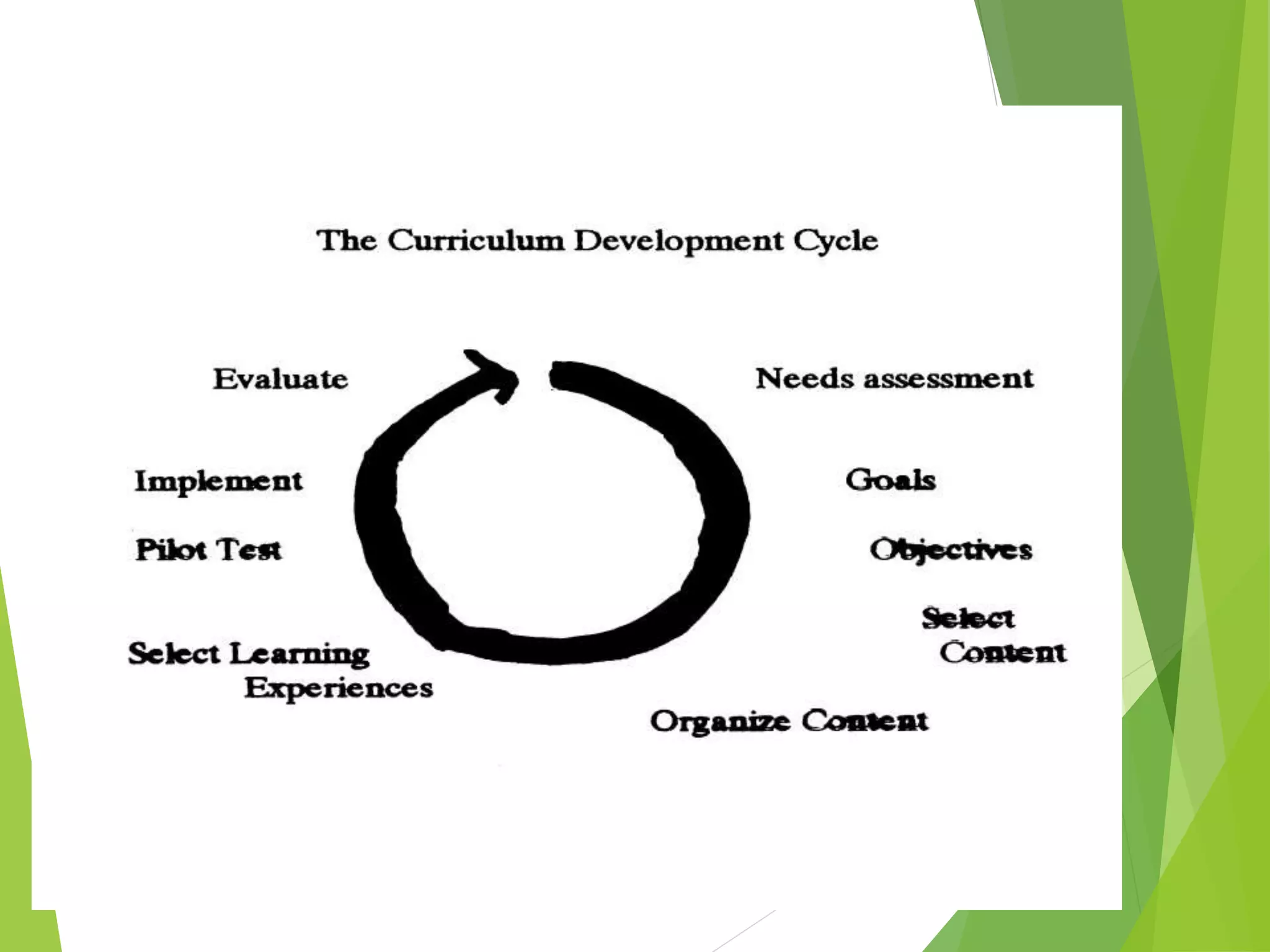
The 7 CD curriculum design framework provides educators, instructional designers, and program directors with a structured methodology for building, refining, and evaluating educational courses. By moving through seven distinct phases—Conceptualization, Contextualization, Construction, Collaboration, Customization, Communication, and Continuous Evaluation—teams can construct coherent learning journeys that align pedagogical goals with measurable student outcomes.
Introduction to the 7 CD Framework
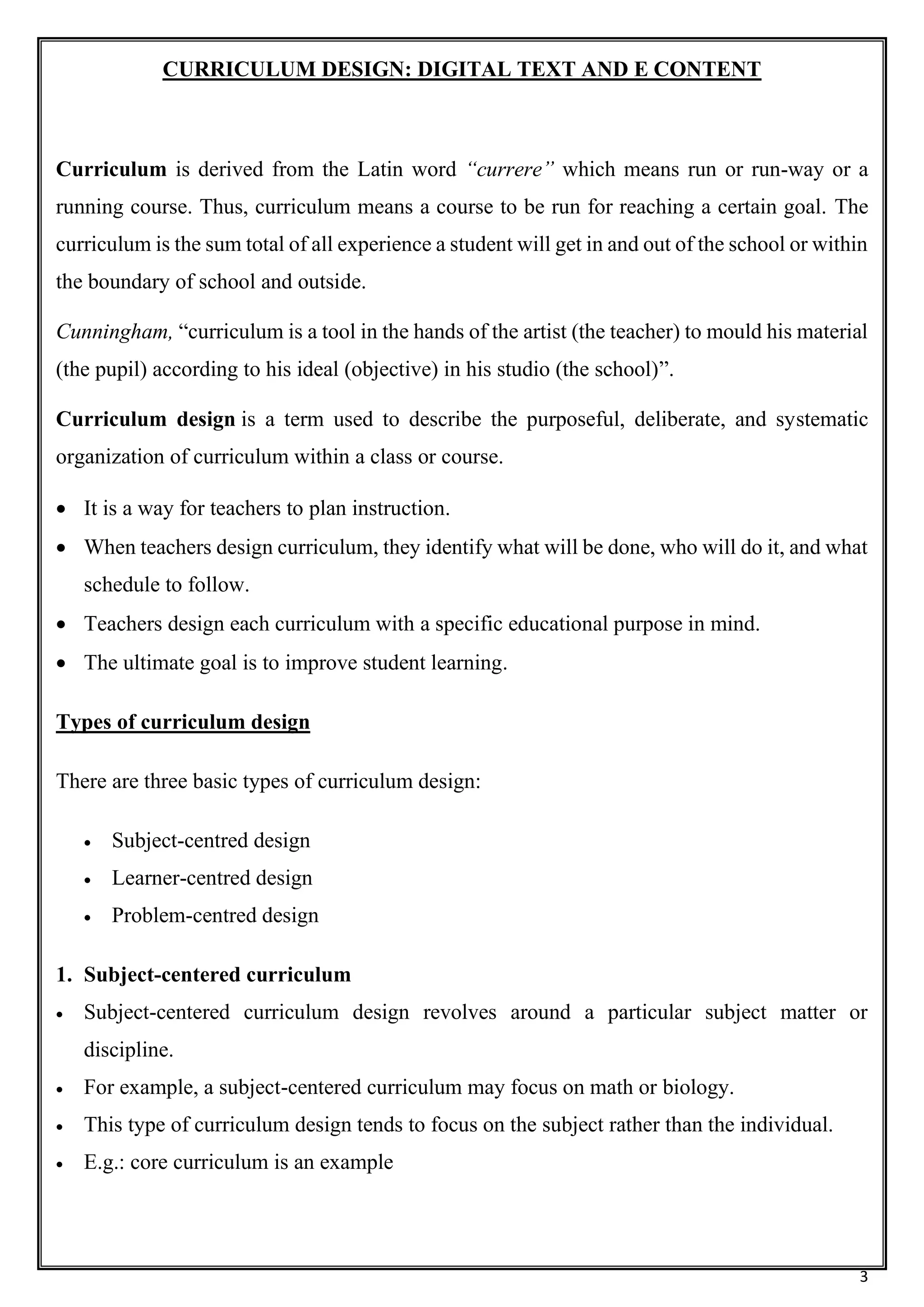
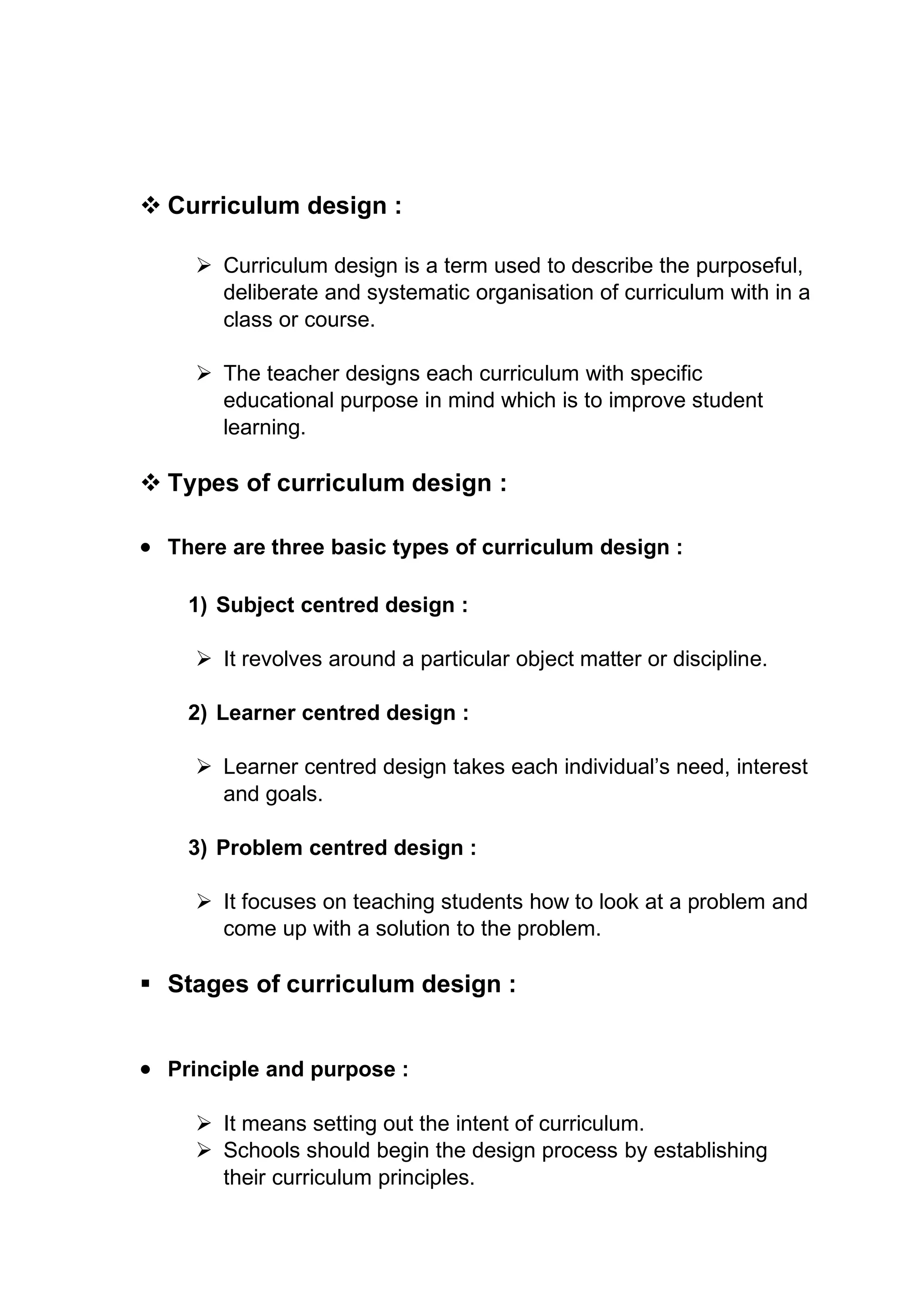
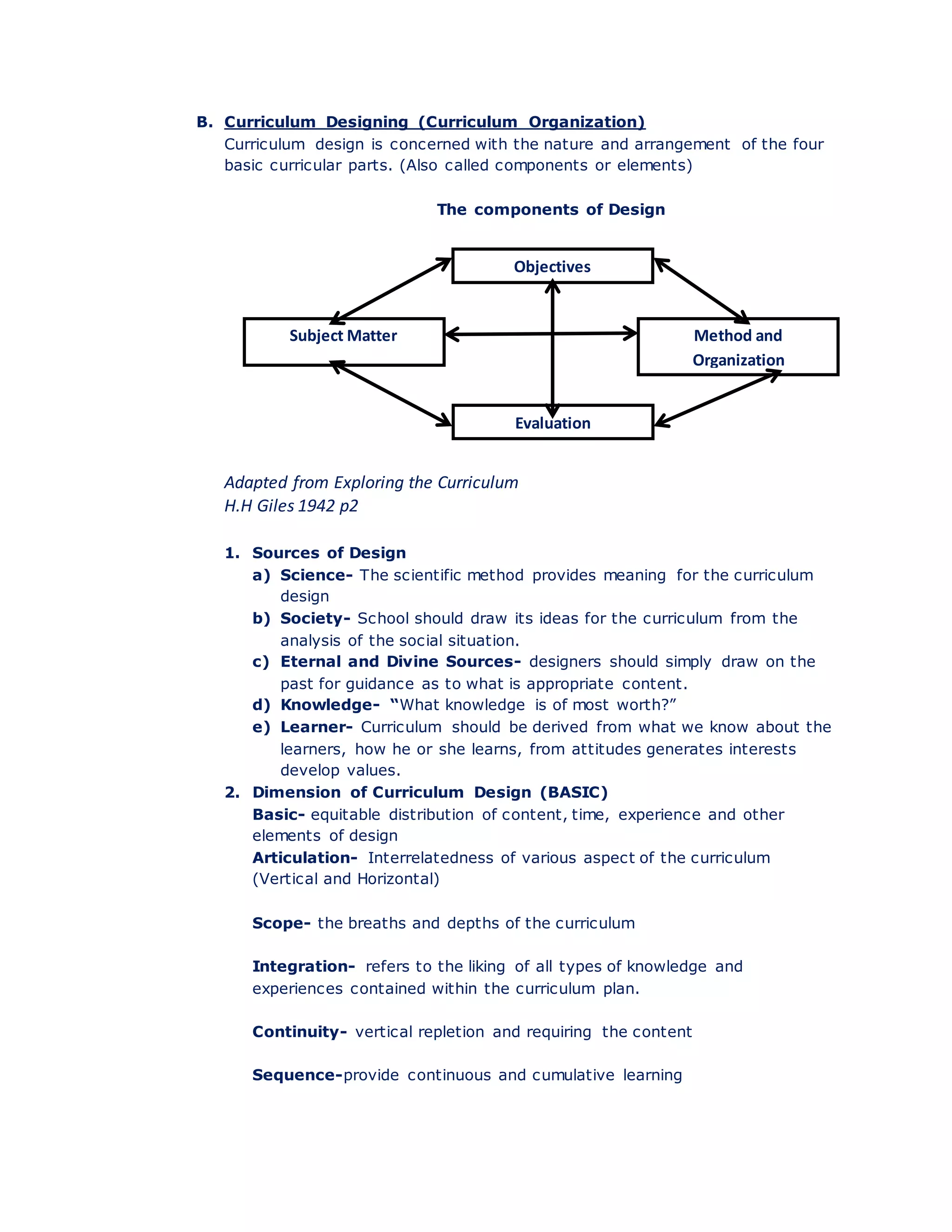
Instructional design models have long served as the architectural blueprints for effective learning environments. Among modern adaptations, the 7 CD curriculum design model has emerged as a comprehensive approach that addresses both the macro-level structure of academic programs and the micro-level delivery of individual lessons. Educational institutions face mounting pressure to deliver flexible, outcomes-driven, and engaging instruction across digital, blended, and traditional face-to-face modalities. Traditional linear models often fall short when addressing the dynamic requirements of modern learners. The 7 CD framework resolves this by embedding iterative feedback loops, stakeholder collaboration, and contextual adaptability directly into the curriculum development life cycle.
At its core, this framework breaks curriculum creation into seven sequential yet interconnected phases, each beginning with the letter "C." This mnemonically driven structure ensures that course developers do not overlook foundational elements such as institutional context, learner demographics, or ongoing assessment metrics. Whether designing a single professional development module or an entire degree program, utilizing this approach minimizes gaps in the syllabus, reduces structural redundancies, and maximizes student engagement.
Phase 1: Conceptualization and Core Objectives
The foundation of any successful curriculum lies in a rigorous conceptualization phase. Before writing a single lesson plan or selecting a textbook, designers must articulate the fundamental purpose of the course and establish clear, measurable learning objectives.
Defining Purpose and Scope
Conceptualization begins with identifying the primary problem the curriculum aims to solve or the specific skill gap it seeks to close. Course developers must answer several foundational questions:
- What are the overarching goals of the educational offering?
- How does this curriculum align with institutional priorities or industry standards?
- What level of prior knowledge is assumed, and what will learners be able to do upon completion?
During this stage, developers draft high-level competency statements using taxonomies such as Bloom's Taxonomy, ensuring a healthy balance between foundational recall, critical thinking, and applied practical skills. By establishing clear boundaries for the scope of the course, instructional designers prevent scope creep and maintain focus on essential competencies.
Phase 2: Contextualization and Learner Analysis
A curriculum cannot exist in a vacuum. The second phase, Contextualization, requires a deep dive into the environment where learning will take place and the specific characteristics of the target audience.
Understanding the Learner Demographic
Instructional designers must analyze their audience's baseline knowledge, professional backgrounds, technological proficiency, and learning preferences. For instance, adult working professionals enrolled in a hybrid certificate program require different structural accommodations than traditional undergraduate students in a residential lecture hall.
Environmental and Institutional Constraints
Contextualization also involves evaluating logistical realities, including:
- Available technological infrastructure (e.g., Learning Management System capabilities, bandwidth availability).
- Time constraints, such as term lengths, credit-hour allocations, and synchronous versus asynchronous pacing.
- Regulatory or accreditation requirements that dictate mandatory content or assessment methods.
Failing to contextualize a curriculum often results in high attrition rates and disengagement, as learners may find the material either too elementary, overly burdensome, or disconnected from their real-world needs.
Phase 3: Construction of Content and Assessments
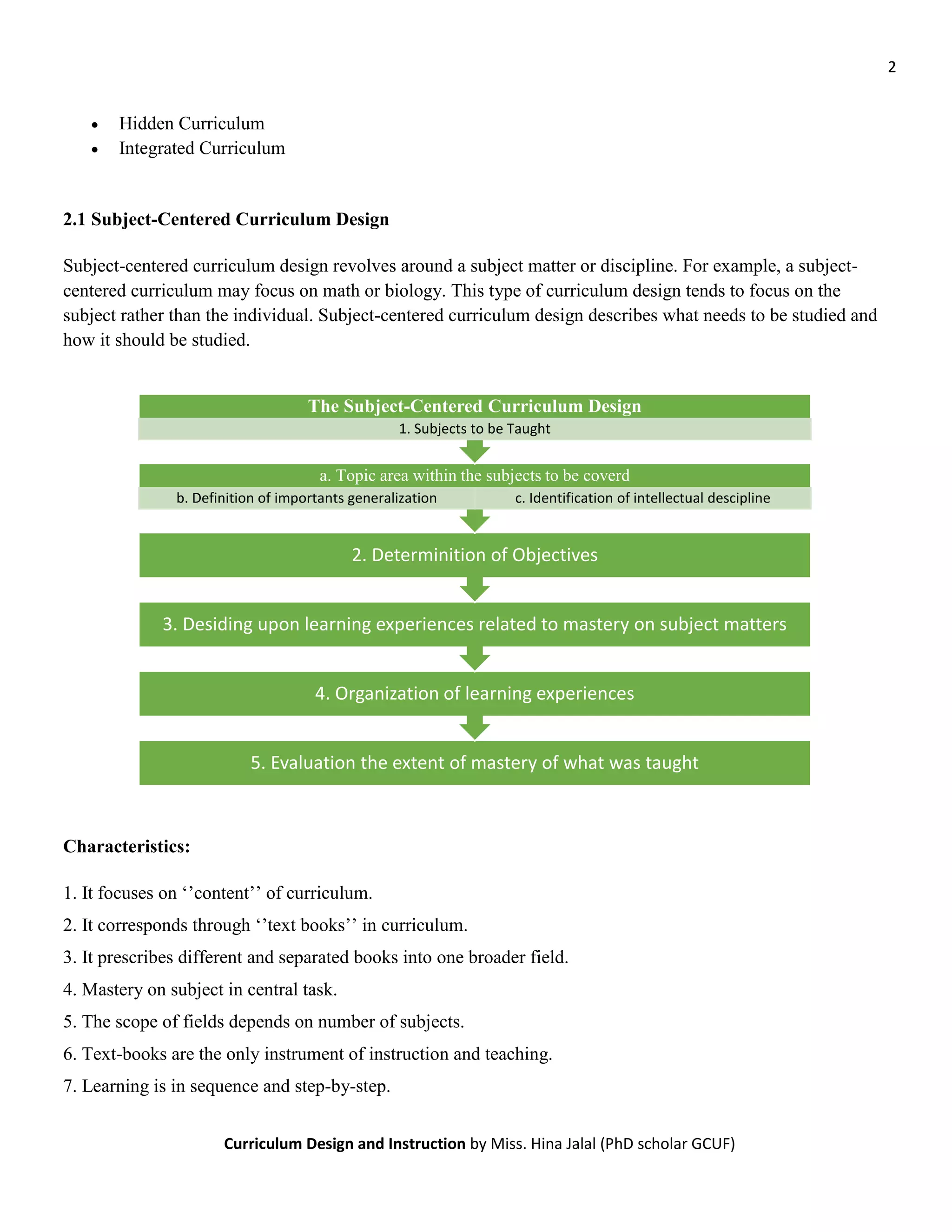
Once the conceptual boundaries and contextual constraints are established, the actual building process begins. Construction involves developing the learning materials, activities, readings, and assessments that will guide students toward the established objectives.
Constructive Alignment
A vital principle during the construction phase is constructive alignment, ensuring a seamless connection among learning objectives, instructional activities, and assessment tasks. If an objective states that students must be able to design a database, the learning activities must provide practice in database design, and the assessment must require the student to successfully build one.
Integrating Formative and Summative Assessments
Effective curriculum design balances two primary assessment modalities:
- Formative Assessments: Low-stakes quizzes, discussion prompts, reflection journals, and drafts that provide ongoing feedback during the learning process.
- Summative Assessments: High-stakes projects, examinations, portfolios, or capstone presentations that measure cumulative mastery of the course objectives.
| Assessment Type | Primary Purpose | Timing | Typical Impact on Grade |
|---|---|---|---|
| Formative | Monitor learning progress and provide guidance | Ongoing throughout the module | Low or zero-stakes |
| Summative | Evaluate comprehensive mastery of outcomes | End of a unit, term, or program | High-stakes |
| Diagnostic | Identify baseline knowledge and skill gaps | Prior to course commencement | None (informational) |
Phase 4: Collaboration and Interdisciplinary Integration
Modern education rarely occurs in isolation. The fourth phase emphasizes Collaboration, encouraging educators, subject-matter experts, instructional designers, and industry stakeholders to co-create and review the curriculum.
Breaking Down Silos
Traditional course design often suffers from faculty isolation, where a single instructor designs and teaches a course without external peer review. The 7 CD model mandates collaborative touchpoints where:
- Subject-matter experts ensure factual accuracy and modern industry relevance.
- Instructional designers optimize digital pedagogy, accessibility standards, and user experience.
- Industry partners review competency frameworks to ensure workforce readiness.
Furthermore, interdisciplinary collaboration helps integrate cross-cutting themes—such as ethical reasoning, data literacy, and cultural competency—across multiple modules, enriching the overall learning experience.
Phase 5: Customization and Differentiation
Every cohort of learners is unique, and individual students within those cohorts possess diverse learning needs, paces, and accessibility requirements. The fifth phase, Customization, focuses on tailoring the curriculum to support inclusive and accessible education.
Universal Design for Learning (UDL)
Applying the principles of Universal Design for Learning during this phase ensures that the curriculum provides:
- Multiple means of engagement: Offering choices in project topics or discussion formats to spark motivation.
- Multiple means of representation: Presenting information through text, video, audio, and interactive graphics to accommodate various perceptual strengths.
- Multiple means of action and expression: Allowing students to demonstrate mastery through written papers, oral presentations, or multimedia portfolios.
Customization also involves building pathways for remediation and acceleration, allowing struggling learners to access foundational support while giving advanced learners opportunities for deeper exploration.
Phase 6: Communication and Implementation
A brilliantly designed curriculum will fail if its structure, expectations, and navigation are opaque to the students and instructors utilizing it. Phase six governs Communication and the operational rollout of the educational program.
Transparent Syllabus and Navigation
Clear communication begins with the course syllabus, which must explicitly state:
- Detailed grade weighting policies and rubrics for all assessments.
- Weekly schedules with explicit deadlines and time-on-task expectations.
- Communication protocols, office hours, and expected turnaround times for instructor feedback.
In digital learning environments, communication extends to the layout and user interface of the Learning Management System (LMS). Modules must feature intuitive naming conventions, clear signposts, and accessible links, ensuring that students spend their cognitive energy mastering the content rather than searching for assignments.
Phase 7: Continuous Evaluation and Iteration
The final phase of the 7 CD model recognizes that a curriculum is a living document. Continuous Evaluation ensures that the educational offering evolves in response to emerging research, technological advancements, and learner feedback.
Data-Driven Refinement
Instructional teams must systematically collect and analyze multiple streams of evaluative data:
- Student Evaluations of Teaching (SET): Qualitative and quantitative feedback regarding course clarity, workload, and instructor responsiveness.
- Learning Analytics: LMS data tracking where students spend time, which assessment questions exhibit high failure rates, and where bottlenecks occur.
- Outcome Attainment Data: Longitudinal tracking of how well current graduates perform in subsequent courses or in the job market.
By conducting annual reviews based on these metrics, institutions can prune outdated readings, refine ambiguous assessment prompts, and incorporate new industry tools without having to rebuild the entire curriculum from scratch.
Comparative Overview of Curriculum Design Frameworks
To better understand where the 7 CD model fits within the broader landscape of instructional design, it is helpful to compare it with other established methodologies.
| Framework | Core Focus | Primary Strength | Ideal Use Case |
|---|---|---|---|
| ADDIE | Analysis, Design, Development, Implementation, Evaluation | Linear, systematic progression | Corporate training and structured instructional design |
| Backward Design | Starting with desired results before selecting content | Strong alignment between goals and assessments | K-12 and higher education course planning |
| 7 CD Model | Comprehensive seven-phase iterative integration | Balanced emphasis on context, collaboration, and continuous iteration | Complex multidisciplinary programs and digital/blended learning |
Frequently Asked Questions
What does the "7 CD" acronym stand for in curriculum design?
The 7 CD framework stands for seven sequential and interconnected phases: Conceptualization, Contextualization, Construction, Collaboration, Customization, Communication, and Continuous Evaluation. Each phase guides educators through a specific stage of building, delivering, and refining an educational program.
How does the 7 CD model differ from traditional ADDIE?
While ADDIE provides a general linear process for instructional systems development, the 7 CD model places explicit emphasis on interdisciplinary collaboration, contextual adaptability, and continuous iterative improvement. It integrates modern considerations such as universal design for learning and digital accessibility directly into its core phases.
Is the 7 CD framework suitable for online and blended courses?
Yes. The emphasis on contextualization and communication makes the 7 CD framework exceptionally well-suited for online, hybrid, and blended learning environments. It prompts designers to evaluate technological infrastructure and digital user experience explicitly during the planning stages.
Who should be involved in the 7 CD curriculum design process?
An ideal curriculum development team includes instructional designers, subject-matter experts, faculty members who will teach the course, administrative or accreditation liaisons, and, where possible, industry representatives or student alumni advisors.
How often should a curriculum designed with this model be evaluated?
A formal evaluation should occur at least annually, typically at the conclusion of an academic year or term cycle. However, minor adjustments based on formative feedback from students can be implemented in real time during course delivery.
Next Steps for Implementation
Implementing the 7 CD curriculum design framework begins with an institutional audit of existing course offerings. Program directors should assemble a cross-functional design team and review current syllabi against the seven core phases. By identifying which phases—such as formal collaboration or structured continuous evaluation—are currently underdeveloped, institutions can target their faculty development efforts and build more resilient, engaging, and effective learning experiences for all students.