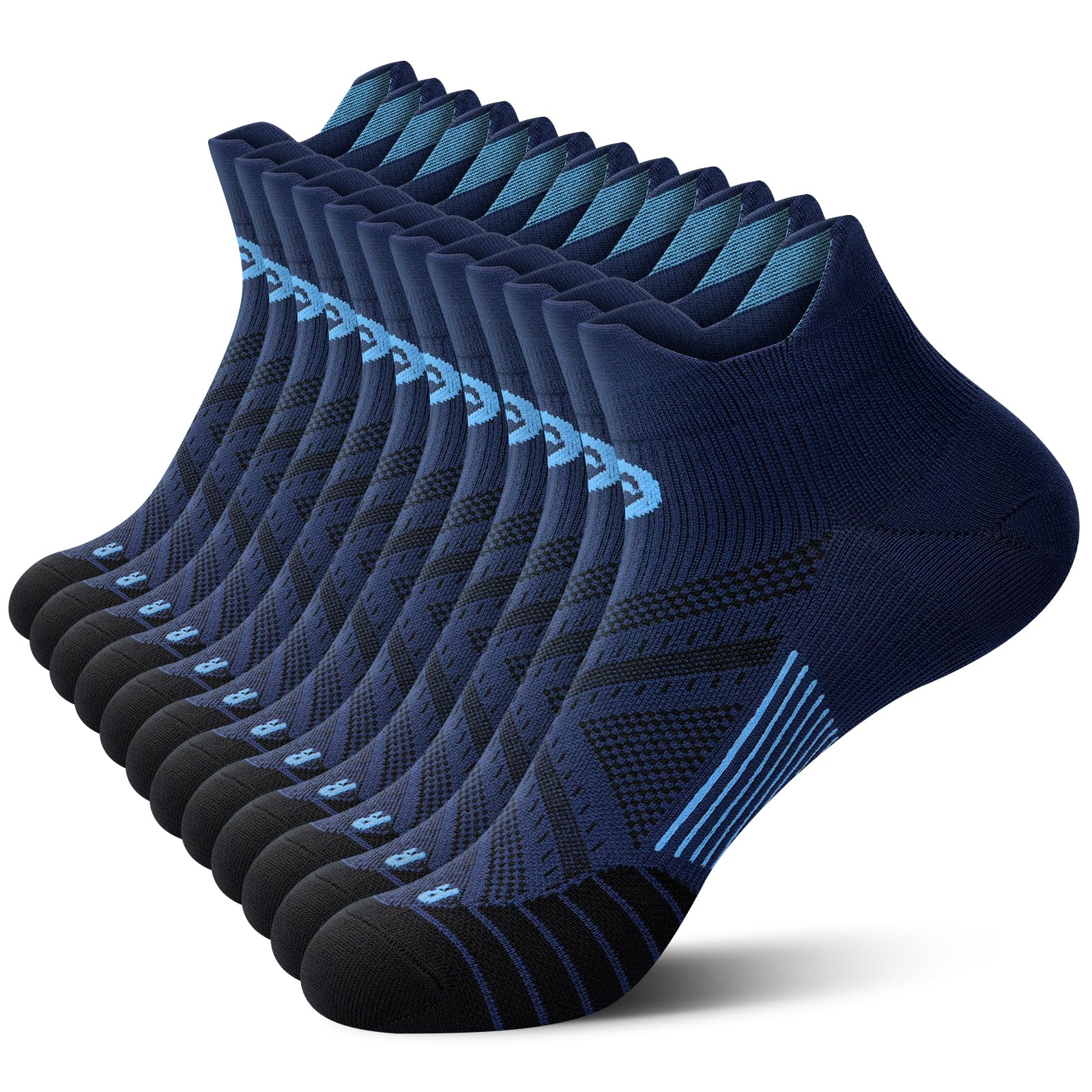
Choosing the right compression socks depends on your specific lifestyle needs, medical requirements, and daily comfort preferences, ranging from athletic recovery wear to medical-grade support for circulation management.
When looking back at the leading options established in recent product cycles, several standout brands continue to dominate the market due to their durable fabrics, accurate pressure gradients, and specialized designs. Understanding the distinct features of these top-rated garments helps ensure you select the appropriate pressure level and fit for your specific health or comfort goals.
Understanding Compression Socks: Medical vs. Athletic Grades
Before purchasing compression socks, it is essential to distinguish between everyday athletic wear and medical-grade therapeutic garments. The primary difference lies in the amount of pressure they exert, measured in millimeters of mercury (mmHg), and how that pressure is distributed along the leg.
Medical-grade compression stockings typically start at 20-30 mmHg or higher and require a physician's recommendation to ensure they safely manage conditions like chronic venous insufficiency, deep vein thrombosis, or severe edema. These garments feature graduated compression, meaning the pressure is highest at the ankle and gradually decreases toward the top of the calf or thigh. This graded pressure assists venous valves in pushing blood back up toward the heart against the pull of gravity.
On the other hand, over-the-counter athletic and lifestyle compression socks usually range from 15-20 mmHg. They are designed primarily to reduce muscle oscillation during high-impact exercise, minimize post-workout soreness, and alleviate minor leg fatigue caused by prolonged standing or sitting. While they still utilize graduated pressure, the lower mmHg rating makes them accessible for general consumer use without specialized medical supervision.
Key Factors to Evaluate Before Buying
Navigating the crowded marketplace of compression wear requires evaluating several technical specifications to avoid purchasing uncomfortable or ineffective products. Material composition, sizing accuracy, pressure rating, and intended use case all play critical roles in your overall experience.
Pressure Ratings (mmHg) Explained
- 8-15 mmHg: Mild compression, ideal for general comfort, light travel, and preventing minor leg fatigue during long periods of sitting.
- 15-20 mmHg: Moderate compression, best for everyday wear, athletic recovery, nurses, teachers, and frequent flyers prone to mild swelling.
- 20-30 mmHg and Above: Firm to medical-grade compression, prescribed for managing pronounced edema, varicose veins, and post-surgical recovery under medical guidance.
Material Selection and Breathability
The choice of yarn dictates moisture management, durability, and skin sensitivity. Merino wool offers natural temperature regulation and odor resistance, making it popular for outdoor activities and cooler climates. Synthetic blends incorporating nylon, spandex, and polyester provide superior elasticity, moisture-wicking properties, and long-lasting shape retention after repeated washing.
Top 5 Compression Socks Analyzed
Reviewing the top-performing options on the market reveals distinct advantages for different user groups, whether you require heavy-duty recovery gear or subtle daily support.
1. Vim & Vigr Compression Socks
Vim & Vigr has carved out a distinct niche by combining clinical-grade graduated compression with high-fashion aesthetics. Available in compression levels ranging from 15-20 mmHg to 20-30 mmHg, these socks come in a wide array of patterns, colors, and premium materials including nylon, cotton, and moisture-wicking merino wool.
- Best For: Professionals, travelers, and individuals who want medical-grade benefits without sacrificing personal style.
- Key Advantages: Anatomically shaped design ensures accurate pressure placement; high-end materials prevent premature sagging; moisture-wicking properties keep feet dry throughout long work shifts.
- Considerations: Higher price point compared to basic athletic tubes; requires careful adherence to sizing charts based on ankle and calf circumference rather than shoe size.
2. ProCompression Marathon Socks
Engineered specifically with endurance athletes in mind, ProCompression Marathon socks utilize proprietary multi-graduated compression technology. Constructed primarily from nylon and poly-spandex blends, they feature targeted padding in the heel and toe to prevent blistering during high-mileage runs or intense training sessions.
- Best For: Runners, cyclists, triathletes, and fitness enthusiasts seeking enhanced muscle recovery and reduced cramping.
- Key Advantages: Exceptional moisture management; durable construction that withstands frequent machine washing; effective at minimizing lactic acid buildup and post-run muscle soreness.
- Considerations: Specialized athletic fit can feel excessively tight during initial wear; limited formal style options for professional workplace environments.
3. CEP Compression Run Socks 3.0
CEP is a globally recognized brand rooted in medical orthopedics (under its parent company Medi), bringing advanced anatomical engineering to the athletic market. The Run Socks 3.0 feature a precise, scientifically tested pressure profile that improves micro-circulation and stabilizes calf muscles.
- Best For: Serious athletes and runners looking for scientifically optimized performance wear and injury prevention.
- Key Advantages: Precise sizing based on exact calf circumference in centimeters ensures optimal pressure delivery; integrated silver ions provide permanent antibacterial and odor-neutralizing benefits.
- Considerations: Premium pricing tier; sizing can be complex for individuals with non-standard calf dimensions.
4. Copper Fit Energy Compression Socks
Copper Fit has gained widespread popularity by offering accessible, lightweight compression infused with copper ions designed to reduce odor and support everyday muscle recovery. Operating typically in the milder 15-20 mmHg range, these socks are engineered for daily wear and general comfort.
- Best For: Budget-conscious consumers, active seniors, and individuals seeking mild daily support for standing jobs.
- Key Advantages: Highly affordable and widely available; lightweight construction fits easily into standard daily footwear; copper infusion helps manage foot odor during extended wear.
- Considerations: Lower durability under rigorous athletic conditions compared to specialized brands; milder compression may not suffice for pronounced swelling or therapeutic needs.
5. SB Sox Advanced Compression Socks
SB Sox delivers an exceptional balance of performance and affordability, making high-compression benefits accessible to a broad consumer base. Available in various lengths and pressures up to 20-30 mmHg, these socks feature breathable, lightweight fabric with reinforced heel and toe stitching.
- Best For: General wellness, pregnancy-related swelling, frequent flyers, and budget-conscious buyers seeking reliable everyday support.
- Key Advantages: Excellent cost-to-performance ratio; breathable fabric prevents overheating; available in zipper and open-toe variations for specialized comfort needs.
- Considerations: Less specialized padding compared to premium athletic brands; elastic top band can occasionally roll down on wider calves if sized incorrectly.
Comparative Overview of Top Compression Socks
| Brand Name | Typical Price Tier | Compression Range (mmHg) | Primary Material Blend | Best Suited Use Case |
|---|---|---|---|---|
| Vim & Vigr | Mid to High | 15-20 / 20-30 | Cotton, Merino Wool, Nylon | Professional wear, travel, daily wellness |
| ProCompression | Mid | 15-20 | Nylon, Poly-Spandex | Running, endurance sports, recovery |
| CEP Run Socks 3.0 | High | 20-30 | Polyamide, Spandex | Advanced athletic training, injury prevention |
| Copper Fit Energy | Budget | 15-20 (Mild) | Polyester, Spandex, Copper Yarn | General daily use, standing jobs, light support |
| SB Sox Advanced | Budget to Mid | 15-20 / 20-30 | Lycra, Nylon | Travel, pregnancy, budget-friendly recovery |
Common Mistakes to Avoid When Purchasing and Wearing
Selecting and maintaining compression socks correctly ensures you receive maximum therapeutic and comfort benefits while avoiding common pitfalls that render the garments ineffective.
- Sizing by Shoe Size Only: Unlike standard socks, compression socks rely heavily on accurate measurements of your ankle circumference and the widest part of your calf. Relying solely on shoe size frequently results in improper pressure distribution.
- Putting Them on Incorrectly: Bunching the fabric up like a standard sock makes application difficult and creates dangerous constriction rings. Instead, turn the sock inside out up to the heel, slip your foot in, and smoothly roll the fabric up the calf.
- Wearing Them to Bed (Unless Prescribed): Unless specifically advised by a physician for nocturnal conditions, graduated compression socks should be removed before sleeping because horizontal body positioning alters the gravitational demands on blood circulation.
- Improper Washing and Drying: Exposing compression garments to high heat in a traditional clothes dryer breaks down the elastic spandex fibers, drastically shortening the lifespan and effectiveness of the pressure gradient. Air drying or tumble drying on low is strongly recommended.
Frequently Asked Questions
How do I know which compression level (mmHg) I need?
For general travel, mild leg fatigue, or light athletic recovery, a mild to moderate pressure of 15-20 mmHg is usually sufficient. If you are managing diagnosed medical conditions such as chronic venous insufficiency, severe lymphedema, or deep vein thrombosis, consult a healthcare professional to determine if a 20-30 mmHg or higher medical-grade garment is necessary.
Can I wear compression socks every day?
Yes, wearing over-the-counter compression socks daily is generally safe and beneficial for individuals who spend long hours standing or sitting. However, ensure your skin remains clean and moisturized, and inspect the garments regularly for signs of wear, stretching, or fraying that reduce their supportive pressure.
How often should compression socks be replaced?
High-quality compression socks typically retain their elasticity and therapeutic pressure for about 3 to 6 months with regular daily wear and proper laundering. If you notice the fabric feels loose, slides down your leg easily, or shows visible signs of thinning, it is time to replace them.
Are open-toe compression socks as effective as closed-toe options?
Open-toe and closed-toe compression socks offer the same level of graduated pressure along the ankle and calf. Open-toe versions are ideal for individuals with longer toes, bunions, or those who prefer wearing open-toe footwear, while closed-toe options provide complete foot protection and warmth.
Can compression socks help with restless leg syndrome?
Many individuals find relief from restless leg syndrome (RLS) symptoms through the gentle, consistent pressure applied by compression socks, which helps stabilize blood flow and reduce nocturnal muscle sensations. However, results vary by individual, and severe RLS should be evaluated by a medical specialist.
Final Recommendation
Selecting the ideal compression socks requires matching your primary activity level and health requirements with the correct pressure rating and material composition. For professional environments and everyday fashion-forward wellness, Vim & Vigr offers unmatched versatility. Athletes seeking rigorous endurance recovery should prioritize ProCompression or CEP, while budget-conscious buyers looking for reliable daily support will find excellent value in SB Sox or Copper Fit. Always measure your ankles and calves accurately before purchasing to guarantee proper fit, comfort, and therapeutic effectiveness.