The 2025 spring season introduced a distinct shift toward hyper-personalized, dimensional hair color trends that prioritize structural depth, low-maintenance root cultivation, and luminous, healthy-looking reflections over flat, solid processes. Moving away from the high-contrast streaks of previous years, the defining palettes for this period embrace warm undertones, liquid gloss finishes, and nuanced pastel injections that enhance natural textures while minimizing structural damage.
The Evolution of Spring Hair Color: Moving Beyond Flat Tones
Hair color evolution follows a cyclical pattern, oscillating between high-maintenance bleach-and-tone processes and low-intervention, textural enhancements. The shifts observed in spring focus heavily on the integrity of the hair fiber. Stylists and colorists emphasize that modern consumer habits have changed dramatically; individuals increasingly reject color regimens that require salon visits every four weeks. Instead, the focus has moved toward bespoke formulations that grow out seamlessly, utilizing shadow roots, baby lights, and customized glossing treatments to extend the lifespan of a dye job.
Furthermore, advancements in bond-building additives and low-ammonia or ammonia-free color lines have allowed colorists to push boundaries without compromising hair elasticity. This technological progress means that even lighter spring palettes can maintain a high-shine, cashmere-soft finish. Understanding how these trends function requires a closer look at the five primary color profiles defining the season.
Trend 1: Cashmere Blonde
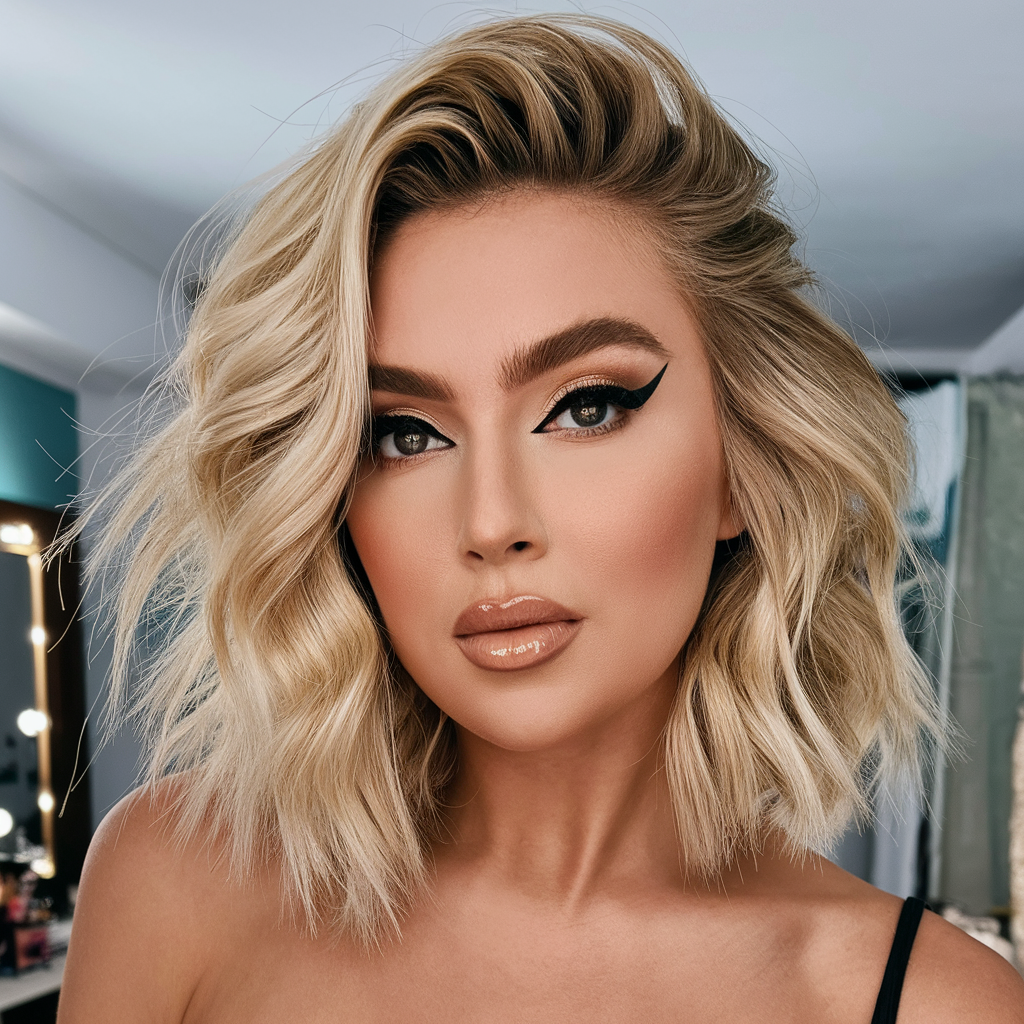
Cashmere blonde represents a sophisticated evolution from the stark, platinum iterations and warm, golden yellows of past decades. This shade is characterized by a multi-tonal, neutral-to-soft-warm balance that mimics the tactile softness and visual richness of fine cashmere wool.
Achieving the Cashmere Finish
To achieve this look, colorists typically employ a nuanced combination of fine-weave highlights and lowlights rather than a blanket bleach application. The base is often kept slightly closer to the natural root depth to ensure a soft grow-out phase, while face-framing pieces receive subtle brightening to illuminate the complexion.
- Toner Selection: Uses a mix of beige and pale gold glosses to eliminate brassiness without flattening the color into an ash-grey tone.
- Maintenance Level: Moderate. Requires purple shampoo sparingly to prevent dullness, along with moisture-rich masks to preserve elasticity.
- Ideal Base Canvas: Naturally light brown to dark blonde hair responds best, though darker bases can achieve this look with a double-process lifting session.
Trend 2: Toasted Cinnamon Brunette
Brunettes receive a dynamic update with toasted cinnamon, a rich, multi-dimensional shade that infuses deep brown bases with subtle copper, amber, and warm chestnut undertones. This trend addresses the common complaint that brunette hair can look flat or muddy under indoor lighting.
| Color Trend | Primary Undertone | Best Maintenance Frequency |
|---|---|---|
| Cashmere Blonde | Neutral/Soft Gold | 6 to 8 Weeks |
| Toasted Cinnamon | Copper/Amber | 8 to 10 Weeks |
| Peach Milk | Pastel Orange/Cream | 3 to 4 Weeks |
| Liquid Espresso | Deep Espresso/Neutral | 6 to 8 Weeks |
| Buttercream Highlights | Warm Cream/Vanilla | 10 to 12 Weeks |
The Science of Warm Brunette Dimensions
The magic of toasted cinnamon lies in how light interacts with the hair shaft. By layering copper lowlights beneath a glossy, dark chocolate glaze, the hair reflects light dynamically. When exposed to direct sunlight, subtle red and amber facets emerge, while indoor light reveals a deep, velvety mahogany foundation. This makes it an exceptionally versatile choice for individuals seeking warmth without committing to a full fiery red transformation.
Trend 3: Peach Milk Pastels
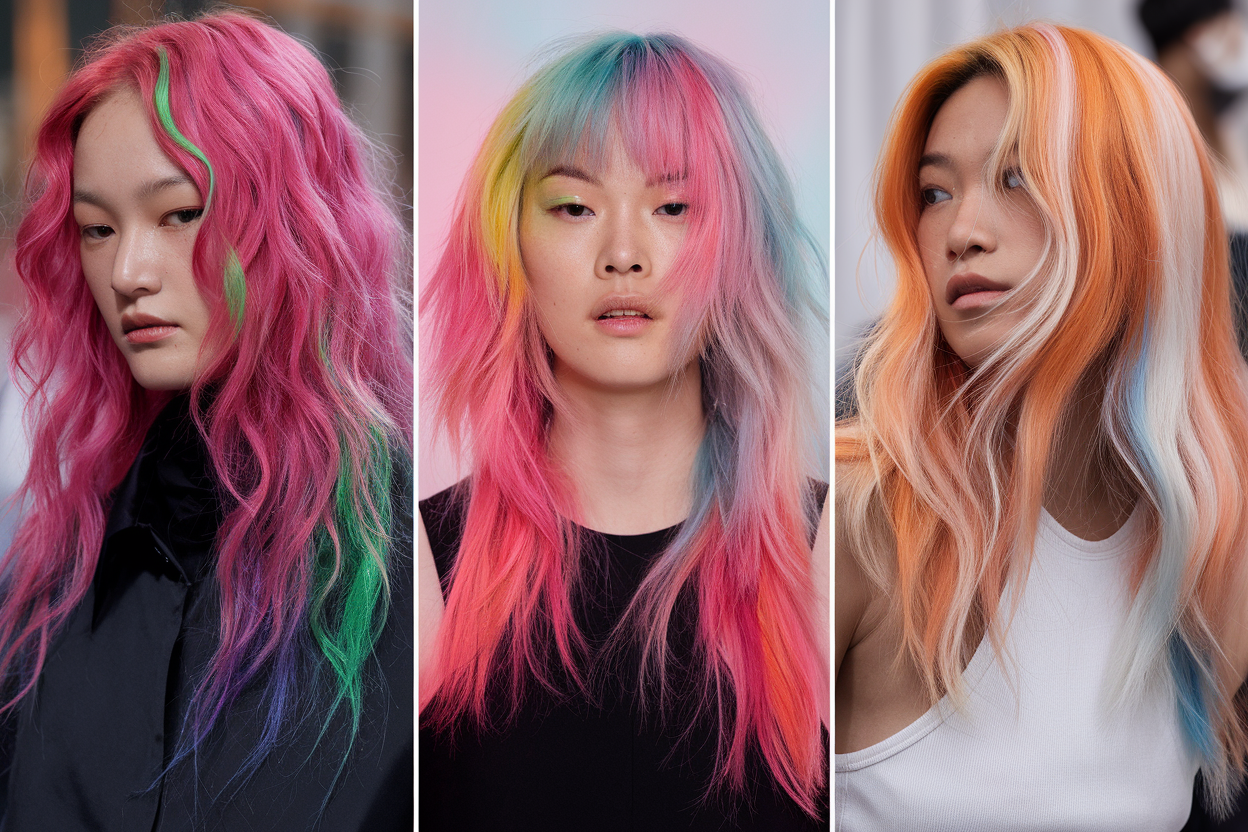
Pastels return every spring, but 2025 refined the execution by introducing a creamy, diffused quality known as peach milk. Unlike the vibrant, neon-leaning coral tones of prior years, peach milk softens the pigment with a heavy dose of neutral creaminess, making it surprisingly wearable across various skin tones.
Application and Longevity Considerations
Pastel hair colors traditionally present longevity challenges due to the large molecular structure of direct dyes, which struggle to anchor permanently inside a compromised hair cuticle.
- Pre-Lightening Requirement: Hair must typically be lifted to a pale yellow (Level 9 or 10) for the peach pigment to deposit cleanly without turning muddy.
- Water Quality Impact: High mineral content (hard water) can rapidly alter pastel pigments, shifting peach toward an undesirable brassy orange.
- At-Home Care: Requires sulfate-free cleansing and color-depositing conditioners formulated specifically to refresh pastel molecules between salon visits.
Trend 4: Liquid Espresso
For those who prefer deep, uniform tones, liquid espresso offers an ultra-glossy, high-reflectance dark brown that borders on black without losing its dimensional warmth. The hallmark of this trend is not necessarily a shift in raw color, but an obsessive focus on surface sheen and light reflection—hence the descriptor "liquid."
Securing the Glass-Hair Effect
Achieving the liquid espresso look relies heavily on acid-ic glossing treatments and semi-permanent color glosses that seal the cuticle completely. When the hair cuticle lies flat, it acts like a mirror, bouncing light evenly across the surface. Colorists frequently pair this service with professional laminating treatments or intense in-salon moisture infusions to ensure the dark pigment looks rich, healthy, and luminous rather than heavy or opaque.
Trend 5: Buttercream Babylights
Instead of chunky highlights or aggressive balayage sweeps, buttercream babylights focus on micro-fine weaves of color applied close to the scalp. This technique softens the overall hair color by one to two shades, creating a sun-drenched, youthful effect reminiscent of childhood hair exposed to summer light.
Precision Foilwork and Placement
The technical execution of buttercream babylights demands meticulous skill from the colorist. By taking ultra-thin sections of hair and applying lightener precisely, the color blends seamlessly into the base. This completely eliminates harsh demarcation lines, making it one of the most low-maintenance brightening techniques available for spring.
Preparing Your Hair for a Spring Color Transformation
Transitioning to a new spring hair color requires evaluating the current health and structural integrity of your strands. Chemical processing alters the disulfide bonds within the hair cortex, meaning that prep work is just as important as the actual coloring session.
Pre-Color Assessment Checklist
- Porosity Test: Determine how quickly your hair absorbs and retains moisture. Highly porous hair may grab color too quickly, resulting in an overly dark or uneven deposit.
- Elasticity Check: Gently stretch a wet strand of hair. If it snaps immediately without bouncing back, intensive bond-building treatments are required before any chemical service.
- Product Buildup Removal: Use a clarifying shampoo a week prior to your appointment to strip away hard water minerals, silicones, and styling product residues that can block color molecules.
Frequently Asked Questions
How do I choose between a warm and cool spring hair color trend?
Your selection should depend primarily on your skin’s undertone and personal wardrobe palette, though neutral trends like cashmere blonde bridge the gap. If you burn easily in the sun and look best in silver jewelry, cooler tones or neutral finishes prevent your complexion from looking ruddy. Conversely, if your skin has golden or olive undertones and you prefer gold jewelry, warm trends like toasted cinnamon or buttercream babylights will enhance your natural radiance.
Can I achieve pastel peach milk hair without bleaching my dark hair?
Achieving a true pastel peach milk shade on dark hair is chemically impossible without lightening the base first. Pastel pigments are translucent and lack the lifting power required to change dark melanin pigments. Attempting to apply a pastel peach direct dye over dark brown or black hair will result in the color being entirely invisible or leaving a very faint, muddy tint under direct sunlight.
What makes liquid espresso different from standard black or dark brown hair dye?
Standard permanent box dyes often contain heavy oxidative pigments that penetrate the hair cortex and cause cumulative dryness and structural roughness over time. Liquid espresso utilizes demi-permanent or acidic gloss formulations that deposit rich color molecules while simultaneously smoothing and sealing the cuticle. The emphasis is placed on maximum light reflection and moisture retention rather than permanent chemical restructuring.
How often will I need to visit the salon to maintain buttercream babylights?
Because buttercream babylights are woven delicately near the root with a soft, diffused application, they do not create a harsh grow-out line. Most clients find they only need a toner refresh every 6 to 8 weeks and a root touch-up or foil adjustment every 3 to 4 months, making it an exceptionally sustainable and cost-effective option for long-term wear.
Practical Next Steps for Your Salon Visit
When preparing for your spring hair color appointment, clear communication with your stylist is essential. Bring three distinct reference images that show the exact tone, lighting, and placement you desire, keeping in mind that professional photography often utilizes lighting that enhances dimensional contrast. Discuss your daily styling routine, heat-tool usage, and willingness to commit to at-home maintenance products. By aligning your expectations with your hair's structural capacity, you can safely embrace a fresh spring aesthetic that looks polished, vibrant, and professionally maintained throughout the season.