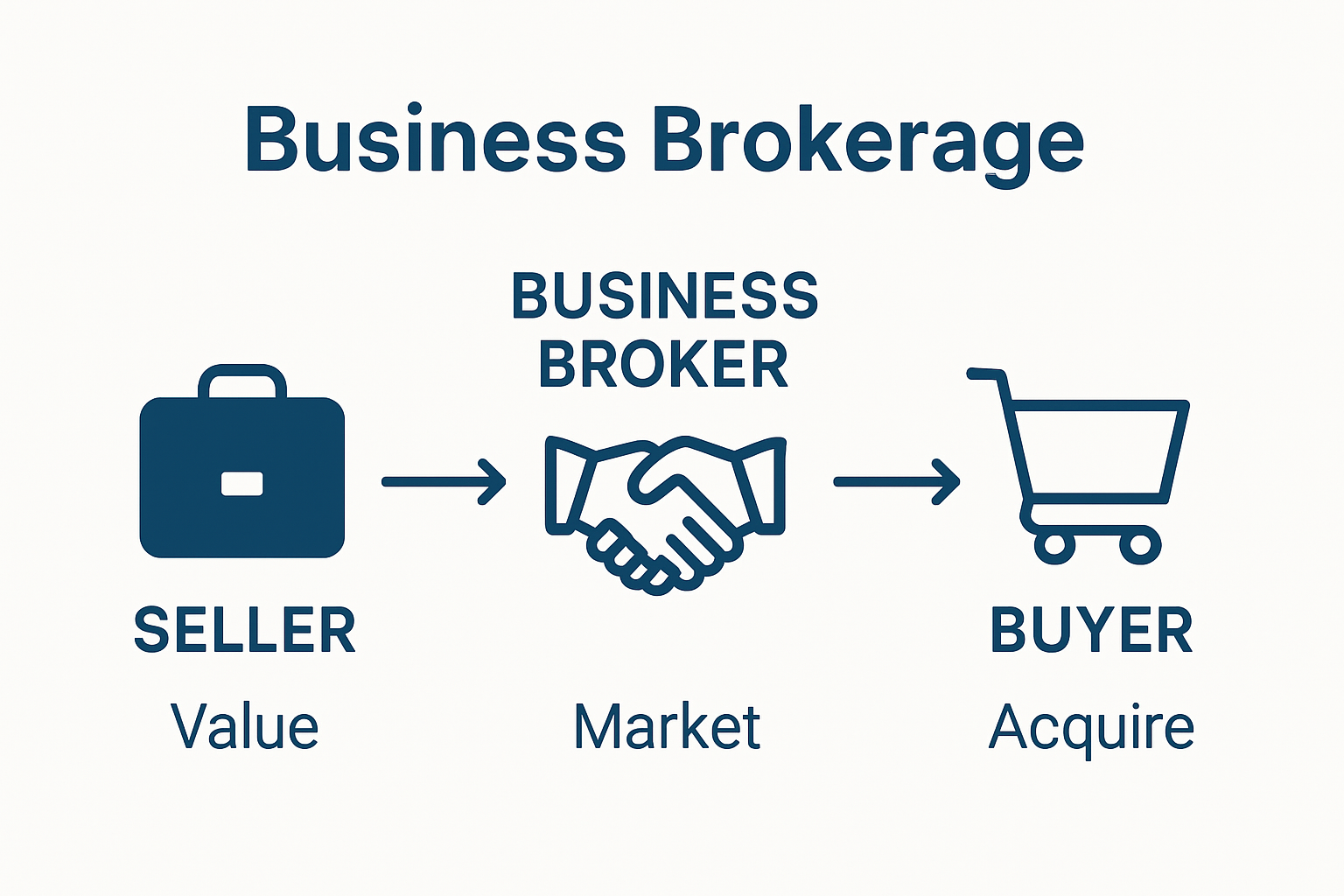
Choosing a broker depends on balancing the level of professional guidance you require against the costs you are willing to incur. The brokerage spectrum ranges from "execution-only" digital platforms that prioritize low costs to "full-service" wealth management firms that provide bespoke financial planning, estate coordination, and tax strategy.
In the 2026 financial landscape, the lines between different types of brokers have blurred due to technological integration, yet distinct categories remain based on the depth of service and the target clientele. Understanding where a firm sits on this spectrum is the first step in determining if its infrastructure matches your investment goals. Below are five broker examples that illustrate the current spectrum of services, ranging from automated retail trading to high-touch institutional support.
1. Robinhood: The High-Volume, Execution-Only Discount Broker
Robinhood remains the primary example of the "low-touch" end of the brokerage spectrum. Its model is built entirely around execution-only services, meaning the broker provides the platform and tools for you to trade but offers no personalized investment advice, financial planning, or fiduciary guidance.
The Service Model
As of 2026, Robinhood has expanded its offerings to include retirement accounts and 24-hour market access, but its core value proposition is still focused on the user interface and cost-efficiency. The service is characterized by zero-commission trades on stocks, options, and cryptocurrencies. However, users must understand that "free" trading often involves a trade-off in execution quality. Robinhood primarily generates revenue through Payment for Order Flow (PFOF), where they route orders to market makers who pay a small fee for the right to execute those trades.
Target Audience and Limitations
This broker is designed for self-directed investors who prefer to do their own research or utilize external social signals. Because there is no dedicated human advisor, the responsibility for risk management falls entirely on the account holder. While the platform has introduced "Robinhood Gold" to provide deeper Morningstar research and lower margin rates, it does not offer the complex estate planning or multi-generational wealth transfer services found at the other end of the spectrum.
2. Charles Schwab: The Hybrid "Brokerage Supermarket"
Charles Schwab occupies the middle ground of the spectrum, often referred to as a discount broker with full-service capabilities. Since its full integration with TD Ameritrade, completed in the years leading up to 2026, Schwab has mastered the "hybrid" model. It offers the low-cost execution of a discount broker alongside a massive menu of optional high-touch services.
The Spectrum of Choice
Schwab allows clients to choose their level of interaction. A client can operate a purely self-directed account with $0 commissions, or they can opt into Schwab Intelligent Portfolios, a robo-advisory service that uses algorithms to manage asset allocation. For those requiring human intervention, Schwab offers "Schwab Wealth Advisory," where clients are assigned a dedicated consultant.
Comprehensive Service Offerings
The "supermarket" aspect refers to the sheer variety of products:
- Banking Integration: Seamless movement between brokerage accounts and high-yield checking/savings.
- Global Research: Access to proprietary equity ratings and third-party analysis from multiple providers.
- Specialized Platforms: Tools like thinkorswim provide advanced charting and derivatives analytics for serious traders.
By 2026, Schwab has positioned itself as the "one-stop shop" where an investor can start with $100 in a fractional share account and eventually transition into a multi-million dollar managed portfolio without ever changing firms.
3. Interactive Brokers (IBKR): The Professional-Grade Technical Broker
While Robinhood is for the casual user and Schwab is for the generalist, Interactive Brokers (IBKR) represents the segment of the spectrum dedicated to technical depth and global market access. It is the "pro-sumer" choice, bridging the gap between retail trading and institutional execution.
Direct Market Access and API Integration
IBKR is renowned for its SmartRouting technology, which searches for the best firm price available at the moment of your order across multiple exchanges. Unlike brokers that rely solely on PFOF, IBKR offers a tier (IBKR Pro) designed to minimize the "bid-ask spread" cost for high-volume traders.
A significant part of their service spectrum involves API support. In 2026, many independent hedge funds and algorithmic traders use IBKR’s infrastructure to run their own automated trading scripts. They provide access to over 150 markets in 33 countries, allowing users to trade stocks, bonds, funds, and forex from a single integrated account.
Cost Structure for Sophistication
The service spectrum here is defined by low margin rates and high technical utility. IBKR generally appeals to those who prioritize margin efficiency—the ability to borrow against their portfolio at rates significantly lower than those of traditional full-service banks. However, the platform's complexity can be a barrier for beginners, as it lacks the "hand-holding" found in more traditional advisory models.
4. Morgan Stanley: The Full-Service Wealth Management Powerhouse
At the "high-touch" end of the spectrum sits Morgan Stanley. This is a classic example of a Full-Service Broker-Dealer. Here, the relationship is centered around a Financial Advisor (FA) rather than a digital app.
The Fiduciary and Advisory Focus
When you move into the full-service tier, you are paying for more than just trade execution; you are paying for holistic financial architecture. Morgan Stanley’s services in 2026 include:
- Estate and Trust Planning: Coordinating with legal professionals to ensure tax-efficient wealth transfer.
- Alternative Investments: Providing access to private equity, venture capital, and hedge funds that are typically unavailable to retail investors on discount platforms.
- Discretionary Management: Clients can grant their advisor "discretion," allowing the professional to make trades on their behalf based on an agreed-upon Investment Policy Statement (IPS).
The Cost of Premium Service
Services at this level are typically billed as a percentage of Assets Under Management (AUM), often ranging from 0.75% to 1.50% annually. While this is significantly more expensive than a discount broker, the value is found in "alpha" generation, tax-loss harvesting, and the avoidance of emotional investing mistakes during market volatility. Through its acquisition of E*TRADE, Morgan Stanley also offers a digital "on-ramp," but its core identity remains high-net-worth advisory.
5. J.P. Morgan Prime Brokerage: The Institutional Service Tier
To see the absolute furthest edge of the brokerage spectrum, one must look at Prime Brokerage, specifically the services offered by J.P. Morgan. This is not a service for individual retail investors; it is a service for institutional clients like hedge funds, pension funds, and sovereign wealth funds.
Specialized Institutional Services
Prime brokers provide a suite of services that retail brokers do not touch:
- Securities Lending: Providing the "borrows" necessary for hedge funds to execute large-scale short positions.
- Capital Introduction: Helping hedge fund managers find potential investors.
- Operational Outsourcing: Acting as the back-office for investment firms, handling settlement, clearing, and regulatory reporting on a global scale.
Systemic Importance and Liquidity
The service spectrum here is defined by liquidity and leverage. J.P. Morgan uses its massive balance sheet to provide financing to other financial institutions. In 2026, the prime brokerage model is heavily tech-dependent, utilizing real-time risk management systems to monitor the massive amounts of collateral moving through the global financial system daily.
Comparing the Brokerage Spectrum
The following table summarizes the differences in service levels, cost structures, and primary functions across the five examples discussed.
| Broker Type | Example | Primary Revenue Model | Level of Guidance | Market Access |
|---|---|---|---|---|
| Execution-Only | Robinhood | PFOF, Subscriptions | None (Self-Directed) | US Stocks, Options, Crypto |
| Hybrid/Supermarket | Charles Schwab | Net Interest Margin, Advisory Fees | Optional (Robo or Human) | Comprehensive (Global Funds/Stocks) |
| Technical/Pro | Interactive Brokers | Commissions, Margin Interest | Low (Technical Tools focus) | 150+ Markets Worldwide |
| Full-Service | Morgan Stanley | AUM Fees (% of Assets) | High (Dedicated Advisor) | Private Markets, All Public Assets |
| Prime Brokerage | J.P. Morgan | Financing Fees, Lending | Institutional (B2B) | Global Institutional Liquidity |
Navigating Service Levels: Key Considerations
When analyzing these examples, it is important to distinguish between the legal standards of care that different service levels provide.
The Fiduciary vs. Suitability Standard
In the 2026 regulatory environment, the distinction between a "broker" and an "investment advisor" remains critical.
- Discount and Technical Brokers generally operate under a "best interest" or suitability standard for trade execution. They are responsible for ensuring the platform works and the trades are executed fairly, but they are not responsible for whether your investment strategy is fundamentally "good."
- Full-Service Advisory Models (like parts of Morgan Stanley or Schwab’s managed branches) often act in a fiduciary capacity. This means they are legally obligated to put your interests above their own, providing a layer of protection and accountability that "execution-only" platforms do not offer.
Fee Compression and the Value of Advice
The spectrum has shifted over the last decade due to "fee compression." As trade commissions went to zero at the bottom end of the spectrum, full-service brokers had to justify their AUM fees by providing more "lifestyle" services, such as college savings planning (529 plans), mortgage assistance, and even insurance analysis. When choosing a broker, you must ask if the "advice alpha"—the extra return or savings generated by professional guidance—exceeds the annual fee you are paying.
Frequently Asked Questions
Can I use multiple brokers on different parts of the spectrum?
Yes, many investors use a "core and satellite" approach. They might keep 80% of their wealth in a Full-Service or Hybrid account (like Schwab or Morgan Stanley) for long-term stability and planning, while keeping 20% in a Technical or Discount broker (like IBKR or Robinhood) for active trading or speculative plays.
How do "free" brokers like Robinhood make money if they don't charge commissions?
They primarily make money through Payment for Order Flow (PFOF), interest earned on uninvested cash (cash sweeps), and monthly subscription fees for premium features. In 2026, many also generate significant revenue by acting as a "custodian" for digital assets and charging spreads on cryptocurrency transactions.
What is the minimum investment for a full-service broker?
While digital platforms have no minimums, traditional full-service advisory teams often require a minimum of $250,000 to $1,000,000 in investable assets. However, many firms have launched "Digital Wealth" tiers that provide limited access to human advisors for accounts as low as $25,000.
Are my assets safer at a full-service broker than a discount broker?
In the United States, almost all reputable brokers—regardless of where they sit on the spectrum—are members of the Securities Investor Protection Corporation (SIPC). This protects up to $500,000 (including a $250,000 limit for cash) if the brokerage firm fails. Safety is generally more about the firm's balance sheet and regulatory compliance than the specific "type" of service they provide.
Which broker is best for international investors?
Interactive Brokers is widely considered the gold standard for the international spectrum because it allows users to hold multiple currencies in a single account and provides direct access to dozens of international exchanges. Most US-based discount brokers have much stricter limitations for non-US residents.
Final Recommendation
To choose the right point on the brokerage spectrum, conduct a self-assessment of your financial complexity. If your primary goal is to buy and hold a few ETFs or stocks with small amounts of capital, an execution-only discount broker is the most cost-effective choice. If you are managing a high net worth, require complex tax strategies, or want a professional to manage the emotional stress of market downturns, the higher cost of a full-service broker is often a necessary investment in your financial security. Always verify a broker's regulatory standing via the FINRA BrokerCheck tool before committing significant capital.