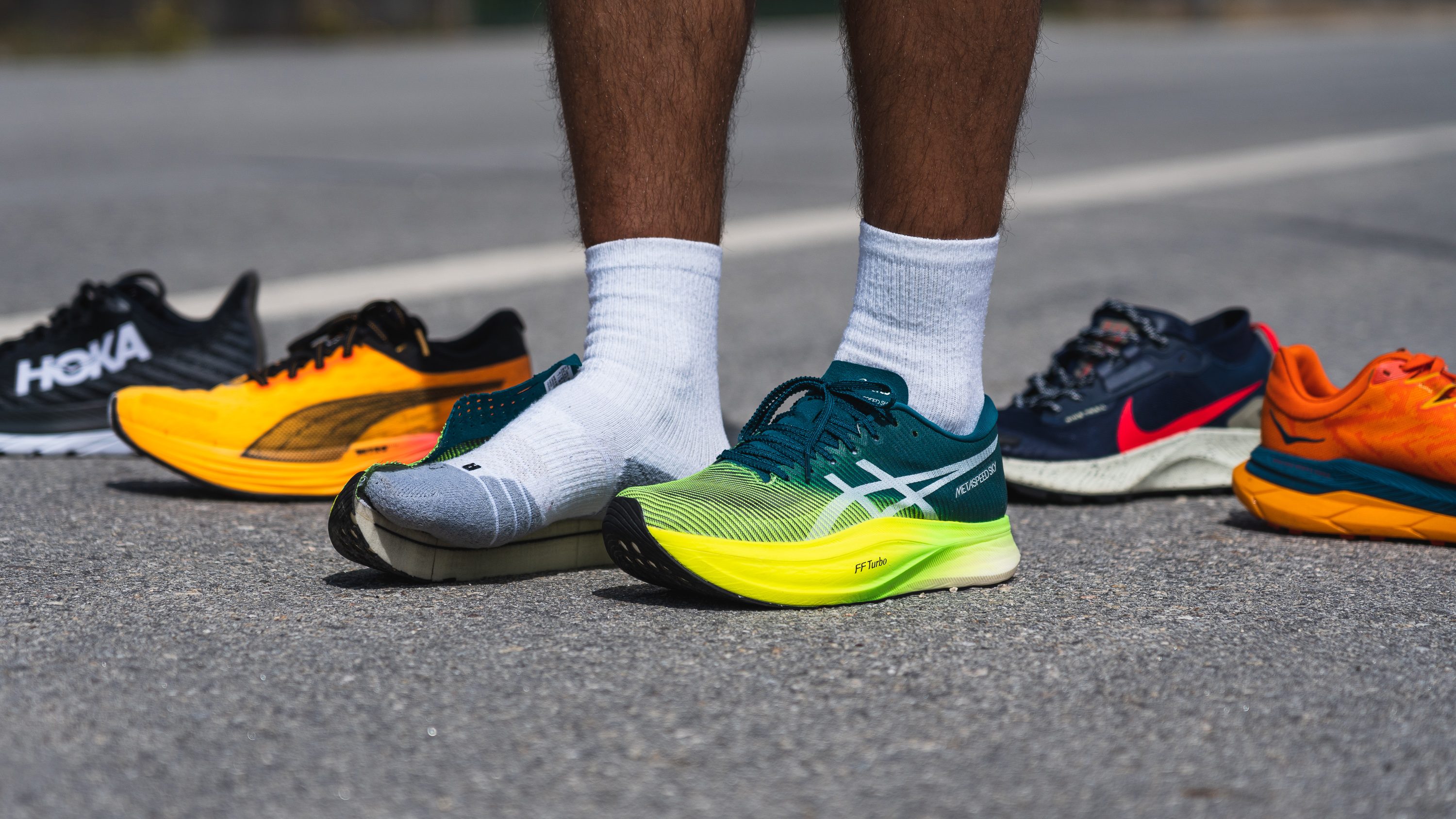
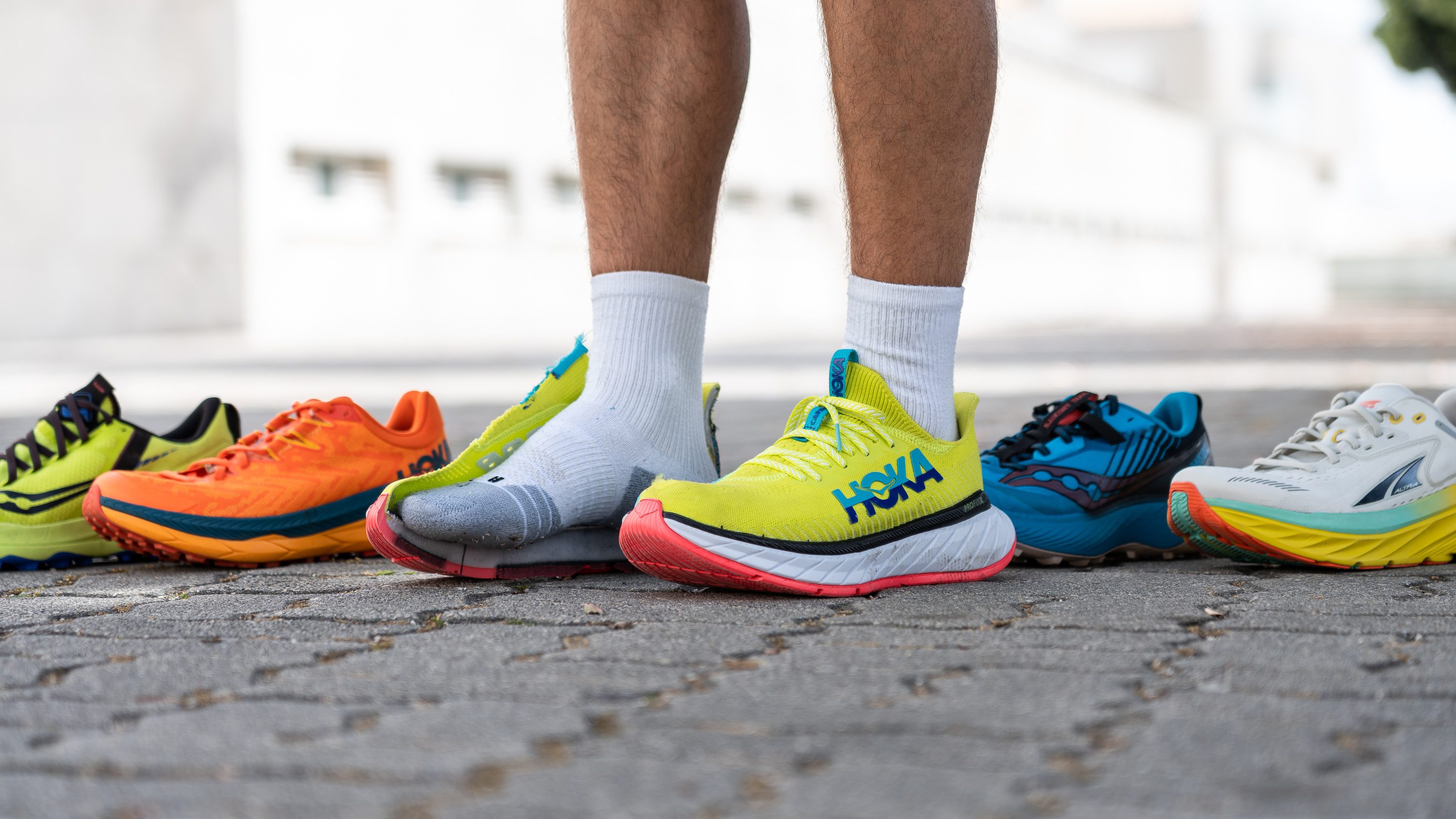
Choosing the right long-distance running shoe requires balancing high-impact cushioning, enduring durability, and a secure fit to prevent fatigue and injuries over marathon and half-marathon distances. The market features several elite options engineered specifically to protect joints, manage moisture, and maintain responsive energy return across high mileage.
Long-distance running places unique demands on both the body and footwear. Unlike short sprints or mid-distance training, covering double-digit mileage requires footwear that can withstand hundreds of miles of repetitive impact while protecting sensitive joints and soft tissues from fatigue. Selecting the right model means navigating a complex landscape of foam densities, plate technologies, and upper constructions.
Understanding how these elements interact helps runners choose a shoe that matches their biomechanics, foot shape, and target pace. This comprehensive guide evaluates the top-tier options currently available, examining their technical specifications, ideal use cases, and performance trade-offs to ensure every mile feels supported.
Understanding Long-Distance Running Shoe Anatomy
Before evaluating specific models, it is essential to understand what separates a daily trainer from a dedicated long-distance cruiser. High-mileage running shoes are engineered to absorb repetitive impact forces that can reach up to three times a runner's body weight with every stride.
Cushioning and Foam Technologies
The midsole is the engine of any long-distance shoe. Modern manufacturers use advanced chemical formulations—primarily PEBA (polyether block amide), EVA blends, and supercritical nitrogen-infused foams—to deliver maximum shock absorption without adding excessive weight.
- Max Cushioning: Essential for runners who log high weekly mileage, thick foam stacks (often 35mm to 40mm at the heel) isolate the feet from harsh asphalt and concrete.
- Energy Return: Premium foams compress under impact and rapidly spring back, returning energy to the runner's stride to improve efficiency during the latter half of a long run.
- Durability: High-grade foams resist packing out, maintaining their structural integrity and cushioning properties over 300 to 500 miles of use.
Upper Construction and Fit
As feet swell during runs lasting two hours or longer, upper construction becomes critical. A well-designed upper uses engineered mesh or knit materials that balance breathability with a secure, lockdown fit. Overlays are strategically placed to prevent lateral sliding without creating pressure points or friction zones that lead to blisters. A wider toe box is often favored in long-distance shoes to allow natural splaying of the toes, preventing numbness and discomfort over extended periods.
Outsole Durability
Long-distance shoes log significant friction against abrasive road surfaces. Rubber placement is strategic: high-wear areas like the lateral heel and forefoot feature durable carbon rubber, while midfoot sections may use lighter blown rubber to save weight. Outsole tread patterns are generally shallow and smooth for road running, prioritizing grip on wet or dry pavement over aggressive traction.
The 5 Best Running Shoes for Men for Long Distance
Evaluating the top contenders requires looking at how their technical specifications translate to real-world performance on long training runs and race days.
1. Nike Air Zoom Vomero 17
The Nike Air Zoom Vomero 17 stands out as a premier choice for neutral runners seeking plush, luxurious cushioning for daily long runs and recovery miles.
- Midsole Composition: Combines ZoomX foam—Nike’s lightest and highest energy-returning foam—with a supportive Cushlon 3.0 carrier layer. This dual-foam setup removes the previous generation's forefoot Zoom Air bag, resulting in a smoother, more uniform heel-to-toe transition.
- Stack Height: Generous stack height (approx. 39mm heel / 29mm forefoot) provides ample protection against hard road surfaces.
- Best For: Easy runs, long steady-state weekend efforts, and runners who prioritize step-in comfort and impact protection over speed-focused responsiveness.
- Pros: Exceptionally smooth transitions; luxurious upper padding; durable outsole rubber coverage.
- Cons: Heavier than race-day models; slightly bulky feel during speedwork.
2. Brooks Ghost Max 2
For runners prioritizing maximum protection, stability, and a reliable ride, the Brooks Ghost Max 2 delivers an exceptionally stable platform tailored for high-mileage comfort.
- Midsole Composition: Features DNA Loft v3 foam, which is nitrogen-infused to provide a soft, plush feel that absorbs high-impact shock efficiently without feeling overly squishy.
- Design Philosophy: Employs Brooks' GlideRoll Rocker geometry, which actively encourages a smooth heel-to-toe transition and reduces ankle flexion to minimize lower-leg fatigue.
- Best For: Recovery runs, heavy mileage base building, and runners needing a stable, wide platform (often accommodating custom orthotics well).
- Pros: Outstanding inherent stability; durable outsole; accommodating upper fit.
- Cons: Bulkier profile; lacks the snappy bounce of carbon-plated racers.
3. ASICS Gel-Nimbus 26
The ASICS Gel-Nimbus 26 is a legendary long-distance cruiser known for cloud-like comfort and premium materials from heel to toe.
- Midsole Composition: FF Blast Plus Eco cushioning combined with PureGEL technology embedded in the heel. This configuration absorbs heavy impact forces while maintaining a lightweight feel.
- Outsole Feature: Hybrid ASICSGRIP rubber outsole offers superior traction on both wet and dry surfaces compared to traditional blown rubber.
- Best For: Marathon training, high-mileage base weeks, and neutral runners or mild overpronators seeking maximum underfoot softness.
- Pros: Premium step-in comfort; excellent grip in adverse weather; highly durable build.
- Cons: Upper can feel warm in hot weather due to plush padding; higher price point.
4. Saucony Triumph 22
The Saucony Triumph 22 represents a major shift toward premium performance, utilizing elite foam technology previously reserved for race-day super shoes.
- Midsole Composition: Powered by PWRRUN PB foam—a PEBA-based formulation that delivers exceptional softness combined with high energy return and long-lasting resilience.
- Platform Design: Features a wider, more stable base than previous iterations, balancing the bouncy nature of the PEBA foam with underfoot security.
- Best For: Runners who want a high-mileage daily trainer that can easily transition from slow recovery runs to sustained marathon-pace efforts.
- Pros: Incredible energy return; plush yet responsive ride; durable construction.
- Cons: Firmer initial feel than past versions; premium price reflects elite foam technology.
5. Hoka Clifton 9
The Hoka Clifton 9 is a lightweight max-cushion staple that proves high-mileage protection does not require heavy, cumbersome footwear.
- Midsole Composition: Compression-molded EVA foam provides a signature balanced, protective ride with an increased stack height (3mm higher than the Clifton 8) without adding weight.
- Geometry: Early-stage Meta-Rocker promotes a fast, rolling transition through the gait cycle, reducing the energy required to maintain forward momentum.
- Best For: Neutral runners seeking a lightweight daily trainer that excels on long, steady road miles and travel.
- Pros: Exceptionally lightweight for a max-cushion shoe; smooth rolling ride; wide range of width options.
- Cons: Firmer foam feel compared to pure PEBA shoes; outsole rubber is limited to high-wear zones to save weight.
Comprehensive Comparison Table
| Shoe Model | Midsole Foam | Heel Stack Height | Primary Strengths | Best Use Case |
|---|---|---|---|---|
| Nike Air Zoom Vomero 17 | ZoomX / Cushlon 3.0 | ~39 mm | Plush step-in comfort, smooth transition | Easy miles, recovery runs |
| Brooks Ghost Max 2 | DNA Loft v3 | ~39 mm | Inherent stability, rocker geometry | High-mileage base building, orthotic compatibility |
| ASICS Gel-Nimbus 26 | FF Blast Plus Eco / PureGEL | ~41.5 mm | Superior outsole grip, cloud-like cushioning | Long weekend runs, wet-weather training |
| Saucony Triumph 22 | PWRRUN PB (PEBA) | ~37 mm | High energy return, resilient bouncy foam | Marathon pace training, versatile long runs |
| Hoka Clifton 9 | Compression-Molded EVA | ~32 mm | Ultralightweight build, rolling rocker geometry | Lightweight daily miles, travel training |
Key Factors When Choosing Your Long-Distance Shoe
Selecting the correct model requires evaluating individual biomechanics, running style, and physiological preferences. No single shoe is universally perfect for every runner.
Drop and Biomechanics
Heel-to-toe drop (the height difference between the heel and forefoot) influences which muscles and tendons absorb the most stress during a run.
- High Drop (8mm–12mm): Traditional drops like those found in the ASICS Gel-Nimbus or Nike Vomero reduce strain on the Achilles tendon and calves, making them ideal for heel strikers and runners with tight lower legs.
- Low Drop (0mm–6mm): Encourages a more midfoot or forefoot strike, placing more load on the calves and Achilles while reducing stress on the patellar tendon and knees.
Finding the Right Fit and Sizing
Feet swell significantly over distances exceeding 10 miles. When trying on long-distance running shoes, ensure there is a thumb-width of space between your longest toe and the end of the shoe. If your toes jam against the front during descents, you risk developing subungual hematomas (black toenails) and blisters. Additionally, many brands offer wide and extra-wide widths; runners with broad forefeet should actively seek these out rather than sizing up in length, which shifts the flex point of the shoe incorrectly.
Frequently Asked Questions
How often should I replace my long-distance running shoes?
Most high-performance running shoes lose their midsole cushioning integrity and structural support between 300 and 500 miles of use. Foam cells compress and fail to rebound fully over time, even if the outsole rubber looks intact. Tracking mileage via running apps or noting the date of purchase helps ensure you retire shoes before they stop protecting your joints from impact stress.
Should I wear carbon-plated shoes for all my long-distance training?
Carbon-plated super shoes are engineered to maximize race-day efficiency and speed, but wearing them for every training run is generally discouraged. The stiff plates and aggressive rocker geometries alter natural foot mechanics and can overload specific lower-leg muscles and tendons, increasing injury risk during high-volume base training. Reserve carbon-plated shoes for key workouts, speed sessions, and race days, relying on traditional foam trainers for high-mileage foundation work.
How do I prevent blisters during long runs?
Blisters are caused by friction, moisture, and heat. To minimize occurrence, avoid cotton socks, which retain moisture and cling to the skin. Instead, invest in synthetic or Merino wool running socks designed to wick moisture away. Proper shoe sizing (allowing room for foot swelling) and utilizing heel-lock lacing techniques can also prevent excessive foot sliding inside the shoe.
Can I use the same running shoe for speedwork and long distance?
While some versatile trainers like the Saucony Triumph 22 can handle both paces, distinct categories exist for a reason. Long-distance shoes prioritize durable foam, comfort, and shock absorption, which often makes them heavier and softer. Speedwork shoes prioritize lightweight construction, lower stack heights, and aggressive responsiveness. Pairing a dedicated long-distance daily trainer with a lighter tempo shoe optimizes performance and reduces injury risk.
Conclusion and Next Actions
Selecting the best long-distance running shoe for men comes down to balancing impact protection, foam resilience, and personal comfort. Runners logging high weekly mileage should prioritize models with robust cushioning platforms—such as the Nike Vomero 17 or ASICS Gel-Nimbus 26—to safeguard joints against fatigue.
To make your final decision, visit a specialty running store to have your gait analyzed and feet measured under load, ideally in the afternoon when your feet are naturally swollen. Test-run potential pairs on a treadmill or track to evaluate how the foam cushioning and upper fit perform during movement, ensuring your chosen footwear supports every mile of your journey toward your distance goals.