Securing life insurance as a man between the ages of 45 and 60 requires navigating a critical window where underwriting criteria shift significantly, health risk factors become more pronounced, and locking in a rate before advanced age brackets is vital for long-term financial security. Life insurance premiums during this 15-year period climb steadily each year, reflecting increased statistical mortality risks, making timing, policy selection, and health management crucial variables in overall financial planning.
Purchasing life insurance during your mid-40s through your late 50s involves a careful balance between financial obligations—such as a remaining mortgage, children's college tuition, or business liabilities—and the rising cost of coverage. As men traverse this life stage, underwriting evaluations transition from looking at minor health anomalies to scrutinizing cholesterol levels, blood pressure trends, cardiovascular markers, and family medical history. Understanding how insurers calculate these premiums, the differences between term and permanent coverage options, and the practical steps required to secure the best possible rate helps applicants make informed decisions that protect their families without overpaying.
The Financial Reality of Life Insurance for Men Ages 45 to 60
The financial landscape of life insurance changes drastically as a man moves from age 45 toward age 60. At age 45, most men are in their peak earning years, often carrying substantial debt obligations, including mortgages, vehicle loans, and dependent children. By age 60, many of these financial obligations begin to diminish, but the cost of life insurance increases substantially due to the natural progression of mortality risk.
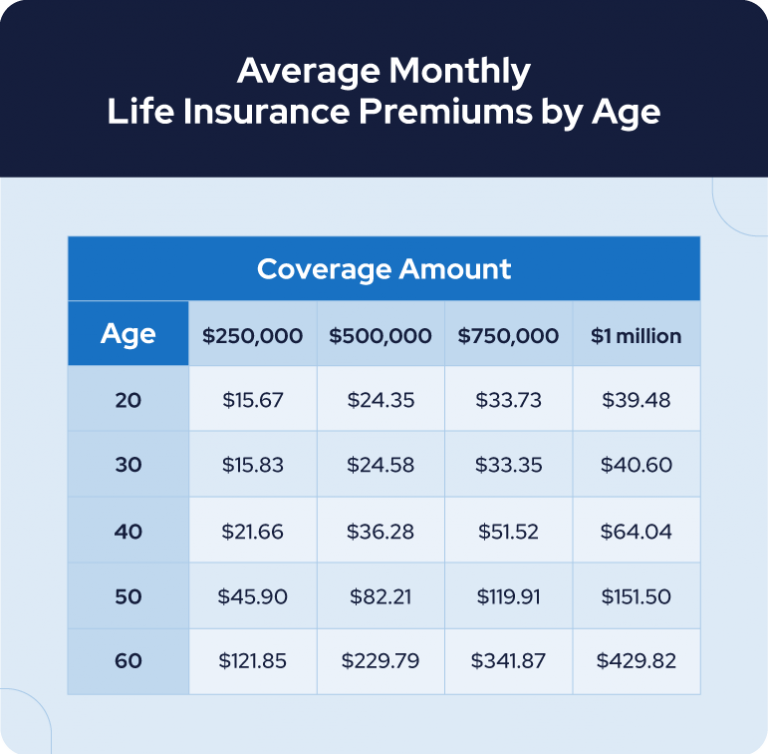
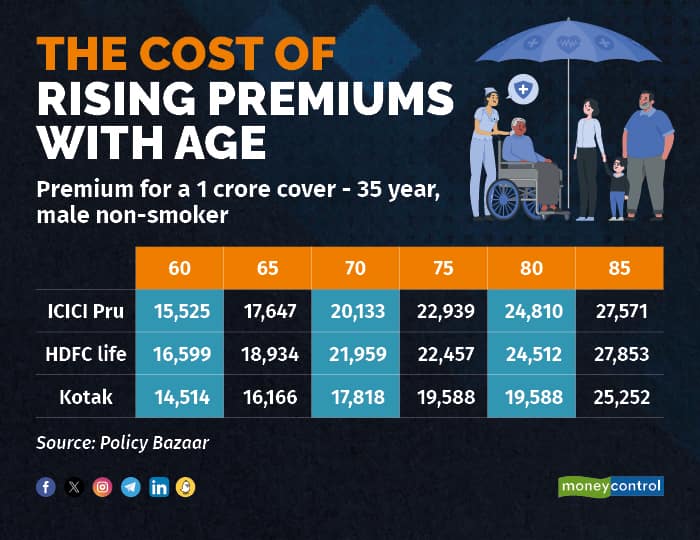
Insurance carriers price policies based on actuarial tables that predict the likelihood of a claim being filed during the term of the policy or over the lifetime of the insured. Between ages 45 and 60, annual premium rates do not just increase linearly; they experience compounding cost jumps, particularly after crossing age 50 and age 55. A policy bought at age 45 will lock in a much lower rate for a 20-year term compared to waiting until age 55, where health screenings may reveal age-related conditions that trigger higher rate classifications or outright exclusions.
Furthermore, financial goals shift during this window. While a 45-year-old typically requires high coverage amounts—often ranging from $500,000 to $1,500,000—to replace lost income and support a growing household, a 58- or 60-year-old may require a smaller policy designed specifically for final expenses, estate planning, or replacing lost pension income for a surviving spouse. Recognizing these distinct phases allows applicants to match their policy design to their actual financial exposure rather than relying on generalized estimates.
Underwriting Factors and Health Classifications for Mature Men
When a man applies for life insurance between the ages of 45 and 60, underwriters scrutinize his medical profile and lifestyle habits with rigorous detail. Insurance companies assign health classifications—such as Preferred Plus, Preferred, Standard Plus, or Standard—based on a comprehensive medical examination, laboratory testing, and prescription history databases like the Medical Information Bureau (MIB).
Key Underwriting Metrics
- Blood Pressure and Cholesterol: Elevated readings, even if managed by medication, can push an applicant from a Preferred tier to a Standard tier, substantially raising annual premiums.
- Body Mass Index (BMI): Weight-to-height ratios are strictly evaluated; minor elevations are tolerated at age 45, but strict thresholds apply as applicants approach their 50s and 60s.
- Tobacco and Nicotine Use: Cigarette smoking, cigar use, vaping, and chewing tobacco dramatically increase rates, often doubling or tripling the cost of coverage compared to non-smoker rates.
- Family Medical History: A history of heart disease, stroke, or certain cancers occurring in immediate family members before age 60 can negatively impact underwriting offers.
- Driving Record and Avocations: Motor vehicle reports, speeding tickets, DUIs, and hazardous hobbies like private aviation or skydiving are factored into overall risk assessment.
Applicants must understand that minor health adjustments, such as stabilizing blood pressure or improving cholesterol through diet and exercise prior to applying, can yield significant financial savings over the life of a multi-year policy.
Comparing Term Life Insurance and Permanent Options
Choosing the right type of policy is the most critical structural decision an applicant faces. For men aged 45 to 60, the choice typically comes down to term life insurance versus permanent life insurance, such as whole life or universal life.
Term life insurance provides pure death benefit protection for a specified duration, such as 10, 15, 20, or 30 years. For a 45-year-old, a 20-year term policy provides coverage until age 65, aligning neatly with typical retirement age and the completion of major financial obligations. For a 55-year-old, a 10-year term policy provides coverage until age 65 at a predictable, fixed cost. Term insurance is significantly more affordable, making it the preferred choice for income replacement and family protection.
Permanent life insurance, on the other hand, remains in force for the entire life of the insured, provided premiums are paid, and includes a cash value component that grows on a tax-deferred basis. While whole life or universal life policies offer lifetime security and a cash savings vehicle, their premium costs are often four to ten times higher than equivalent term policies. For men in this age bracket, permanent coverage is typically reserved for estate liquidity, business succession planning, or lifelong dependents who require continuous financial support.
| Age Group | Typical Primary Need | Recommended Policy Type | Estimated Premium Factor |
|---|---|---|---|
| 45 – 49 | Income replacement, mortgage protection, college funding | 20-Year or 30-Year Term | Baseline reference cost |
| 50 – 54 | Mid-career debt management, shrinking mortgage balance | 15-Year or 20-Year Term | Moderate increase (+40% to +80%) |
| 55 – 60 | Final years of active income, pre-retirement protection | 10-Year Term or Small Permanent | Substantial increase (+100% to +200%+) |
Cost Analysis and Premium Expectations
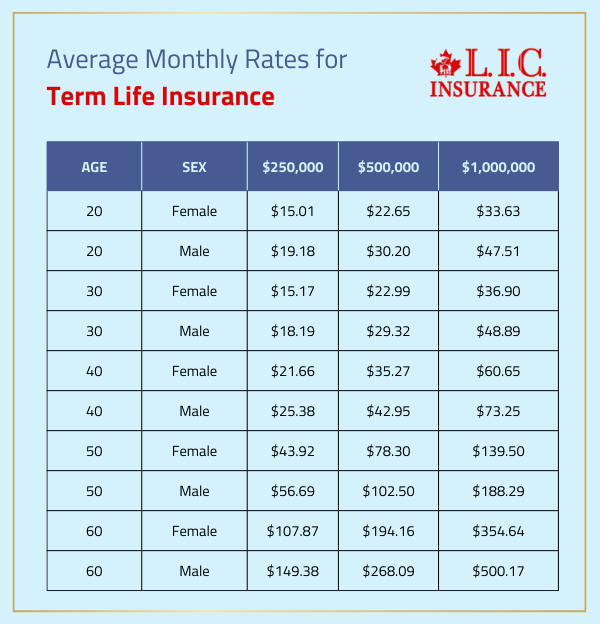
The cost of life insurance for a male aged 45 to 60 varies widely depending on age, health status, tobacco use, and the chosen face amount. Insurance carriers utilize complex pricing models, but general benchmarks illustrate the financial trajectory of purchasing coverage during this window.
For a healthy non-smoking male purchasing a $500,000 20-year term policy, annual premiums will be notably lower at age 45 than they would be for the same policy initiated at age 55. As an individual ages year by year through this bracket, the base cost of mortality risk steps upward. When evaluating quotes, applicants should request both guaranteed level term rates and re-entry term options to understand how prices behave after initial rate guarantees expire.
Furthermore, policy riders can adjust the overall cost and utility of the coverage. Common riders include Accelerated Death Benefits, which allow the insured to access a portion of the death benefit if diagnosed with a terminal illness, and Waiver of Premium riders, which pause premium payments if the insured becomes totally disabled. While these riders add marginal costs to the baseline premium, they provide essential financial safeguards against unexpected life disruptions during the earning years.
Practical Steps to Secure the Best Rates
Navigating the application process effectively requires preparation, transparency, and strategic shopping across multiple insurance carriers. Because underwriting guidelines vary significantly from one insurance company to another, what one carrier classifies as a "Standard" risk, another more lenient carrier may evaluate as "Preferred."
Actionable Steps for Applicants
- Assess Coverage Needs Accurately: Calculate outstanding debts, future income replacement requirements, and final expenses to determine the exact death benefit required, avoiding over-insurance that drives up costs unnecessarily.
- Review Medical Records in Advance: Obtain a personal copy of your medical history and address any unverified or outdated data before submitting an official application to prevent underwriting delays or misclassifications.
- Work with an Independent Broker: Independent agents can compare quotes across dozens of top-rated insurance carriers, matching your specific health profile with the company most favorable to your demographic and medical history.
- Prepare for the Parametrical Exam: Fast for the required number of hours before your medical exam, avoid caffeine and heavy exercise beforehand, and schedule the appointment during morning hours to ensure optimal blood pressure and blood chemistry readings.
- Disclose Accurately: Provide complete and truthful answers on the application regarding past medical treatments, travel, and lifestyle habits; non-disclosure can lead to policy rescission or denied claims later.
By approaching the market methodically, mature applicants can secure robust financial protection that aligns with their budget and safeguards their beneficiaries' long-term security.
Frequently Asked Questions
Can a 60-year-old male qualify for term life insurance?
Yes, many insurance carriers offer term life insurance policies to individuals up to age 70 or older, typically with maximum terms of 10 or 15 years. However, premiums will be substantially higher than policies purchased in a person's 40s, and medical underwriting will be strictly enforced to evaluate current health status and longevity risks.
Is a medical exam required for life insurance between ages 45 and 60?
Most traditional fully underwritten life insurance policies for individuals in this age bracket require a paramedical exam, which includes blood and urine testing, height, weight, and blood pressure measurements. Some carriers offer accelerated underwriting or no-exam term policies for qualified applicants with clean medical histories, though these often have lower coverage limits and higher base pricing.
How does tobacco use affect life insurance premiums for mature men?
Tobacco use—including cigarettes, cigars, pipes, and smokeless tobacco—causes life insurance premiums to double or even triple compared to non-smoker rates. Insurers categorize tobacco users under distinct rate classes, and applicants must typically be completely nicotine-free for a minimum of 12 to 36 months to qualify for standard or preferred non-smoker status.
What happens to a term life insurance policy after the term expires?
When a level-term policy expires, the coverage typically terminates, or the policyholder can choose to renew it on an annual renewable basis. However, annual renewal rates increase drastically each year based on attained age. Alternatively, many term policies feature a conversion privilege that allows the insured to convert all or part of the term policy into a permanent life insurance policy without undergoing a new medical exam.
Are life insurance payouts subject to income taxes for beneficiaries?
Generally, life insurance death benefits paid out to designated beneficiaries are entirely income tax-free under current federal tax laws. However, if the policy is owned by an estate or if the estate is named as the beneficiary, the proceeds may be subject to estate taxes depending on the total net worth of the deceased and prevailing tax thresholds.
Can I get life insurance if I have pre-existing medical conditions like high blood pressure or diabetes?
Yes, many men with controlled pre-existing conditions successfully obtain life insurance coverage. Underwriters evaluate how well the condition is managed, compliance with prescribed treatment plans, stability over time, and the absence of secondary complications. Working with an independent broker helps identify insurance companies that specialize in specific medical risk categories.