John Cage’s 4'33" is a revolutionary three-movement composition consisting entirely of silence, instructing performers not to play their instruments for four minutes and thirty-three seconds, thereby challenging traditional definitions of music by directing the audience's attention toward the ambient sounds of the environment.
Introduction to John Cage and the Genesis of 4'33"
When people encounter avant-garde music, few works generate as much debate, confusion, and fascination as the composition universally known as 4 33 silent song by john cage. Formally titled 4'33" (pronounced "four minutes, thirty-three seconds"), this piece is not actually a song in the traditional lyrical sense, but rather a landmark conceptual composition for any instrument or combination of instruments. Premiered on August 29, 1952, in Woodstock, New York, by pianist David Tudor, the piece has spent decades challenging what humanity defines as music, performance art, and sound itself.
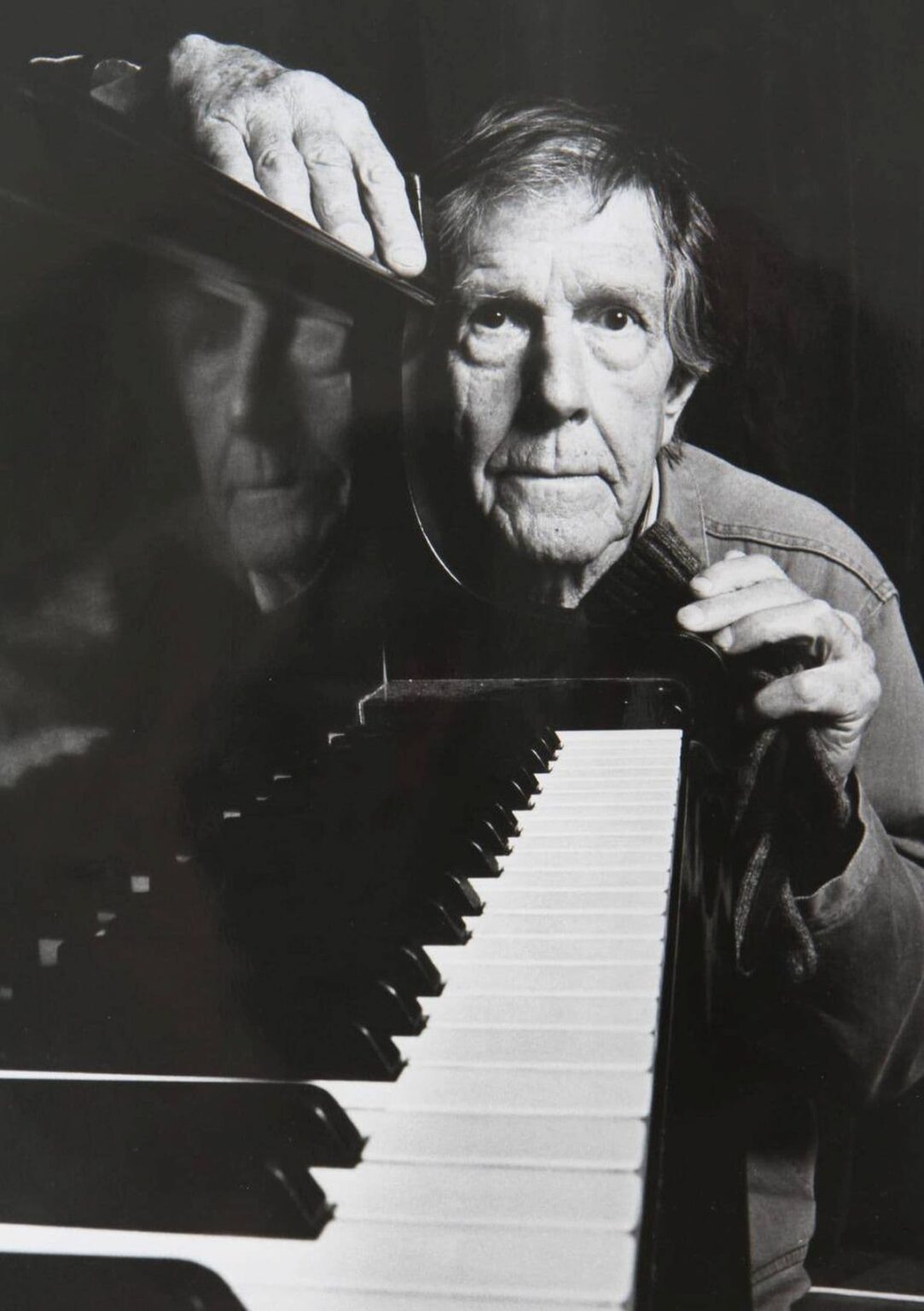
To understand 4'33", one must look beyond the physical score and examine the philosophical framework of its creator, American composer John Cage (1912–1992). Cage was heavily influenced by Zen Buddhism, modern art, and the writings of Meister Eckhart. He sought to dismantle the barrier between art and everyday life. Before creating 4'33", Cage experimented extensively with prepared pianos, chance operations, and silence. However, his visit to an anechoic chamber at Harvard University in 1951 became the ultimate catalyst for the piece. Inside the soundproof room, Cage expected to hear absolute silence, but instead heard two distinct sounds: his nervous system operating and his blood circulating. This realization changed his understanding of acoustics forever: there is no such thing as empty, silent space. Sound is always present as long as life exists.
Structure and Performance Specifications of the Piece
Despite the popular misconception that 4'33" is merely a stunt or a blank page, the composition features a formal structure that mirrors traditional classical music forms. The score directs the performer to sit at a piano—or stand with any instrument—and indicate the beginning and end of each movement by closing and opening the piano keyboard lid, or by making a comparable physical gesture.
The structural breakdown of the piece relies on a rigorous adherence to time lengths derived from Cage's use of chance operations, specifically the I Ching (Book of Changes). The movements are divided into specific durations:
- First Movement: Tacit (silent), lasting a precise duration calculated by the composer's chance procedures.
- Second Movement: Tacit (silent), continuing the duration framework without intentional musical notes played by the performer.
- Third Movement: Tacit (silent), concluding the performance cycle.
The total duration of four minutes and thirty-three seconds is a common point of discussion. While the premiere performance by David Tudor clocked in at this exact length using a stopwatch to measure the movements (33 seconds for the first movement, 2 minutes and 40 seconds for the second, and 1 minute and 20 seconds for the third), subsequent interpretations do not require this exact timing. The title itself serves as a temporal proportion rather than a mandatory strict stopwatch limit, though modern recordings and performances often adhere strictly to the 4:33 runtime out of historical reverence.
The Philosophical Core: What Happens During the Silence?
The core premise of 4'33" is a radical shift in perspective. When a performer stops producing intentional sounds, the listener's focus redirects entirely to unintentional sounds. During a performance of 4'33", the "music" consists of everything happening in the room:
- Environmental Noise: The hum of the building's heating or air conditioning system, traffic outside the venue, or rain pattering on the roof.
- Audience Reactions: Shifting in seats, nervous coughing, whispered conversations, laughter, sighs of indignation, and the collective breathing of the room.
- Physiological Sounds: Heartbeats, stomach rumbles, and the ringing of tinnitus in the ears of individual listeners.
By stripping away the ego of the composer and the virtuosity of the performer, Cage democratized sound. He argued that all sounds are worthy of musical contemplation. In this sense, 4'33" acts as a frame placed around a slice of time, much like a picture frame isolates a portion of visual reality. The audience members become the primary composers and performers of the piece, as their active listening gives shape and meaning to the acoustic environment.
Historical Reception and Cultural Impact
The public reaction to the premiere of 4'33" in 1952 was swift, visceral, and largely hostile. Performed at the Maverick Concert Hall in Woodstock by David Tudor, the audience—comprising avant-garde artists, critics, and local music enthusiasts—did not immediately understand the conceptual framework. Contemporary accounts note that audience members whispered, muttered, walked out in anger, and accused Cage of practical jokes and artistic fraud. They expected traditional piano artistry and felt cheated out of a musical experience.
Over the decades, however, cultural perception shifted dramatically. 4'33" evolved from a scandalous avant-garde provocation into a foundational pillar of 20th-century musicology, conceptual art, and minimalism. It paved the way for genres like ambient music (pioneered by Brian Eno), environmental sound art, and conceptual performance art.
Comparison of Avant-Garde Sound Strategies
| Composition / Concept | Primary Focus | Role of Performer | Audience Engagement |
|---|---|---|---|
| John Cage – 4'33" | Environmental ambient noise, temporal framing | Frame time boundaries, remain silent | Active listener becomes composer of ambient sound |
| Traditional Classical Sonata | Melodic development, harmonic tension and resolution | Execute written notes with technical mastery | Passive or appreciative consumer of structured art |
| Ambient Music (e.g., Brian Eno) | Textural tone, atmospheric background presence | Produce recorded audio designed to be ignorable and interesting | Immersive, ambient background perception |
| Musique Concrète | Manipulation of recorded everyday sounds (tape loops) | Assemble pre-recorded sonic collages in a studio | Analytical listening to transformed source materials |
Common Misconceptions and Troubleshooting the Concept
Because 4'33" defies conventional logic, several myths and misunderstandings surround the work. Addressing these points clarifies the intellectual rigor behind Cage's composition.
- Myth 1: It is a joke with no artistic value. While Cage possessed a playful sense of humor, 4'33" was the result of years of philosophical inquiry into acoustics, Asian philosophy, and phenomenology. It requires immense discipline for a performer to sit in front of an expectant crowd in total silence.
- *Myth 2: Any period of silence is 4'33".* Silence alone is not the composition. The work is specifically framed as a musical performance within a designated concert space or media format, requiring a performer to mark the boundaries of the movements.
- Myth 3: Cage stole the idea. Some pop-culture trivia points to earlier conceptual pieces or jokes about silent music, but Cage’s execution formalized silence as an acoustic canvas within the Western classical tradition, bridging modern art and music theory in a way no predecessor had.
Frequently Asked Questions About John Cage's 4'33"
Can 4'33" be played on any instrument?
Yes. The score indicates that the piece can be performed by any instrument or combination of instruments, ranging from a solo accordion or orchestra to a solo electric guitar. The instrumentation instruction simply states "Tacet" (silent) for all movements.
Is there an official sheet music score for 4'33"?
Yes, multiple versions of the score exist, including original manuscript versions and published editions by Peters Edition. The score features traditional musical staff lines, dynamic markings, and rests, but lacks any pitch instructions, noting only the temporal duration of each movement.
Did John Cage make money from a completely silent song?
Copyright laws and performance royalties apply to 4'33" just like any other musical work. When orchestras or ensembles perform the piece publicly, licensing fees are paid to the copyright holders, creating a unique irony where royalties are generated by a composition containing no notes.
Why is it often called a "song" if there are no vocals?
While musicologists correctly classify 4'33" as an instrumental composition or conceptual piece, everyday vernacular often uses the word "song" as a catch-all term for any recorded or performed track of music.
How do modern audiences react to performances today?
Today, performances of 4'33" are met with respectful contemplation, knowing smiles, or academic interest. Because the piece is widely known, the element of shock is replaced by a conscious, shared mindfulness among the audience members as they listen to the ambient noises of the modern concert hall.
Practical Next Actions and Listening Guidance
To truly appreciate 4'33", one should not simply read about it; one should experience it. Find a quiet room, set a timer for four minutes and thirty-three seconds, and commit to making no intentional sound while observing every acoustic detail around you. Alternatively, seek out verified recordings of orchestras performing the work, such as the orchestral version recorded by the BBC Symphony Orchestra or piano interpretations available on major music platforms. Pay close attention to how your perception of time stretches and how minor background noises assume musical qualities when framed with intentional awareness.