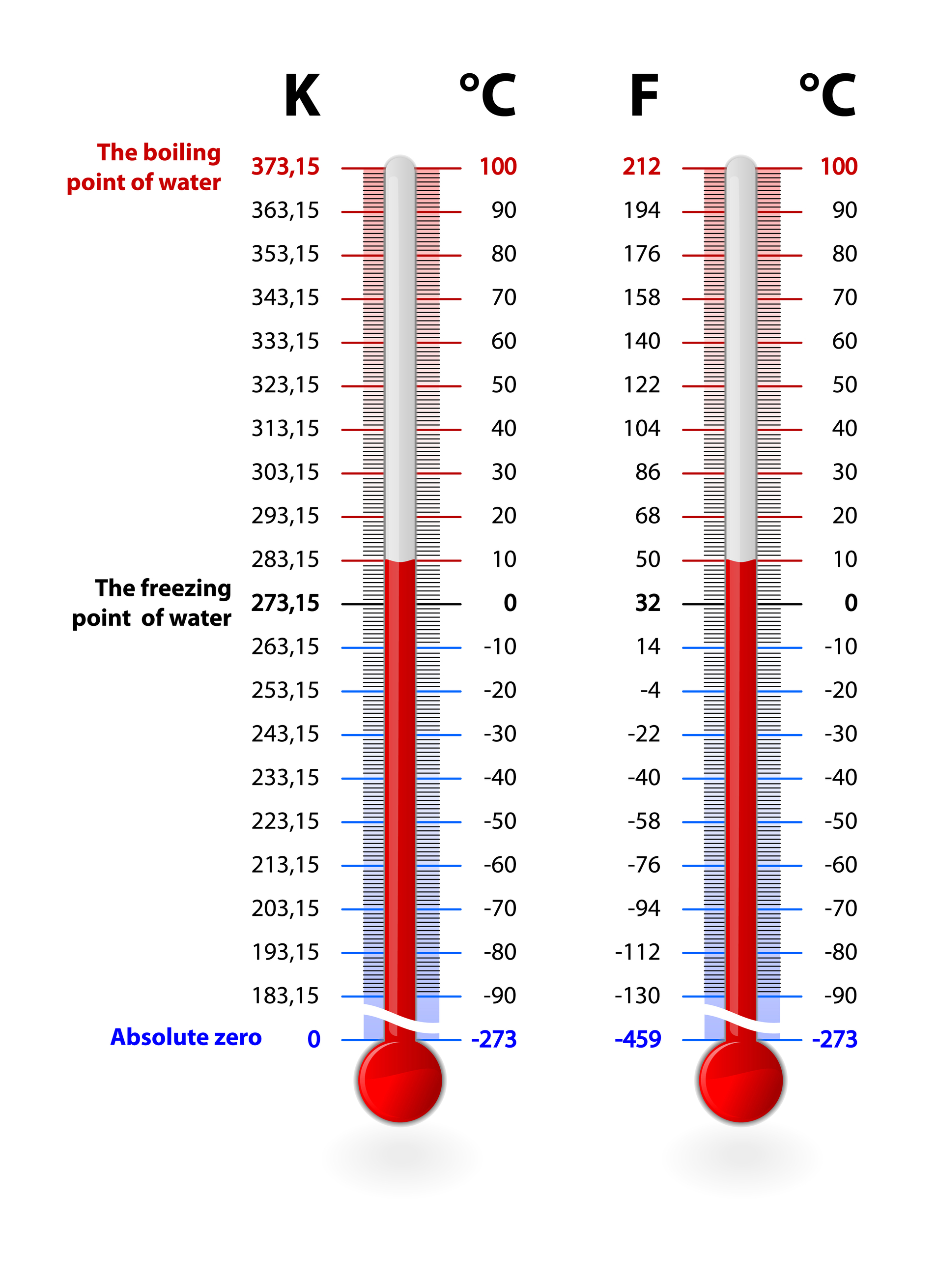
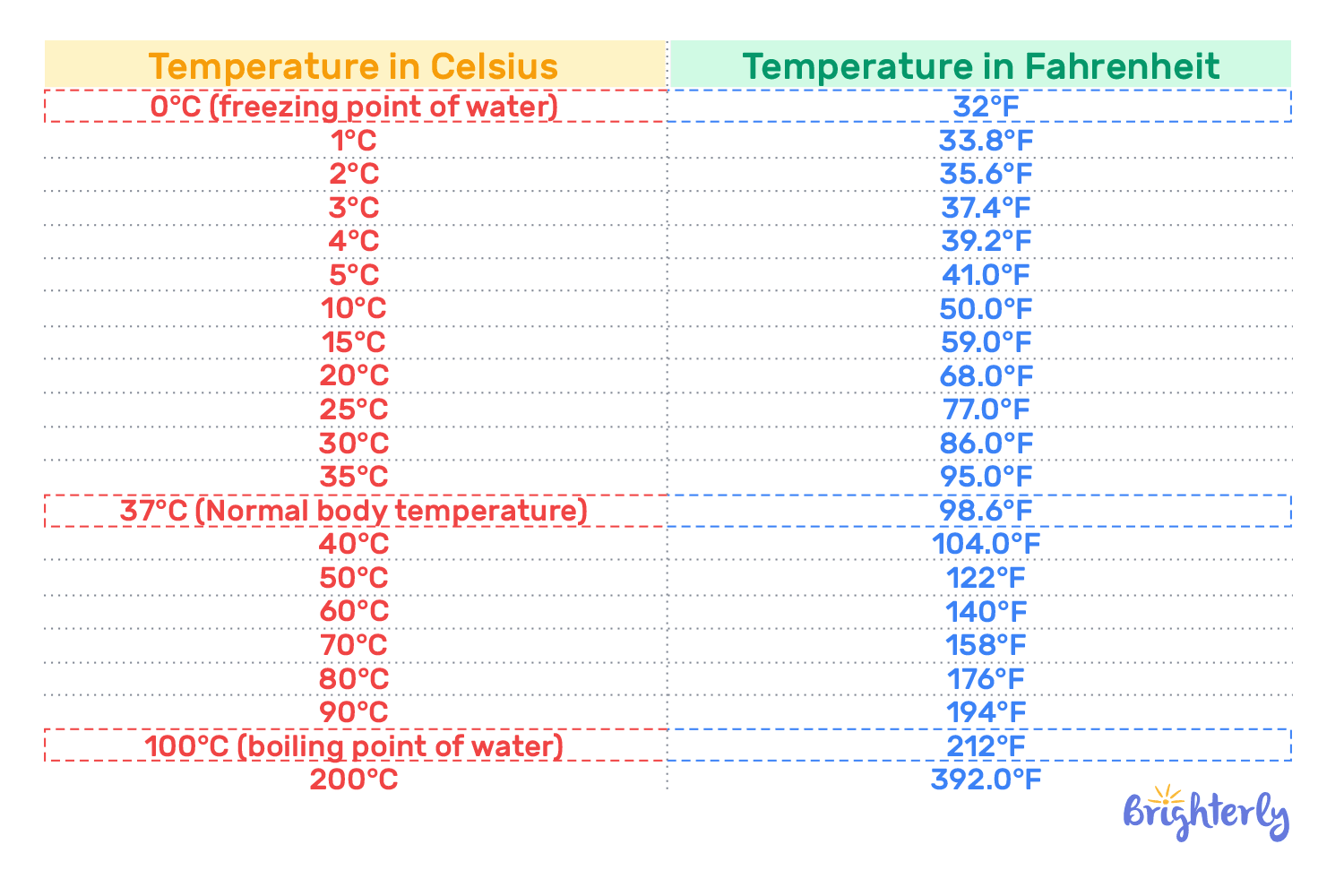
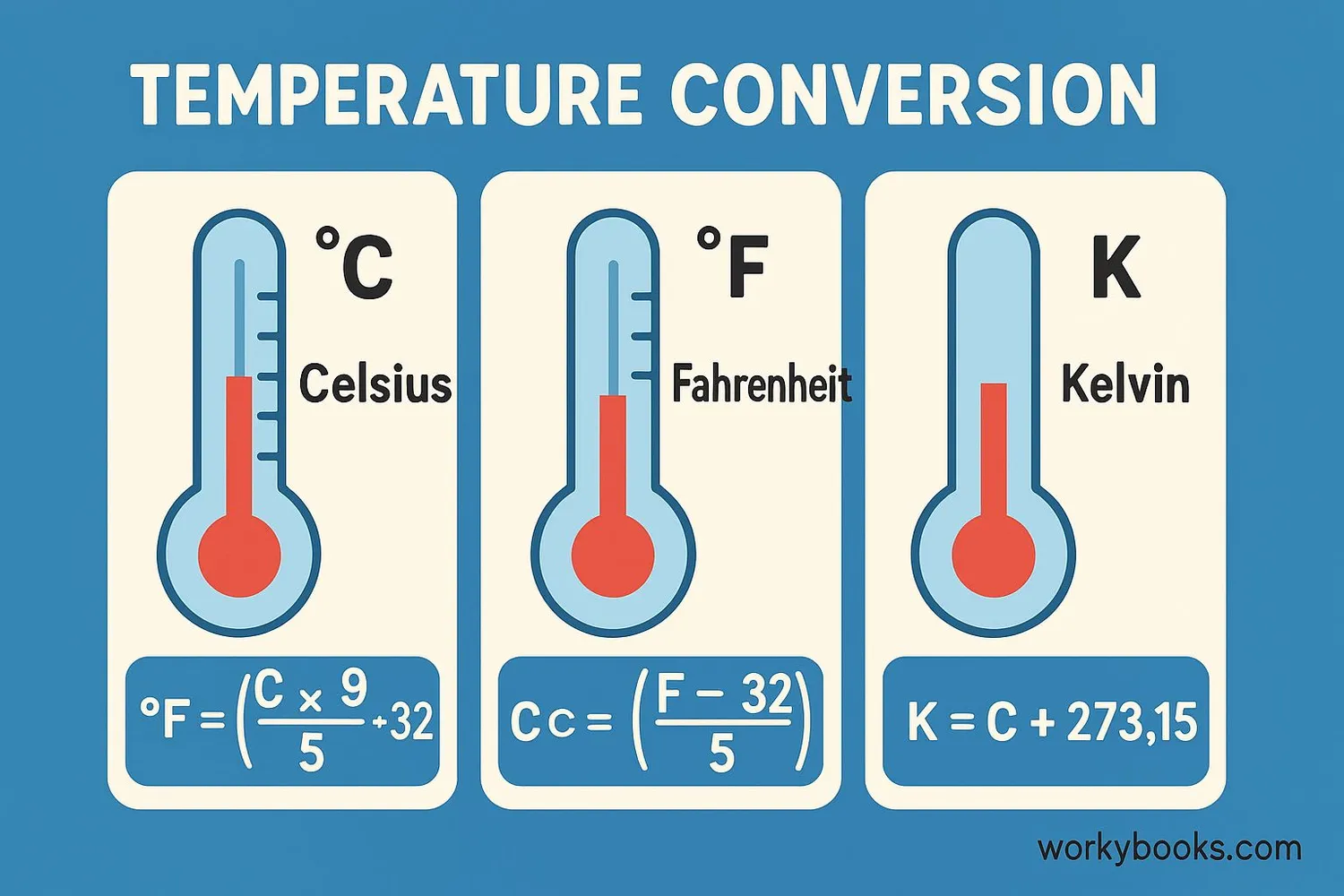
A body temperature of 37.5 degrees Celsius (99.5 degrees Fahrenheit) is typically classified as a low-grade fever or a subfebrile state. While it sits slightly above the traditional "normal" average of 37.0°C, it often represents a minor immune response, environmental factors, or natural daily fluctuations rather than an immediate medical crisis.
Defining the Baseline: What is Normal in 2026?
For over a century, 37.0°C (98.6°F) was the undisputed gold standard for human body temperature, established by German physician Carl Wunderlich in 1851. However, as we look at medical data in 2026, healthcare professionals acknowledge that "normal" is a range rather than a single point. Recent longitudinal studies have shown that the average human body temperature has been steadily declining over the last 150 years, with many healthy adults now registering a baseline closer to 36.4°C or 36.6°C.
In this context, a reading of 37.5 degrees Celsius is technically elevated. It occupies the gray area between a standard healthy temperature and a clinical fever (usually defined as 38.0°C or higher). Understanding whether this number is a cause for concern requires looking at the individual’s baseline, the time of day, and the method of measurement.
The Role of the Hypothalamus
The body’s temperature is regulated by the hypothalamus, a small portion of the brain that acts as a thermostat. It balances heat production (from metabolic processes and muscle activity) with heat loss (through the skin and lungs). When the body detects a perceived threat—such as a virus, bacteria, or even extreme stress—the hypothalamus may "reset" the target temperature to a higher level. A reading of 37.5°C suggests the body is either in the process of raising its temperature to fight an invader or is reacting to internal physiological changes.
Factors Influencing a 37.5°C Reading
A single temperature reading of 37.5°C rarely tells the whole story. Several variables can push a person’s temperature into this subfebrile range without indicating a disease state.
Circadian Rhythm and Time of Day
Human body temperature is not static; it follows a diurnal rhythm. It is typically at its lowest in the early morning (around 4:00 AM) and reaches its peak in the late afternoon or early evening (between 4:00 PM and 8:00 PM). A reading of 37.5°C at 5:00 PM might be a perfectly normal peak for many individuals, whereas the same reading at 4:00 AM would be considered a significant deviation from the norm.
Measurement Site Variations
The accuracy and "normal" range of a 37.5°C reading depend heavily on where the thermometer was placed. Different parts of the body retain heat differently:
- Oral (Mouth): 37.5°C is a low-grade fever.
- Axillary (Armpit): 37.5°C is more significant. Because the armpit is an external site, it usually reads 0.5°C to 1.0°C lower than core temperature. An axillary reading of 37.5°C often suggests a core temperature closer to 38.0°C or 38.5°C.
- Tympanic (Ear) or Rectal: 37.5°C is often considered within the normal range, as these methods measure core heat more directly.
- Temporal (Forehead): These scanners are highly susceptible to environmental conditions (like a warm room or direct sunlight) and may provide a 37.5°C reading if the skin surface is flushed.
Age and Physiological State
Age plays a critical role in interpreting temperature. Infants and young children tend to have higher baseline temperatures and more volatile fluctuations. For a toddler, 37.5°C is frequently seen during active play or teething. Conversely, in the elderly, the baseline temperature is often lower. For a 75-year-old, a reading of 37.5°C might indicate a more serious underlying infection than it would for a 25-year-old, as the aging immune system sometimes fails to produce a high fever even during severe illness.
Potential Causes of a Low-Grade Fever
When 37.5°C is not merely a result of the time of day or measurement error, it may be attributed to several biological or environmental factors.
1. Minor Infections
The most common cause of a 37.5°C reading is a mild viral infection, such as the common cold, early-stage influenza, or a minor respiratory tract infection. The body raises its temperature slightly to make the environment less hospitable for pathogens and to accelerate the production of white blood cells.
2. Physical Exertion and Thermogenesis
Heavy exercise generates significant internal heat. After a workout, it is common for the body temperature to remain elevated at 37.5°C or higher for several hours as it recovers. Similarly, the process of digesting a heavy meal (diet-induced thermogenesis) can cause a slight, temporary rise in temperature.
3. Hormonal Fluctuations
In women, the menstrual cycle significantly impacts body temperature. After ovulation, progesterone levels rise, typically causing the basal body temperature to increase by about 0.3°C to 0.5°C. This elevation persists until the start of the next period. During this luteal phase, a "normal" temperature of 37.5°C is quite common.
4. Stress and "Psychogenic Fever"
High levels of emotional stress or chronic anxiety can trigger the sympathetic nervous system, leading to what researchers call psychogenic fever. This is not a "true" fever caused by pyrogens (fever-inducing substances), but rather a manifestation of the body’s stress response, often hovering between 37.0°C and 38.0°C.
5. Medication and Vaccinations
Many medications, including certain antibiotics, antihistamines, and anti-seizure drugs, can cause a slight elevation in body temperature. Additionally, a low-grade fever of 37.5°C is a very common and healthy side effect of vaccinations, indicating that the immune system is learning to recognize a new pathogen.
Interpreting Temperature Ranges
To help distinguish between normal variation and clinical concern, the following table outlines how 37.5°C compares to other temperature thresholds for an average adult (oral measurement).
| Temperature (°C) | Temperature (°F) | Classification | Typical Action/Context |
|---|---|---|---|
| 36.1 - 37.2 | 97.0 - 99.0 | Normal Range | Standard daily variation. |
| 37.3 - 38.0 | 99.1 - 100.4 | Low-Grade Fever | Monitor symptoms; rest and hydration. |
| 38.1 - 39.0 | 100.5 - 102.2 | Moderate Fever | Common in flu or infections; consider fever reducers. |
| 39.1 - 40.0 | 102.3 - 104.0 | High Fever | Seek medical advice; focus on cooling and hydration. |
| 41.1+ | 106.0+ | Hyperpyrexia | Medical emergency; risk of brain or organ damage. |
When to See a Doctor
While 37.5°C is generally not dangerous on its own, it should be viewed as one piece of a larger diagnostic puzzle. Medical consultation is recommended if the low-grade fever is accompanied by:
- Duration: The temperature remains at 37.5°C or higher for more than three consecutive days without a clear cause.
- Persistent Fatigue: Unexplained exhaustion that does not improve with rest.
- Night Sweats: Waking up with soaked sheets, which can be a sign of chronic infections or other underlying conditions.
- Localized Pain: Sharp pain in the abdomen, chest, or ears.
- Rashes: Any new or unexplained skin eruptions.
- The "Elderly Rule": If an older adult (65+) has a persistent reading of 37.5°C, even without other symptoms, it warrants a call to a healthcare provider, as their baseline is typically lower.
In the case of infants under three months of age, any temperature above 38.0°C (rectal) is a medical emergency. For temperatures around 37.5°C in infants, parents should monitor behavior, feeding habits, and hydration levels closely and consult a pediatrician if the child seems unusually lethargic or irritable.
Management and Care for a 37.5°C Reading
If you or a family member records a temperature of 37.5°C, the focus should be on comfort and monitoring rather than aggressive suppression.
Hydration is Essential
Even a mild temperature increase can lead to increased fluid loss through respiration and perspiration. Drinking water, herbal teas, or electrolyte solutions helps the body maintain its thermoregulatory functions.
Rest and Environment
The body uses a significant amount of energy to maintain an elevated temperature for the immune system. Providing the body with rest allows it to direct those resources toward recovery. Ensure the room temperature is comfortable (around 20-22°C) and avoid heavy blankets, which can trap heat and push a low-grade fever higher.
Should You Take Medication?
For a reading of 37.5°C, medication like acetaminophen (Tylenol) or ibuprofen (Advil/Motrin) is usually not necessary unless the individual is experiencing discomfort, such as a headache or muscle aches. Many medical professionals suggest letting a low-grade fever "run its course," as the heat itself is a tool the immune system uses to fight off potential infections. According to the Mayo Clinic, treating a fever is more about patient comfort than bringing the number down to a specific "normal" value.
FAQ: Common Questions About 37.5°C
Is 37.5°C a fever in children?
In children, 37.5°C is generally considered a "subfebrile" or borderline temperature. While it is higher than the average, it is often caused by activity, heavy clothing, or a warm environment. If the child is acting normally, eating, and drinking, it is usually not a cause for concern. However, if it persists or is accompanied by lethargy, it should be monitored.
Can 37.5°C be my normal temperature?
Yes. For some individuals, a baseline of 37.5°C is within their natural "normal" range, especially if measured in the late afternoon. If you consistently track your temperature and find it is always around this mark while you feel healthy, it likely represents your personal physiological baseline.
Does 37.5°C indicate COVID-19 or other viral infections?
A low-grade fever of 37.5°C was a common early symptom noted in various respiratory viruses, including COVID-19 and influenza strains circulating in 2026. However, it is not diagnostic on its own. Testing and looking for other symptoms (cough, loss of taste/smell, fatigue) are necessary for an accurate diagnosis.
Should I stay home from work with a 37.5°C temperature?
Most workplace health guidelines in 2026 suggest that if you have an elevated temperature (37.5°C+) accompanied by respiratory symptoms (cough, sore throat), you should stay home to prevent spreading potential illness. If the 37.5°C reading is isolated and you feel perfectly fine, it may not be necessary to isolate, but monitoring for 24 hours is a prudent step.
How does dehydration affect body temperature?
Dehydration is a frequent cause of a slight temperature rise. When the body lacks sufficient water, it cannot produce enough sweat to cool itself efficiently through evaporation. This can lead to a "dehydration fever," where the temperature climbs to 37.5°C or higher simply because the cooling mechanism is stalled.
Recommendation for Next Actions
If you have recorded a temperature of 37.5°C, your first step should be to re-measure in 30 to 60 minutes after resting in a cool environment and drinking a glass of water. Ensure you haven't recently consumed hot liquids or engaged in physical exercise, as these can provide a false reading.
If the temperature remains at 37.5°C, keep a log of the time and any accompanying symptoms. For most healthy adults, this reading is a signal to prioritize sleep and hydration for the next 24 hours. Unless you are immunocompromised, elderly, or experiencing severe pain, there is usually no need for urgent medical intervention for an isolated 37.5°C reading.
Professional Advice Limitation: This article is for informational purposes only and does not constitute medical advice, diagnosis, or treatment. Always seek the advice of your physician or other qualified health provider with any questions you may have regarding a medical condition or temperature reading.