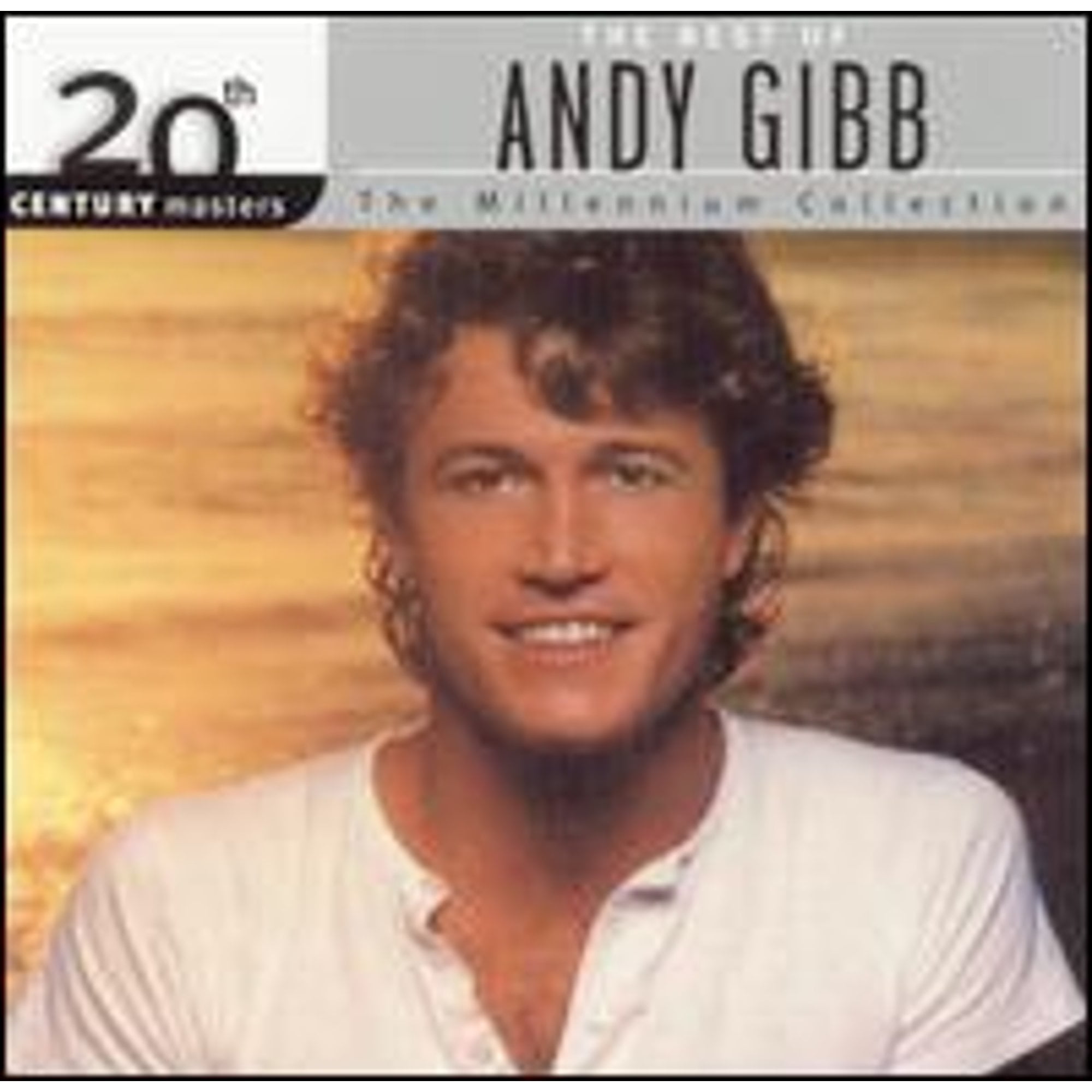
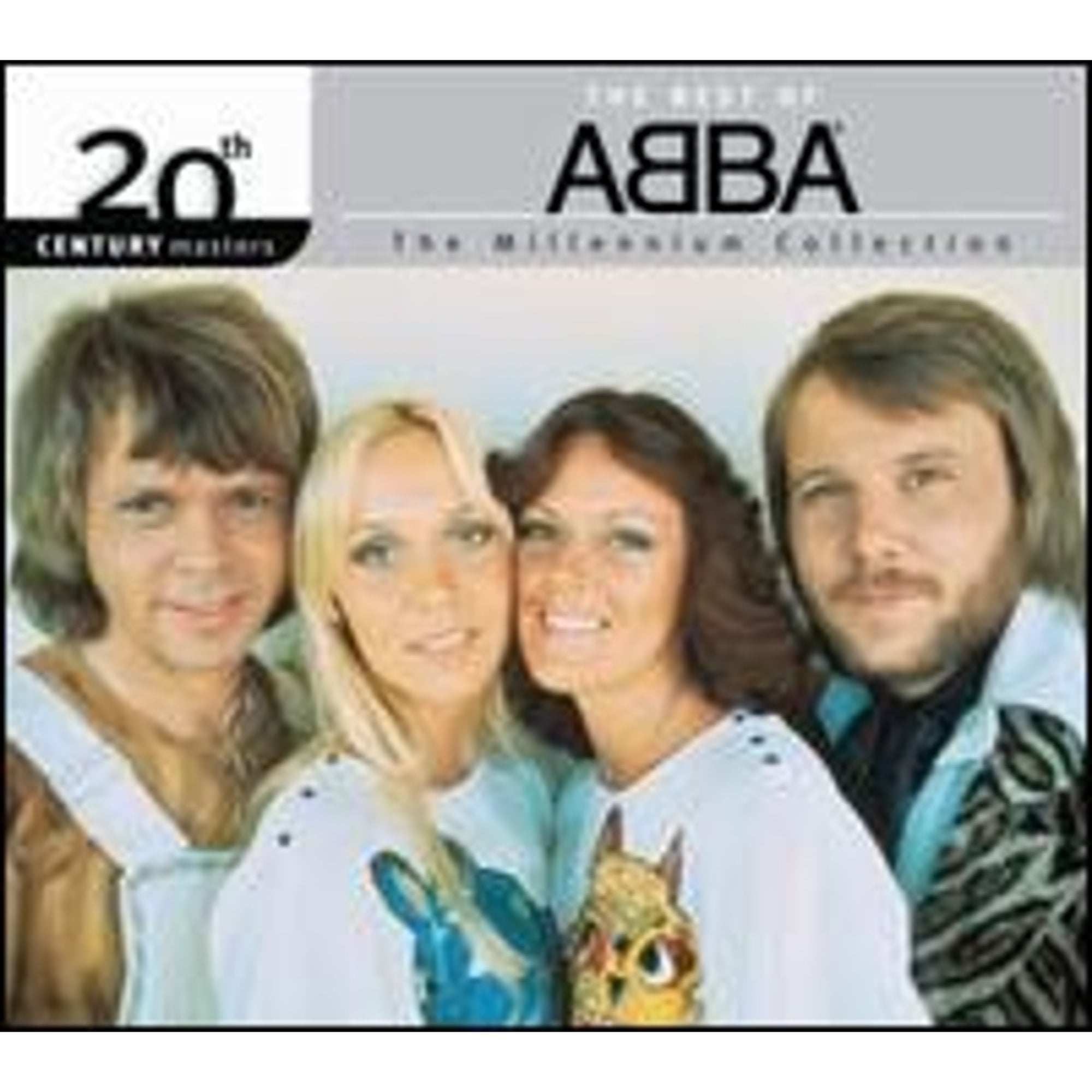
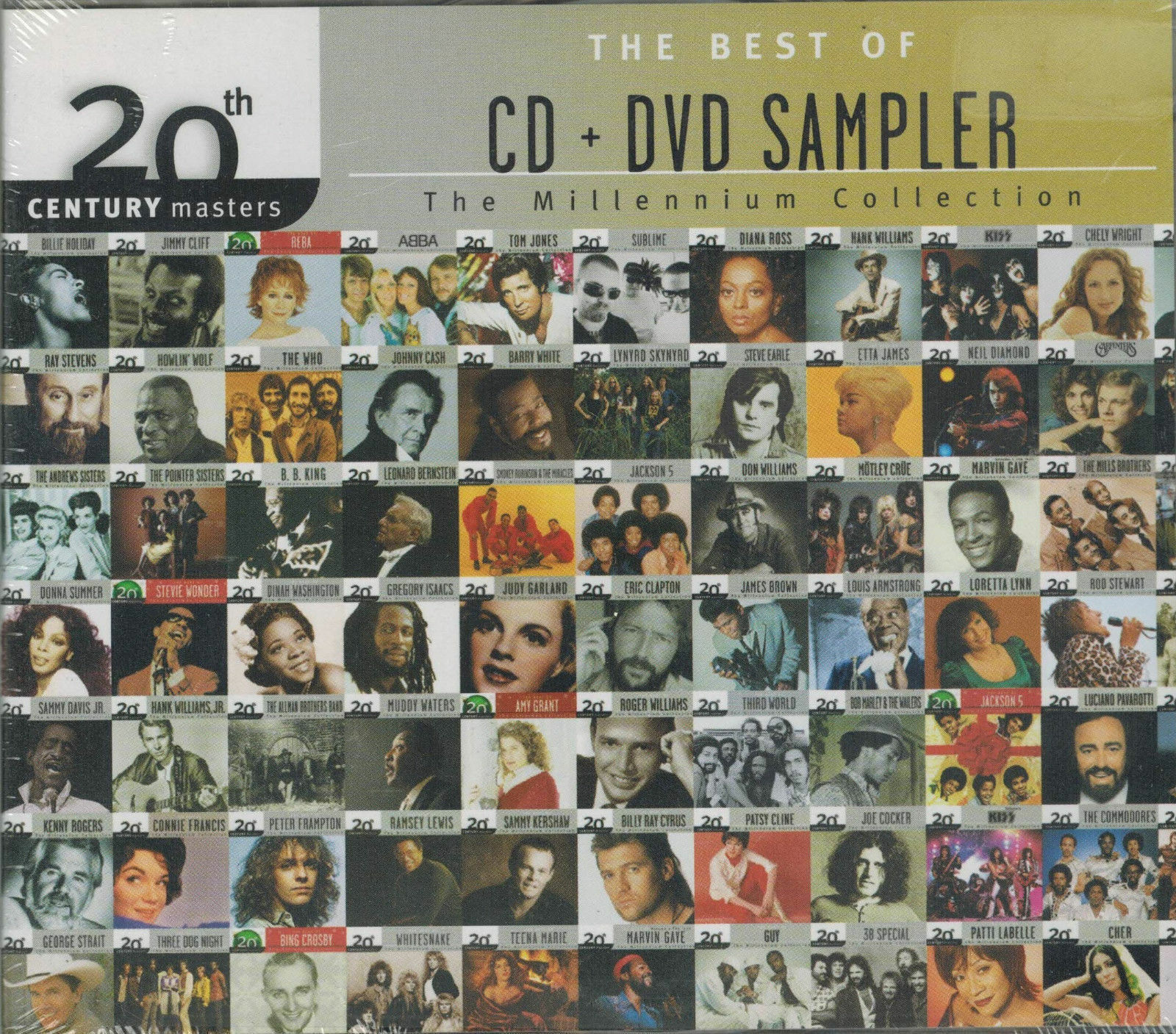
20th Century Masters: The Millennium Collection is a long-running series of compact disc compilations released by Universal Music Enterprises (UMe) starting in the late 1990s. Each volume serves as an introductory, budget-friendly overview of a prominent recording artist's career, typically featuring twelve signature songs drawn from their peak commercial and creative years.
Introduction to the Millennium Collection
The music industry underwent a massive commercial shift during the late 1990s and early 2000s, driven by the dominance of the compact disc format and a surging consumer demand for curated, greatest-hits packages. Major record labels looked for efficient ways to monetize their vast back catalogs without overwhelming casual listeners with expensive box sets or multi-disc retrospectives.
Universal Music Group addressed this market need through the launch of 20th Century Masters: The Millennium Collection. Rather than targeting dedicated audiophiles or completist collectors, these releases were engineered for everyday consumers seeking a concise, reliable overview of an artist's most recognizable work.
Over the years, the series expanded across multiple musical genres, including rock, pop, R&B, country, blues, and jazz. By housing these varied releases within a distinctive, uniform packaging style, Universal created a recognizable brand that became a staple of record store bins, department store music aisles, and online digital storefronts.
Historical Context and Release Strategy
The concept behind the series relied on simplicity, consistency, and accessibility. Launched dynamically as the year 2000 approached—with many initial titles hitting shelves in late 1999—the branding capitalized on a cultural fascination with summing up the achievements of the preceding decades.
Universal Music Group held an immense catalog of historic recordings following corporate consolidation, acquiring labels such as Motown, Decca, Chess, MCA, and various subsidiaries of PolyGram. The Millennium Collection provided an immediate mechanism to cross-license, package, and market these disparate archives under a single, cohesive banner.
A defining characteristic of the early release strategy was price point. Positioned as mid-line or budget releases, these albums lowered the financial barrier to entry for casual fans who might enjoy an artist's radio hits but did not want to invest in a full-priced studio album or an expensive retrospective box set.
This pricing strategy, combined with widespread distribution in non-traditional retail environments—such as department stores and electronics retailers—helped drive millions of physical units into circulation throughout the 2000s.
Structural Format and Tracklist Curation
Understanding how a typical volume in the series was structured requires looking at both the physical design and the selection of songs. While later digital distribution changed how fans consume music, the physical compact discs adhered to a strict stylistic template.
The Universal Visual Identity
One of the most recognizable aspects of the series is its minimalist packaging. Each release featured a uniform graphical layout:
- A stark white border framing the cover.
- A prominent, iconic photograph of the artist centered within the frame.
- Simple, bold typography denoting the artist's name and the series subtitle.
This standardized design created a powerful visual continuity on store shelves. A buyer browsing the rock or country section could instantly identify a Millennium Collection release by its stark white border, establishing immediate trust regarding the product's format and budget-friendly positioning.
Song Selection Methodology
The tracklists for these compilations were generally curated around commercial impact rather than deep-cut fan favorites. For most artists, a standard volume contained between ten and twelve tracks. The guiding principles for curation included:
- Chart Success: Inclusion of major Billboard Hot 100 or genre-specific chart hits.
- Cultural Resonance: Songs that defined an artist's public persona or a specific musical era.
- Streamlined Sequencing: Ordering tracks to maintain a casual listening flow, often avoiding overly complex chronological sequencing in favor of immediate engagement.
Scope of Genres and Participating Artists
The sheer breadth of the series is what cemented its cultural footprint. Universal did not restrict the banner to a single genre. Instead, the catalog spanned a vast spectrum of American and international music history.
Rock and Pop Legends
For rock and pop acts, the series offered concise entry points into massive catalogs. Volumes dedicated to classic rock icons, arena pop stars, and folk-rock singer-songwriters distilled decades of studio albums into their most commercially viable singles. These compilations frequently became the default gateway for younger generations discovering legacy acts through physical media or early digital download platforms.
R&B, Soul, and Motown Heritage
Because Universal controlled the legendary Motown Records catalog alongside other soul and R&B archives, the Millennium Collection became an essential vehicle for classic black music. Iconic vocal groups, solo soul singers, and funk pioneers received dedicated volumes that highlighted their foundational contributions to modern popular music. For many lesser-known artists within those legacy catalogs, the series provided a rare standalone compact disc compilation that kept their work accessible in retail environments.
Country, Blues, and Traditional Genres
The series also deeply penetrated American roots music. Country music legends from Nashville’s golden eras, Chicago blues icons from the Chess Records stable, and traditional jazz performers all received the Millennium Collection treatment. These releases often served an educational purpose, introducing listeners to foundational Delta blues or classic honky-tonk without requiring them to track down rare vinyl LPs or expensive box sets.
Comparison with Other Compilation Series
Record labels have utilized greatest-hits packages for decades, but the Millennium Collection occupied a specific niche in the market. Examining how it compares to alternative formats highlights its unique strengths and limitations.
| Compilation Type | Primary Target Audience | Typical Track Count | Price Point & Packaging |
|---|---|---|---|
| Millennium Collection | Casual listeners, budget-conscious buyers | 10–12 tracks | Mid-line / Budget; uniform white-border design |
| Definitive Box Sets | Dedicated fans, completists, audiophiles | 40–80+ tracks across multiple discs | Premium; extensive liner notes, rare tracks, hardbound books |
| Standard Greatest Hits | General music consumers | 14–20 tracks | Standard retail price; artist-specific custom artwork |
| Digital Playlists | Modern streaming audiences | Variable (User-generated or algorithmic) | Free or subscription-based; intangible digital formats |
While comprehensive box sets offer superior value for die-hard fans who want demos, B-sides, and exhaustive liner notes, they are often prohibitively expensive and physically bulky. Conversely, standard artist-specific greatest hits packages often vary wildly in design quality and track selection criteria.
The Millennium Collection struck a middle ground: predictable length, affordable pricing, and a no-frills presentation that focused entirely on core hits.
Transition to the Digital Age and Streaming Era
As digital distribution matured throughout the late 2000s and 2010s, the consumer habits that originally fueled the physical compact disc market underwent a profound transformation. Physical CD sales declined sharply, and music consumption shifted toward digital downloads and, eventually, subscription-based streaming services like Spotify, Apple Music, and Amazon Music.
Despite this shift, the Millennium Collection brand successfully transitioned into the digital ecosystem. Universal Music Enterprises made vast segments of the catalog available on digital storefronts (such as the iTunes Store) and streaming platforms.
In the streaming era, these compilations often function as pre-curated artist playlists. While users can easily build custom playlists of an artist's top songs, the legacy Millennium Collection albums remain functional artifacts—often serving as editorialized entry points curated by label archivists for algorithmic discovery pages.
Common Criticisms and Limitations
While the series succeeded commercially, it faced several criticisms from music critics, historians, and dedicated fans of the featured artists.
- Omission of Deep Cuts: Because tracklists were strictly capped around ten to twelve songs, seminal album tracks, fan favorites, and important non-single compositions were frequently left off.
- Licensing and Variant Volumes: Over its long production run, some artists received multiple volumes under slightly different sub-series titles or updated tracklists, which occasionally confused casual buyers.
- Mastering Variations: Depending on the specific year of release and the sub-label handling the pressing, audio mastering quality varied. Some purists argued that certain volumes utilized overly compressed digital remasters compared to original album pressings.
- Redundancy for Collectors: For consumers who already owned an artist's core studio albums, the series offered zero new material, rendering it entirely redundant for non-casual listeners.
Frequently Asked Questions
How many albums were released in the Millennium Collection series?
Universal Music Enterprises released hundreds of distinct volumes under the banner across multiple decades, making it one of the largest continuous compact disc compilation series in music history. The exact total fluctuates as new artist editions, regional variants, and digital-only configurations were introduced.
Are these compilations considered official releases?
Yes. The series is an official product line owned and distributed by Universal Music Enterprises (UMe) and its subsidiary labels, utilizing master tapes licensed directly from the original recording archives.
Do these albums feature rare tracks or unreleased recordings?
Generally, no. The primary design philosophy of the series focused strictly on commercially proven, well-known hit singles rather than rarities, demos, or live outtakes.
Can I still find these compact discs for sale?
While retail record stores no longer stock large supplies of new physical pressings, millions of copies remain in circulation through the secondary market, used CD shops, independent online sellers, and digital streaming platforms.
How do I know if a specific artist has a Millennium Collection volume?
You can search major online music databases like Discogs or streaming platforms by entering the artist's name alongside the phrase "Millennium Collection" to view available digital and physical editions.
Practical Next Steps for Music Listeners
For listeners exploring legacy catalogs, deciding whether to engage with a Millennium Collection release depends entirely on your listening goals. If you are looking for a quick, reliable introduction to a classic artist's most famous radio hits without sorting through twenty full-length studio albums, these concise compilations remain an efficient starting point.
Conversely, if you seek comprehensive artistic depth, rare studio outtakes, or detailed liner notes, investing in artist-specific box sets or diving directly into canonical studio albums will yield a more rewarding musical experience. Use streaming platforms to preview a volume's tracklist before purchasing physical media on the secondary market to ensure the selection aligns with your personal musical tastes.