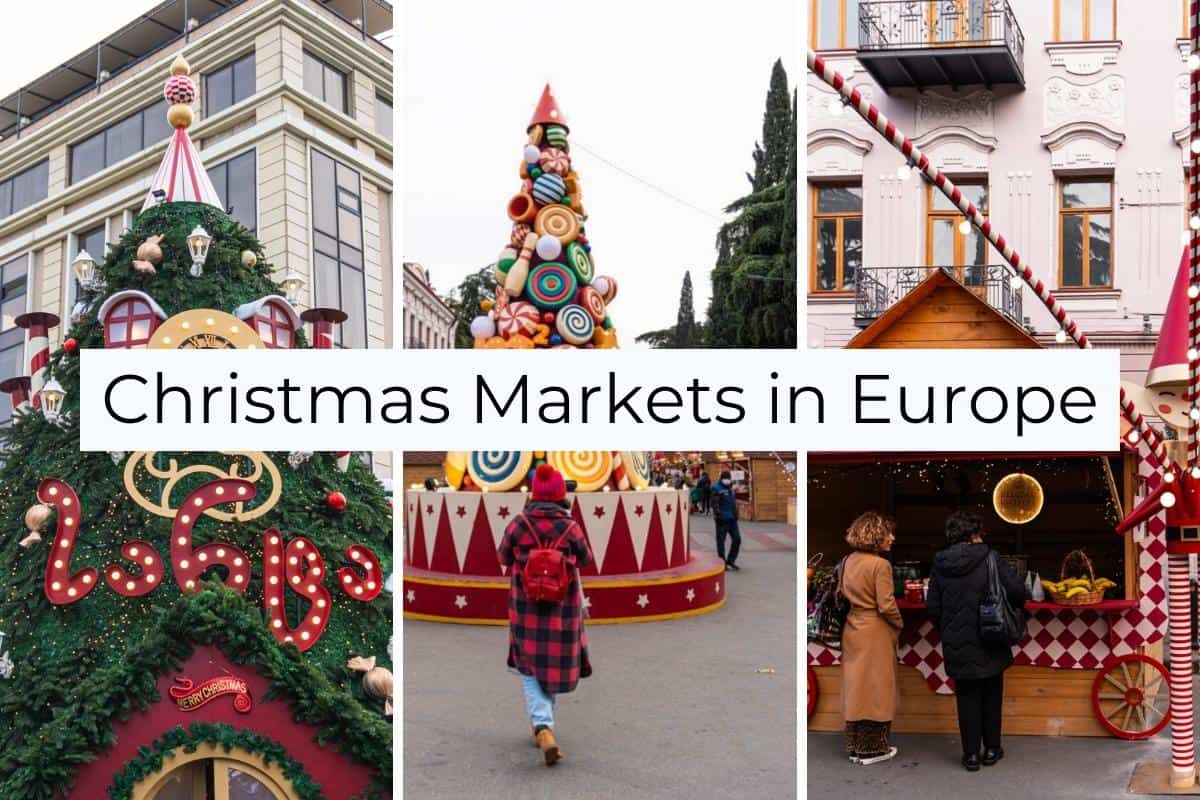
The 2025 European Christmas market season officially ran from mid-November 2025 through early January 2026, with most major markets in Germany, Austria, and France operating from November 21 to December 24, 2025. Select destinations in Central and Eastern Europe, including Prague, Budapest, and Brussels, extended their dates past Christmas Day into the first week of January 2026.
Understanding the European Christmas Market Calendar Mechanics
Planning a trip around European Christmas markets requires understanding the calendar rules that govern when stalls open and close. Across Western and Central Europe, opening dates are heavily dictated by the Christian liturgical calendar—specifically the period of Advent. In 2025, the First Sunday of Advent fell on November 30, 2025.
In traditional market destinations such as Germany and Austria, markets typically launch on the Friday before the First Sunday of Advent, though major municipal markets now routinely open earlier in mid-November to accommodate high tourist demand. However, regional laws play a strict role in operational days.
In Germany, the religious solemn holiday of Totensonntag (Sunday of the Dead) directly affects market schedules. On November 23, 2025, markets across several German federal states—including North Rhine-Westphalia, Bavaria, and Baden-Württemberg—were required by law to remain closed or observe quiet trading hours without live music or public festivities.
Typical Market Calendar Flow (2025 Season): Mid-November 2025: Early Openings (Vienna, Budapest, Cologne) Nov 23, 2025: Totensonntag Closure / Quiet Day (Germany) Late November 2025: Peak Season Launch (Strasbourg, Nuremberg, Prague) Dec 23–24, 2025: Standard Closure for Traditional Western Markets Jan 1–7, 2026: Extended Season Closure for Eastern / Capital Markets
While traditional markets in Germany and France close on December 23 or midday on December 24 so vendors can return home for Christmas Eve celebrations, capital cities in Belgium, the Czech Republic, Hungary, and Croatia run extended "Winter Festival" formats. These markets remain open through New Year’s Day and Epiphany (Three Kings Day on January 6), providing options for travelers visiting Europe during late December and early January.
Comprehensive 2025 European Christmas Market Schedule Table
The following table provides verified operating dates and key structural highlights for major European Christmas markets during the 2025 winter season.
| City & Country | Market Name / Location | 2025 Opening Date | 2025 Closing Date | Operational Notes & Specialty |
|---|---|---|---|---|
| Vienna, Austria | Rathausplatz (Viennese Dream) | Nov 14, 2025 | Dec 26, 2025 | Mid-November start; ice skating trail throughout Rathauspark. |
| Budapest, Hungary | Advent Basilica (St. Stephen's) | Nov 14, 2025 | Jan 1, 2026 | Light projection shows on the cathedral façade daily. |
| Cologne, Germany | Cologne Cathedral (Kölner Dom) | Nov 17, 2025 | Dec 23, 2025 | Closed Nov 23 for Totensonntag; iconic backdrop under central tree. |
| Strasbourg, France | Christkindelsmärik (Grande Île) | Nov 26, 2025 | Dec 24, 2025 | Known as the "Capital of Christmas"; strict pedestrian security zone. |
| Dresden, Germany | Striezelmarkt (Altmarkt) | Nov 26, 2025 | Dec 24, 2025 | Germany's oldest documented market (founded 1434); famous Stollen festival. |
| Basel, Switzerland | Münsterplatz & Barfüsserplatz | Nov 27, 2025 | Dec 23, 2025 | Swiss artisan crafts, regional fondue, and historic old town lighting. |
| Nuremberg, Germany | Christkindlesmarkt (Hauptmarkt) | Nov 28, 2025 | Dec 24, 2025 | Strict traditional rules: no plastic decorations or recorded pop music. |
| Brussels, Belgium | Winter Wonders (Plaisirs d'Hiver) | Nov 28, 2025 | Jan 4, 2026 | Spans Grand Place to Place Sainte-Catherine; massive sound & light show. |
| Prague, Czech Republic | Old Town Square & Wenceslas Sq. | Nov 29, 2025 | Jan 6, 2026 | Open daily through Epiphany; live nativity and local trdelník pastries. |
| Zagreb, Croatia | Advent Zagreb (Ban Jelačić / Parks) | Nov 29, 2025 | Jan 7, 2026 | Multi-award winner; decentralized food and music zones across lower city. |
Germany & Austria: The Traditional Heartlands
Germany and Austria represent the historical epicenter of European Christmas market culture. During the 2025 season, these destinations maintained high standards of traditional craftwork, strict regional food regulations, and classic winter ambiance.
Major German Destinations
Germany’s network of Christmas markets is vast, but five regional hubs anchored the 2025 holiday travel calendar:
- Cologne: Operating seven distinct markets across the city, Cologne opened its Cathedral Market (Weihnachtsmarkt am Kölner Dom) early on November 17, 2025. Its central stage featured over 100 free musical performances before wrapping up on December 23.
- Nuremberg: The world-famous Nürnberger Christkindlesmarkt opened on November 28, 2025, following the traditional opening prologue delivered by the elected Christkind from the balcony of the Church of Our Lady. The market ended promptly at 2:00 PM on Christmas Eve.
- Dresden: Celebrating its 591st year, the Dresden Striezelmarkt ran from November 26 through December 24, 2025. It highlighted Saxon woodcrafts from the Ore Mountains (Erzgebirge) and traditional Dresdner Stollen fruit bread.
- Munich: Centered on Marienplatz, Munich's market opened on November 24, 2025, featuring historic gingerbread (Lebkuchen) stalls and the traditional Krampus run through the medieval center.
Austrian Highlights
Austria’s holiday season blends imperial grandeur with Alpine traditions.
- Vienna: The Austrian capital was among the earliest to open in 2025. The Christkindlmarkt at the City Hall Square (Rathausplatz) opened on November 14, 2025, allowing travelers to experience the illumination of the surrounding parklands early in the season. Secondary markets, such as the Culture and Christmas Market at Schönbrunn Palace, operated through January 4, 2026, transitioning into New Year's markets after December 25.
- Salzburg: The historic Salzburger Christkindlmarkt, set against the backdrop of the Salzburg Cathedral and Hohensalzburg Fortress, opened on November 20 and ran through December 26, 2025, featuring daily choral performances and traditional wind musicians.
[ Central European Rail Access ] / \ (ICE: Cologne to Munich) (Railjet: Munich to Vienna) | | [German Markets] [Austrian Markets] (Nov 17 - Dec 24) (Nov 14 - Dec 26)
France & Switzerland: Alsatian Magic and Alpine Markets
The border regions of eastern France and Switzerland offer distinct cultural variations on the holiday market concept, pairing timber-framed architecture with high-end culinary traditions.
The Alsace Region of France
Alsace features some of Europe's most heavily visited holiday events. The regional official tourism organization, Alsace Tourism, coordinates transit and crowd management across the region.
- Strasbourg: The 2025 Christkindelsmärik ran from November 26 through December 24. Spread across 10 locations on the UNESCO World Heritage Grande Île, Strasbourg enforced strict pedestrian security checkpoints around the island perimeter. Stalls focused heavily on Alsatian wine, Bredele cookies, and handcrafted ornaments.
- Colmar: Located just south of Strasbourg, Colmar opened its six themed markets on November 25, 2025, running through December 29. Colmar’s compact medieval footprint allowed visitors to explore distinct culinary and craft zones, including an indoor artisan market at the Koïfhus.
Swiss Alpine Markets
Switzerland’s markets focus on craftsmanship, local cheeses, and crisp Alpine scenery:
- Basel: Widely recognized as one of Switzerland’s largest holiday markets, Basel’s events at Barfüsserplatz and Münsterplatz opened on November 27 and concluded on December 23, 2025. The illuminated historic trees on Münsterplatz and traditional Swiss raclette stalls remained central attractions.
- Zurich: Zurich hosted multiple markets starting November 20, 2025, including the indoor Christkindlimarkt at the central railway station (HB), famous for its massive decorated tree, and the Wienachtsdorf at Sechseläutenplatz near the opera house.
Central & Eastern Europe: Extended Festivities
For travelers seeking markets that extend beyond December 24, Central and Eastern European capitals provide prolonged operating schedules through the end of December and into early January.
Extended Season Operations (Past Dec 25): - Budapest (Advent Basilica): Closes Jan 1, 2026 - Brussels (Winter Wonders): Closes Jan 4, 2026 - Prague (Old Town Square): Closes Jan 6, 2026 - Zagreb (Advent Zagreb): Closes Jan 7, 2026
Prague, Czech Republic
Prague’s main markets at Old Town Square (Staroměstské náměstí) and Wenceslas Square (Václavské náměstí) opened on November 29, 2025, and remained fully active through January 6, 2026. Because Czech markets do not close for Christmas week, they are major travel destinations for post-Christmas vacationers. Stalls offered handmade wooden toys, glass ornaments, roasted hams (Pražská šunka), and hot spiced wine (Svařák).
Budapest, Hungary
Budapest’s Advent Basilica market in front of St. Stephen’s Basilica opened on November 14, 2025, and operated through January 1, 2026. Recognized for its sustainability efforts and digital light mapping projected onto the basilica walls, the market paired Hungarian crafts with food options such as Lángos (fried dough) and Kürtőskalács (chimney cake). The Vörösmarty Square market operated on a similar timeline, opening November 14, 2025.
Zagreb, Croatia
Advent Zagreb opened on November 29, 2025, running through January 7, 2026. Spread across public squares, pedestrian zones, and parklands like Zrinjevac, Zagreb’s season emphasized live music, outdoor ice rinks, and street food concepts.
Practical Logistics and Travel Planning Strategies
Navigating European Christmas markets smoothly requires planning around currency, transport networks, peak crowds, and local payment norms.
Payment Standards: Cash vs. Card
While electronic payment adoption has accelerated across Western Europe, cash remains essential at traditional Christmas markets.
- Mug Deposits (Pfand): When ordering hot drinks like Glühwein or Kinderpunsch, vendors charge an upfront cash deposit (typically €3.00 to €5.00) for the ceramic mug. You receive your cash back when returning the mug to the stall, or you can keep the mug as a souvenir.
- Small Vendors: Craft stalls selling small items under €10 frequently operate cash-only tills, particularly in smaller German and Austrian towns.
- Regional Currencies: While France, Germany, Austria, Belgium, and Croatia use the Euro (€), remember that Switzerland uses the Swiss Franc (CHF), the Czech Republic uses the Czech Koruna (CZK), and Hungary uses the Hungarian Forint (HUF). Card readers are widely available in Prague and Budapest, but conversion rates at stalls can be poor if paying in non-local cash.
Managing Peak Crowds
Christmas markets attract millions of domestic and international visitors. To avoid dense weekend crowds:
- Visit Midweek: Tuesday through Thursday afternoons (14:00 to 16:30) offer the best combination of light daytime browsing and viewing illuminations at sunset without heavy congestion.
- Avoid Friday & Saturday Evenings: Local commuters and tour buses arrive between 17:00 and 21:00 on weekends. Walking paths in constrained areas like Strasbourg’s Grande Île or Nuremberg’s Hauptmarkt reach maximum capacity during these windows.
Rail Transit Between Markets
Central Europe’s interconnected passenger rail grid makes visiting multiple market hubs simple without renting a car. High-speed rail corridors link primary Christmas market routes efficiently:
- The Rhine Route: Connect Cologne, Bonn, Mainz, and Strasbourg using Deutsche Bahn ICE services and French TGV lines.
- The Danube Route: Connect Munich, Salzburg, Vienna, and Budapest via the ÖBB Railjet express network.
Frequently Asked Questions
When did most 2025 European Christmas markets officially open?
The majority of traditional European Christmas markets opened between Friday, November 21, and Friday, November 28, 2025. However, major capital city markets in Vienna and Budapest launched earlier on November 14, 2025, to accommodate early holiday travel demand.
Which European Christmas markets stayed open past Christmas Day into January?
Markets in Central and Eastern Europe commonly remain open past December 25. During the 2025 season, Prague (closed Jan 6, 2026), Budapest (closed Jan 1, 2026), Brussels (closed Jan 4, 2026), and Zagreb (closed Jan 7, 2026) offered full food, craft, and entertainment stalls through the New Year and Epiphany holidays.
What is the German "Totensonntag" rule and how did it affect 2025 market dates?
Totensonntag (Sunday of the Dead) is a silent religious holiday in Germany, which fell on Sunday, November 23, 2025. German state laws prohibit public festivities, dancing, and loud music on this day. As a result, markets in states like Bavaria and North Rhine-Westphalia either delayed their official season opening until November 24 or completely closed their doors on November 23.
Are Christmas markets in Europe cash-only, or is card payment accepted?
Payment rules vary by region, but carrying local physical cash is strongly advised. While contactless card payments are common in capital markets like Brussels, Vienna, and Prague, many small craft stalls in traditional German markets only accept cash. Furthermore, mug deposit systems (Pfand) rely heavily on quick cash transactions at beverage counters.
How far in advance should hotel accommodations be booked for major market cities?
For heavily visited destinations like Strasbourg, Nuremberg, Colmar, and Vienna, hotel accommodations should ideally be secured 6 to 9 months in advance. Peak weekend occupancy rates in smaller historic towns reach 95% or higher by September, leading to steep room price increases closer to November.
Key Recommendations for Winter Market Travelers
When building an itinerary around European Christmas market schedules, anchor your trip using two primary regional strategies:
- For Traditional Craft Markets (Late November to Dec 23): Plan a route through the German Rhine region, Bavaria, or Alsace between November 28 and December 20. Pair major cities like Cologne or Strasbourg with smaller adjacent towns like Aachen or Colmar via local train lines. Complete all market visits before December 24, as traditional vendors close down by Christmas Eve afternoon.
- For Holiday Travel Spanning Christmas Day & New Year's (Dec 24 to Jan 6): Focus your travel on Central and Eastern Europe. Fly into Prague, Budapest, or Zagreb, where market squares remain vibrant, fully decorated, and operationally active well into the first week of January.