The 2018 Toyota RAV4, equipped with the 2.5-liter 4-cylinder engine (2AR-FE), requires 4.6 quarts (4.4 liters) of SAE 0W-20 synthetic motor oil. Maintaining this lubrication schedule every 10,000 miles, or every 5,000 miles under severe driving conditions, is the primary requirement for ensuring engine longevity and adherence to Toyota’s factory warranty standards for this model year.
Understanding Your 2018 Toyota RAV4 Lubrication Requirements
The 2018 Toyota RAV4 serves as a benchmark for reliable, high-volume sport utility vehicles. Its mechanical heart, the 2AR-FE engine, was designed with modern fuel efficiency and emission standards in mind, which dictates the specific chemistry and viscosity of the oil you use.
Using the correct oil is not merely a suggestion; it is a critical operational requirement. The "0W-20" designation refers to the oil's viscosity grade. The "0W" indicates the oil's flow characteristics at cold start temperatures, allowing it to lubricate engine components rapidly even in freezing conditions. The "20" signifies the thickness of the oil at operating temperature. Using a higher viscosity, such as 5W-30, can increase internal friction and decrease fuel economy, while failing to use synthetic oil can lead to premature sludge buildup and reduced engine efficiency over the long term.
Oil Specification and Capacity
For the 2018 model year, Toyota mandated the use of OW-20 synthetic oil that meets the ILSAC (International Lubricant Specification Advisory Committee) GF-5 certification or higher. Synthetic oil is engineered to offer superior thermal stability compared to conventional oils, meaning it resists breaking down under the intense heat generated by modern engine components.
| Component | Specification / Requirement |
|---|---|
| Engine Oil Grade | SAE 0W-20 Synthetic |
| Oil Capacity (with filter) | 4.6 Quarts (4.4 Liters) |
| Recommended Oil Standard | ILSAC GF-5 or API SN Resource Conserving |
| Standard Oil Change Interval | 10,000 Miles (12 Months) |
| Severe Service Interval | 5,000 Miles (6 Months) |
It is essential to note that the capacity listed (4.6 quarts) is the amount required during a standard oil and filter change. Always check the dipstick level after refilling and running the engine for a brief period to ensure the level falls between the "Low" and "Full" marks.
Defining Your Driving Environment: Standard vs. Severe
Toyota categorizes maintenance intervals based on how the vehicle is operated. While the manual suggests a 10,000-mile interval for "normal" driving, many owners find their daily routines fall into the "severe" category, which necessitates more frequent changes.
You are likely operating under severe service conditions if your driving involves:
- Frequent Short Trips: Repeated cold starts where the engine does not reach full operating temperature.
- Excessive Idling: Prolonged sitting in heavy traffic or idling in parking lots.
- Towing or Carrying Heavy Loads: Putting extra strain on the engine and transmission.
- Dusty or Harsh Environments: Driving on unpaved roads or in areas with high levels of airborne debris that can clog air filters and affect engine oil purity.
If you consistently fall into these categories, switching to a 5,000-mile interval is a prudent investment in your engine's future, helping to mitigate the accumulation of contaminants that degrade oil performance over time.
Preparation and Tools for the DIY Oil Change
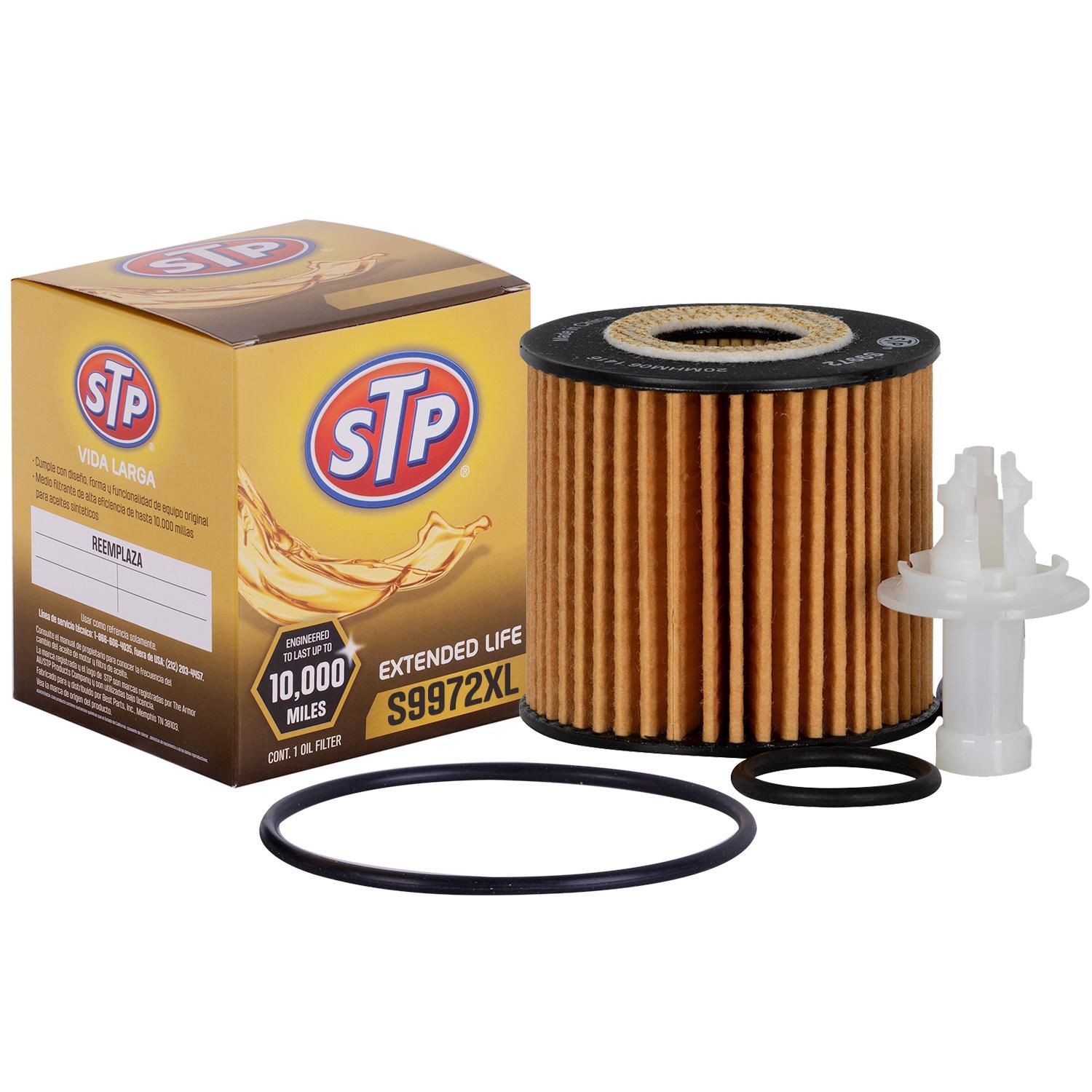
Performing your own oil change is a manageable task for most owners. Before starting, ensure you have the correct supplies. Using high-quality OEM or equivalent aftermarket components ensures the oil filter meets the specific flow rate and bypass pressure requirements of the 2AR-FE engine.
Required Tools and Supplies:
- Oil Filter: Toyota genuine filter (part number 04152-YZZA1) or an equivalent premium cartridge-style filter.
- Drain Plug Gasket: Always replace the metal or rubber gasket to prevent slow leaks from the oil pan.
- Oil Filter Housing Tool: Because the 2018 RAV4 uses a cartridge-style filter, a specific filter wrench cap is necessary to remove the housing.
- Socket Set: Typically a 14mm socket for the oil drain bolt.
- Drain Pan and Funnel: A large capacity pan is recommended to avoid spills.
- Torque Wrench: Crucial for ensuring the filter housing and drain bolt are tightened to manufacturer specifications (typically 30–35 lb-ft for the drain bolt, though check your specific manual for the precise torque values).
Step-by-Step Oil Change Procedure
Safety is paramount. Ensure the vehicle is parked on a flat, level surface and that the engine has cooled for at least 30 minutes.
- Preparation: Elevate the vehicle using a hydraulic jack and secure it with properly rated jack stands. Never rely on the jack alone while working under the car.
- Drain the Oil: Locate the oil drain bolt on the bottom of the engine oil pan. Place your drain pan underneath, remove the bolt, and allow the old oil to drain completely.
- Replace the Filter: Locate the oil filter housing on the engine block. Use your oil filter wrench to remove the cap. Inside, you will find the paper cartridge filter. Remove it, replace the O-ring on the housing cap with the new one provided in the filter kit (lubricate it with clean oil), and insert the new filter element.
- Seal and Tighten: Reinstall the drain plug with a new gasket. Tighten to the specified torque. Reinstall the oil filter housing cap, tightening it securely but without overtightening to avoid cracking the plastic housing.
- Refill: Open the hood, remove the oil filler cap, and add 4.6 quarts of 0W-20 synthetic oil. Use a clean funnel to avoid spills.
- Verify: Start the engine and let it run for one minute to circulate the oil. Check underneath the car for any leaks around the filter or drain plug. Turn off the engine, wait several minutes for the oil to settle, and check the dipstick level.
Resetting the Maintenance Light
After completing the service, you must reset the "Maintenance Required" light. The procedure involves:
- Turning the ignition to the "ON" position without starting the engine.
- Ensuring the multi-information display is set to the "Trip A" odometer reading.
- Turning the ignition off.
- Holding down the "Trip/Odometer" reset button while turning the ignition back to the "ON" position.
- Holding the button until the maintenance light flashes and resets to zero.
Frequently Asked Questions (FAQ)
Does the 2018 Toyota RAV4 require full synthetic oil? Yes, Toyota specifies SAE 0W-20 full synthetic motor oil for the 2AR-FE engine. Synthetic oils offer better lubrication properties and temperature resistance, which are necessary for the tight tolerances of this engine.
Can I extend my oil change intervals beyond 10,000 miles? No. While synthetic oil is durable, the additives that fight acidity and sludge eventually deplete. Adhering to the 10,000-mile limit (or the 5,000-mile limit for severe driving) is essential for maintaining the long-term reliability of your vehicle's engine components.
Why does my 2018 RAV4 use a cartridge filter instead of a spin-on filter? The cartridge-style filter is an eco-friendly design choice. It reduces landfill waste by requiring only the replacement of the internal filter element rather than the entire metal canister.
What happens if I accidentally use the wrong viscosity oil? Using a thicker oil (like 5W-30) can lead to reduced fuel efficiency and sluggish cold-weather starts. Using a non-synthetic or non-compliant oil may cause premature wear on variable valve timing components or lead to engine sludge, which could void your protection if you were still under a specific powertrain warranty.
How do I tell if my oil filter housing is too tight? The plastic housing can be easily damaged by overtightening. It should only be tightened until it is snug and the O-ring is seated. If you are struggling to remove it, ensure you are using a dedicated 64mm, 14-flute filter wrench designed for Toyota housings rather than a universal strap-style wrench.
Final Recommendation
To keep your 2018 Toyota RAV4 running optimally, maintain a consistent record of your oil changes, including the date, mileage, and the type of oil used. If you are performing the work yourself, keep the receipts for your oil and filters as proof of proper maintenance. If you notice any unusual engine noises, dashboard warning lights, or evidence of oil leaking on your driveway, have the vehicle inspected immediately by a qualified technician to prevent minor maintenance issues from evolving into costly mechanical repairs.