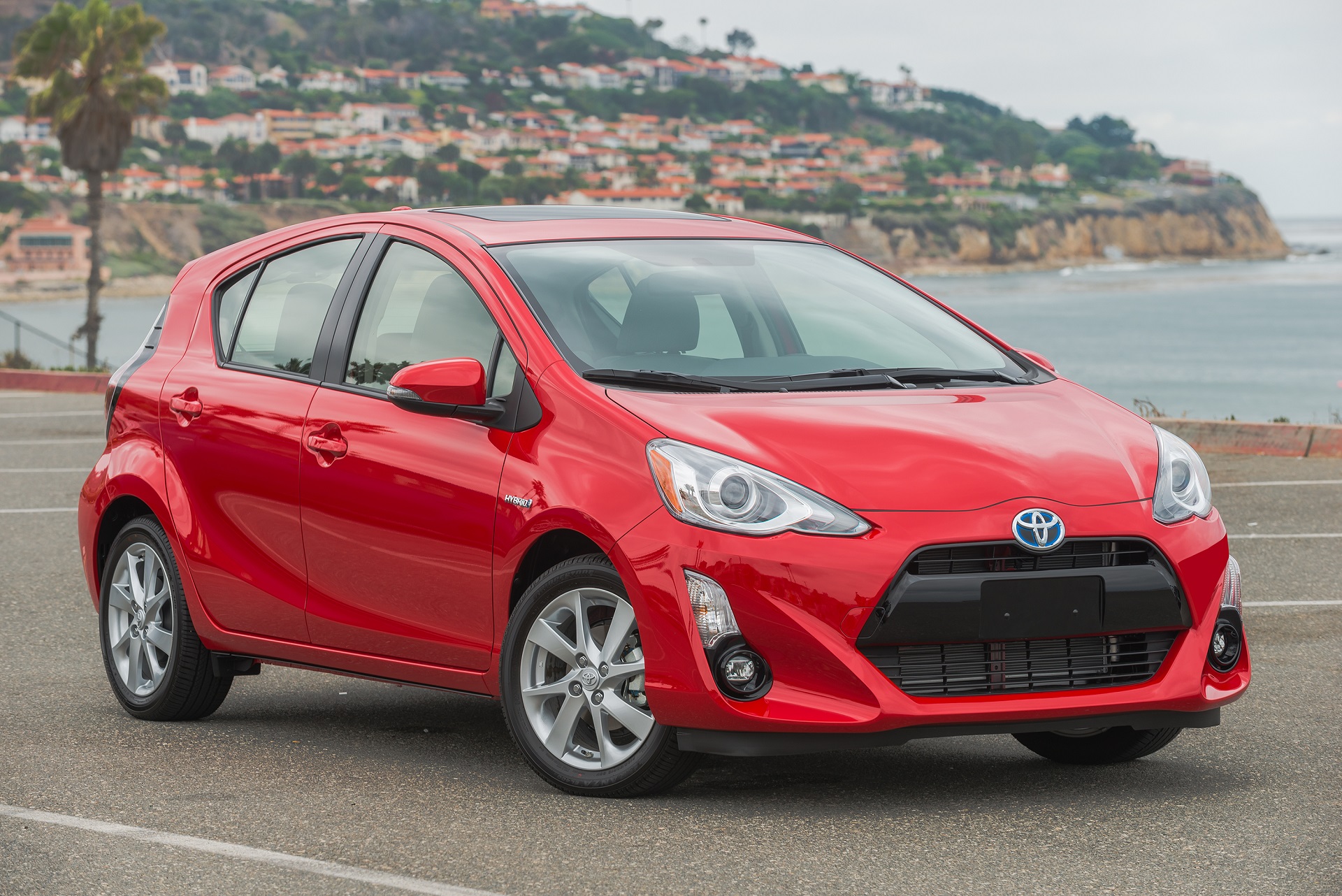
The 2018 Toyota Prius Eco trim achieves an EPA-estimated fuel economy rating of 58 mpg city, 53 mpg highway, and 56 mpg combined by combining a ultra-efficient 1.8-liter Atkinson-cycle engine with a lightweight lithium-ion battery and targeted aerodynamic enhancements. Built on Toyota's New Global Architecture platform, it delivers superior thermal efficiency, reduced drag, and refined dynamic stability.
Engineering Overview of the 2018 Toyota Prius Eco Trim
The fourth-generation Toyota Prius (XW50 generation, produced for model years 2016 through 2022) marked a structural shift in how Toyota engineered its flagship hybrid vehicle. Within the 2018 lineup, the Prius Two Eco served as the dedicated high-efficiency variant. While standard Prius models delivered exceptional economy, Toyota specifically configured the Eco trim to achieve higher distance per gallon by reducing kerb weight, utilizing advanced battery chemistries, and fine-tuning aerodynamics.
At the core of this engineering effort was the adoption of the Toyota New Global Architecture (TNGA) GA-C platform. This modular platform allowed engineers to lower the car's center of gravity by positioning the engine, battery, and cowl lower in the chassis. The structural rigidity of the body frame increased by roughly 60 percent compared to the third-generation model, thanks to extensive use of high-strength and ultra-high-strength hot-stamped steel. This structural stiffness permitted a softer suspension calibration without compromising body control, resolving long-standing complaints regarding the harsh ride quality of earlier high-efficiency vehicles.
- 2018 Toyota Prius Eco Powertrain:
- 1.8L 2ZR-FXE Engine (40% Thermal Efficiency)
- Planetary Gear e-CVT
- Electric Motor MG2
- Lithium-Ion Battery Pack
Fuel Economy and Hybrid Powertrain Mechanics
The overall efficiency of the 2018 Toyota Prius Eco stems from the harmony between its internal combustion engine, electric drive system, and power control unit. Rather than relying solely on battery capacity, the hybrid powertrain balances energy generation, energy storage, and kinetic retrieval.
The 1.8-Liter Atkinson-Cycle Engine
The primary power unit in the 2018 Prius Eco is the 1.8-liter inline four-cylinder gasoline engine (internal designation 2ZR-FXE). This engine operates on the Atkinson cycle, where the intake valves remain open slightly longer during the compression stroke. By delaying valve closure, a fraction of the intake charge is pushed back into the manifold, effectively making the expansion ratio larger than the compression ratio.
This thermodynamic cycle extracts maximum energy from combustion gases during the power stroke, reducing pumping losses and maximizing fuel energy conversion. Key mechanical refinements in this iteration include:
- 40 Percent Thermal Efficiency: Achieved through redesigned intake ports that create high tumble flow within the combustion chambers, combined with high-ignition-energy spark plugs.
- Dual VVT-i Systems: Variable Valve Timing with intelligence on both intake and exhaust camshafts precisely controls valve overlap to optimize low-end torque and high-rpm efficiency.
- Cooled Exhaust Gas Recirculation (EGR): Directs cooled exhaust gas back into the combustion chamber to reduce combustion temperatures, preventing engine knock and lowering pumping work.
- Exhaust Heat Recirculation System: Uses exhaust gas heat to warm engine coolant quickly during cold starts, allowing the engine to reach operating temperature faster and switch off early during low-load driving.
Electric Motor Integration and Power Split Device
Complementing the 2ZR-FXE engine is Toyota’s Hybrid Synergy Drive system, which utilizes two electric motor-generators (MG1 and MG2) linked through a planetary gear set operating as an electronically controlled Continuously Variable Transmission (e-CVT).
- MG1 (Motor-Generator 1): Functions primarily as a starter motor for the gasoline engine and acts as a generator to convert excess engine power into electrical energy for storage in the main traction battery.
- MG2 (Motor-Generator 2): Serves as the primary electric drive motor supplying up to 71 horsepower and 120 lb-ft of torque directly to the front drive wheels. During deceleration and braking, MG2 reverses role to act as a high-capacity generator, executing regenerative braking to capture kinetic energy that would otherwise be dissipated as waste heat by friction brakes.
The combined system output for the 2018 Prius Eco is rated at 121 horsepower (90 kW). While modest by performance car standards, the immediate availability of torque from MG2 provides prompt off-the-line acceleration in city driving environments.
Lithium-Ion Battery Technology vs. NiMH
One of the defining technical differences between the standard 2018 Prius grades and the Eco trim lies in battery chemistry and weight management.
| Lithium-Ion (Li-ion)Featured on: Prius Two Eco | Nickel-Metal Hydride (NiMH)Featured on: Standard Trim |
|---|---|
| • Higher Energy Density | • Traditional Hybrid Chemistry |
| • Lighter Weight (~35 lbs total) | • Slightly Heavier Pack Structure |
| • Faster Charge Acceptance | • Robust Thermal Tolerances |
| • Compact Under-Seat Packaging | • Bulkier Cell Configuration |
The 2018 Prius Two Eco utilizes a Lithium-Ion (Li-ion) traction battery rated at 0.75 kWh capacity (3.6 Ah, 207.2 Volts). Lower standard trims (such as the base Prius Two) relied on a Nickel-Metal Hydride (NiMH) battery pack. The transition to lithium-ion chemistry provided three distinct advantages for the Eco model:
- Mass Reduction: The lithium-ion battery pack is lighter than the equivalent NiMH pack, shedding vital pounds from the car's overall kerb weight.
- Volumetric Efficiency: Lithium-ion cells possess higher energy density, allowing a smaller physical footprint. The pack fits under the rear passenger seats without encroaching on cargo area dimensions or rear legroom.
- Charge Acceptance: Li-ion chemistry exhibits lower internal resistance, enabling faster energy absorption during brief regenerative braking events and rapid current discharge during hard acceleration.
Target Weight Reduction Strategies
To secure its EPA rating, Toyota applied a aggressive weight reduction program to the Two Eco trim. Beyond the lighter Li-ion battery, engineers stripped non-essential weight from the vehicle structure:
- Spare Tire Elimination: The temporary spare tire, jack, and iron tools were removed and replaced with a lightweight tire repair and inflation kit, saving roughly 25 to 30 pounds at the rear axle.
- Low-Rolling-Resistance Tires: Equipping 15-inch lightweight alloy wheels with specialized low-rolling-resistance compound tires (typically 195/65R15) reduced parasitic friction against the pavement.
- Reduced Insulation Mass: Targeted reduction of specific deadening materials where cabin acoustics were least affected allowed further weight minimization without creating excessive cabin noise.
As a result of these adjustments, the 2018 Prius Two Eco reduced its kerb weight to approximately 3,010 lbs, making it about 60 lbs lighter than standard lower-trim variants.
Exterior Aerodynamics and Structural Design
Fuel economy at highway speeds is governed largely by aerodynamic drag. The exterior shape of the 2018 Toyota Prius Eco was engineered through extensive wind-tunnel testing to optimize airflow, resulting in an exceptionally low drag coefficient ($C_d$) of 0.24.
- Active Grille Shutters (Closed at High Speed)
- Reduces Engine Drag
- Underbody Covers (Smooth Air Channeling)
- Prevents Turbulent Lift
- Rear Spoiler / Fins (Clean Separation)
- Minimizes Low-Pressure Wake
Key Aerodynamic Features:
- Active Grille Shutters: Located behind the lower front bumper intake, these shutters automatically close when cooling airflow to the radiator is unnecessary. Closing the shutters redirects air around the front bumper, reducing drag at cruise speeds.
- Underbody Aero Covers: Large, smooth composite panels cover the engine bay, floor pan, fuel tank area, and rear suspension beam. These panels eliminate open recesses that trigger turbulence under the chassis.
- Stabilizing Fins (Aero Stabilizing Fins): Small molded fins on the taillight lenses and side mirror mounts create vortex currents that pin airflow to the body sides, reducing vehicle sway in crosswinds and improving straight-line stability.
- Roofline and Rear Spoiler Geometry: The peak of the roof was shifted forward, tapering gradually toward the rear deck. The integrated rear lip spoiler cleanly separates air moving off the top and bottom of the vehicle, minimizing the low-pressure wake zone behind the hatch.
Interior Ergonomics, Cabin Technology, and Space
The interior of the 2018 Toyota Prius Eco pairs futuristic styling with functional passenger space. Because the TNGA architecture allowed the traction battery to sit directly under the rear bench seat, cargo volume and interior versatility remained unaffected.
- Dashboard Layout:
- Centrally Mounted Dual 4.2" MIDs (Digital Speedometer & Energy Monitor)
- 6.1-inch Entune Touchscreen (Climate Control Controls)
- Shift-by-Wire Knob
Dashboard Architecture and Multi-Information Displays
The instrument panel features a central, top-mounted digital display rather than a traditional gauge cluster behind the steering wheel. This orientation reduces the driver's eye movement between the roadway and instrument readouts.
- Dual 4.2-inch Color Multi-Information Displays (MID): These customizable screens provide real-world telemetry, including speed, hybrid power distribution, real-time trip fuel economy, drive mode indicators (ECO, Power, Normal), and the "Eco Score" feedback coach.
- Smart-Flow (S-FLOW) Climate Control: The automatic climate control system incorporates passenger-detection sensors. When activated, S-FLOW directs air ventilation only to occupied seats, reducing the electrical load on the air conditioning compressor and preserving fuel.
Interior Materials and Utility
The 2018 Prius Two Eco features high-grade fabric-trimmed seats with manual adjustments, designed with thin seatbacks to increase rear-seat knee clearance. The shift selector employs a electronic shift-by-wire toggle knob mounted on the center stack, paired with a push-button "Park" switch.
Cargo capacity behind the split-folding 60/40 rear seatbacks measures 27.4 cubic feet. Without a spare tire tub beneath the cargo deck floor, the Eco trim offers a low floor surface, maximizing vertical loading capacity for luggage and gear.
Safety Features and Toyota Safety Sense P (TSS-P)
A major milestone for the 2018 model year was the standard inclusion of Toyota Safety Sense P (TSS-P) across all Prius grades, including the Eco trim. This suite utilizes a windshield-mounted monocular camera and a front-grille millimeter-wave radar sensor to deliver advanced driver-assistance features.
- Toyota Safety Sense P (TSS-P) Suite:
- Pre-Collision System w/ Pedestrian Detection: Uses Camera & Radar to detect forward obstacles and apply auto-braking
- Lane Departure Alert with Steering Assist: Identifies lane boundaries and provides counter-steering torque
- Full-Speed Range Dynamic Radar Cruise Control: Adjusts vehicle speed to maintain gap down to complete stop
- Automatic High Beams: Switches headlight intensity automatically based on traffic
- Pre-Collision System with Pedestrian Detection: Detects preceding vehicles and pedestrians. If a collision risk is identified, the system alerts the driver with visual and audible warnings and provides automated emergency braking assistance if the driver fails to act.
- Lane Departure Alert with Steering Assist: Monitors visible lane markers. If the vehicle drifts without turn signal activation, the system provides audio-visual warnings and subtle steering inputs to keep the car centered.
- Full-Speed Range Dynamic Radar Cruise Control: Operates at all speeds down to 0 mph, automatically maintaining a preset distance from the vehicle ahead in stop-and-go highway traffic.
- Automatic High Beams: Toggles between high and low beam headlight settings based on surrounding ambient light and oncoming vehicle headlights.
Additionally, the standard safety package includes eight airbags, active front headrests, electronic stability control (VSC), traction control (TRAC), and ABS with Electronic Brake-force Distribution (EBD).
Detailed Specifications & Trim Comparison Table
The following technical comparison contrasts the 2018 Toyota Prius Two Eco against the standard base trim (Prius Two) and higher-tier grades (Prius Three / Four).
| Specification / Feature | 2018 Prius Two (Standard) | 2018 Prius Two Eco | 2018 Prius Three / Four |
|---|---|---|---|
| Engine Type | 1.8L 4-Cyl 16V DOHC (2ZR-FXE) | 1.8L 4-Cyl 16V DOHC (2ZR-FXE) | 1.8L 4-Cyl 16V DOHC (2ZR-FXE) |
| Total System Power | 121 hp (90 kW) | 121 hp (90 kW) | 121 hp (90 kW) |
| EPA MPG (City / Hwy / Combined) | 54 / 50 / 52 mpg | 58 / 53 / 56 mpg | 54 / 50 / 52 mpg |
| Traction Battery Type | Nickel-Metal Hydride (NiMH) | Lithium-Ion (Li-ion) | Lithium-Ion (Li-ion) |
| Battery Voltage / Capacity | 201.6V / 1.31 kWh | 207.2V / 0.75 kWh | 207.2V / 0.75 kWh |
| Curb Weight | 3,070 lbs | 3,010 lbs | 3,080 lbs |
| Drag Coefficient ($C_d$) | 0.24 | 0.24 | 0.24 |
| Tire Size | 195/65R15 | 195/65R15 Low Rolling Resistance | 215/45R17 (Select Trims) |
| Spare Tire Provision | Temporary Spare Tire | Tire Repair / Inflator Kit | Temporary Spare / Repair Kit |
| Infotainment Screen | 6.1-inch Entune Touchscreen | 6.1-inch Entune Touchscreen | 7.0" or 11.6" HD Touchscreen |
| Toyota Safety Sense P | Standard | Standard | Standard |
| Fuel Tank Capacity | 11.3 Gallons | 11.3 Gallons | 11.3 Gallons |
Long-Term Ownership, Battery Health, and Maintenance Guidance
For owners and secondary-market buyers evaluating a 2018 Toyota Prius Eco, long-term operational integrity depends on consistent preventative maintenance and understanding how hybrid components age over time.
| Routine Maintenance | Hybrid System Care |
|---|---|
| • 10,000-Mi / 12-Mo Oil Change | • Clean Hybrid Battery Air Filter |
| • 5,000-Mi Tire Rotations | • Monitor Inverter Coolant Level |
| • Brake Inspection (Regen Wear) | • Keep Intake Grille Unobstructed |
Hybrid Battery Durability and Monitoring
The lithium-ion traction battery in the 2018 Prius Eco was covered by Toyota’s factory warranty for 8 years or 100,000 miles (or 10 years / 150,000 miles in California Air Resources Board [CARB] states). Beyond the warranty window, lithium-ion packs generally exhibit high longevity, but capacity slowly degrades based on total charge-discharge cycles and ambient thermal exposure.
To ensure battery longevity:
- Maintain the Battery Cooling Vent: The intake vent located on the side of the rear seat cushion draws air into the battery compartment to keep cell temperatures low. Keep this vent free of dust, dog hair, or luggage obstructions.
- Service the Cooling Fan Filter: Periodically inspecting and cleaning the internal mesh filter on the cooling fan prevents thermal throttling during hot weather.
Fluid Maintenance and Mechanical Reliability
- Engine Oil: Uses 0W-20 synthetic engine oil. Toyota specifies 10,000-mile or 12-month change intervals under normal driving conditions, though 5,000-mile intervals are recommended for severe service (short trips in freezing temperatures, heavy stop-and-go driving).
- Inverter and Engine Coolant Loops: The vehicle utilizes two separate cooling circuits containing Toyota Super Long Life Coolant (SLLC)—one for the internal combustion engine and one for the power control unit/inverter. Factory replacement intervals typically fall at 100,000 miles for the engine loop and 150,000 miles for the inverter loop.
- Brake Wear Characteristics: Friction brake pads and rotors on the 2018 Prius Eco experience reduced wear compared to standard non-hybrid vehicles. Because initial stopping power is provided by electric regenerative drag via MG2, brake pads often last well past 80,000 to 100,000 miles, provided slider pins are lubricated regularly to prevent corrosion binding.
Frequently Asked Questions
What makes the 2018 Toyota Prius Eco different from other 2018 Prius trims?
The 2018 Prius Two Eco is optimized specifically to maximize fuel economy. It replaces the standard Nickel-Metal Hydride battery with a lighter Lithium-Ion unit, omits the spare tire in favor of an inflation kit to reduce weight, utilizes specialized low-rolling-resistance tires, and features tailored aerodynamic refinements. These changes increase its combined fuel economy rating from 52 mpg to 56 mpg.
Does the 2018 Toyota Prius Eco have a spare tire?
No. To minimize overall weight, Toyota eliminated the traditional temporary spare tire, tire jack, and lug wrench from the Two Eco trim. Instead, the vehicle is equipped with a factory 12-volt air compressor and tire sealant canister stored beneath the rear trunk floorboard.
How far can the 2018 Prius Eco drive on a single tank of gas?
With an 11.3-gallon fuel tank capacity and an EPA-estimated combined rating of 56 mpg, the theoretical driving range of the 2018 Prius Eco exceeds 630 miles. In real-world driving conditions, most drivers safely achieve between 500 and 580 miles before needing to refuel, depending on speed, payload, climate control usage, and ambient temperature.
What is the drag coefficient of the 2018 Toyota Prius Eco?
The 2018 Toyota Prius Eco features an exceptionally low drag coefficient ($C_d$) of 0.24. This aerodynamic performance is achieved through active front grille shutters, full underbody fairings, aero-stabilizing light fins, and a tapered roofline designed to streamline airflow over and under the chassis.
How reliable is the Lithium-Ion battery in the 2018 Prius Eco?
The lithium-ion battery in the 2018 Prius Eco is highly reliable, designed to last the functional lifespan of the vehicle under normal operating conditions. Performance degradation is minimal when the battery cooling intake vent located on the rear seat is kept clean and free from blockages.
Final Verdict and Buyer Guidance
The 2018 Toyota Prius Eco remains a high mark in hybrid engineering, offering a balance between functional utility, advanced aerodynamic efficiency, and practical fuel economy. Its 56 mpg combined rating is supported by thoughtful mechanical solutions—such as its 40% thermal-efficient Atkinson engine, lightweight lithium-ion battery, active aerodynamic shutters, and weight-optimized body construction.
For secondary-market buyers evaluating a used hybrid vehicle, the 2018 Prius Two Eco presents an appealing option. When inspecting a pre-owned model, verify that the tire inflator kit is intact, inspect the hybrid battery cooling vent for dust accumulation, confirm a full service record for 0W-20 synthetic oil changes, and perform a diagnostic scan of the Hybrid Synergy Drive system to verify healthy cell voltage balance across the traction pack.