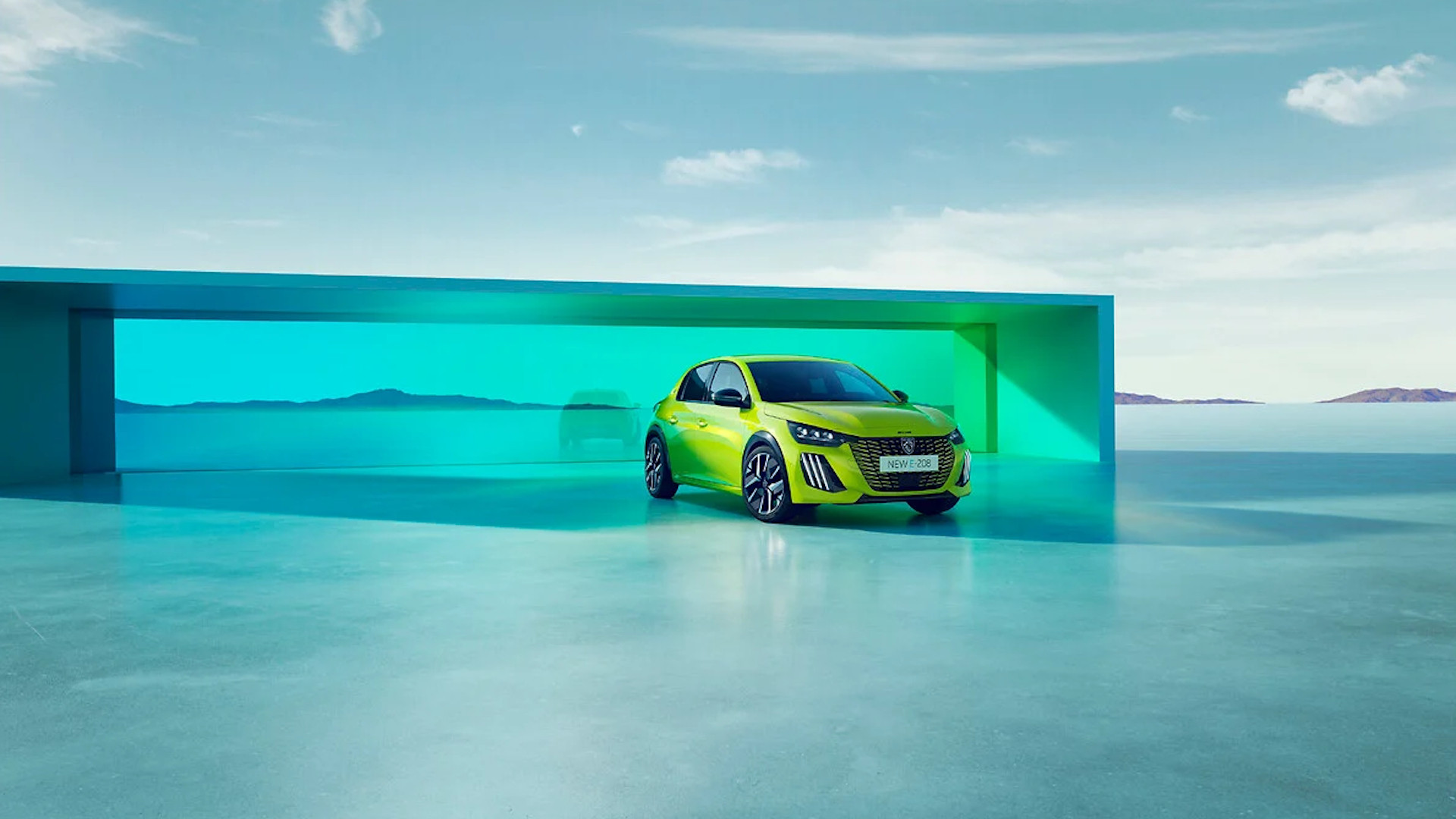
The 2016 Peugeot 208 facelift introduced sharper exterior styling, including a wider "Equalizer" grille and 3D LED taillights, alongside interior tech upgrades like Apple CarPlay and Android Auto. For students in 2026, it remains a top choice due to its low insurance groups, exceptional fuel economy, and enduringly modern aesthetic on the second-hand market.
The Peugeot 208 has long been a staple of the European B-segment, but the mid-life refresh introduced for the 2016 model year marked a significant turning point for the brand. By moving away from the softer lines of the early 2012 launch models, Peugeot aimed to position the 208 as a more premium, assertive competitor to the Ford Fiesta and Volkswagen Polo. For students and first-time drivers looking back from 2026, this specific model year represents the "sweet spot" where modern safety and connectivity met affordable depreciation.
The 2016 Facelift: Key Design Shifts
The 2016 model year (often referred to as the "Phase 2" of the first generation) was not a total reinvention, but rather a surgical refinement of the car's visual identity. Peugeot designers focused on making the car look wider, lower, and more "technical."
Exterior Refinements and the "Equalizer" Grille
The most immediate change was the front fascia. The 2016 208 adopted a wider grille with a thicker chrome surround that was integrated more seamlessly into the bumper. Higher trim levels featured the "Equalizer" effect—a 3D-style chrome stamping that gave the grille depth. The headlights were also updated with a two-tone black and chrome housing, providing a more focused "feline" gaze that has since become a hallmark of the Peugeot brand.
At the rear, the 2016 update introduced the now-iconic "3D LED claws." These taillights replaced the previous flat lenses with three distinct vertical light bars that gave the car a high-tech signature at night. This change was crucial because it helped the 208 retain its modern look well into the 2020s, preventing it from appearing as dated as its contemporaries.
Innovative Paint Technology
One of the boldest design shifts in 2016 was the introduction of textured paint options, specifically "Ice Grey" and "Ice Silver." Unlike traditional matte paints, which are notoriously difficult to maintain, these textured finishes were designed to be durable and resistant to minor scratches. For a student-focused market, this offered a way to stand out with a "custom" look without the premium price tag of a vinyl wrap or the fragility of early matte clears.
The i-Cockpit Evolution: Interior and Ergonomics
The interior of the 2016 Peugeot 208 is defined by the i-Cockpit philosophy. This layout was a radical departure from traditional cabin design and remains a polarizing but distinctive feature for used car buyers today.
The Small Steering Wheel and Raised HUD
The core of the i-Cockpit is a remarkably small steering wheel paired with an instrument cluster positioned high on the dashboard. The design intent was to allow the driver to view the gauges over the wheel rather than through the spokes, effectively acting as a head-up display (HUD).
For students, this layout offers two distinct advantages:
- Agility: The small wheel makes the car feel incredibly darting and nimble in urban environments, easing the stress of tight city parking.
- Ergonomics: By keeping the instruments in the driver's line of sight, Peugeot claimed to reduce eye fatigue and improve reaction times—a vital safety consideration for less experienced drivers.
Infotainment and Connectivity
The 2016 refresh was the first time the 208 received "MirrorScreen" technology. This included the integration of Apple CarPlay and Android Auto on the 7-inch capacitive touchscreen. In 2026, this is arguably the most important interior feature for a student. While the factory navigation systems of 2016 are now obsolete, the ability to plug in a modern smartphone and run Google Maps or Spotify directly on the car's screen keeps the vehicle functionally modern.
Why the 2016 Peugeot 208 Appeals to Students
The popularity of the 2016 208 among the student demographic isn't just about looks; it is a calculated decision based on the Total Cost of Ownership (TCO).
Insurance Group Advantage
In many regions, insurance is the largest single expense for a student driver. The 2016 Peugeot 208 was engineered to sit in very low insurance groups. The entry-level 1.0-liter and 1.2-liter PureTech models often fall into groups 6 through 11 (out of 50 in the UK system), making premiums significantly more manageable compared to larger hatchbacks or older, higher-displacement vehicles.
Fuel Efficiency: PureTech and BlueHDi
The engine lineup for 2016 was heavily revised to meet Euro 6 emissions standards, which is a critical factor for students living in cities with Ultra-Low Emission Zones (ULEZ) or Clean Air Zones (CAZ) in 2026.
- 1.2 PureTech (82hp/110hp): These three-cylinder petrol engines are the most common choice. They offer a "thrummy" character and excellent fuel economy, often returning over 50 MPG (5.6 L/100km) in real-world mixed driving.
- 1.6 BlueHDi: For students who have long commutes between university and home, the diesel variants are incredibly frugal. Some versions were rated at over 90 MPG in lab tests, with real-world figures easily topping 70 MPG.
Technical Specifications Comparison
| Engine Type | Horsepower | Top Speed | 0-62 mph (Sec) | Est. Used Price (2026) |
|---|---|---|---|---|
| 1.0 PureTech | 68 hp | 101 mph | 13.9 | £3,200 - £4,500 |
| 1.2 PureTech | 82 hp | 109 mph | 12.2 | £3,800 - £5,200 |
| 1.2 PureTech Turbo | 110 hp | 118 mph | 9.6 | £4,500 - £6,000 |
| 1.6 BlueHDi | 100 hp | 116 mph | 10.7 | £4,000 - £5,500 |
Maintenance Considerations for 2026 Buyers
While the 2016 Peugeot 208 is an excellent student car, buyers in 2026 must be aware of specific technical maintenance requirements that arise as these vehicles cross the ten-year mark.
The "Wet Belt" (PureTech Engines)
The 1.0 and 1.2 PureTech petrol engines use a timing belt in oil (wet belt) system. Over time, the belt can degrade, and rubber particulates can clog the oil pickup strainer, leading to oil pressure loss and potential engine failure.
- Action for Students: When buying a 2016 model today, verify that the timing belt has been replaced within the last 6 years or 60,000 miles. Also, ensure the car has a full service history using the specific oil grade (usually 0W-30) required to protect the belt.
AdBlue System (BlueHDi Engines)
The diesel models utilize an AdBlue system to reduce NOx emissions. In older models, the AdBlue tank sensors or injectors can sometimes fail. If a "UREA" warning light appears on the dashboard, it can be an expensive fix. For most students, the petrol PureTech engines represent a lower risk for urban driving.
Touchscreen Responsiveness
As the hardware ages, the 7-inch touchscreen can become sluggish. While firmware updates (available from Peugeot specialists) can help, buyers should check that the Bluetooth and MirrorLink/CarPlay functions are working correctly during a test drive, as the head unit is integrated into many car settings.
Safety and Practicality
For many parents funding a student's first car, safety is the primary concern. The 2016 208 maintained a high standard for its era.
- Active City Brake: Many 2016 models were equipped with this laser-based sensor system that can automatically apply the brakes at speeds under 20 mph to prevent low-speed collisions.
- Weight and Handling: The 208 is one of the lightest cars in its class (under 1,100 kg for many variants). This light weight makes it easy to handle but does not compromise the structural integrity, as it features high-strength steel in critical areas.
- Boot Space: With 285 liters of space (expanding to 1,076 liters with seats down), it is sufficient for moving to a dorm or carrying groceries, though it is slightly smaller than the 2016 Renault Clio or Honda Jazz.
Common Myths vs. Reality
Myth: French cars have "quirky" and unreliable electronics. Reality: By 2016, Peugeot had significantly improved its electrical architecture. While the infotainment system can be slow compared to a 2026 smartphone, major electrical failures are much less common than in Peugeots of the early 2000s.
Myth: The small steering wheel blocks the gauges. Reality: This is entirely dependent on your height and seating position. Most drivers find a comfortable setting within minutes, but a test drive is essential to ensure the i-Cockpit works for your specific body type.
Expert Guidance: Finding the Best Deal
When searching for a 2016 Peugeot 208 in today's market, prioritize the Allure or GT Line trims.
- The Access (entry-level) trim is often too basic, lacking the touchscreen and alloy wheels that make the car appealing.
- The Active trim is a good middle ground, providing air conditioning and the touchscreen.
- The Allure trim adds the desirable LED running lights, visibility pack (auto lights/wipers), and better upholstery, often for only a few hundred pounds more on the used market.
Verification Checklist for Buyers
- Service History: Check for annual oil changes. Clean oil is vital for the PureTech wet belt.
- Recalls: Ensure any recalls related to the braking system or fuel lines (common for early 2016 batches) have been performed by a main dealer.
- Tires: Check for uneven wear on the front tires, which can indicate an alignment issue often caused by hitting curbs in city driving.
FAQ: 2016 Peugeot 208
Is the 2016 Peugeot 208 ULEZ compliant?
Yes, most petrol 208s from 2016 meet Euro 6 standards, making them compliant with Ultra-Low Emission Zones. The 1.6 BlueHDi diesel engines from this year are also Euro 6 compliant, but always verify the specific registration plate on official government portals before purchasing.
Does the 2016 208 have Apple CarPlay?
Most 2016 models with the 7-inch touchscreen (Active trim and above) were equipped with CarPlay. However, some very early "65-plate" cars (UK) might have the older software. It is always best to bring a lightning cable or USB-C to the viewing and test the connection personally.
Which engine is best for a student?
The 1.2 PureTech (82hp) is generally considered the best balance. It is more capable on the motorway than the 1.0-liter version but remains in a low insurance group. It avoids the complexity of the turbocharger found in the 110hp version while still feeling punchy enough for daily use.
Is the Peugeot 208 expensive to repair?
Parts for the 208 are widely available and relatively affordable due to the high volume of these cars on the road. Most independent garages are familiar with the platform, which helps keep labor costs lower than they would be for a premium brand like Audi or BMW.
Final Recommendations
The 2016 Peugeot 208 remains a standout choice for students in 2026. Its design shifts—from the aggressive front grille to the tactile i-Cockpit—ensure it doesn't look like a "budget" choice on campus. To maximize your investment, focus on finding a well-maintained 1.2 PureTech Allure with a documented timing belt change. This combination offers the best mix of style, modern connectivity, and predictable running costs. For those prioritizing absolute economy, the BlueHDi models offer unmatched range, provided you are doing enough motorway miles to keep the diesel particulate filter (DPF) clean.