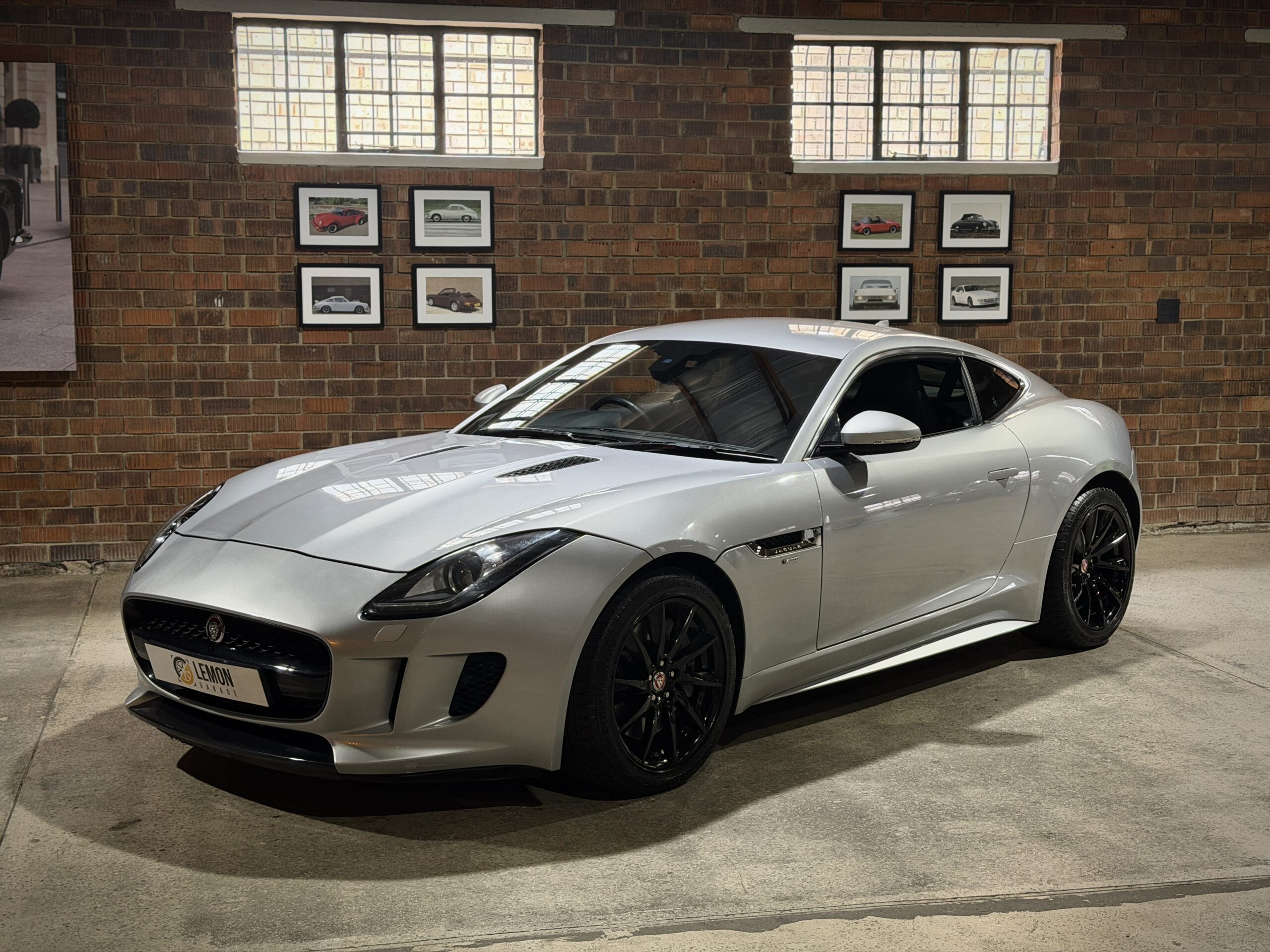
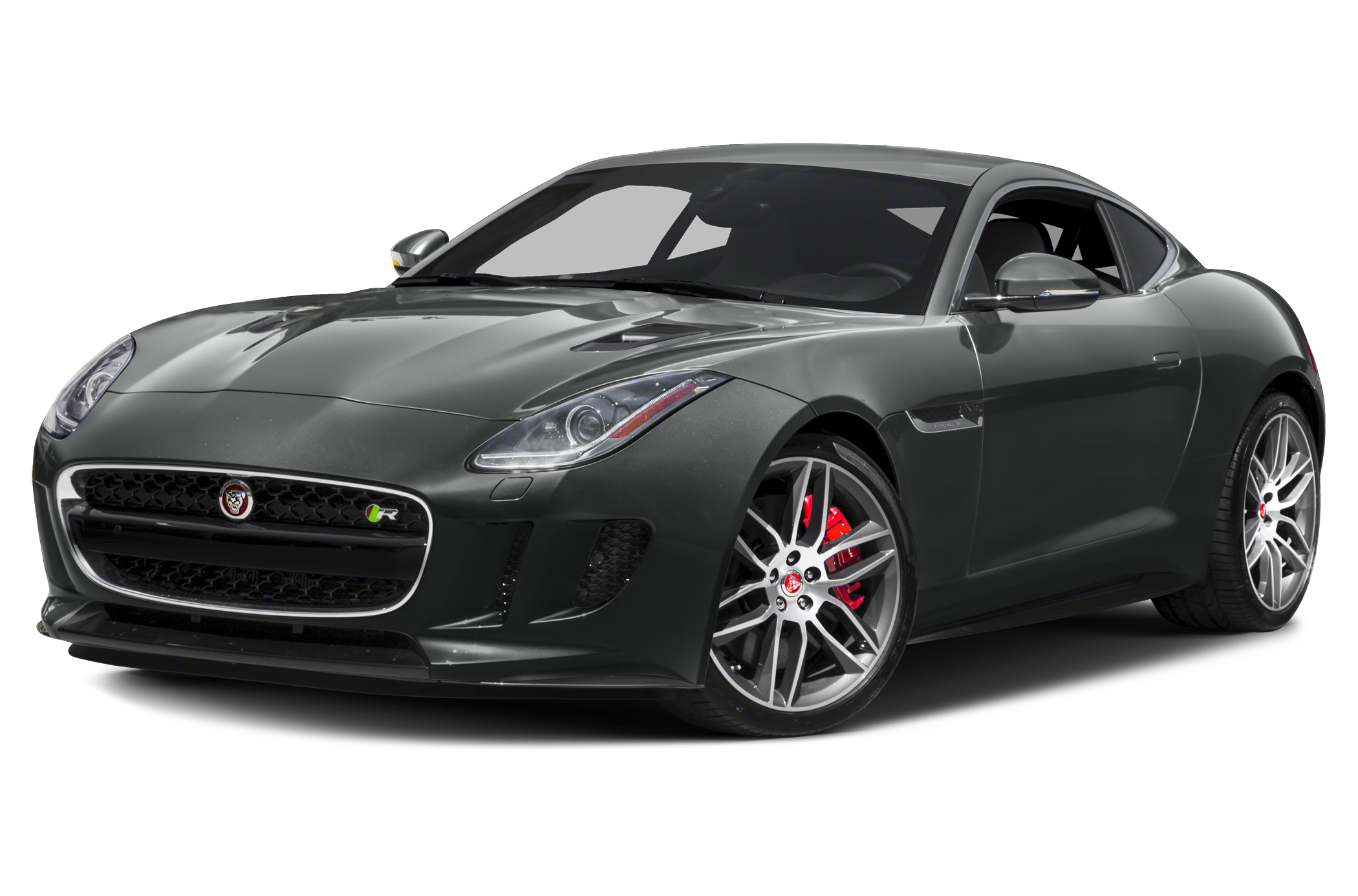
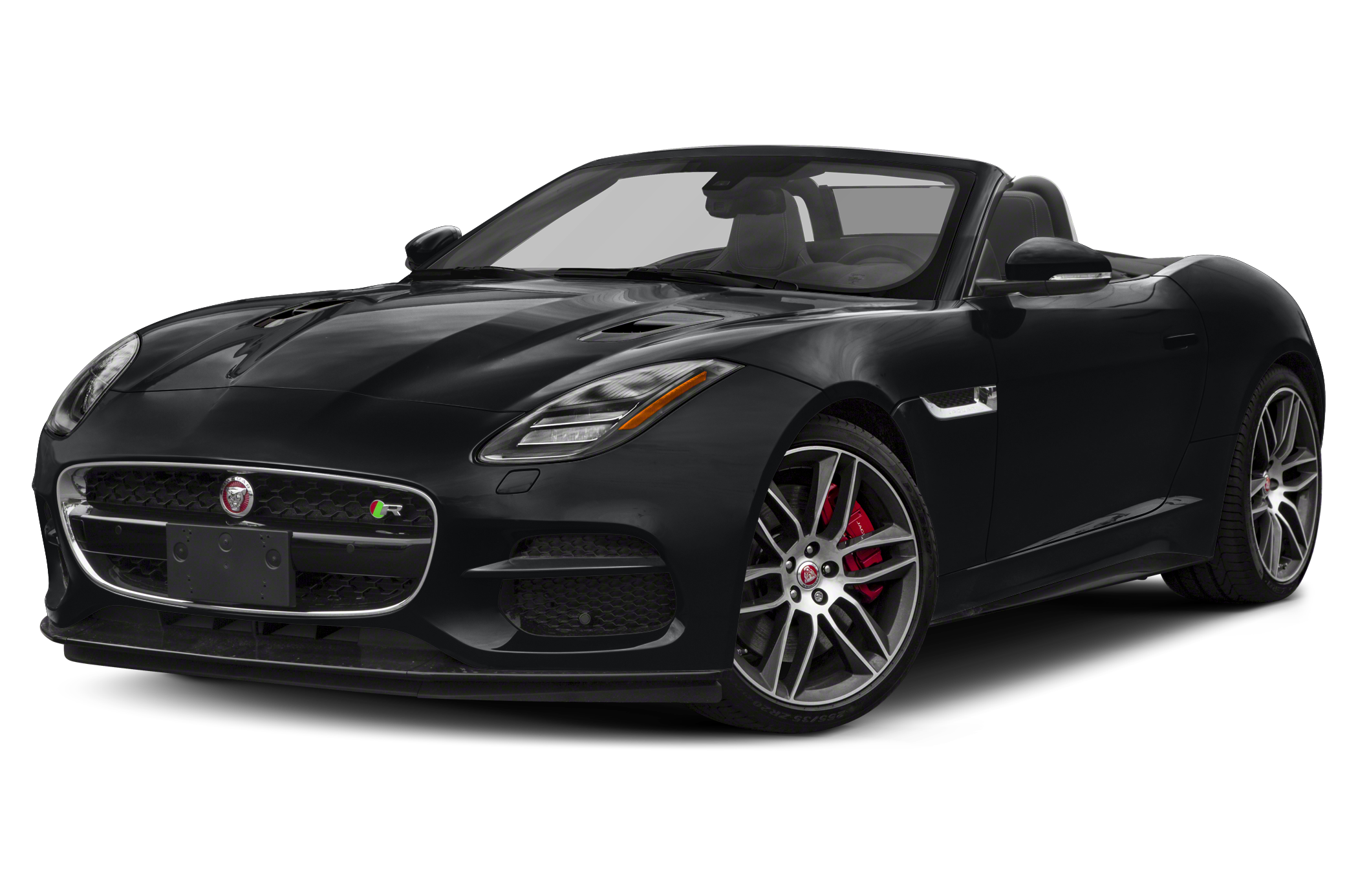
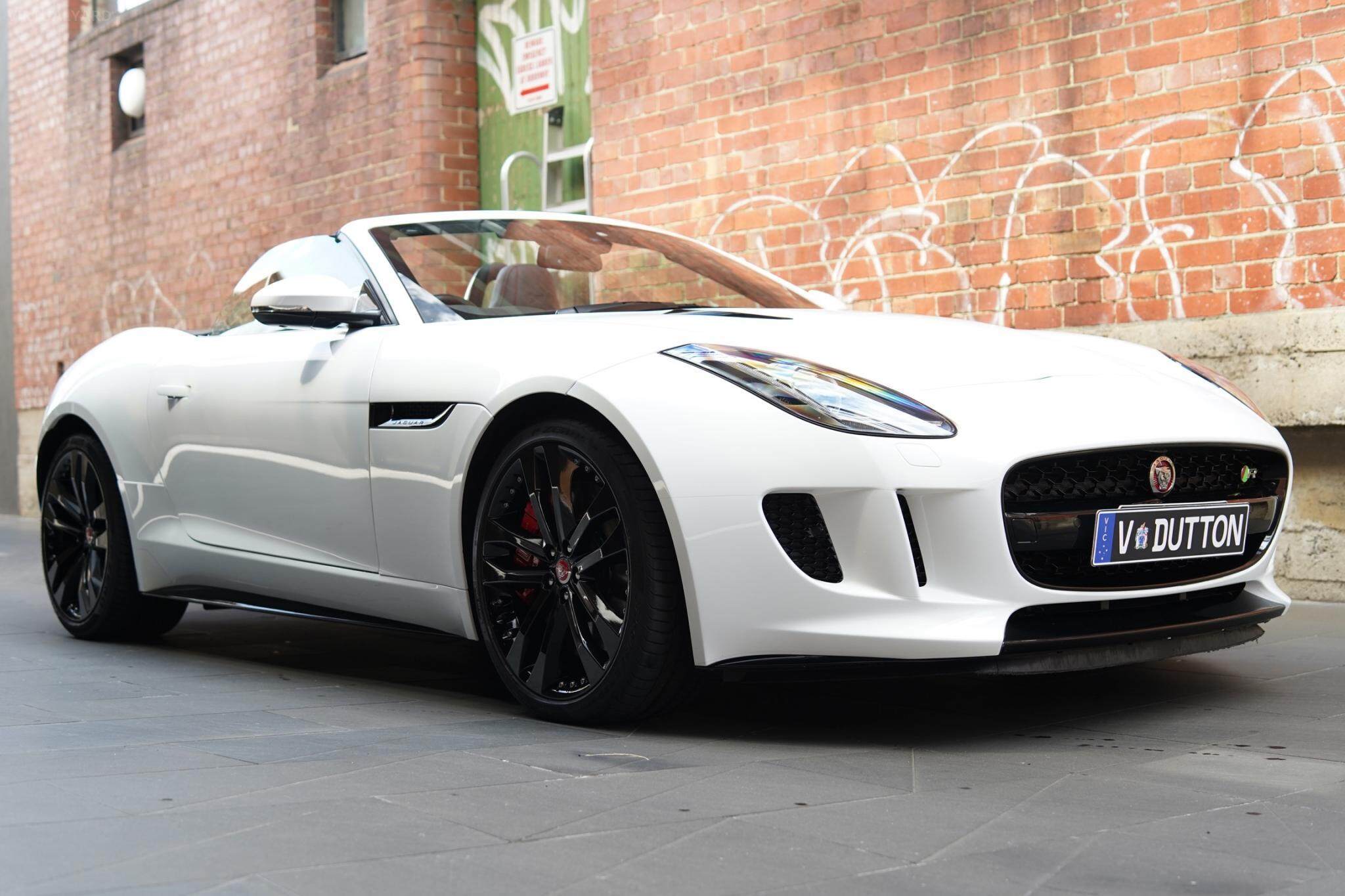
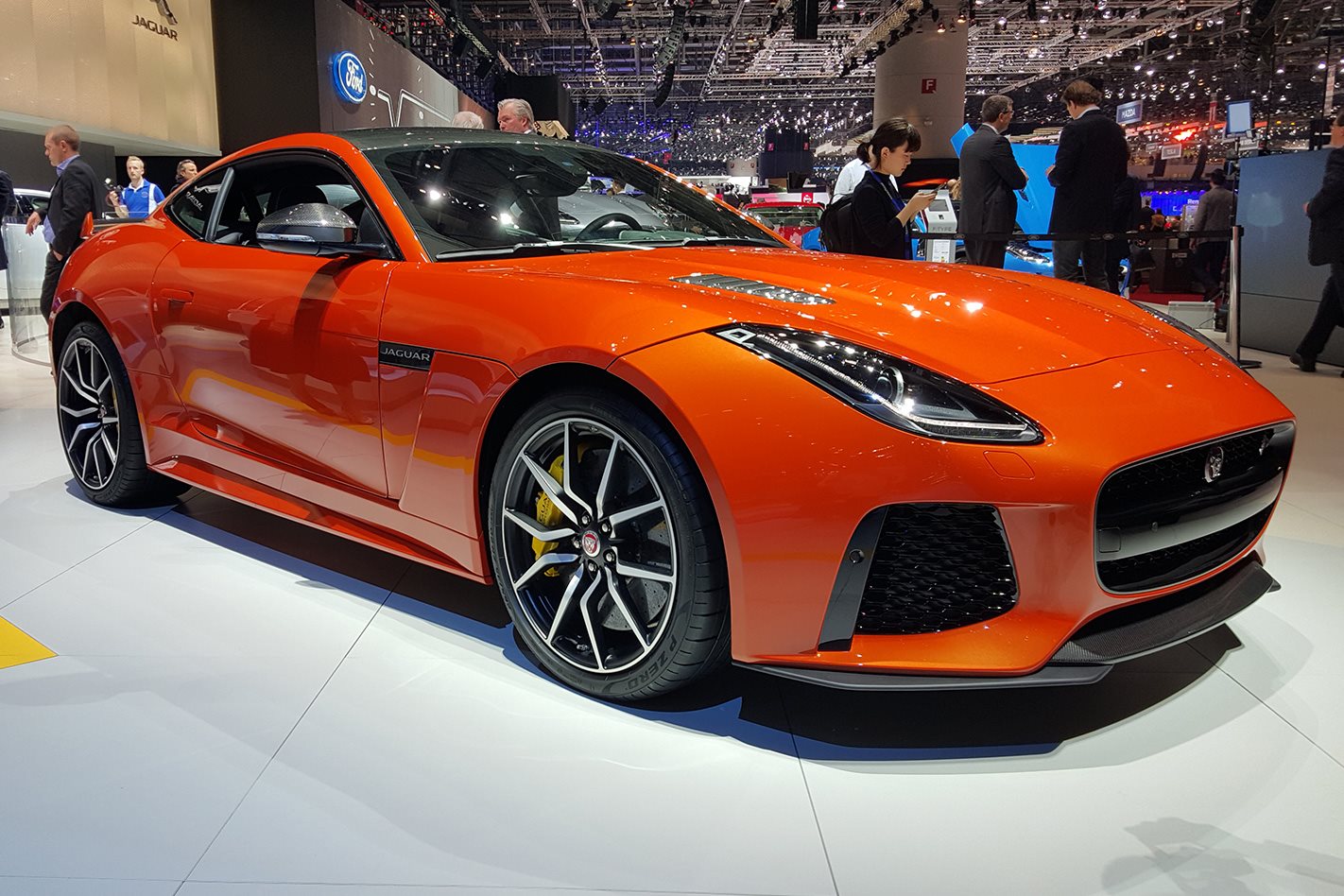
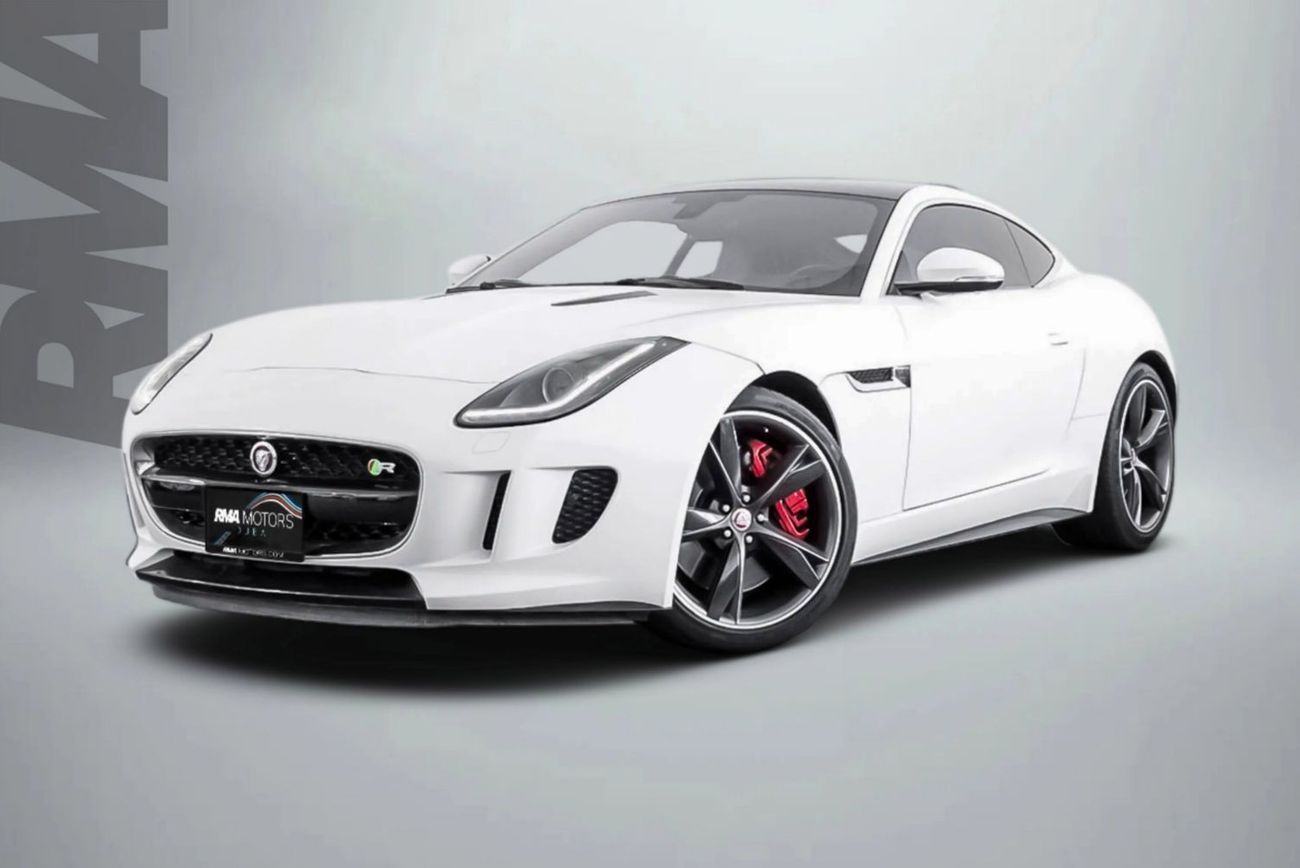
In 2026, the 2016 Jaguar F-Type is regarded as a moderately reliable luxury sports car, provided it has been meticulously maintained. While its supercharged engines are robust, long-term ownership reveals common issues with cooling system plastics, fuel injectors, and sensitive electrical components that require proactive attention to ensure longevity.
The 2016 Jaguar F-Type remains a pinnacle of modern automotive design, often cited as one of the most beautiful cars of the 21st century. However, as these vehicles cross the ten-year threshold in 2026, the distinction between a "reliable" example and a "money pit" depends heavily on its service history and the owner's understanding of its specific mechanical quirks. This analysis provides a deep dive into the reliability of the 2016 model year—a pivotal year that saw the introduction of all-wheel drive (AWD) and manual transmission options.
The Heart of the Beast: Engine Reliability (V6 vs. V8)
The 2016 F-Type was offered with two primary powerplants: the 3.0-liter supercharged V6 (AJ126) and the 5.0-liter supercharged V8 (AJ133). Both engines are fundamentally based on the same architecture, meaning they share many of the same reliability characteristics.
The AJ126 Supercharged V6
Found in the base and "S" trims, the V6 is essentially a V8 with two cylinders "blanked off." This makes it an incredibly over-built engine for its power output. In 2026, we see many V6 models surpassing 100,000 miles with few internal engine failures. The primary concern is the supercharger snout and isolator. Over time, the isolator spring can wear a groove into the shaft, leading to a "marbles in a tin can" sound at idle. Many owners in the enthusiast community have opted to replace the stock isolator with a solid aftermarket version to permanently solve this.
The AJ133 Supercharged V8
The V8 found in the F-Type R is a powerhouse of reliability regarding its rotating assembly. However, it is more susceptible to heat soak than the V6. The primary mechanical concern for the V8, especially at higher mileages, involves the timing chain tensioners and guides. While the 2016 model year benefited from updated, hardened tensioner pins compared to earlier 2010–2012 versions of this engine found in other Jaguar Land Rover products, high-mileage examples should still be monitored for "timing slap" during cold starts.
The Achilles’ Heel: The Cooling System
If there is one area where "2016 Jaguar F-Type reliability insights" must emphasize caution, it is the cooling system. Jaguar utilized high-temperature plastics for the coolant crossover pipes (frequently called "flange pipes") located at the front and rear of the engine.
After a decade of heat cycles, these plastic components become brittle. A failure usually results in a rapid loss of coolant. Because the F-Type’s temperature gauge is heavily buffered (meaning it stays in the middle until a disaster occurs), an owner might not realize the car is overheating until engine damage—such as a warped head—has occurred.
In 2026, it is considered a mandatory preventative maintenance item to replace these plastic pipes with the updated "seamless" versions or, ideally, aluminum aftermarket replacements. Owners who have performed this "critical path" maintenance report significantly higher reliability scores than those who wait for a leak to manifest.
Drivetrain, Transmission, and the AWD System
The 2016 model year was significant for introducing the Instinctive All-Wheel Drive system. This system is rear-biased and generally reliable, but it does add complexity.
- ZF 8-Speed Automatic: The ZF 8HP transmission is widely regarded as one of the best automatic gearboxes in the world. It is used by BMW, Audi, and Chrysler, making parts and expertise readily available. While Jaguar originally claimed this was a "sealed for life" unit, transmission experts and Jaguar specialists now recommend a fluid and filter (pan) service every 50,000 to 60,000 miles to maintain shift quality.
- 6-Speed Manual: 2016 saw the debut of the manual transmission for the V6 models. While rare, these units are robust. The primary wear item is the clutch; because the F-Type is heavy and powerful, aggressive launches can lead to premature clutch wear. Replacement is expensive due to the labor involved in dropping the transmission.
- Rear Differential: Some 2016 models, particularly the "R" and "S" trims with limited-slip differentials, have been known to develop pinion seal leaks. If left unchecked, the low fluid level can lead to differential whine or total failure.
Electrical Systems and Infotainment
Jaguar’s reputation for "Lucas, Prince of Darkness" electrical issues is largely a thing of the past, but the 2016 F-Type is not without its digital gremlins.
The most common source of electrical "ghosts"—such as the touch screen not turning on, the deployable door handles failing, or random sensor warnings—is a weak battery. The F-Type is incredibly sensitive to voltage drops. Even if a battery has enough cold-cranking amps to start the engine, a slightly lower-than-optimal resting voltage can wreak havoc on the various control modules.
The infotainment system, known as InControl Touch, is perhaps the most dated aspect of the 2016 model. In 2026, users find it slow compared to modern interfaces. While it is generally reliable in terms of hardware, software freezes are common. Many owners have upgraded their units with third-party smartphone integration kits (CarPlay/Android Auto) to bypass the aging Jaguar software.
Suspension and Braking Considerations
The F-Type uses an aluminum-intensive double-wishbone suspension. In terms of reliability, the components are stout, but wear and tear are inevitable.
- Adaptive Dampers: Models equipped with adaptive suspension may see leaking struts after 60,000 miles. These are significantly more expensive to replace than standard dampers.
- Bushings: The front lower control arm bushings are a known wear item. If you feel a "shudder" under heavy braking or notice uneven tire wear, these are the likely culprits.
- Braking Systems: The 2016 F-Type came with several brake sizes (Performance, High Performance, Super Performance, and Carbon Ceramic). While the iron rotors are reliable and easy to service, the Carbon Ceramic Matrix (CCM) brakes—found on some R and SVR models—are astronomically expensive to replace. In 2026, a full CCM brake job can cost upwards of $10,000 to $15,000, so checking rotor life during a pre-purchase inspection is vital.
2016 Jaguar F-Type Reliability Comparison Table
| Feature/Component | V6 (Base/S) Reliability | V8 (R/SVR) Reliability | Potential Repair Cost (2026 Est.) |
|---|---|---|---|
| Engine (Mechanical) | Excellent | Very Good | $8,000 - $15,000 (Replacement) |
| Cooling System | Poor (Plastic Pipes) | Poor (Plastic Pipes) | $1,200 - $2,500 (Preventative) |
| Transmission (ZF8) | Excellent | Excellent | $600 - $900 (Service) |
| Supercharger | Good (Isolator Wear) | Good (Isolator Wear) | $800 - $1,500 (Repair) |
| Electrical/Battery | Moderate | Moderate | $300 - $500 (Battery) |
| Differential | Good (Watch Seals) | Moderate (E-Diff) | $1,000 - $3,000 |
| Infotainment | Reliable but Slow | Reliable but Slow | $500 - $1,200 (Upgrade) |
The Impact of Low Mileage vs. High Mileage
In 2026, a common mistake buyers make is assuming a "low mileage" 2016 F-Type is inherently more reliable than one with 70,000 miles. With Jaguars of this era, the opposite can sometimes be true.
A vehicle that has been driven regularly has likely had its "infant mortality" failures addressed under warranty and its rubber seals kept lubricated by circulating fluids. Conversely, a 10-year-old car with only 10,000 miles may have original, brittle cooling pipes and flat-spotted tires. "Garage queens" are also more prone to the aforementioned battery-related electrical issues. When reviewing reliability insights, look for cars that have been driven 5,000 to 7,000 miles per year and have a consistent service log.
Verification and Maintenance Requirements
To ensure the reliability of a 2016 F-Type, the following steps are non-negotiable for owners and buyers in 2026:
- PPI (Pre-Purchase Inspection): A Jaguar-specialist technician should perform a pressure test on the cooling system and use a borescope to check for oil leaks at the rear of the engine.
- Service History Check: Verify that oil changes were performed at least every 7,500 miles. Although Jaguar initially suggested longer intervals, the enthusiast community and independent mechanics have found that more frequent changes prevent carbon buildup and timing chain wear.
- Software Updates: Ensure the Telematics and Infotainment modules have been updated to the latest available versions to minimize battery drain and system crashes.
- Direct Injection Cleaning: Like many modern direct-injected engines, the AJ-series can suffer from carbon deposits on the intake valves. If the car feels sluggish or has a rough idle, a professional walnut blasting or chemical cleaning may be required.
Frequently Asked Questions (FAQ)
Is the 2016 Jaguar F-Type a reliable daily driver?
Yes, with caveats. The 2016 F-Type can be a daily driver if the owner stays ahead of the cooling system maintenance. Its ZF transmission is very comfortable in traffic, and the trunk (in the Coupe) is functional for daily errands. However, the cost of consumables like tires and brakes is higher than a standard sedan, and the low ground clearance requires careful driving.
How much should I budget for annual maintenance in 2026?
On average, expect to spend between $1,500 and $2,500 annually. This covers routine oil changes, filters, and small repairs. However, you should keep a "contingency fund" of roughly $4,000 for larger items like a set of high-performance tires or the eventual replacement of the cooling system and supercharger isolator.
Are there any recalls for the 2016 F-Type I should know about?
Several recalls were issued for the 2016 model, including issues with the seat belt pretensioners and the crankshaft pulley bolt. In 2026, most vehicles will have had these addressed, but you can verify this by entering the VIN on the NHTSA website or the Jaguar owner portal.
Does the convertible top have reliability issues?
The F-Type convertible top is generally very reliable. The most common issues are related to the sensor that detects if the luggage separator is in place. If this separator isn't seated perfectly, the top will not operate. The fabric itself is high-quality, but in 2026, the seals should be treated with a protectant to prevent leaks.
Is the AWD system better for reliability than RWD?
The AWD system is robust, but it adds more points of potential failure, such as the transfer case and front CV axles. For pure reliability, the RWD V6 is the simplest configuration. However, for those in northern climates, the AWD system's performance benefits usually outweigh the slight increase in mechanical complexity.
Expert Recommendation for 2026
If you are seeking the most reliable path into 2016 Jaguar F-Type ownership, the V6 S Coupe with Rear-Wheel Drive is the "sweet spot." It offers the mechanical simplicity of the V6, avoids the added weight and complexity of the AWD system, and provides the structural rigidity of the coupe.
Before purchasing, prioritize a vehicle that has already had its cooling crossover pipes replaced with updated parts. This single piece of maintenance is the most accurate predictor of long-term engine health. While the F-Type requires more attention than a Lexus or a Porsche, its soul, sound, and style provide a unique ownership experience that many find well worth the additional effort.