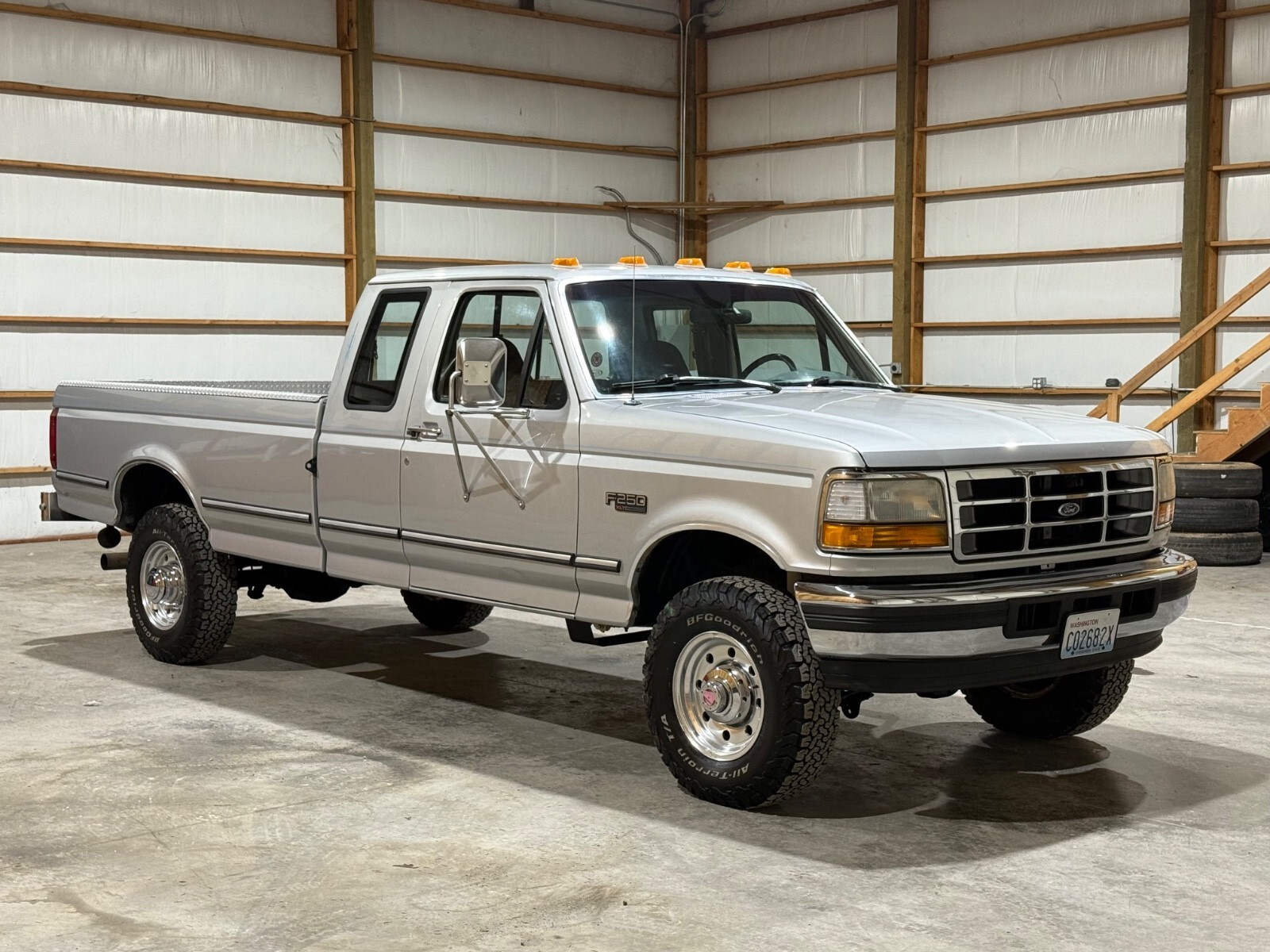
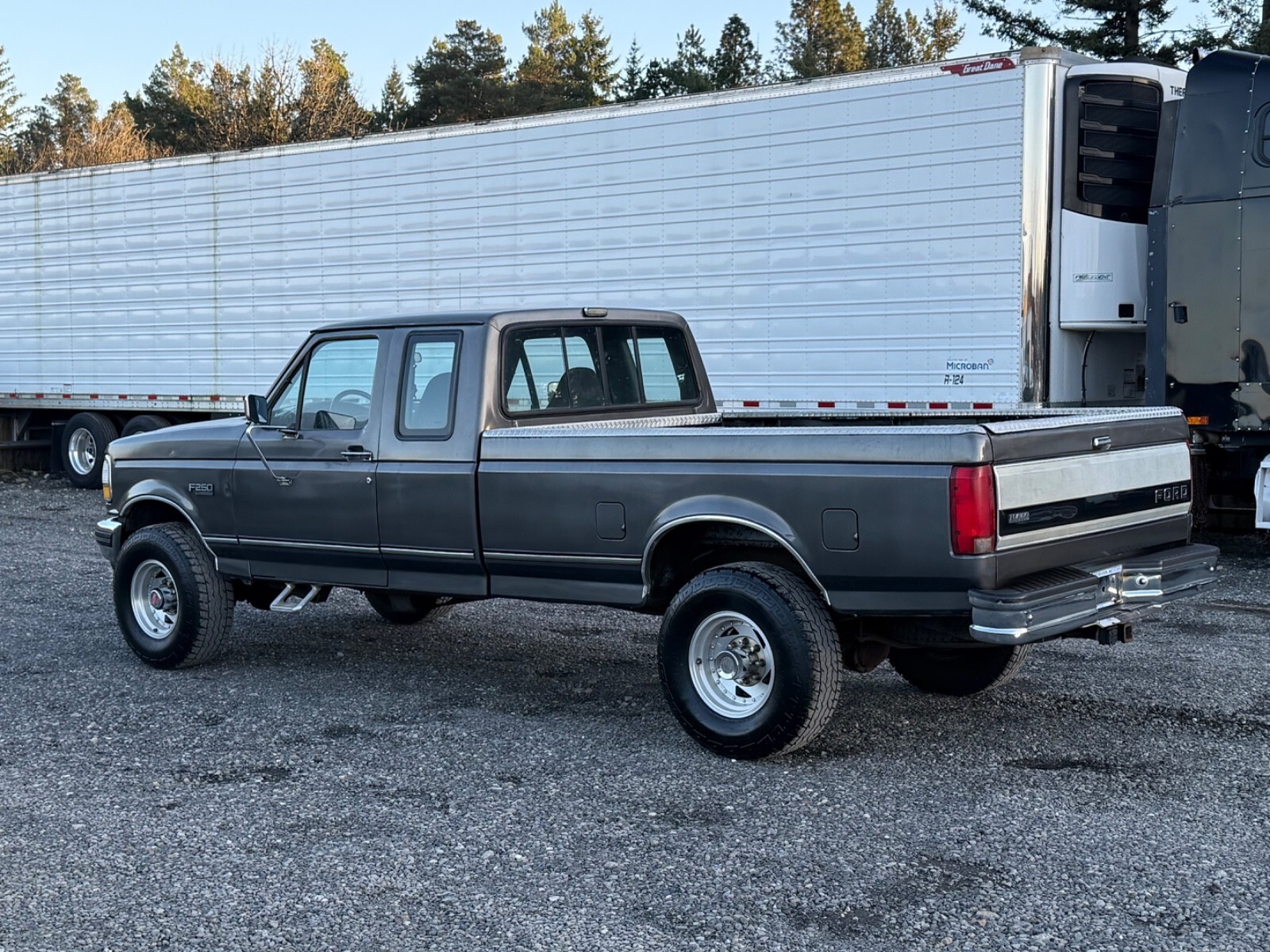
The 1993 Ford F-250 stands as a cornerstone of the "Old Body Style" (OBS) era, prized by classic truck enthusiasts for its blend of traditional boxy aesthetics and modern fuel-injected reliability. As of 2026, it serves as a highly accessible yet appreciating vintage workhorse, offering a raw mechanical connection that modern pickup trucks have largely phased out.
The Enduring Appeal of the OBS Generation
In the world of vintage pickups, few designations carry as much weight as OBS, or "Old Body Style." This term specifically refers to the ninth generation of the Ford F-Series, produced between 1992 and 1997. The 1993 model year represents the sweet spot of this generation, where Ford perfected the integration of electronic fuel injection (EFI) while maintaining the rugged, slab-sided design that had defined American trucks for decades.
For enthusiasts in 2026, the 1993 F-250 is no longer just a "used truck"; it is a legitimate classic. It occupies a unique space in automotive history, bridging the gap between the utilitarian, often uncomfortable trucks of the 1970s and the overly complex, luxury-focused pickups of the 21st century. The 1993 model year also benefitted from the significant interior and exterior refresh that occurred in 1992, featuring a more aerodynamic front clip and a redesigned dashboard that improved ergonomics without sacrificing the truck's "working man" identity.
Engine Options and Powertrain Reliability
One of the primary reasons the 1993 F-250 remains a favorite among collectors and restorers is the variety and durability of its engine lineup. During this era, Ford utilized a range of powerplants that are now legendary for their longevity and ease of maintenance.
The 4.9L (300 CID) Inline-Six
While many F-250 buyers opted for V8 power, the 4.9L Inline-Six remains a cult favorite. Known for its seven-main-bearing design and gear-driven camshaft (no timing chain or belt to fail), this engine is often cited as one of the most durable internal combustion engines ever built. In the 1993 F-250, it provided exceptional low-end torque, making it a favorite for farm use and steady hauling, even if it lacked the highway passing power of its larger siblings.
The 5.8L (351 Windsor) V8
The 5.8L V8 is widely considered the "Goldilocks" engine for the 1993 F-250. It offered a significant jump in horsepower and torque over the 5.0L (302 CID) found in the F-150, providing the necessary grunt for a heavy-duty three-quarter-ton chassis. By 1993, the 5.8L was fully matured with reliable multi-port fuel injection, making it a dependable choice for enthusiasts who want to actually drive their classic trucks in modern traffic.
The 7.5L (460 CID) Big Block V8
For those who prioritize towing capacity and the unmistakable sound of a big-block Ford, the 7.5L V8 was the king of the gas engines. While notoriously thirsty—often struggling to break into double-digit fuel economy—the 460 is a powerhouse. It is a favorite for enthusiasts who perform period-correct restorations and intend to pull vintage campers or trailers.
The 7.3L Indirect Injection (IDI) Diesel
The 1993 model year is particularly significant for diesel enthusiasts. This was the era of the International Harvester-built 7.3L IDI. Unlike the later Powerstroke engines, the IDI did not rely on a complex high-pressure oil system or a computer-controlled fuel map. In 1993, Ford introduced a factory-turbocharged version of the 7.3L IDI mid-year, though naturally aspirated versions remained common. These engines are prized for their ability to run on alternative fuels (where legal) and their mechanical simplicity.
Transmission and Drivetrain Configurations
The 1993 F-250 offered several transmission options that dictate the driving experience for 2026 owners. Understanding these is crucial when evaluating a potential purchase.
- The ZF5 Manual Transmission: This five-speed manual is highly sought after by enthusiasts. It features a "granny low" first gear for heavy loads and an overdrive fifth gear for highway cruising. It is renowned for its strength and is much preferred over the lighter-duty M5OD found in F-150s.
- The E4OD Automatic: As Ford’s first electronically controlled four-speed automatic, the E4OD was advanced for its time. However, early versions were prone to overheating. By 1993, many of the initial design flaws had been addressed, but it remains a component that requires careful inspection.
- Four-Wheel Drive Systems: The 1993 F-250 4x4 models typically used the Dana 44 or Dana 50 Twin Traction Beam (TTB) front axle and the Sterling 10.25-inch rear axle. The TTB system is unique; it provides a better ride than a solid front axle but can be difficult to keep in alignment if the bushings are worn or if a cheap lift kit has been installed.
Identifying Trim Levels and Features
In 1993, Ford categorized the F-250 into three primary trim levels: Custom, XL, and XLT. Understanding these helps enthusiasts determine the originality and value of a specific vehicle.
- Custom/XL: These were the workhorse trims. They often featured vinyl flooring, manual windows, and a basic bench seat. For a restorer, an XL trim provides a "blank canvas," though finding one that hasn't been abused by commercial use is increasingly difficult in 2026.
- XLT: This was the premium trim, offering "luxuries" like power windows, power locks, air conditioning, and plush cloth upholstery. The XLT also included more chrome exterior trim and the distinctive brushed-aluminum tailgate applique, which is a highly sought-after part in the classic truck market today.
| Feature | Custom/XL | XLT |
|---|---|---|
| Seating | Vinyl Bench | Cloth Bench or Captain's Chairs |
| Windows/Locks | Manual | Power |
| Flooring | Rubber/Vinyl | Carpet |
| Exterior | Painted Bumpers/Grille | Chrome Bumpers/Grille |
| Dashboard | Basic Gauges | Full Instrumentation (Tachometer) |
The 2026 Market: Why Collectors are Buying Now
As of 2026, the market for 1993 F-250s has bifurcated. On one hand, high-mileage "beaters" are disappearing as they reach the end of their mechanical lives. On the other hand, well-preserved "survivor" trucks and professional restorations are seeing a steady climb in value.
The shift toward the OBS Ford is driven by a generation of enthusiasts who grew up in the 1990s. To these collectors, the square-body Chevrolets of the 1970s and 80s have become too expensive or too antiquated, making the 1993 F-250 the perfect entry point into classic truck ownership. These trucks are still "modern" enough to keep up with highway speeds and feature basic safety equipment like rear-wheel anti-lock brakes (RABS), yet they are simple enough for a hobbyist to repair in a home garage.
Common Areas for Inspection and Restoration
For the classic truck enthusiast, purchasing a 1993 F-250 requires a keen eye for specific "weak spots" inherent to the ninth-generation F-Series.
Rust Prone Areas
Even in 2026, rust remains the number one killer of these trucks. Potential buyers should inspect the radiator support, as this is a notorious trap for moisture and salt. Other critical areas include the rear wheel arches, the cab corners, and the oil pan on the 7.3L diesel engines (which is difficult to replace without pulling the engine).
Dual Fuel Tank Issues
Most 1993 F-250s were equipped with dual fuel tanks. The selector valve and the individual Fuel Delivery Modules (FDMs) inside the tanks are common failure points. If a truck only runs on one tank, it often indicates a failed pump or a clogged selector valve—a manageable repair but one that should be factored into the purchase price.
Electrical and Vacuum Systems
While the 1993 model is less complex than modern trucks, it still relies on a network of vacuum lines for emissions control and HVAC door operation. Brittle vacuum lines can lead to rough idling or the defrost-only vent issue. Additionally, the Programmable Speedometer/Odometer Module (PSOM) can fail, leading to erratic shifting in E4OD automatic transmissions and a bouncing speedometer needle.
Upgrading vs. Preserving
A major debate within the classic truck community is whether to keep the 1993 F-250 in its factory-original state or to apply modern upgrades ("restomodding").
Preservationists argue that the 1993 XLT Lariat (a sub-trim of XLT) with its period-correct two-tone paint and factory wheels represents a specific moment in American design that should be saved. Original radio units and factory exhaust configurations are becoming harder to find and are increasingly valued.
Restomodders, however, often focus on improving the truck's utility. Popular upgrades in 2026 include:
- LED Lighting: Replacing the aging halogen sealed-beam or composite headlights with modern LED equivalents for safer night driving.
- Suspension Refresh: Replacing the aging TTB bushings with polyurethane versions to solve alignment "walk" and tire wear issues.
- Interior Sound Deadening: Adding modern insulation under the carpet and behind the door panels to reduce the "tinny" cabin noise common in 90s trucks.
- Transmission Cooling: Adding a larger external cooler for the E4OD to ensure longevity during towing.
Frequently Asked Questions
Is the 1993 F-250 considered a "True Classic" for insurance purposes?
In most jurisdictions and according to major classic car insurers like Hagerty or Grundy, a vehicle becomes eligible for classic insurance once it reaches 25 to 30 years of age. As it is now 2026, the 1993 F-250 is 33 years old, comfortably qualifying it for vintage plates and specialized insurance policies that recognize its collectible status rather than just its book value.
How does the 1993 F-250 compare to the 1993 Chevy Silverado 2500?
The rivalry between Ford and Chevrolet was at its peak in 1993. While the Chevy C/K 2500 offered a more car-like ride due to its independent front suspension (on 2WD models), many enthusiasts prefer the F-250 for its perceived toughness and the "twin traction beam" 4x4 setup. Ford also generally offered higher towing capacities in certain configurations during this specific year.
Can a 1993 F-250 be used as a daily driver in 2026?
Yes, provided it has been well-maintained. The 1993 model features fuel injection, which ensures reliable starting in cold weather, and power steering/brakes are standard. However, drivers should be aware that it lacks modern safety features like side-curtain airbags, stability control, and advanced crumple zones found in contemporary vehicles.
What is the "7.3L IDI" vs "7.3L Powerstroke"?
This is a critical distinction for the 1993 model year. The 1993 F-250 uses the 7.3L IDI (Indirect Injection). The 7.3L Powerstroke (Direct Injection) did not arrive until mid-1994. While the Powerstroke is more powerful and tuneable, the IDI is favored by some for its extreme mechanical simplicity and lack of complex electronics.
Where is the best place to find parts for a 1993 F-250 restoration?
Because Ford produced hundreds of thousands of these trucks, mechanical parts remain readily available at standard auto parts retailers. For trim-specific items, such as the brushed-aluminum tailgate panel or specific interior plastics, enthusiasts often turn to specialized vendors like LMC Truck, National Parts Depot (NPD), or various OBS-specific groups on social media platforms.
Next Steps for Enthusiasts
If you are looking to acquire a 1993 F-250, your first step should be to decide on your primary use case. If you intend to tow frequently, prioritize a 7.5L gas or 7.3L diesel model. If you want a weekend cruiser and "cars and coffee" attendee, a 5.8L XLT in a classic two-tone paint scheme (such as Reef Blue and Silver) is the iconic choice.
Always verify the VIN to ensure the engine and transmission match the factory configuration, and pay close attention to the condition of the PSOM and the radiator support. Joining an enthusiast community, such as the Ford Truck Enthusiasts forums, can provide invaluable peer support for troubleshooting and sourcing rare parts.