The abuse of the 13 Turpin children represents one of the most significant failures of social and educational oversight in modern history. Discovered in 2018 in Perris, California, the case revealed decades of systematic starvation, physical restraint, and psychological torture, highlighting critical gaps in homeschooling regulations and the subsequent management of high-profile foster care survivors.
The Discovery and Immediate Impact of the Turpin Case
On January 14, 2018, the world was alerted to a "house of horrors" in Perris, California, when 17-year-old Jordan Turpin escaped through a window and contacted emergency services using a deactivated cell phone. The scale of the situation became clear when deputies arrived at the residence of David and Louise Turpin. They found 12 more siblings—ranging in age from 2 to 29—living in squalor, some shackled to beds with chains and padlocks.
The immediate impact was a mixture of public horror and institutional scrutiny. The children were severely malnourished; at the time of the rescue, the 29-year-old weighed only 82 pounds, and several adult siblings appeared to be young children due to stunted physical development. This case immediately raised questions about how 13 children could remain "invisible" to the state for decades despite the family moving across state lines from Texas to California and maintaining a registered private school in their home.
In the aftermath, the children were hospitalized for weeks to treat the physiological effects of prolonged starvation and lack of medical care. The legal system moved swiftly against the parents, but the discovery was only the beginning of a much longer narrative regarding the scale of abuse and the difficulty of recovery for victims of extreme isolation.
Quantifying the Abuse: The Physical and Psychological Scale
To understand the scale of the abuse, one must look beyond the physical restraints. The Turpin parents employed a sophisticated system of psychological control designed to prevent escape or internal rebellion.
Physiological Stunting and Medical Neglect
The "scale" of the abuse was most visible in the children’s bodies. Medical examinations confirmed that the siblings suffered from "severe caloric malnutrition" which resulted in cognitive impairment and "neuropathy," a condition involving nerve damage. Most of the siblings had not seen a doctor in over four years and had never visited a dentist. The lack of hygiene was so severe that the children were allowed to wash their hair only once a year and shower only once or twice a year.
Psychological Warfare and Trauma Bonding
The parents utilized a "command and control" environment. The children were often forced to stay awake all night and sleep during the day to avoid contact with neighbors. Punishments for perceived infractions—such as washing their hands above the wrist, which was labeled "playing in the water"—included being choked, beaten, or chained.
Perhaps the most insidious aspect of the scale of abuse was the psychological grooming. The children were told they were loved, even as they were being starved, a tactic known as "trauma bonding." This created a complex dynamic where the victims felt a sense of loyalty and fear toward their captors, complicating their eventual testimony and reintegration into society.
Systemic Failures: Why the Abuse Remained Hidden
One of the most troubling aspects of the Turpin case is the duration of the abuse—spanning nearly 30 years—and how it remained undetected by authorities. The scale of this failure points to significant loopholes in educational and social welfare systems.
The Homeschooling Loophole
David Turpin registered the "Sandcastle Day School" as a private school with the California Department of Education. Under California law, the state has very little oversight over such entities. There were no requirements for home visits, standardized testing, or proof of curriculum. By operating under the guise of a private school, the Turpins were able to keep their children out of the public eye and away from mandatory reporters like teachers and school nurses.
Geographical Isolation and Social Withdrawal
The family moved frequently, relocating from Fort Worth, Texas, to Rio Vista, Texas, and finally to Perris, California. Each move allowed the parents to "reset" their social footprint. They avoided neighbors and did not allow the children to participate in any community activities. When the children were seen, they were often dressed identically and appeared robotic or fearful, but without a specific report, local law enforcement had no legal grounds to enter the home.
The Legal Proceedings and Sentencing
In April 2019, David and Louise Turpin were sentenced to 15 years to life in prison. They pleaded guilty to 14 felony counts, including cruelty to a dependent adult, child cruelty, torture, and false imprisonment.
During the sentencing, the scale of the impact was voiced by the victims themselves. Some siblings offered forgiveness, while others spoke of the nightmares they continued to face. The judge described the parents' actions as "selfish, cruel, and inhumane," noting that the children’s lives had been permanently altered by the deprivation of basic human needs. As of 2026, both parents remain incarcerated in the California state prison system, having been denied various appeals based on the severity and duration of their crimes.
Life After Rescue: The Challenges of Reintegration
Rescue is often viewed as the "end" of a tragedy, but for the 13 Turpin children, it marked the beginning of a second ordeal involving the foster care and social service systems. By 2026, the case has become a cautionary tale about the "second victimization" of survivors.
The Foster Care System Scandal
In late 2021, an investigative report revealed that some of the younger Turpin children were placed in a foster home where they allegedly suffered further abuse. This "secondary scale" of failure sparked national outrage and led to multiple lawsuits against Riverside County and a private foster care agency. The survivors reported being taunted about their past and being subjected to some of the same restrictive environments they had just escaped.
Financial Mismanagement and Guardianship
The adult survivors faced a different set of challenges. Millions of dollars were donated to the siblings via various funds, yet for years, many of the survivors lived in squalor or dangerous neighborhoods because they could not access the money. Public guardians appointed to manage their affairs were accused of being unresponsive and failing to provide basic guidance on life skills, such as using public transportation or managing a bank account.
| Dimension of Impact | Details of the Turpin Case Scale | Long-term Consequences (Observed by 2026) |
|---|---|---|
| Physical Health | Chronic malnutrition, muscle atrophy, and stunted growth. | Permanent height deficits and potential for early-onset osteoporosis. |
| Education | Complete lack of formal education despite "school" registration. | Most siblings required intensive remedial education; some achieved GEDs by 2024. |
| Psychological | Severe PTSD, anxiety, and social phobia. | Ongoing need for specialized trauma therapy; difficulty in forming trusting relationships. |
| Systemic Change | Exposure of CA private school affidavit loopholes. | Increased advocacy for "Jordan’s Law" to improve oversight of home-based schools. |
| Financial Status | Millions in private donations (approx. $600k+ per sibling initially). | Complex legal battles over trust access and "bad faith" management by guardians. |
Global and National Lessons for Child Protection
The scale of the 13 children's abuse has forced a global conversation on how to balance parental rights with the state’s obligation to protect children.
- Mandatory Reporting and Training: There is a renewed focus on training the public—not just professionals—to recognize the signs of social isolation and neglect.
- Legislative Reform: Since the discovery, several states have debated bills requiring "wellness checks" for homeschooled children. While controversial, the Turpin case remains the primary evidence used by proponents of such measures.
- Support for Adult Survivors: This case highlighted that "child" abuse doesn't end at 18. The adult siblings were just as vulnerable as the minors, leading to discussions about extending social services for victims of long-term captivity into adulthood.
Frequently Asked Questions
What was the main reason the Turpin abuse wasn't discovered sooner?
The primary reason was the exploitation of California’s private school regulations. By registering as a private school, David Turpin avoided the oversight of the public school system. Additionally, the family’s extreme social isolation and frequent moves prevented neighbors from noticing the extent of the neglect.
How are the Turpin siblings doing in 2026?
The siblings are in varying stages of recovery. While some have successfully transitioned to independent living and obtained higher education, others continue to struggle with the psychological and physical aftermath of their trauma. Several have become advocates for foster care reform, using their platform to highlight the failures of the system that was supposed to protect them after their rescue.
Did the foster care system fail the Turpin children after their rescue?
Yes, multiple investigations and lawsuits have confirmed that several of the siblings were placed in an abusive foster home post-rescue. Furthermore, the Riverside County social services system was criticized for failing to provide the adult survivors with the necessary resources to manage their lives and finances effectively.
What happened to the parents, David and Louise Turpin?
David and Louise Turpin were sentenced to life in prison with the possibility of parole after 25 years. As of 2026, they are serving their sentences in separate California correctional facilities. Their eligibility for parole will not occur until the early 2040s.
Are there any laws named after the Turpin children?
The case has inspired various legislative proposals aimed at closing homeschooling loopholes and improving foster care oversight. While "Jordan’s Law" (named after Jordan Turpin) has been proposed in various forms to increase communication between social services and law enforcement, its adoption has faced challenges from parental rights advocacy groups.
Final Recommendations for Supporting Child Safety
Understanding the scale of the Turpin case requires a commitment to vigilance and systemic reform. For individuals concerned about child welfare, the most effective action is to support local organizations that provide resources for "at-risk" families and to advocate for transparent oversight of all educational environments.
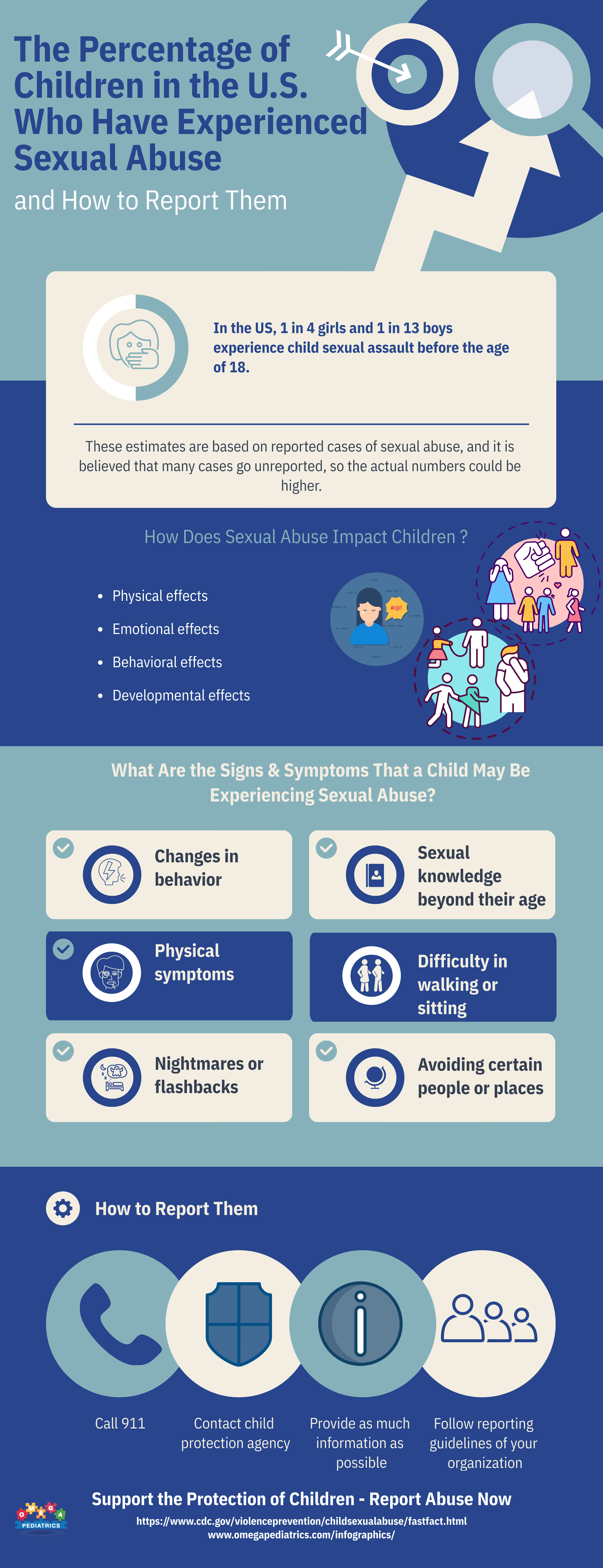
If you suspect a child is being abused or neglected, contact the National Child Abuse Hotline at 1-800-4-A-CHILD (1-800-422-4453). This service provides 24/7 access to professional counselors who can guide you through the reporting process and help ensure that no child remains "invisible" to the systems meant to protect them.