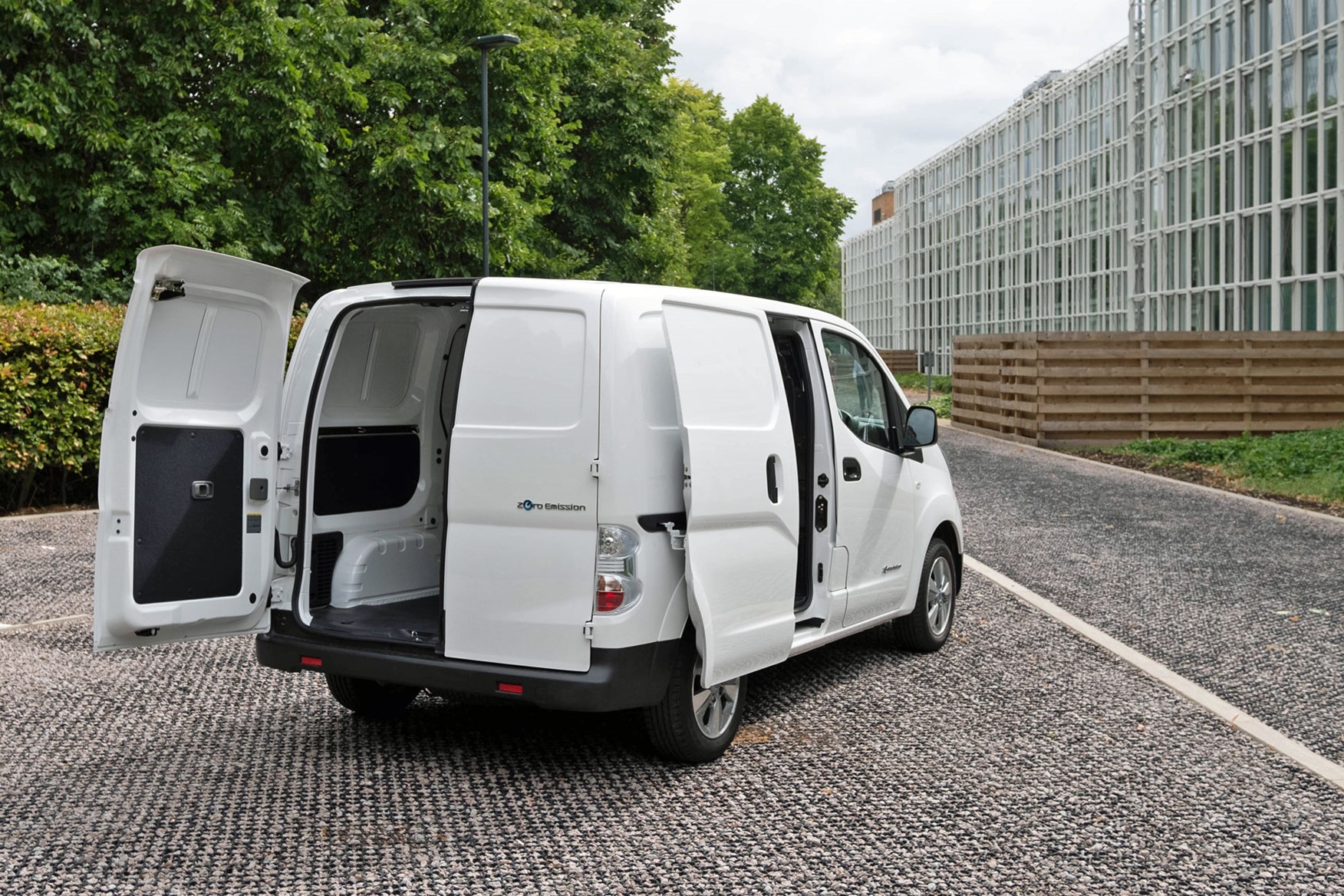
A Nissan NV200 registering 12 mpg is experiencing severe fuel inefficiency, running at less than half of its standard urban and highway fuel economy ratings. This drastic drop points to critical mechanical, electrical, or operational failures, ranging from severe engine misfires and dragging brakes to heavily restricted exhaust systems or specialized commercial payload overloads.
Understanding the Nissan NV200 Baseline Fuel Economy
To contextualize why a reading of 12 mpg is alarmingly low, it is necessary to examine how the vehicle was engineered to perform. The standard Nissan NV200—produced primarily for commercial fleets, small businesses, and urban delivery operations—is equipped with a small-displacement, naturally aspirated 2.0-liter 4-cylinder engine (the MR20DE) paired with a continuously variable transmission (CVT).
From its introduction in the North American market for the 2013 model year up through its final production years, factory specifications consistently rated the NV200 at approximately 24 mpg in city driving and 26 mpg on the highway, resulting in a combined EPA rating of around 25 mpg. Achieving only 12 mpg means the vehicle is consuming double the expected amount of fuel for the distance traveled. This abnormality introduces severe financial consequences for fleet managers or independent operators, and it signals that unburned fuel, excessive mechanical resistance, or severe engine inefficiency is at play.
| Metric | Factory Specification |
|---|---|
| Engine Type | 2.0L 4-Cylinder (MR20DE) |
| Transmission | Xtronic CVT |
| EPA City Rating | ~24 MPG |
| EPA Highway Rating | ~26 MPG |
| Abnormal Reading | 12 MPG (50% efficiency loss) |
Initial Triage: Reading Diagnostic Trouble Codes (DTCs)
When a vehicle's fuel economy drops by half, the engine control unit (ECU) has almost certainly registered multiple faults and illuminated the check engine light. However, even if the dashboard light is not illuminated, pending codes or sensor degradation can severely skew air-fuel ratios without immediately triggering a hard warning.
Scanning for Powertrain Faults
The first step in any diagnostic procedure for an inefficient NV200 is connecting an OBD-II scanner capable of reading live data streams, not just stored diagnostic trouble codes (DTCs). Technicians should look for codes falling into specific categories:
- Fuel System Malfunctions (P0171 / P0172): A system too lean or too rich indicates that the ECU is struggling to balance the ratio of gasoline to atmospheric oxygen entering the cylinders. A rich condition dumps excess fuel into the combustion chamber, tanking fuel economy.
- Misfire Codes (P0300 through P0304): Unburnt fuel passing through the cylinders due to a weak spark or lack of compression destroys fuel mileage and quickly ruins the catalytic converter.
- Oxygen Sensor and Air-Fuel Ratio Sensor Faults (P0130–P0167): If upstream sensors fail or provide sluggish data, the ECU defaults to a rich "limp" safety map to protect the engine from running too lean.
Analyzing Live Sensor Data
Beyond reading codes, observing live parameters (PIDs) provides immediate clarity. Monitoring short-term fuel trim (STFT) and long-term fuel trim (LTFT) will show whether the engine is constantly fighting to add or subtract fuel. Combined fuel trim percentages exceeding plus or minus 15% under normal cruising conditions confirm an underlying air, fuel, or mechanical delivery failure.
Mechanical and Operational Causes of 12 MPG in an NV200
If diagnostic scans do not immediately reveal a failed electronic component, the issue often stems from physical resistance, heavy duty-cycle usage, or severe internal engine degradation.
Excessive Cargo Weight and Aerodynamic Drag
The NV200 is a compact cargo van designed for light-to-moderate payloads. Its maximum payload capacity is roughly 1,480 pounds.
- Overloading: When commercial operators pack the cargo bay beyond its weight limits or install heavy, custom wooden shelving units, toolboxes, and ladder racks without accounting for weight distribution, the 2.0L engine must operate at wide-open throttle just to maintain cruising speed.
- Aerodynamic Drag: External additions such as bulky roof ladders, unstreamlined cargo boxes, or driving with windows down at highway speeds significantly increase wind resistance. At sustained highway speeds, high aerodynamic drag forces the engine to burn substantially more fuel to overcome resistance.
Brake Drag and Wheel Resistance
A frequently overlooked culprit for abysmal fuel economy is parasitic mechanical drag. If a brake caliper seizes, a flexible brake hose collapses internally acting like a check valve, or the parking brake cable remains partially engaged, one or more wheels will constantly drag against the brake pads.
- Field Verification: Safely lift the vehicle and spin each wheel by hand. If a wheel fails to spin freely and encounters heavy resistance, inspect the brake assembly for trapped heat, uneven pad wear, or a stuck caliper slide pin. A dragging brake generates immense friction, converting kinetic energy into heat while slashing fuel economy to 12 mpg or lower.
Transmission and CVT Slippage
The Xtronic CVT utilized in the Nissan NV200 relies on a steel pushbelt operating between variable-width pulleys.
- Internal Wear: As CVTs age, or if the transmission fluid has been neglected and thermal breakdown occurs, the belt can slip against the pulley faces. When transmission slip happens, the engine revs freely, but vehicle acceleration and wheel speed do not scale proportionally. This high-rev, low-speed operating condition ruins fuel economy and generates excessive transmission heat.
Ignition, Fuel Delivery, and Air Intake Restrictions
Internal combustion requires precise timing, proper compression, a clean air charge, and atomized fuel delivery. A failure in any of these domains will cause the engine management system to drastically over-fuel the combustion chambers.
Degraded Spark Plugs and Weak Ignition Coils
Worn-out spark plugs with excessively wide gaps or failing individual coil-on-plug (COP) units prevent a complete, efficient burn of the air-fuel mixture. When combustion is weak, the ECU detects the drop in power and commands the fuel injectors to inject more gasoline to compensate, creating a destructive feedback loop of high fuel consumption and low power output.
Clogged Air Filters and Restricted Intake Paths
A severely blocked or water-logged engine air filter chokes the engine of oxygen. Similarly, a malfunctioning mass air flow (MAF) sensor coated in oil or dirt will miscalculate the volume of incoming air, causing the computer to miscalculate fuel delivery metrics. Cleaning the MAF sensor with specialized electronic cleaner and replacing a neglected air filter are low-cost preventative steps that frequently restore baseline efficiency.
Exhaust Restrictions and Catalytic Converter Failure
If unburnt fuel continuously floods the exhaust system—often due to long-term ignition misfires—the internal honeycomb structure of the catalytic converter can melt, clog, or collapse. A restricted exhaust system creates massive backpressure. The engine essentially suffocates, unable to expel exhaust gases efficiently, resulting in severe power loss, sluggish throttle response, and a steep plunge in fuel economy down to the 12 mpg range.
Step-by-Step Troubleshooting and Corrective Action Plan
Resolving a critical fuel economy drop requires a structured, methodical approach to eliminate variables and isolate the root cause.
- Conduct a Complete OBD-II Scan: Plug a diagnostic scan tool into the port beneath the driver's side dashboard. Record all active, pending, and permanent trouble codes.
- Inspect Live Fuel Trims: Check short-term and long-term fuel trims at idle and at a steady 2,500 RPM cruise. Identify whether the system is running excessively rich or lean.
- Perform a Physical Drag Test: Safely elevate the van and manually rotate all four wheels to check for seized brake calipers, bad wheel bearings, or stuck parking brakes.
- Evaluate Payload and Roof Modifications: Weigh the vehicle on a commercial scale if heavy commercial gear is permanently installed. Remove unnecessary roof racks or external hardware contributing to aerodynamic drag.
- Inspect Ignition and Air Delivery: Pull the spark plugs to inspect their condition and gap spacing. Check the engine air filter and clean the mass air flow sensor.
- Verify Exhaust Backpressure: If power is lacking and fuel economy remains poor despite clean spark and correct fuel trims, test for a clogged catalytic converter using a backpressure gauge at the oxygen sensor port.
Frequently Asked Questions
Can bad transmission fluid cause a Nissan NV200 to get 12 MPG?
Yes. Degraded or low CVT fluid can cause internal belt slippage, preventing the transmission from transferring engine power efficiently to the wheels. This causes the engine to rev higher than necessary for a given vehicle speed, burning significantly more fuel.
Will a bad oxygen sensor cut my fuel economy in half?
A failed or sluggish upstream oxygen sensor can cause the engine control unit to default to a rich running condition. While a 50% drop to 12 mpg is extreme, a severe sensor failure combined with a secondary issue like a stuck thermostat can cause massive fuel over-consumption.
How does vehicle weight affect the small 2.0L engine in the NV200?
The NV200 relies on a modest 2.0-liter 4-cylinder engine designed for light urban distribution. Exceeding the maximum payload rating or adding heavy interior build-outs forces the engine to operate near maximum load continuously, ruining fuel efficiency.
Is it safe to drive long distances with an NV200 getting 12 MPG?
No. Getting 12 mpg usually indicates unburnt fuel entering the exhaust stream, severe mechanical friction (such as a locked brake), or internal engine damage. Driving under these conditions risks permanently destroying the catalytic converter or causing catastrophic mechanical failure.
Conclusion and Next Action
Dropping to 12 mpg in a Nissan NV200 represents an abnormal, critical operational failure that demands immediate attention. Start by scanning the vehicle for diagnostic trouble codes and verifying that all four wheels spin freely without brake drag. If no electronic codes appear, prioritize inspecting the ignition system, cleaning the mass air flow sensor, and evaluating vehicle weight and aerodynamic drag. For persistent mechanical or transmission failures, consult a certified automotive technician to prevent further damage to the exhaust and powertrain systems.