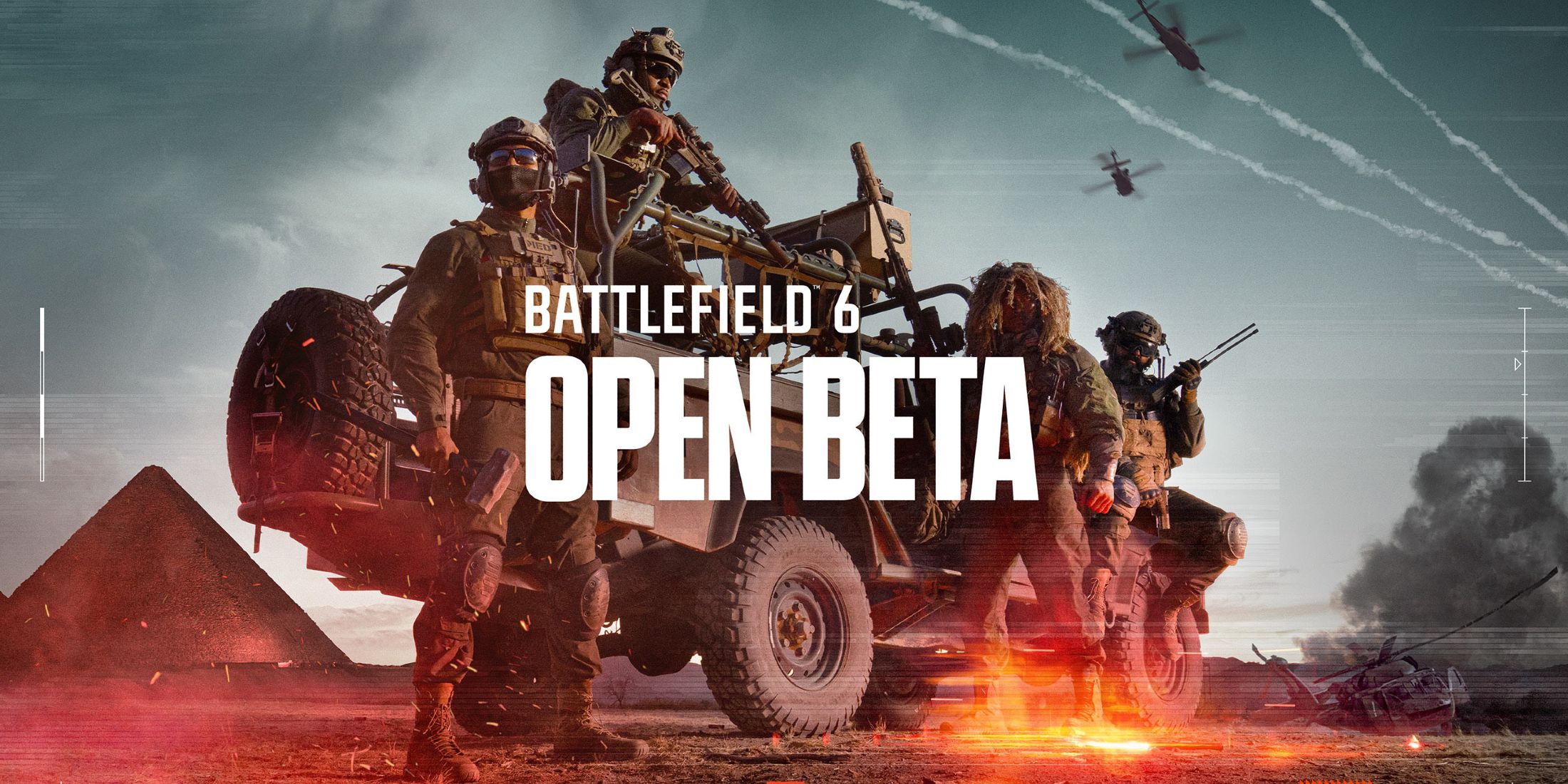
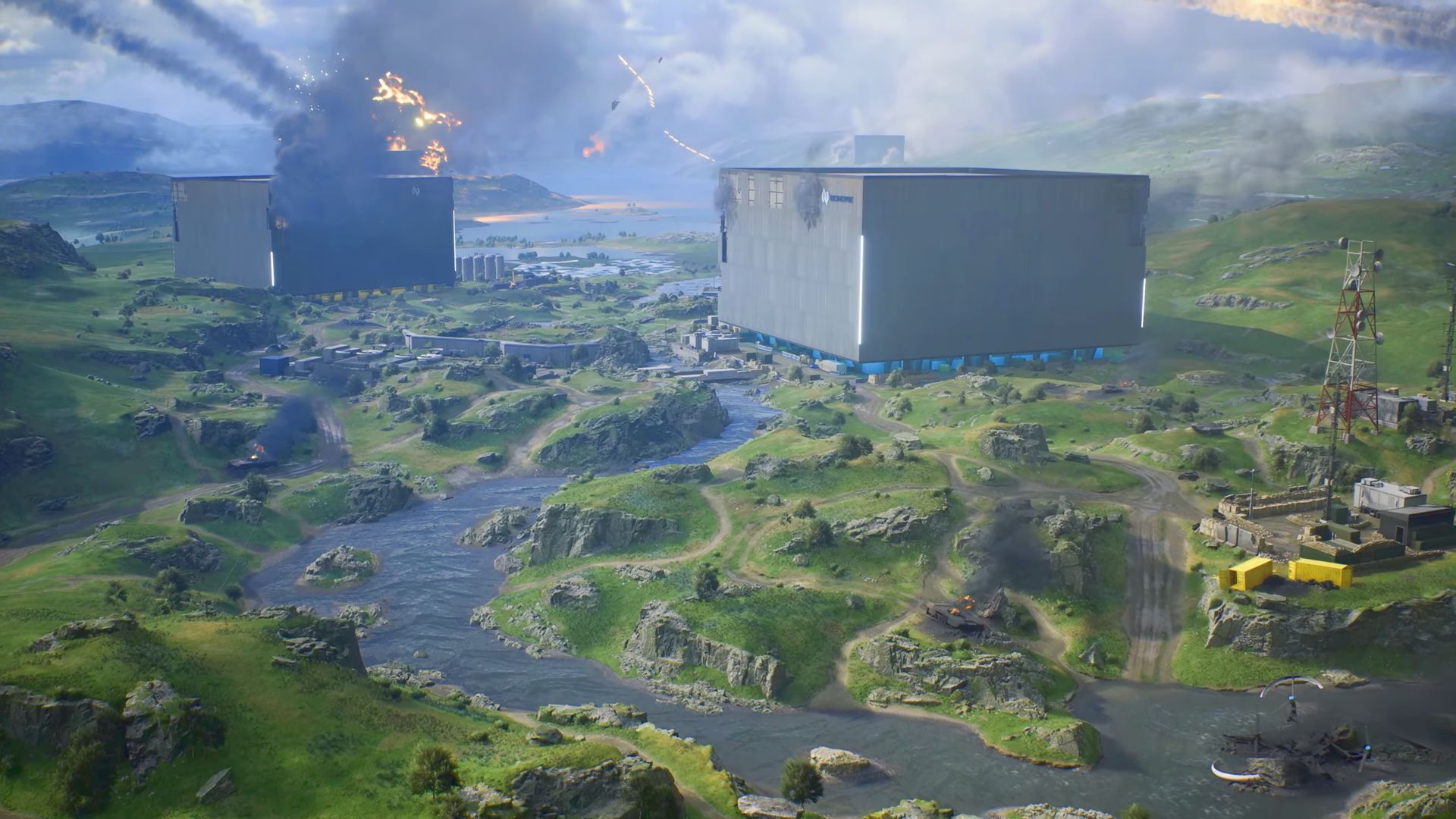
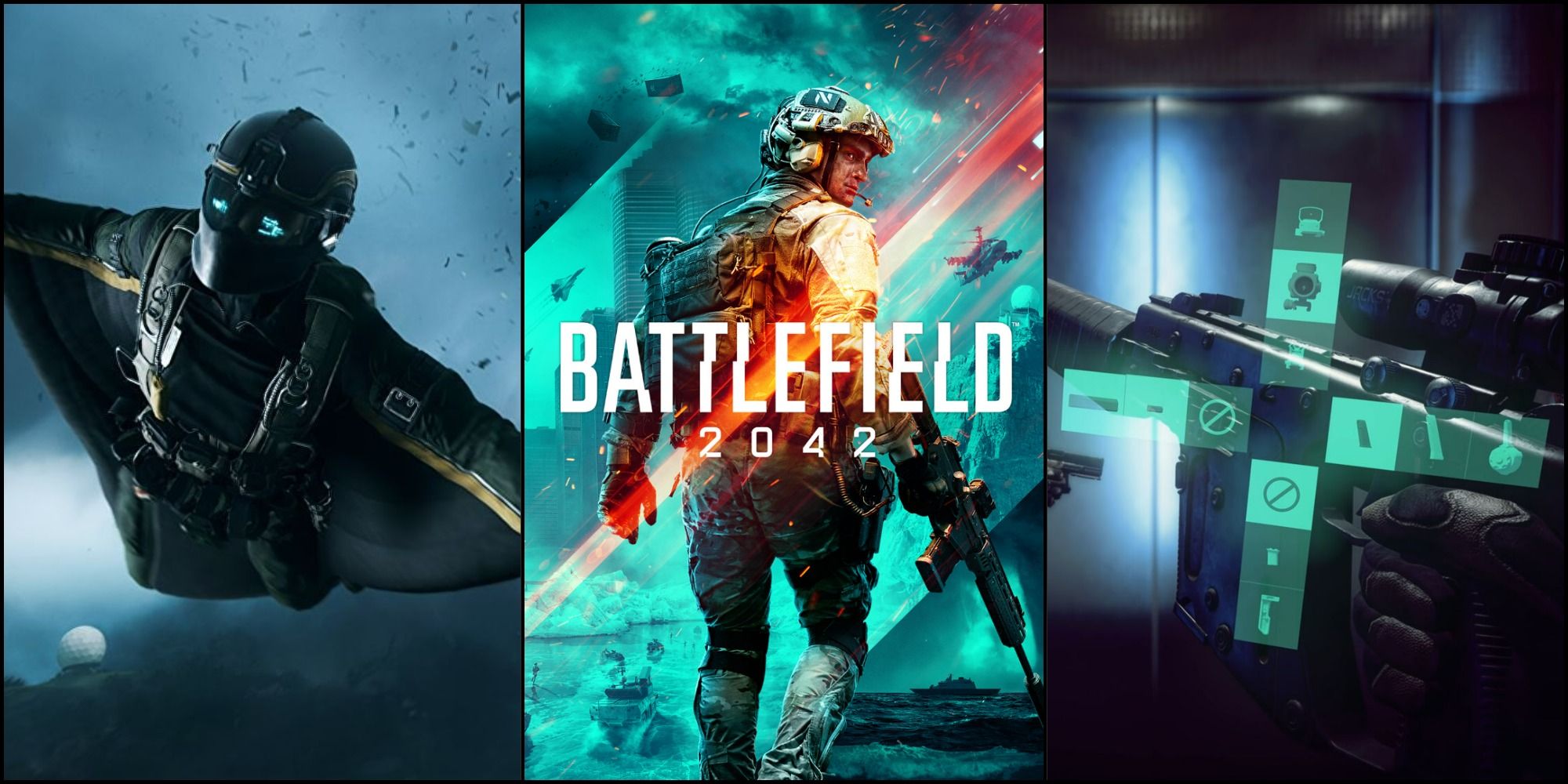
Understanding the mechanics, franchise evolution, and strategic depth of the Battlefield video game series requires looking past surface-level multiplayer action. Developed primarily by DICE and published by Electronic Arts, Battlefield has evolved over two decades from a PC-centric tactical shooter into a massive, multi-platform sandbox defined by large-scale warfare, destructible environments, and class-based team dynamics.
1. The Origins and Evolution of the Franchise
The Battlefield franchise began in 2002 with the release of Battlefield 1942 for Microsoft Windows, developed by Digital Illusions CE (DICE). The game immediately distinguished itself from contemporary first-person shooters like Counter-Strike or Medal of Honor by focusing on massive multiplayer maps, vehicular warfare, and a ticket-bleed respawn system. Players could seamlessly pilot tanks, airplanes, and naval destroyers while fighting across iconic World War II theaters.
Over the subsequent decades, the franchise expanded across historical eras and futuristic settings. Titles like Battlefield 2 (2005) introduced modern military settings and the foundational squad command structures that persist today. Later installments ventured into experimental timelines, such as the sci-fi-infused Battlefield 2142, historical epics like Battlefield 1 (set during World War I), and modern-day clashes like Battlefield 3, Battlefield 4, and Battlefield 2042. Each iteration experimented with engine upgrades, player counts, and sandbox physics, continually redefining the scope of online multiplayer battles.
2. The Frostbite Engine and Environmental Destruction
A defining technical pillar of the Battlefield series is the Frostbite engine, a proprietary game engine developed by DICE and Electronic Arts. Introduced broadly to the franchise with Battlefield: Bad Company in 2008, Frostbite brought unprecedented levels of environmental destruction to the genre. Rather than fighting within static maps, players could use explosives, heavy vehicle weaponry, and engineered demolitions to tear down walls, blast through cover, and fundamentally alter the layout of a battlefield.
This destruction is not merely cosmetic; it directly impacts tactical gameplay. Snipering through a blown-out apartment window, collapsing a building to eliminate campers on a roof, or carving a new transit route through a dense forest using an armored tank changes how firefights unfold. Over the years, the engine has evolved to handle higher player counts, dynamic weather systems, and complex ballistics, though it has also historically presented optimization and stability challenges during major software launches.
3. Class-Based Roles and Squad Mechanics
Teamwork and role specialization form the core philosophy of Battlefield's multiplayer design. Players select a specific combat class—traditionally divided into roles such as Assault, Engineer, Support, and Recon—each equipped with specialized weapons, gadgets, and utilities. Success in a match relies heavily on composition and synergy rather than individual elimination counts.
- Assault: Typically functions as the frontline infantry, equipped with assault rifles and anti-infantry explosives or healing utilities depending on the specific title.
- Engineer: Focuses on vehicle maintenance, repair, and destruction, wielding rocket launchers, repair torches, and land mines.
- Support: Supplies ammunition, lays down suppressive fire with light machine guns, and constructs fortifications or deploys mortar strikes.
- Recon: Specializes in long-range precision engagements, target designation, and gathering intelligence via motion sensors or spawn beacons.
Within these classes, squad mechanics encourage players to stick together. Squad leaders can issue attack and defend orders, granting bonus experience points and tactical advantages. Spawning directly on squadmates keeps the momentum of an attack alive, reinforcing the series' emphasis on cooperative momentum over lone-wolf tactics.
4. Iconic Game Modes: Conquest and Breakthrough
While the franchise has hosted numerous gameplay variants over the years, certain modes remain synonymous with the Battlefield identity.
| Game Mode | Primary Objective & Mechanics |
|---|---|
| Conquest | Capture and hold strategic control points to bleed the enemy team's ticket pool. |
| Breakthrough | Attackers push through sequential sectors while defenders try to hold the line. |
| Rush | Attackers systematically destroy M-COM stations while defenders disarm them. |
| Team Deathmatch | Pure infantry combat focused solely on eliminating enemy players. |
Conquest is the flagship mode, accommodating massive player counts across sprawling maps where map control shifts fluidly between opposing factions. Breakthrough (historically known as Rush or Operations in titles like Battlefield 1) structures the chaos into a linear push-and-pull, focusing combat intensity into distinct frontlines. These modes are engineered to create cinematic "Battlefield moments"—unscripted, emergent scenarios involving collapsing structures, low-flying jet dogfights, and last-second point captures.
5. Combined-Arms Warfare: Infantry, Armor, and Aviation
Unlike dedicated infantry shooters, Battlefield is built around combined-arms warfare. Matches routinely integrate ground infantry, armored personnel carriers, main battle tanks, attack boats, scout helicopters, and fighter jets into a single cohesive ecosystem. Mastering the game requires understanding how these different units interact and counter one another.
This dynamic creates a rock-paper-scissors balance across the map. Infantry are vulnerable to armor in open fields, but infantry engineers can easily ambush tanks in tight urban environments using anti-tank mines and rocket launchers. Meanwhile, attack helicopters and jets dominate ground targets unless skilled anti-air operators or enemy pilots counter them. This multi-layered ecosystem ensures that players of various playstyles—whether they prefer stealthy sniping, vehicle piloting, or frontline room-clearing—find a dedicated niche within the sandbox.
6. The Evolution of Player Counts and Map Scale
Scale has always been a primary marketing and design pillar for the franchise. Early titles accommodated 64 players on PC, which was considered massive for its time, while console versions often scaled down player counts due to hardware limitations. With the release of Battlefield 2042, the series pushed technological boundaries by supporting up to 128 players on current-generation platforms (PC, PlayStation 5, and Xbox Series X/S), accompanied by maps of unprecedented physical size.
However, this transition to ultra-large maps and 128 players sparked significant debate within the community. While the scale amplified the sense of grand warfare, it sometimes diluted individual player impact and left vast, empty stretches of terrain between key objectives. Consequently, DICE implemented map reworks and scaled-back player counts in subsequent updates to restore the tight, infantry-focused choke points that long-time fans associated with classic titles like Battlefield 3 and Battlefield 4.
7. Customization, Live Services, and Monetization
Modern iterations of Battlefield have shifted away from traditional expansion pass models toward seasonal live-service frameworks. Under this model, players receive continuous gameplay updates, new maps, weapons, vehicles, and specialist or class updates distributed across themed seasons without splitting the multiplayer player base behind paid paywalls.
Monetization is primarily driven through cosmetic microtransactions, battle passes, and in-game currency. Players can customize the appearance of their soldiers, weapon skins, and vehicle finishes. This approach aims to fund ongoing post-launch development and server maintenance, though it requires balancing to ensure that aesthetic items do not compromise visibility or historical/thematic immersion on the battlefield.
8. Community-Driven Content and Portal Tools
One of the most notable platform additions in recent years is Battlefield Portal, introduced in Battlefield 2042. Portal serves as a community-driven sandbox environment that allows players to create, share, and discover custom game modes by mixing and matching weapons, maps, factions, and rulesets from across different eras of the franchise's history.
Through Portal, players can configure unique scenarios, such as World War II infantry fighting against modern military hardware, or establish custom rule limits like hardcore health systems and restricted weapon categories. This toolset empowers the community to curate bespoke multiplayer experiences, reviving classic maps from titles like Battlefield 1942 and Battlefield: Bad Company 2 with modern visual fidelity and engine mechanics.
9. Performance Optimization and Technical Requirements
Running a modern Battlefield title requires careful consideration of hardware specifications. Because the Frostbite engine renders massive player counts, complex physics calculations, dynamic weather, and extensive environmental destruction simultaneously, the CPU and GPU demands are notably higher than standard multiplayer shooters.
- CPU Performance: High core counts and strong single-core performance are essential, particularly in 128-player modes where tracking projectile physics and player inputs strains processor threads.
- Memory (RAM): 16GB is typically the baseline requirement for stable performance, with 32GB recommended to avoid stuttering during high-intensity engagements.
- Storage: Solid State Drives (SSDs) are virtually mandatory to ensure fast asset streaming and eliminate texture-loading delays during rapid redeployments.
Players experiencing performance bottlenecks often benefit from adjusting graphical settings such as ambient occlusion, mesh quality, and ray tracing (where applicable) to maintain high, stable frame rates crucial for competitive reflex-based combat.
10. The Future and Ongoing Direction of the Franchise
As the gaming landscape evolves, Electronic Arts and DICE have structured future Battlefield development around an interconnected multi-studio approach. Teams across multiple studios—including Respawn Entertainment and Ripple Effect—collaborate on various facets of the universe, spanning single-player campaigns, battle royale elements, and core multiplayer experiences.
Future entries focus heavily on refining core combat feedback, restoring deeply requested legacy features like traditional class systems, and rebuilding community trust following bumpy historical launches. By blending the chaotic sandbox destruction that defined the series' peak with modern technical standards, the franchise continues to target the pinnacle of large-scale military tactical shooters.
Frequently Asked Questions
What is the best Battlefield game for beginners?
Battlefield 4 and Battlefield 1 are widely recommended for newcomers. Battlefield 4 offers a definitive modern military sandbox with intuitive mechanics, while Battlefield 1 provides immersive atmosphere, accessible weapon handling, and active player communities in certain regions.
Do I need a powerful PC to play modern Battlefield games?
Yes, modern Battlefield titles demand robust hardware, especially regarding CPU performance and RAM. Because the Frostbite engine processes massive environmental destruction and large player counts, utilizing an SSD and a multi-core processor is necessary for a smooth experience.
Can I play Battlefield entirely solo?
While Battlefield is primarily designed as a multiplayer experience, many titles feature cooperative modes against artificial intelligence or allow players to host private matches filled with AI bots, making it possible to practice mechanics without entering competitive online servers.
What is the difference between Conquest and Rush?
Conquest focuses on capturing and holding multiple open-air control points across a wide map to drain enemy respawn tickets. Rush is a linear, objective-based mode where attackers push through distinct sectors by arming and destroying specific M-COM communication stations.
How do classes affect squad success?
Classes dictate your utility loadout, such as healing teammates, repairing tanks, or supplying ammunition. A balanced squad containing an Assault, Engineer, Support, and Recon player ensures the unit can handle any combat situation, survive longer, and maintain tactical positioning.
Final Recommendation: Before diving into a modern Battlefield title, check your system requirements against official publisher guidelines, select a standard class that matches your preferred playstyle—such as the Engineer for vehicle combat or Support for defensive holding—and utilize server browsers or matchmaking filters to find active lobbies with low ping.