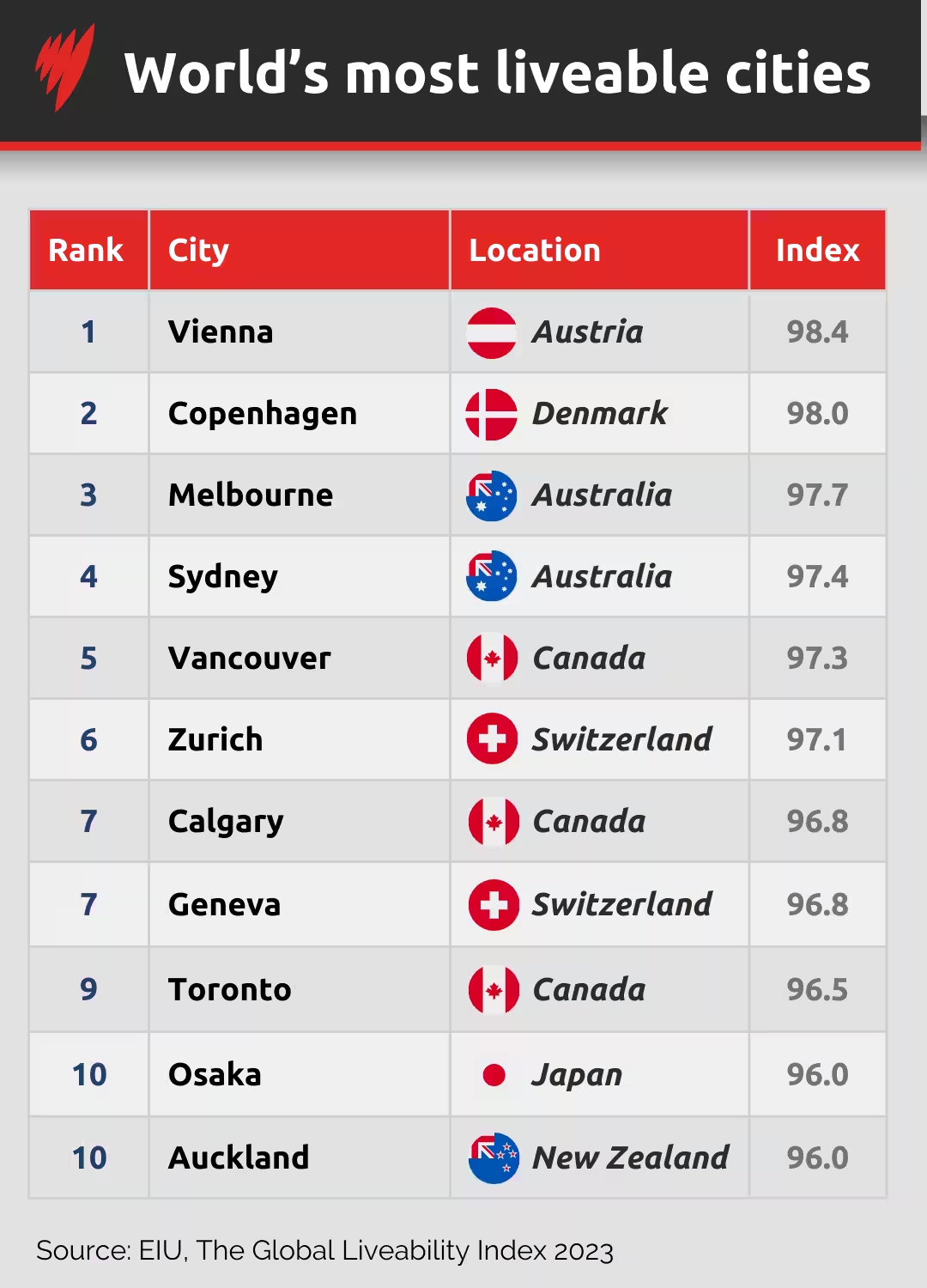
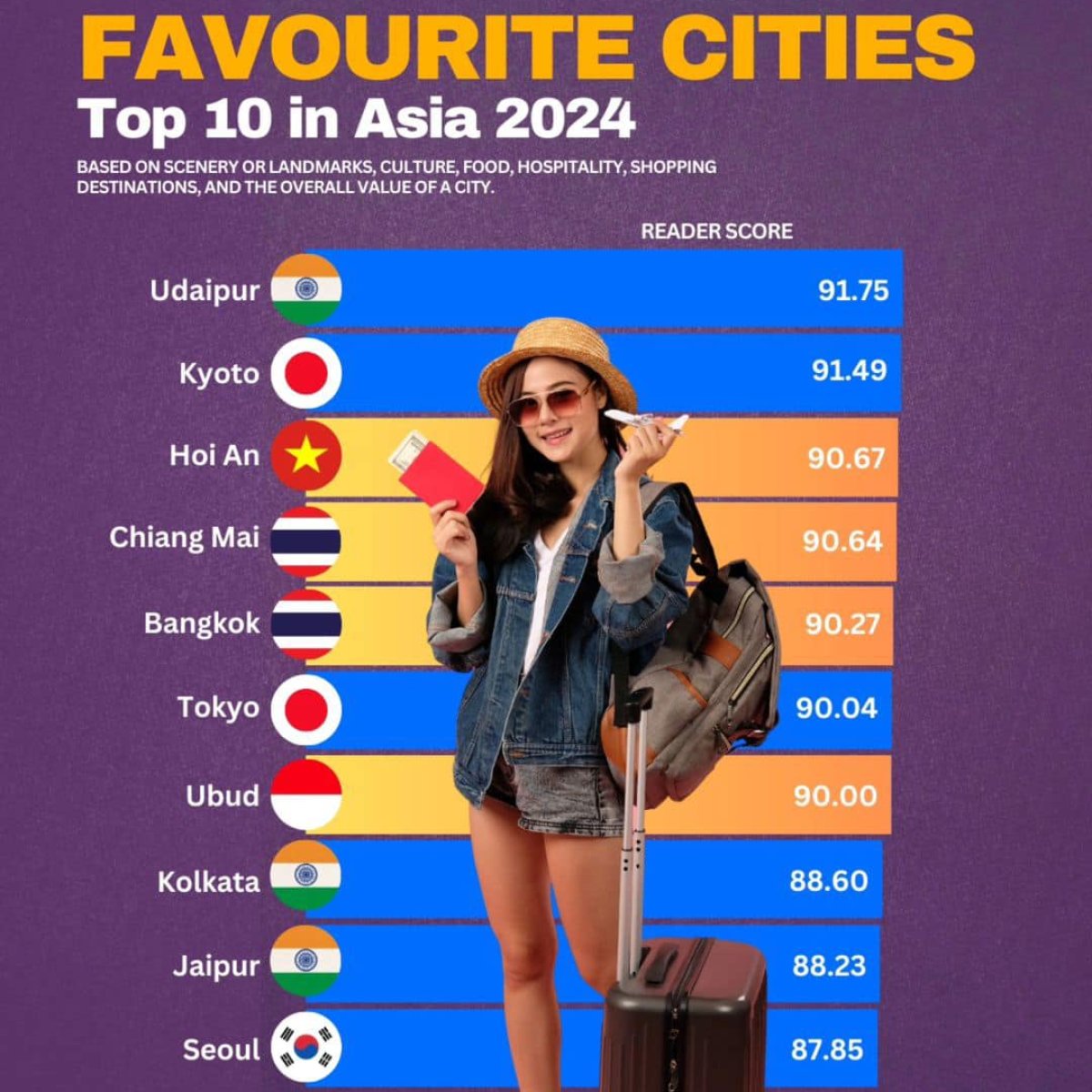
Analyzing the landscape of global mobility, tourism, and urban prominence reveals that the ten most popular cities are defined by shifting economic investments, sustainability initiatives, cultural resurgences, and evolving post-pandemic travel demands. These urban centers captured global attention through record-breaking visitor arrivals, infrastructural transformations, and robust foreign investment indices.
The Resurgence of Global Urban Centers
Global tourism and migration patterns shifted dramatically entering 2024, driven by relaxed travel restrictions, major international events, and targeted municipal investments in green infrastructure and smart technology. Cities that successfully merged historical heritage with modern, frictionless digital services captured the highest volume of both short-term visitors and long-term expatriates. Understanding what made these destinations stand out requires a close examination of macroeconomic indices, hospitality data, and municipal policy adaptations.
Urban popularity is rarely accidental. It is the result of deliberate urban planning, aggressive destination marketing, and resilient economic frameworks that withstand global inflationary pressures. As international travel returned to pre-pandemic baselines, cities faced unique challenges balancing overtourism with sustainable growth, pushing local governments to implement novel visitor caps, dynamic pricing models for public assets, and enhanced public transit networks.
1. Paris, France: Cultural Capital and Olympic Infrastructure
Paris maintained its position at the absolute pinnacle of global urban popularity, propelled heavily by its preparations for and hosting of the 2024 Summer Olympic and Paralympic Games. The French capital accelerated multi-year infrastructural overhauls, transforming public spaces to prioritize pedestrian zones, expansive cycling lanes, and the environmental cleanup of the Seine.
Beyond the temporary surge of the Olympic Games, Paris retained its core allure through world-class culinary innovation, high-end retail, and iconic cultural institutions like the Louvre and the Musée d'Orsay. However, the influx of millions of visitors strained local housing markets, leading to stricter regulations on short-term vacation rentals and rising costs for hospitality services. For travelers and potential residents alike, Paris presented a paradox of unparalleled cultural richness balanced against high cost-of-living metrics and acute crowd management challenges.
2. Tokyo, Japan: Currency Advantage and Hyper-Modern Tradition
Tokyo experienced an unprecedented tourism boom, largely catalyzed by a favorable exchange rate for foreign currencies against the Japanese Yen, coupled with the city's unique fusion of hyper-modern technology and deeply preserved historical traditions. International arrivals shattered historical records as visitors flocked to neighborhoods like Shibuya, Shinjuku, and Asakusa.
Municipal authorities in Tokyo leveraged this popularity to promote travel outside the immediate metropolitan center, encouraging exploration of regional prefectures to mitigate local crowding. Tokyo's appeal rests on its world-renowned public safety, immaculate cleanliness, culinary diversity ranging from street food to Michelin-starred dining establishments, and an extraordinarily efficient rail and subway network that handles millions of daily commuters with precision.
3. Dubai, United Arab Emirates: Luxury, Business, and Innovation Hub
Dubai solidified its standing as a premier global crossroads for both high-end leisure tourism and international business enterprise. Driven by strategic government initiatives aimed at economic diversification away from oil, the city launched extensive campaigns attracting remote workers, digital nomads, and global entrepreneurs through specialized long-term residency visas.
The city's popularity is anchored by landmark architectural achievements, sprawling luxury retail complexes, and a booming culinary scene that earned global recognition from Michelin and other prestigious culinary guides. Dubai's strategic geographic location—bridging Europe, Asia, and Africa—makes it a vital aviation nexus, while continuous investment in smart-city technologies ensures streamlined experiences for residents and visitors navigating municipal and commercial services.
4. Amsterdam, Netherlands: Balancing Tourism and Livability
Amsterdam continued to be a focal point of European travel and urban lifestyle appeal, celebrated for its historic canal rings, world-class art museums, and cycling-centric urban design. Yet, Amsterdam's 2024 narrative was defined heavily by its aggressive measures to combat overtourism.
City officials implemented strict bans on new hotel construction in central districts, restricted the expansion of river cruises, and launched digital campaigns discouraging disruptive tourism behavior. Despite these constraints, Amsterdam remained exceptionally popular among visitors seeking progressive urban culture, architectural preservation, and a high quality of life supported by robust green energy policies and efficient public transportation networks.
5. London, United Kingdom: Financial Resilience and Creative Energy
London retained its status as a global titan of finance, higher education, theater, and multiculturalism. The city's popularity rebounded strongly across both corporate business travel and leisure segments, supported by a weak British Pound that attracted international shoppers and tourists.
London’s enduring appeal lies in its distinct neighborhoods—each functioning almost as a distinct village—along with free access to many of the world's premier public museums and galleries. Challenges facing the city included high residential rental costs, transportation infrastructural pressures, and post-Brexit regulatory adjustments affecting labor and commerce. Nevertheless, London’s cultural institutions and dynamic startup ecosystem kept it at the forefront of global metropolitan relevance.
6. Rome, Italy: Historical Preservation Meets Modern Tourism Demands
Rome experienced a massive wave of tourism, driven by deep-seated cultural interest in its ancient monuments, religious milestones, and vibrant street life. As the Eternal City prepared for major religious observances and infrastructural updates, municipal leaders grappled with the wear and tear of millions of visitors walking across archaeological sites.
To protect its heritage, Rome introduced access fees and timed-entry reservations for major landmarks like the Trevi Fountain and the Colosseum. Visitors found a city undergoing significant public works improvements aimed at pedestrianizing central thoroughfares and upgrading metro lines, balancing the imperative to preserve historical integrity with the demands of modern mass tourism.
7. New York City, United States: The Cultural and Economic Epicenter of North America
New York City remained the dominant urban destination in North America, attracting millions of international and domestic travelers. The city's Broadway theater district, diverse culinary offerings, and iconic skyline continued to draw large crowds, while business travel steadily recovered toward pre-pandemic levels.
The city faced significant logistical and socioeconomic challenges, including affordable housing shortages, complex migrant support systems, and rising municipal service costs. However, New York's cultural dynamism, vibrant arts communities, and continuous neighborhood regeneration in outer boroughs ensured its enduring status as a global capital of commerce and creativity.
8. Barcelona, Spain: Mediterranean Lifestyle and Overtourism Protests
Barcelona offered an attractive blend of beachside Mediterranean geography, distinct Catalan architecture, and a thriving nightlife scene. However, 2024 was also a turning point for the city regarding social pushback against overtourism, with local residents staging high-profile protests over housing affordability and environmental strain.
In response, local government policies increasingly targeted short-term rental apartments, with a stated goal of eliminating tourist apartment licenses by the end of the decade. For visitors, navigating Barcelona required a mindful approach to local sensitivities, while experiencing world-renowned landmarks such as the Sagrada Família, which continued its decades-long construction phases.
9. Singapore: Precision, Green Urbanism, and Culinary Excellence
Singapore distinguished itself as one of the world’s most organized, technologically advanced, and ecologically forward-thinking urban centers. The city-state's strict governance, low crime rates, and world-class healthcare and educational institutions made it a magnet for multinational corporate headquarters and high-net-worth expatriates.
Tourism in Singapore surged following major high-profile entertainment events and large-scale international conventions. The integration of lush vertical greenery into skyscrapers, alongside iconic attractions like Gardens by the Bay and Changi Airport's Jewel complex, set global benchmarks for sustainable urban development in high-density environments.
10. Bangkok, Thailand: Southeast Asia’s Cultural and Economic Gateway
Bangkok retained its crown as one of the most visited cities on earth, drawing travelers with its ornate Buddhist temples, vibrant street food culture, bustling night markets, and exceptionally competitive cost-of-living metrics. The city serves as the primary aviation and economic hub for mainland Southeast Asia.
Urban development in Bangkok accelerated with the continuous expansion of its mass rapid transit rail systems, easing historic traffic congestion and opening new districts for commercial and residential investment. The city successfully blended traditional heritage with modern retail complexes and a rapidly expanding luxury hospitality sector.
Comparative Metrics of Top Global Cities
Evaluating the diverse urban environments across these ten destinations highlights distinct approaches to governance, economic focus, and tourism management.
| City | Primary Economic Driver | Key Urban Challenge | Notable Policy Focus (2024) |
|---|---|---|---|
| Paris | Tourism, Luxury, Events | Housing costs, Crowds | Olympic infrastructure & pedestrianization |
| Tokyo | Technology, Finance, Tourism | Overtourism in core districts | Regional tourism decentralization |
| Dubai | Real Estate, Aviation, Trade | Climate/Heat management | Long-term residency & economic diversification |
| Amsterdam | Tech, Finance, Tourism | Housing shortages, Overtourism | Caps on central hotels and cruise ships |
| London | Finance, Arts, Education | Cost of living, Infrastructure | Post-Brexit commercial adaptation |
| Rome | Tourism, Government, Retail | Heritage wear & tear | Timed entry & site preservation fees |
| New York | Finance, Media, Culture | Housing affordability, Transit | Public service modernization |
| Barcelona | Tourism, Tech, Manufacturing | Local housing pressure | Elimination of short-term rental licenses |
| Singapore | Finance, Logistics, Tech | Space constraints | Smart-city green integration |
| Bangkok | Tourism, Trade, Services | Traffic management | Rapid rail network expansion |
Frequently Asked Questions
What factors determined the popularity of these cities?
Popularity is measured using a combination of international visitor arrivals data, foreign direct investment figures, digital search volume trends, and hotel occupancy rates compiled by global tourism organizations and municipal boards.
How did these cities address the challenges of overtourism?
Many destinations implemented visitor caps, timed-entry ticketing systems for major historical monuments, increased tourist taxes, and strict regulatory crackdowns on unlicensed short-term vacation rentals to protect local residential housing availability.
Are these cities safe for solo international travelers?
Safety levels vary by municipality. Cities like Tokyo and Singapore consistently rank among the safest globally with extremely low violent crime rates, while European and North American metropolitan centers require standard urban precautions regarding pickpocketing and petty theft.
What is the best time of year to visit these urban centers?
Shoulder seasons—typically spring (April to May) and autumn (September to November)—generally offer milder weather conditions and slightly lower crowds compared to peak summer and holiday travel periods, though this varies significantly depending on regional hemisphere climates.
Strategic Next Actions for Travelers and Investors
For individuals planning travel, relocation, or business expansion into any of these ten leading urban centers, rigorous advance preparation is essential. Travelers should secure accommodations and attraction reservations months ahead of time, familiarize themselves with local municipal regulations regarding short-term rentals and transit passes, and monitor foreign exchange rates. Investors and remote professionals must evaluate local tax frameworks, visa prerequisites, and long-term real estate trends before making financial commitments in these competitive global markets.