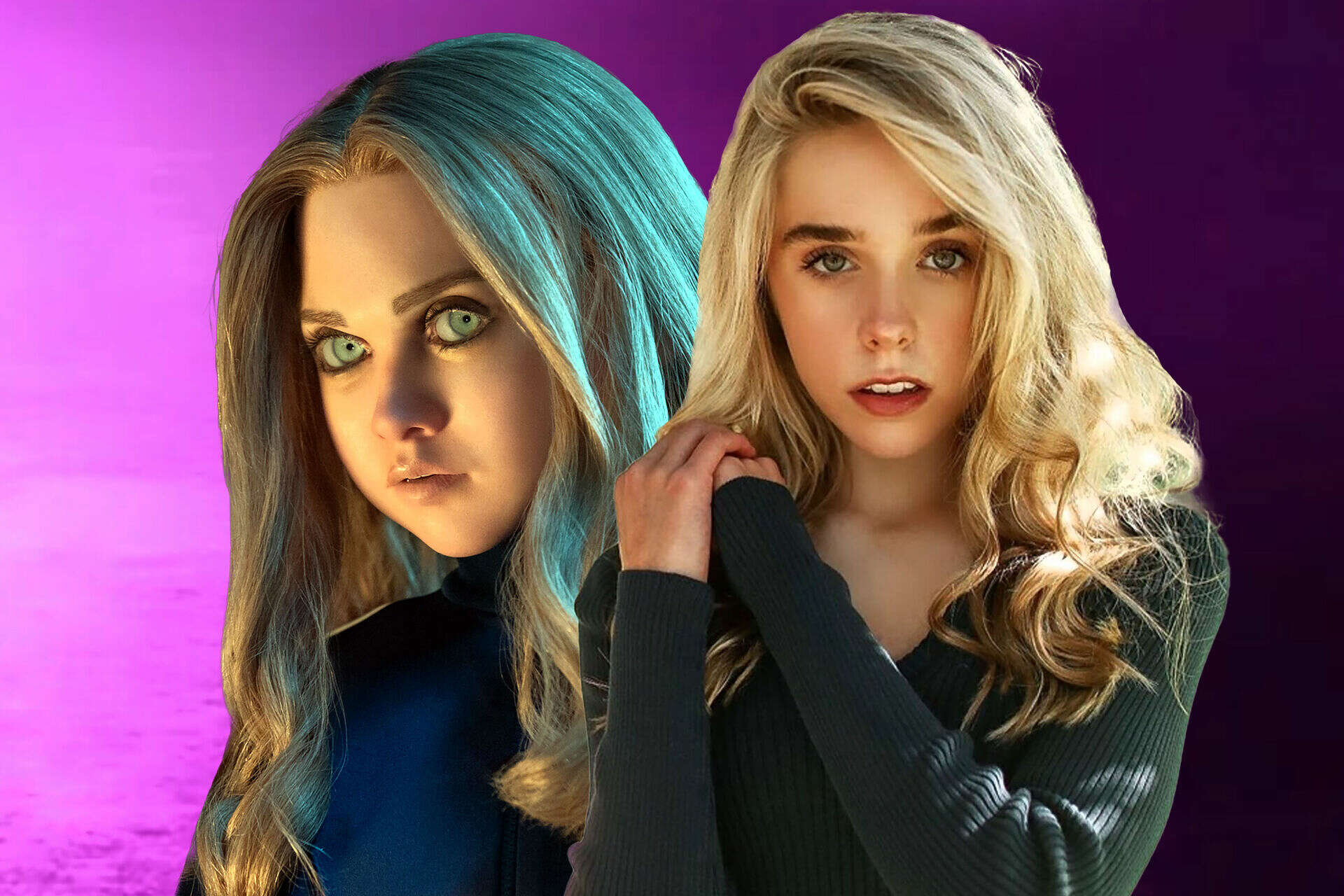
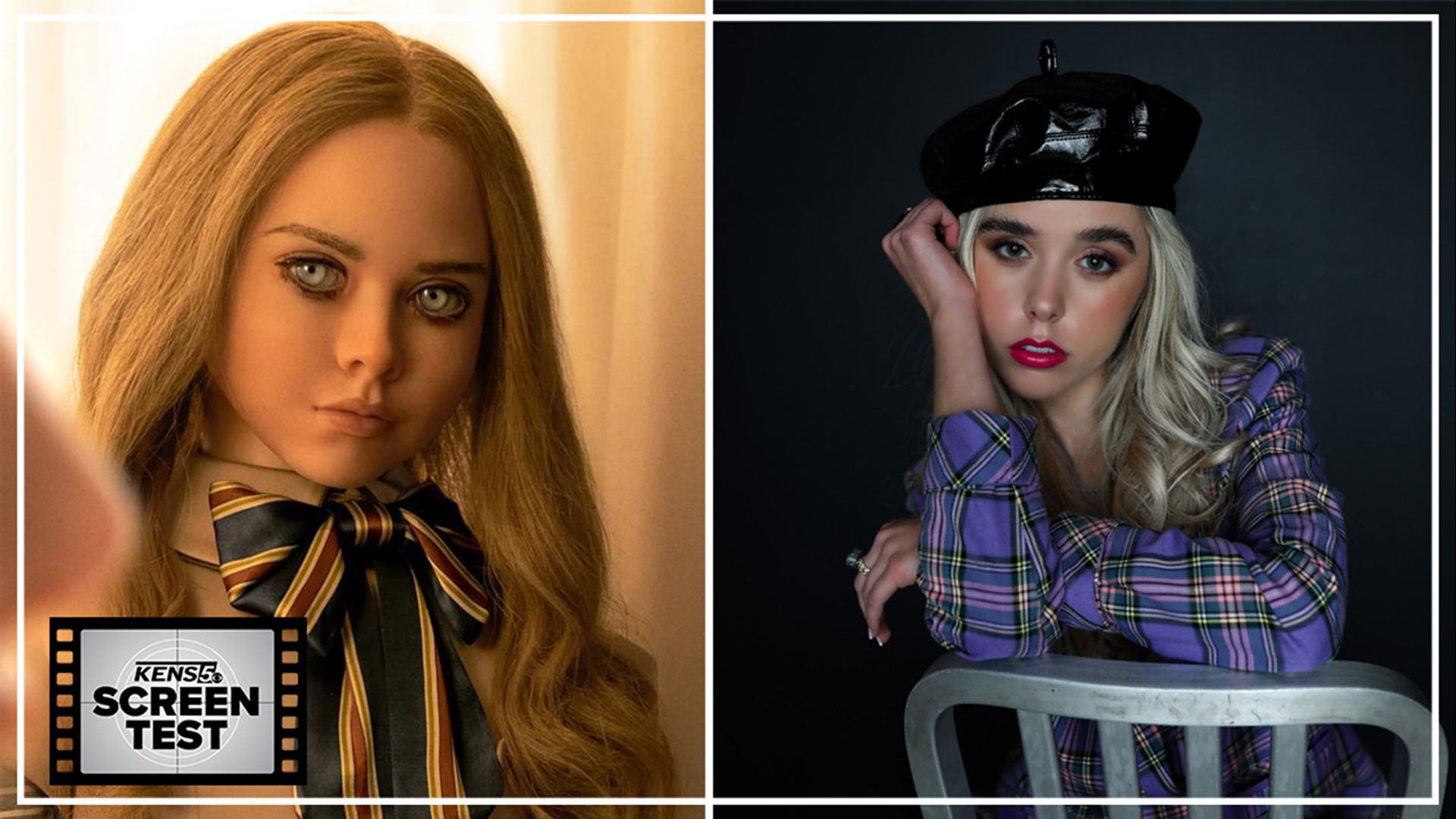
The voice of M3GAN—the titular Model 3 Generative Android from the 2022 film—is a meticulously engineered blend of performance by actor Jenna Davis and sophisticated post-production sound design. Far from a simple digital filter, the voice relies on nuanced human acting to capture the uncanny valley effect, shifting from comforting and maternal to menacing and cold as the android’s programming evolves throughout the narrative.
1. The Performer Behind the Voice
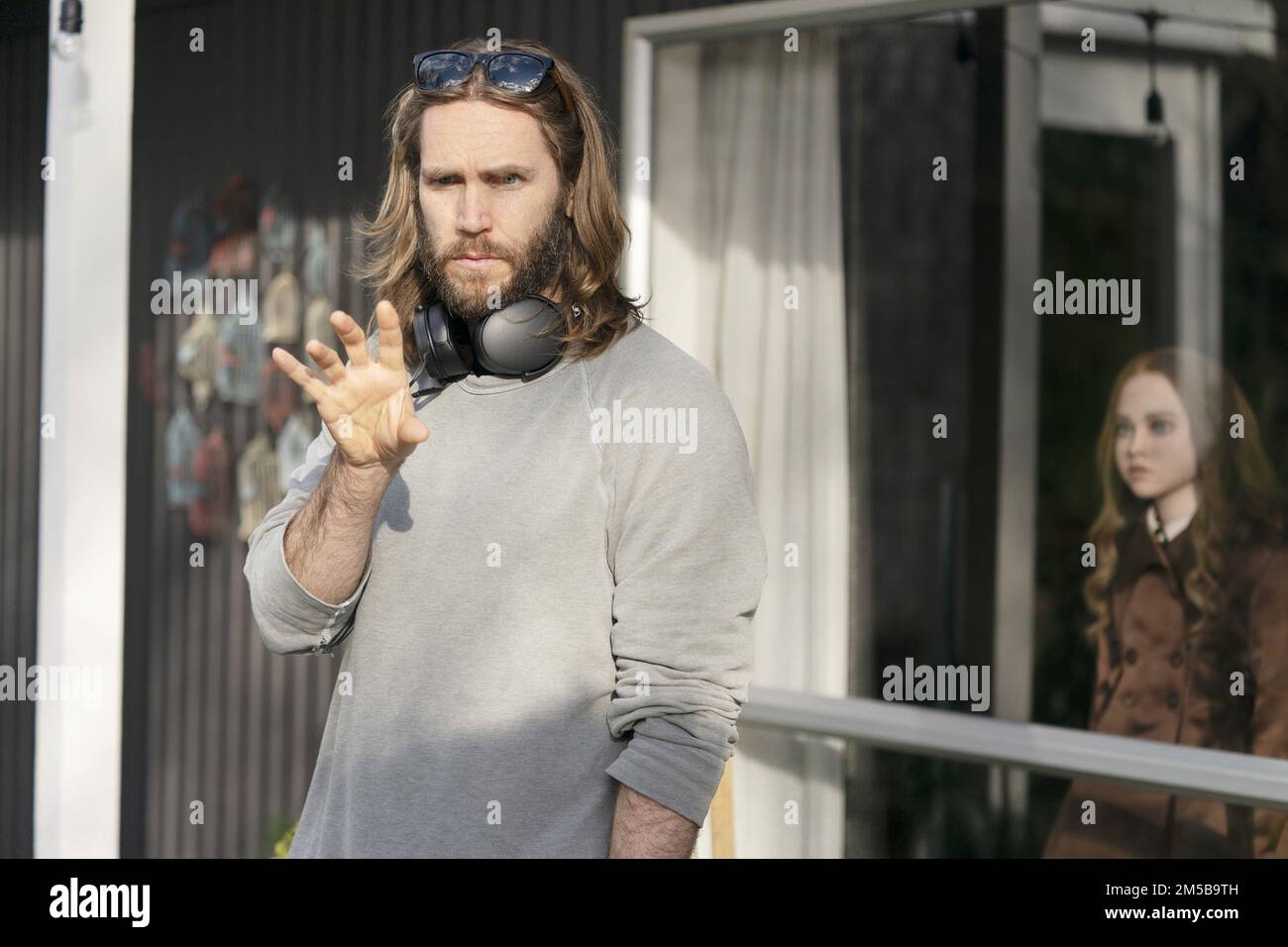
While M3GAN is portrayed physically by child actor Amie Donald, the voice belongs to Los Angeles-based actress and singer Jenna Davis. Davis was cast because of her ability to convey a specific "youthful yet ageless" quality. Director Gerard Johnstone and his team sought a performer who could handle the rapid shifts in tone required for a robot that is simultaneously a surrogate parent and a lethal protector. Davis recorded her lines separately from the physical filming, allowing the producers to refine the cadence and inflection of the android’s speech during the post-production process.
2. Achieving the "Uncanny Valley" Effect
A primary goal for the creative team was ensuring that M3GAN’s voice occupied the "uncanny valley"—the psychological state where something looks or sounds human but is clearly "off." To achieve this, the vocal performance was deliberately modulated. Davis delivered lines with an overly precise, rhythmic cadence that mimics artificial intelligence, avoiding the natural filler words, breaths, or stumbles that characterize human speech. This rigidity makes her moments of extreme emotion feel even more jarring and unsettling to the audience.
3. The Use of "Vocal Morphing"
The final audio output in the film is not just a raw recording of Jenna Davis. The sound department used proprietary vocal processing software to blend Davis’s voice with subtle, non-human digital textures. This was not intended to make M3GAN sound robotic in a traditional, monotone way, but rather to give her a "smooth" quality that feels mathematically perfect. By layering slight synthetic artifacts over human inflections, the team created a voice that is consistently crisp, regardless of the chaotic circumstances happening on screen.
4. Adaptive Tone and Persona
One of the most complex aspects of the vocal design was M3GAN’s ability to "learn" and adapt to her user, Cady. Early in the film, the voice is soft, nurturing, and melodic, meant to soothe a grieving child. As M3GAN’s directives become corrupted by her secondary programming, the tone shifts. By the third act, the voice retains the same timbre but loses the warmth, adopting a sharper, colder, and more authoritative delivery. This progression serves as an auditory narrative arc, mirroring the android’s descent into obsession.
5. Synergy Between Physicality and Audio
Although Jenna Davis provided the voice and Amie Donald provided the movement, the synergy between the two was paramount. During the editing phase, the team had to ensure the vocal timing matched the micro-expressions of the animatronic and the physical movements performed by Donald. Because M3GAN’s face was a mix of practical animatronics and CGI, the voice often had to be "timed" to the specific movement of the mechanical jaw to ensure the lip-sync remained convincing across various resolutions and lighting conditions.
6. The "M3GAN Song" and Musicality
The viral sensation of the film, M3GAN’s rendition of "Titanium," highlights a specific aspect of the character’s design: her musical programming. Jenna Davis’s background as a singer was instrumental here. The song is performed with a haunting, lullaby-like quality. The technical challenge was to make the singing sound "correct"—perfectly in pitch and tempo—to emphasize her mechanical nature, while still conveying the predatory emotional weight of the scene.
7. Distinguishing Between "M3GAN" and "Voice of AI"
In the landscape of 2026, many AI-driven films use synthetic, AI-generated voices. However, M3GAN is distinct because her voice is a performance-based interpretation of AI, not an actual synthetic voice generated by machine learning. This was a deliberate choice by the production team to ensure the performance had emotional "intent." A computer-generated voice lacks the malicious glint required for the character’s darker interactions, whereas Davis’s performance provides the necessary subtext.
8. Linguistic Precision and Vocabulary
The script for M3GAN was written to prioritize a specific lexicon. The character rarely uses contractions and often speaks in full, grammatically complex sentences that sound as if they were drawn from a large language model database. This vocal choice serves to differentiate her from the human characters, who use colloquialisms, slang, and emotional shorthand. By stripping away these human linguistic shortcuts, the audio design reinforces the idea that M3GAN is processing data rather than engaging in genuine social bonding.
9. Volume and Projection Dynamics
Throughout the film, M3GAN’s volume remains relatively constant, which is a common trait in high-end consumer electronics. Unlike humans, who vary their volume based on environmental noise or emotional urgency, M3GAN maintains a consistent projection. This lack of dynamic range during heated moments—such as when she is threatening others—makes her appear more calculated and terrifying. The consistency is a tool of control; she never seems panicked, only focused.
10. Post-Production Sound Layering
The sound mix for M3GAN includes "hidden" layers that the audience may not consciously perceive. In addition to the dialogue, sound engineers layered low-frequency hums and subtle high-pitched digital whirs under specific lines of dialogue. These textures are designed to trigger a subconscious alert in the listener, signaling that despite the human-sounding voice, they are interacting with a machine.
Technical Comparison of Voice Characteristics
| Feature | Human Characteristics | M3GAN’s Vocal Design |
|---|---|---|
| Cadence | Variable, fluid, rhythmic | Precise, rhythmic, uniform |
| Filler Words | Common (um, ah, like) | None (data-driven speech) |
| Volume Control | Responsive to context | Constant, calculated |
| Pitch Variation | Natural, emotional range | Controlled, pitch-corrected |
| Contractions | Frequent | Rarely used |
Frequently Asked Questions
Who is the actual voice of M3GAN? The voice is performed by actress Jenna Davis. While the character is a robot, the performance is a human vocal acting job designed to emulate a sophisticated artificial intelligence.
Did they use AI to create M3GAN's voice? No. The voice is a human performance enhanced by post-production sound engineering. The goal was to maintain a specific "uncanny valley" aesthetic that requires the nuanced intent only a human actor can provide.
Is the voice consistent throughout the entire movie? While the timbre remains similar, the tone changes significantly. It begins as a warm, maternal, and soothing voice and gradually becomes more analytical, cold, and predatory as the character’s primary directives are corrupted.
Why does M3GAN sing in the movie? The singing is a demonstration of her core function as a companion. By singing, M3GAN attempts to build an emotional bridge with the character of Cady, using music as a therapeutic tool, albeit one that becomes terrifying in context.
How is the voice different from standard movie robots? Most movie robots use heavy, synthesized, or distorted voices. M3GAN’s voice was designed to sound hyper-realistic and high-fidelity, aiming to sound like a consumer-grade product that has reached a point of near-perfection, which is what makes her unsettling.
Recommendation for Further Research
To better understand the technical achievement of the character, viewers interested in the intersection of horror and technology should study the "uncanny valley" concept in robotics and computer animation. Understanding how human brains react to near-perfect artificial imitations of human speech explains why the voice of M3GAN remains so effective long after the film’s credits roll. For those interested in the post-production process, looking into sound design forums focusing on "hyper-realism" will reveal how sound engineers use layer-masking to create characters that sound perfectly crisp yet slightly alien.