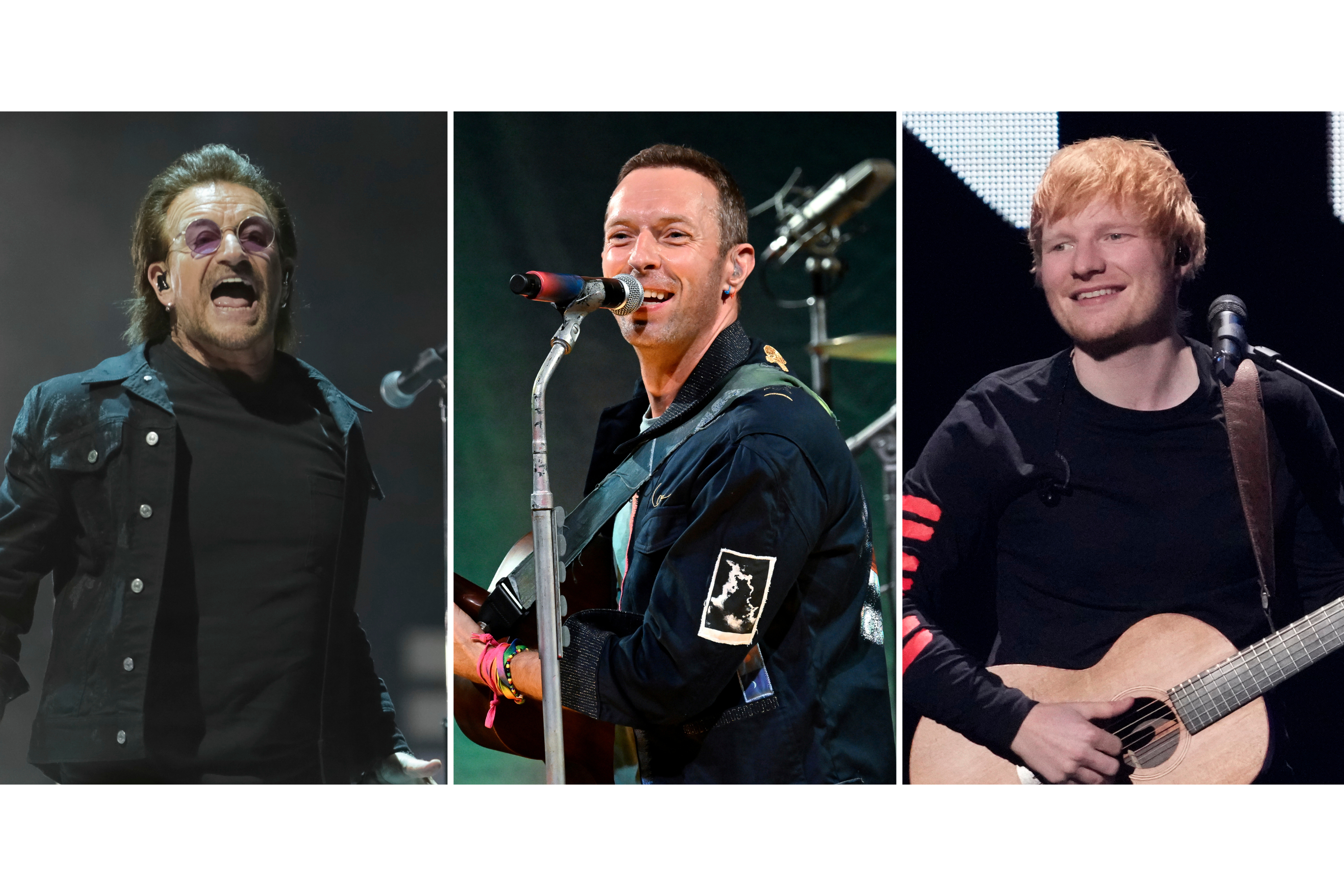
Live music is undergoing a dynamic evolution, driven by monumental stadium productions, immersive sonic experiences, and genre-defying collaborations that redefine what a concert can be. Identifying the best touring artists requires looking past mere commercial metrics to examine stagecraft, audience connection, vocal or instrumental mastery, and the sheer cultural impact of their live performances.
Evaluating the landscape of live entertainment involves analyzing several critical factors that separate a standard concert from a transcendent live experience. As production values soar and global touring footprints expand, certain acts consistently rise above the competition. Below is an examination of the top touring artists to watch, detailing what makes their live shows essential experiences for music enthusiasts.
Understanding the Criteria for Elite Live Performance
When evaluating touring acts, industry analysts and seasoned concertgoers look beyond recorded chart success. A great album does not automatically translate to a compelling stage presence. The best touring artists master a complex intersection of elements:
- Stage Production and Visuals: The intentional use of lighting, laser arrays, choreography, physical set design, and digital projections to enhance the narrative of the music without overshadowing the performance.
- Musicianship and Improvisation: The ability to execute complex arrangements live, often elevating studio tracks with extended solos, dynamic shifts, and seamless transitions between songs.
- Crowd Engagement: The artist's capability to command arenas, stadiums, or intimate theaters, creating a shared communal experience that resonates with tens of thousands of people simultaneously.
- Setlist Architecture: The strategic pacing of a show, balancing high-energy anthems, deep cuts, and emotional lulls to maintain audience engagement across a two-to-three-hour window.
The Top Touring Artists Shaping the Live Music Landscape
The following artists represent the pinnacle of contemporary live performance, spanning pop spectacles, rock endurance, electronic immersion, and hip-hop innovation.
1. Taylor Swift
As the creative force behind history-making global stadium runs, Taylor Swift has set a new benchmark for modern pop touring. Her performances are masterclasses in endurance and theatrical pacing, often spanning over three hours and traversing multiple eras of her discography. The production incorporates massive digital screens, intricate costume changes, and elaborate physical set pieces that transform stadiums into immersive worlds. Beyond the spectacle, Swift’s ability to maintain intimate narrative pacing in massive venues cements her status as a premier live act.
2. Beyoncé
Beyoncé represents the gold standard of vocal performance married to high-concept choreography and visual art. Her tours are meticulously engineered cultural events featuring world-class live bands, complex horn sections, and pioneering stage technology. Every detail—from the fashion design to the spatial audio mixing—is crafted to deliver a sensory overload. Her stamina and precision under intense physical conditions make her concerts an essential study in modern stagecraft.
3. Bruce Springsteen and the E Street Band
For decades, Bruce Springsteen has defined the archetype of the heartland rock marathon. Eschewing heavy reliance on backing tracks or automated visual cues, Springsteen and the E Street Band rely on pure kinetic energy, catalog depth, and spontaneous crowd connection. Shows frequently stretch past the three-hour mark, driven by soaring saxophone solos, driving piano rhythms, and Springsteen's evangelical stage presence. They remain the definitive choice for rock-and-roll authenticity on a grand scale.
4. Coldplay
Coldplay revolutionized stadium sustainability and audience integration through their forward-thinking touring model. Utilizing kinetic dance floors, power-storing stationary bikes, and biodegradable confetti, the band transforms massive venues into glowing ecosystems using synchronized LED wristbands (Xylobands). Musically, they balance ambient electronic soundscapes with explosive pop-rock anthems, ensuring that every spectator in the back row feels connected to the stage.
5. Kendrick Lamar
As a master storyteller in modern hip-hop, Kendrick Lamar strips away extraneous pyrotechnics in favor of striking minimalism, conceptual clarity, and razor-sharp lyricism. Backed by dynamic live instrumentation and striking theatrical staging, Lamar uses choreography, lighting shifts, and spatial design to dissect complex themes of identity and culture. His live delivery matches or exceeds the technical precision of his studio work, offering a masterclass in rap cadence and emotional gravity.
6. The Rolling Stones
The enduring resilience of The Rolling Stones proves that rock-and-roll energy defies generational boundaries. Mick Jagger’s legendary stamina across sprawling stadium stages, paired with Keith Richards' and Ronnie Wood’s signature guitar interplay, creates a masterclass in classic rock performance. Their setlists deliver a hit-heavy archival journey supported by world-class backing musicians, proving that rock heritage remains fiercely vital in the live arena.
7. Dua Lipa
Dua Lipa has rapidly ascended to global headliner status by combining infectious disco-pop production with rigorous choreography and powerhouse vocal delivery. Her shows function as high-energy dance parties characterized by sleek set design, dynamic backup dancers, and seamless transitions between tracks. Her ability to command massive festival grounds and arena floors alike highlights a disciplined approach to pop performance.
8. Radiohead / The Smile
While Thom Yorke and Jonny Greenwood operate primarily through their side project The Smile, their collective live ethos remains an avant-garde benchmark. Utilizing complex polyrhythms, unconventional time signatures, and immersive visual projections, their performances prioritize sonic experimentation and atmospheric tension. For fans of intricate musicianship and cerebral rock dynamics, these tours offer an intellectually and sonically stimulating alternative to standard pop spectacles.
9. Bad Bunny
Bad Bunny has redefined the boundaries of Latin trap and reggaeton on the global touring stage. His concert environments reject traditional front-facing stage setups in favor of 360-degree floating stages and interactive runway configurations that bring him closer to the audience. Characterized by vibrant production, guest appearances, and high-energy party anthems, his tours celebrate Caribbean and Latin American culture with massive arena-filling power.
10. Foo Fighters
Following structural and personal transitions, the Foo Fighters remain standard-bearers for stadium-sized alternative rock. Led by Dave Grohl, the band delivers thunderous, high-octane sets fueled by unrelenting guitar riffs, driving percussion, and communal sing-alongs. Their shows capture the raw, sweat-drenched ethos of punk clubs while scaling up to satisfy tens of thousands of rock purists.
Comparative Analysis of Touring Styles
To better understand how these artists operate in the live space, the following table compares their primary touring characteristics, production scales, and musical approaches.
| Artist | Primary Genre | Production Scale | Defining Live Feature | Audience Interaction Style |
|---|---|---|---|---|
| Taylor Swift | Pop / Folk | Massive Stadium | Multi-era theatrical narrative | Intimate storytelling mixed with spectacle |
| Beyoncé | R&B / Pop | Massive Stadium | Precision choreography & live band | Commanding, empowering, and culturally resonant |
| Bruce Springsteen | Rock | Arena / Stadium | Marathon setlists and endurance | Communal, revivifying, and high-energy |
| Coldplay | Alternative Pop | Stadium | Sustainable tech & LED wristbands | Immersive, inclusive, and visually dazzling |
| Kendrick Lamar | Hip-Hop | Arena / Festival | Conceptual minimalism & lyricism | Intense, theatrical, and thought-provoking |
| The Rolling Stones | Classic Rock | Stadium | Archival mastery & rock heritage | Electric, high-velocity rock-and-roll legacy |
| Dua Lipa | Disco-Pop | Arena | Synchronized dance & vocals | High-tempo, continuous party atmosphere |
| Bad Bunny | Reggaeton / Trap | Arena / Stadium | 360-degree staging & cultural fusion | High-energy, immersive, and celebratory |
Frequently Asked Questions
How do modern artists finance massive stadium productions?
Modern stadium tours are financed through complex partnerships between artists, promoters (such as Live Nation or AEG), and corporate sponsors. High ticket prices, VIP packages, and exclusive merchandise sales offset the multimillion-dollar logistics of transport, staging, and crew wages.
What contributes most to ticket price fluctuations for top touring acts?
Dynamic pricing algorithms, venue capacity, secondary-market scalping, and the sheer scale of physical production dictate ticket costs. Acts with massive logistical footprints—requiring multiple stages of freight and specialized technical crews—inherently carry higher baseline operational costs.
Are immersive technologies like LED wristbands becoming standard?
Yes. Technologies that synchronize audience wearables with stage lighting designs have transformed static crowds into active participants, creating a unified visual ecosystem that extends beyond the physical stage.
How can fans avoid fraudulent tickets when buying for top touring artists?
Fans should purchase exclusively through official primary box offices, verified artist presales, or reputable secondary marketplaces that offer secure transfer guarantees and barcode verification systems.
Conclusion and Next Actions
Choosing which live concert to attend depends on whether you seek the narrative immersion of a pop spectacle, the raw endurance of a classic rock marathon, or the cultural resonance of a modern hip-hop performance. To secure tickets for these high-demand tours, register for verified fan programs early, monitor official artist mailing lists for presale access codes, and carefully review venue entry policies regarding mobile ticketing and bag restrictions before heading to the venue.