One year after the conclusion of the 2017 Oreo Mystery Flavor contest, Nabisco had successfully transformed a limited-edition product launch into a cultural guessing game, ultimately revealing the winning flavor as Fruity Pebbles cereal while solidifying engagement-driven marketing strategies for the snack food industry.
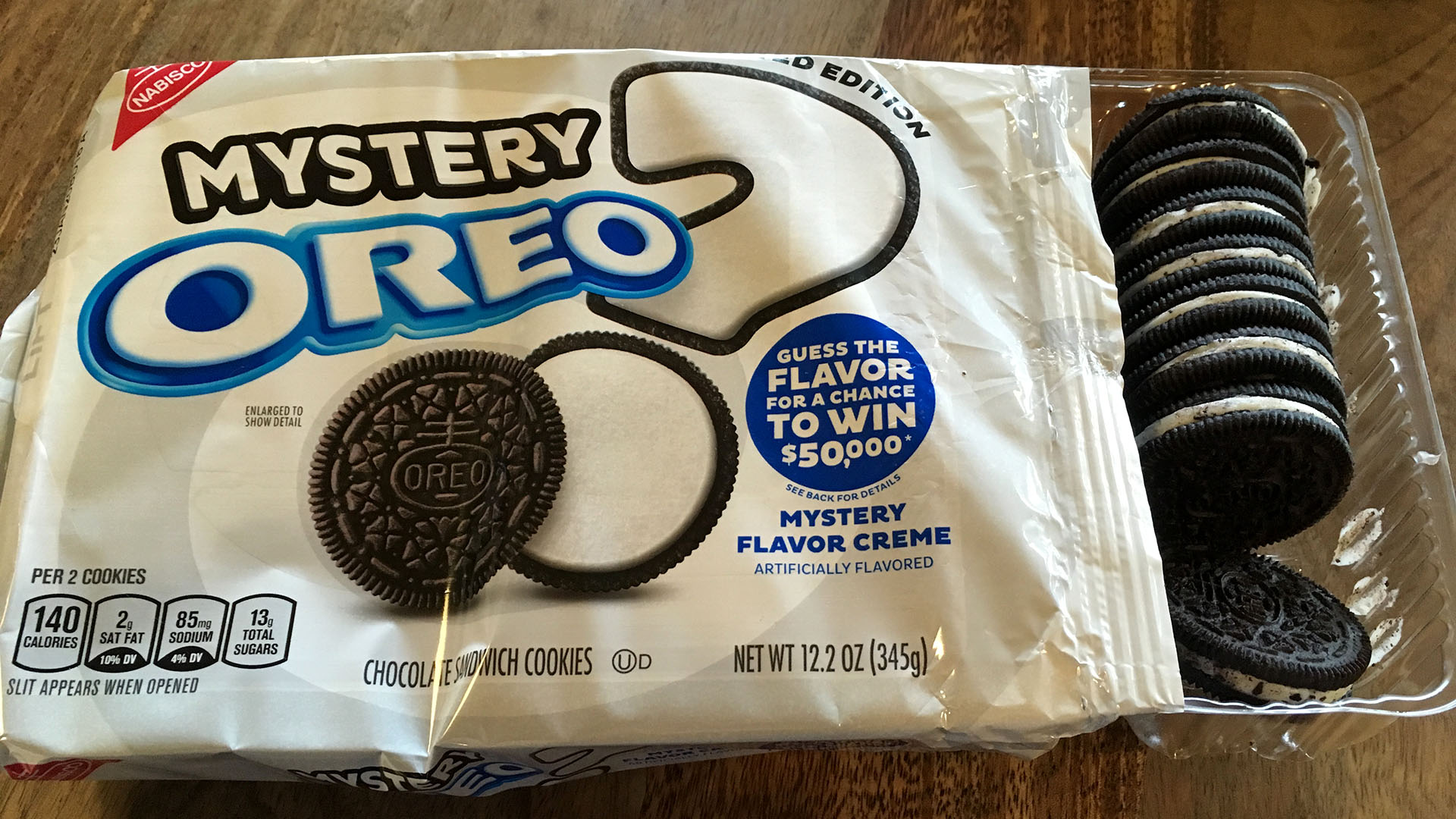
The "Oreo Mystery Flavor" campaign launched in late 2017, challenging consumers across the United States to purchase a specially marked package of white-creme chocolate sandwich cookies, taste the unidentified flavor infused into the creme, and submit their guesses online for a chance to win a grand prize of $50,000. By late 2018, looking back at the campaign's execution, consumer response, and subsequent industry impact revealed how interactive marketing reshaped consumer packaged goods (CPG) promotions. This retrospective examines the mechanics of the contest, the flavor reveal, market reception, and the long-term legacy of the 2017 promotion.
The Mechanics of the 2017 Oreo Mystery Flavor Campaign
Before examining the anniversary and post-contest landscape, understanding how the 2017 campaign operated provides necessary context for its sustained cultural footprint. Nabisco, a subsidiary of Mondelēz International, designed the promotion to drive impulse purchases and digital engagement simultaneously.
The Product and Packaging Strategy
The cookies featured standard chocolate wafers filled with a stark white creme that bore an unexpected, fruit-forward taste profile. The packaging was intentionally obscured with question marks, omitting any direct clues about the ingredient profile. Consumers were forced to rely entirely on their sensory perception to decode the flavor.
To participate, buyers visited a dedicated promotional website, entered their guess, and provided contact information. The contest period ran from September 2017 through November 2017, with the correct answer and winner announcement scheduled for early 2018. This multi-month window sustained conversation across social media platforms, food blogs, and morning talk shows as everyday consumers and professional food critics alike posted their theories.
Hypotheses and Speculation
During the active contest phase and extending well into the months following, consumers debated numerous possibilities. Popular early guesses included:
- Fruit Loops cereal
- Froot Loops cereal (specifically)
- Fruity Pebbles cereal
- Lemon-lime soda variants
- Rice Krispies Treats
- Key Lime Pie
The ambiguity generated substantial user-generated content, effectively serving as free advertising for Mondelēz International and keeping the Oreo brand at the forefront of grocery store snack aisles during the competitive autumn shopping season.
The Reveal: Identifying the Mystery Flavor
In February 2018, Nabisco officially pulled back the curtain on the mystery, announcing that the flavor was officially Fruity Pebbles cereal—marking a high-profile corporate collaboration with Post Consumer Brands, the maker of Fruity Pebbles.
For consumers who had correctly guessed the cereal taste, the validation came with a $50,000 grand prize split among eligible correct entries (or awarded according to official contest rules, which typically involve random drawings from correct entries if multiple participants guess correctly).
Public and Critical Reaction
The revelation met a mix of nostalgia and amusement. While many consumers correctly identified the distinct citrus-and-berry grain taste of Fruity Pebbles, others expressed surprise that an Oreo cookie could successfully replicate the exact flavor profile of a breakfast cereal without using actual cereal pieces in the creme (unlike later iterations that incorporated mix-ins).
Food journalists and marketing analysts examined the choice as a masterclass in cross-branding. By partnering with a competing conglomerate's iconic cereal brand (Post, whereas Oreo is closely aligned with various breakfast partnerships under Mondelēz), Nabisco bridged generational divides, appealing both to nostalgic adults and children.
Market Impact One Year Later (Late 2018)
By the end of 2018—one full year after the initial rollout and months after the winner announcement—the long-term effects of the 2017 campaign became clear. Mondelēz International had observed significant spikes in quarterly sales volume specifically tied to limited-edition, interactive product lines.
Comparative Analysis of Oreo Limited-Edition Releases
| Flavor Campaign Year | Promotional Mechanism | Primary Partner / Inspiration | Consumer Engagement Strategy |
|---|---|---|---|
| 2014 (Cookie Dough) | Fan vote between three flavors | Consumer-submitted ideas | Digital voting portal |
| 2017 (Mystery Flavor) | Deductive guessing game | Fruity Pebbles cereal | Sensory challenge and cash prize |
| 2019 (Mystery Flavor #2) | Second iteration of the guessing format | Churro (subsequent reveal) | Expanded social media integration |
As illustrated in the table above, the 2017 Mystery Flavor departed from simple flavor voting by introducing a detective element. This shift proved so successful that Mondelēz repeated the exact mechanic in subsequent years, confirming that the 2017 experiment provided a reliable blueprint for modern snack marketing.
Economic and Supply Chain Considerations
Executing a nationwide mystery campaign involves complex operational coordination. Manufacturing plants must produce identical-looking white creme cookies infused with a proprietary flavoring agent without altering the structural integrity of the chocolate wafer or leaking the secret to factory line workers prematurely.
Distribution and Retailer Dynamics
- Shelf Space Allocation: Major grocery retailers allocated prominent end-cap displays to the mystery packages, recognizing that curiosity drives high turnover rates.
- Inventory Turnover: Supplies of the 2017 mystery packs sold out rapidly in many regions, leading to secondary market listings on platforms like eBay, where unopened packages occasionally commanded novelty prices.
- Production Scaling: Mondelēz had to accurately forecast demand without over-producing, ensuring that once the mystery was solved, shelves could transition smoothly back to core product lines or the next seasonal offering.
Common Misconceptions Regarding the Contest
Several myths persisted among consumers long after the contest concluded:
- The belief that real cereal was inside the creme: While the flavor mimicked Fruity Pebbles, the creme relied on artificial and natural flavorings rather than crushed cereal pieces, keeping the texture smooth and consistent with standard Oreo fillings.
- The idea that only one person won the grand prize: Official contest rules for sweepstakes of this scale typically distribute the grand prize via a random drawing from all entries that submitted the correct answer, resulting in shared or single-winner structures governed by official state sweepstakes laws.
- That the flavor changed halfway through production: Internet rumors occasionally claimed that Nabisco altered the formula midway through the contest to confuse guessers. Quality control standards in mass food production make such mid-stream formula changes highly improbable due to regulatory and allergen labeling requirements.
Frequently Asked Questions
What was the official flavor of the 2017 Oreo Mystery Flavor contest?
The official flavor was Fruity Pebbles cereal. Nabisco revealed this answer in February 2018 after thousands of consumers submitted guesses via the promotional website.
How much was the grand prize for guessing correctly?
The grand prize for the contest was $50,000, awarded to eligible participants who correctly identified the flavor in accordance with the official rules and sweepstakes guidelines.
Did the mystery cookies contain actual cereal pieces?
No. The cookies featured standard chocolate wafers and a white creme infused with flavoring agents designed to replicate the taste of Fruity Pebbles, maintaining a smooth creme texture.
Why did Nabisco run a mystery flavor campaign?
The campaign was designed to boost consumer engagement, drive social media conversation, and increase impulse purchases of Oreo cookies by turning a routine snack purchase into an interactive guessing game.
Did Nabisco repeat this type of promotion after 2017?
Yes. Due to the high level of consumer participation and positive sales impact, Mondelēz International launched subsequent mystery flavor contests in later years using a similar interactive framework.
Conclusion and Strategic Takeaway
One year after its launch, the 2017 Oreo Mystery Flavor contest stood as a watershed moment for gamified food marketing. By turning a simple cookie into a national puzzle, Nabisco demonstrated that consumer curiosity, combined with a nostalgic flavor profile like Fruity Pebbles, could generate prolonged brand loyalty and widespread media coverage. For brands seeking to replicate this success, the campaign underscores the value of combining sensory mystery with tangible incentives and cross-brand appeal.