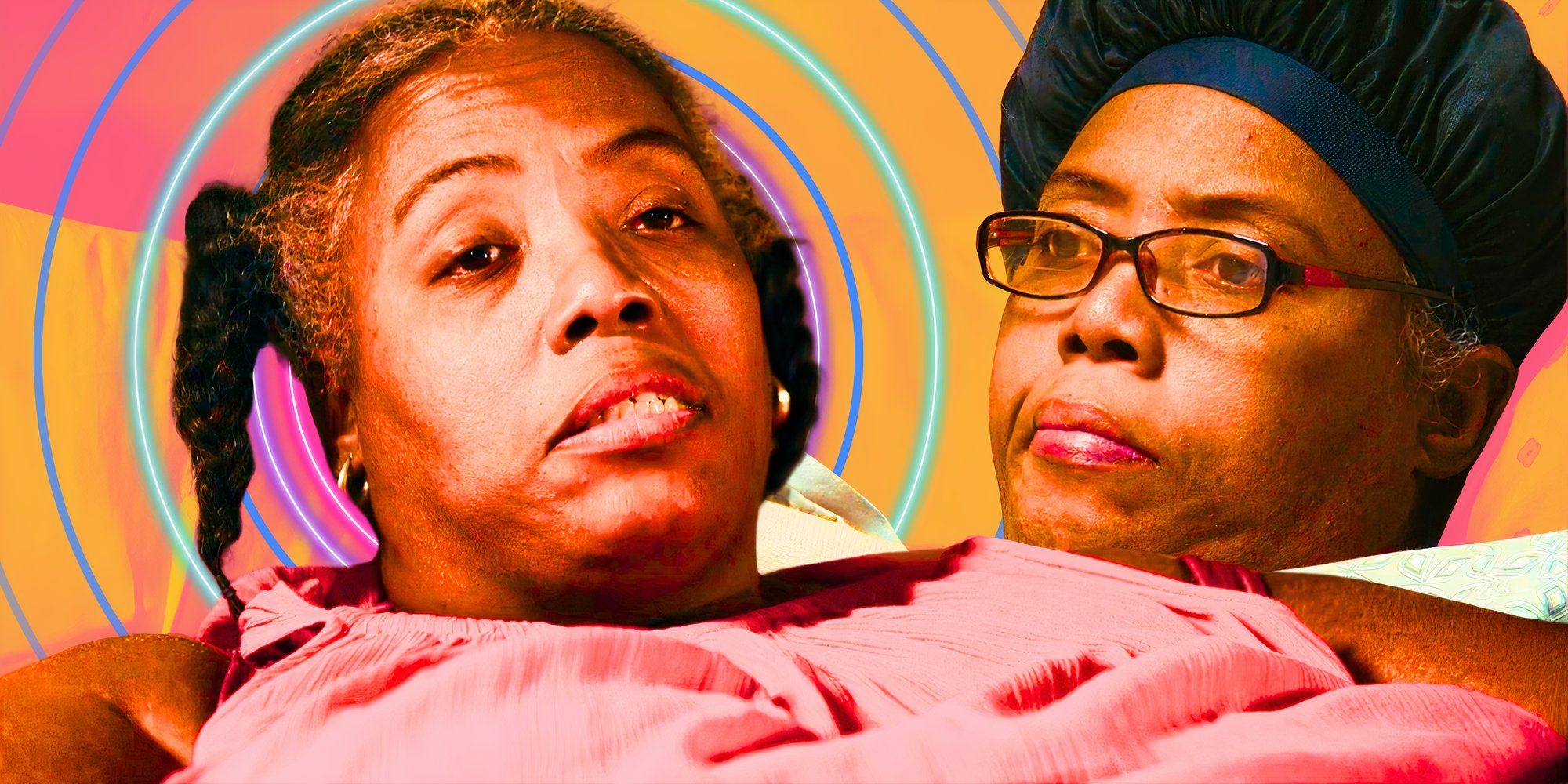
Lisa Fleming, a participant who shared her poignant and difficult weight loss journey on the TLC series My 600-lb Life, passed away on August 23, 2018, at the age of 50. Her story, featured in the show's sixth season, highlighted the severe health challenges associated with morbid obesity, shedding light on the complexities of long-term recovery and the emotional toll of the transformation process.
The Appearance of Lisa Fleming on My 600-lb Life
Lisa Fleming entered the public consciousness when she appeared in the sixth season of the TLC reality series My 600-lb Life. The program, which follows the lives of individuals struggling with super-obesity, focuses on their efforts to qualify for and undergo bariatric surgery under the supervision of Dr. Younan Nowzaradan.
For viewers, Fleming’s story was representative of the deep-seated trauma that often accompanies extreme weight gain. She entered the program weighing over 700 pounds. Her episode was marked by intense struggle, both physically and psychologically, as she navigated the rigorous protocols required for weight loss surgery. The production documented the significant barriers she faced, including mobility issues, the necessity of intensive care, and the daily challenges of managing a severely compromised physical state.
The Circumstances Surrounding Her Passing
In August 2018, news surfaced that Lisa Fleming had died at the age of 50. Her passing was confirmed by her daughter, Danielle, who shared the news via social media. At the time of her death, reports indicated that she had been struggling with illness for a significant period.
While public speculation often surrounds the health status of those featured on the show due to the inherent medical risks of extreme obesity, it is important to clarify that Fleming’s death was attributed to complications arising from her underlying health conditions. Her journey on the show had already ended by the time of her passing, and she was no longer under the active, televised care of the program. Her family noted that she had fought hard to improve her situation, but the cumulative toll on her body had become insurmountable.
The Complexity of Weight Loss and Medical Intervention
The narrative surrounding individuals on My 600-lb Life often centers on the efficacy of bariatric surgery as a solution to morbid obesity. However, medical experts and the show’s own clinical context underscore that surgery is merely one step in a much longer and more hazardous journey.
For patients in Fleming’s weight class, the medical risks include, but are not limited to:
- Congestive Heart Failure: The strain placed on the heart to pump blood throughout a significantly larger body mass can lead to chronic failure.
- Respiratory Insufficiency: Excessive weight on the chest wall can restrict lung expansion, leading to sleep apnea and chronic low oxygen levels.
- Infection Risk: Skin folds created by rapid weight loss or chronic obesity can become sites for dangerous bacterial infections.
- Metabolic Disruption: Long-term obesity fundamentally alters hormone regulation and insulin sensitivity, making weight loss exceptionally difficult even with intervention.
Fleming’s experience underscored the reality that for some patients, the medical interventions offered—while statistically promising—are hindered by years of physiological damage that may be irreversible. The "before and after" narrative presented in reality television often simplifies these medical realities, yet Fleming’s story served as a reminder that the health crises facing these individuals are life-threatening and chronic.
Comparing Clinical Outcomes in Reality Television
The documentation of weight loss on television serves as both entertainment and a form of public health awareness. However, there is a distinct difference between the edited narrative of a television show and the clinical reality of patient care.
| Feature | Reality TV Representation | Clinical Reality |
|---|---|---|
| Timeline | Compressed for narrative arc (1 year) | Often multi-year or lifelong management |
| Success Metrics | Weight lost on the scale | Health markers, mobility, and symptom reduction |
| Support Systems | Family dynamics are often central | Multidisciplinary teams (dieticians, psych, surgery) |
| Outcomes | Often binary (success vs. failure) | Complex progression with frequent plateaus |
In the case of Lisa Fleming, the public saw a woman attempting to reconcile her past traumas with a future that required radical physical changes. The show functioned as a platform for her struggle, but the clinical reality was a complex, high-risk situation that transcended the bounds of television production.
The Role of Psychological Support in Obesity Treatment
A critical element of the journey for participants on My 600-lb Life is the psychotherapeutic component. Dr. Nowzaradan frequently emphasizes that the physical addiction to food is a symptom of underlying psychological trauma.
For many participants, including Fleming, the relationship with food was intertwined with past losses and emotional distress. When discussing the passing of a participant, it is essential to consider the "whole person" approach. While the medical community focuses on the pathology of obesity, the psychological framework acknowledges the difficulty of behavior modification when the patient is dealing with depression or unresolved grief. The failure to achieve long-term success is rarely about a lack of "willpower," as is often mischaracterized by critics, but rather a failure of the body and mind to overcome decades of metabolic and psychological conditioning.
Public Perception and Media Responsibility
The death of a reality television personality often triggers a cycle of public commentary, social media discourse, and, occasionally, insensitive speculation. Because My 600-lb Life invites the public into the private medical struggles of its participants, there is a heightened responsibility for viewers to engage with these stories empathetically.
When Lisa Fleming passed away, her family expressed a desire for privacy and shared that she was a woman who loved her family and had worked hard to find a better quality of life. The media’s role in covering such events should prioritize the human element over the "scandal" or "tragedy" aspects that reality television sometimes encourages. Her death was not a failure of character, but the culmination of a difficult medical path.
FAQ: Understanding the Context of My 600-lb Life
What was the primary cause of death for Lisa Fleming? Lisa Fleming passed away due to complications from her underlying health conditions. Her family indicated that she had been suffering from an illness for some time prior to her death, which was separate from her participation in the television program.
Did Lisa Fleming have successful weight loss surgery? During her time on the show, Fleming underwent a difficult process of medical preparation. While she made efforts to adhere to the program’s dietary and lifestyle changes, her journey was fraught with medical setbacks. Her death serves as a reminder of the inherent risks associated with morbid obesity, even when a patient is under professional care.
Why is the death of participants on this show so common? The demographic of the show consists of individuals with class III obesity. This condition is associated with severe co-morbidities, including heart disease, diabetes, and organ failure. Even with modern surgical interventions, the mortality rate for this population remains statistically higher than the general public.
How should we view the ethics of documenting these struggles? Documenting these journeys provides visibility to a condition often misunderstood by the public. However, it requires a delicate balance between storytelling and protecting the dignity of the participants. The ethical standard lies in whether the coverage respects the patient’s struggle rather than exploiting their pain for ratings.
What is the takeaway from Lisa Fleming’s story for other patients? The core lesson from her story is that weight management is a lifelong medical journey that requires specialized, ongoing care. It highlights that obesity is a complex, multifaceted disease that requires more than just a surgical solution; it requires a systemic, supportive approach to both physical and mental health.
Final Reflections and Recommendations
Lisa Fleming’s life, as presented to the public, was defined by her struggle against a debilitating disease. For those currently navigating their own weight loss journeys, or for families supporting someone with extreme obesity, it is vital to remember that professional, clinical intervention is the only safe path.
If you or a loved one are considering bariatric surgery or are struggling with severe weight-related health issues, do not rely on television narratives for guidance. Instead, seek a consultation with a board-certified bariatric surgeon and a multidisciplinary team that includes registered dietitians and licensed mental health counselors. Medical care for morbid obesity must be treated as a chronic condition management program, not a quick fix.
The most important step is to establish a primary care relationship that prioritizes long-term health markers—such as blood pressure, glucose levels, and mobility—rather than focusing solely on the number on the scale.