Calcium chloride (CaCl2) is a versatile inorganic salt that serves as a high-performance de-icer, effective dust suppressant, and essential additive in food and industrial manufacturing. Its primary utility as of 2026 stems from its extreme hygroscopic properties—the ability to attract and retain water molecules—and its exothermic reaction, which releases significant heat when the compound dissolves in liquid.
The Chemical and Physical Profile of Calcium Chloride
Calcium chloride is an ionic compound consisting of calcium and chlorine. At room temperature, it is a white, crystalline solid that is highly soluble in water. In the chemical landscape of 2026, it remains one of the most widely researched and utilized salts due to its unique thermodynamic behavior. Unlike sodium chloride (common rock salt), which requires external heat to melt ice, calcium chloride generates its own heat as it transitions from a solid to a liquid brine.
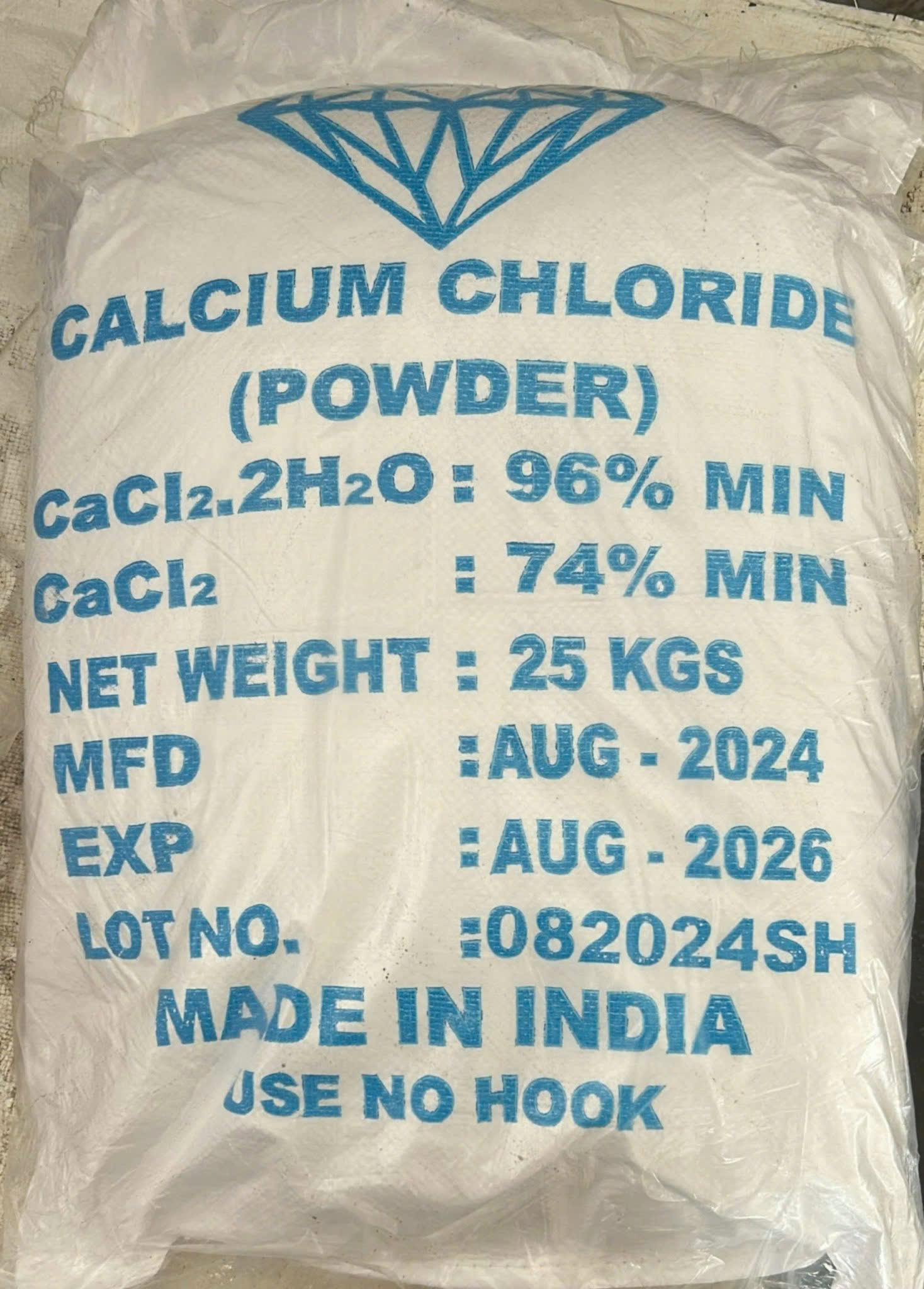
The molecular structure of CaCl2 allows it to exist in several hydrated states. The most common commercial forms include the anhydrous version (at least 90% purity) and the dihydrate version (approximately 77-80% purity). The chemical formula is $CaCl_2$, and it has a molar mass of approximately 110.98 g/mol.
One of its most defining characteristics is its hygroscopicity. This means the substance will actively pull moisture from the surrounding atmosphere until it dissolves into a liquid solution. This property is what makes it an unparalleled desiccant (drying agent) and a superior tool for stabilizing unpaved roads. Furthermore, the freezing point of a calcium chloride brine is significantly lower than that of water, reaching as low as -50°C (-58°F) at certain concentrations, though its practical effective limit for de-icing is typically cited around -32°C (-25°F).
Primary Manufacturing and Production Methods
As we operate in 2026, the global supply of calcium chloride is primarily derived from two distinct sources: the Solvay process and natural brine extraction.
The Solvay Process Byproduct
In many industrial regions, calcium chloride is produced as a byproduct of the Solvay process, which is used to manufacture sodium carbonate (soda ash). During this reaction, limestone (calcium carbonate) and salt (sodium chloride) are processed together. The resulting calcium chloride was once considered a waste product, but its high industrial demand has turned it into a primary revenue stream for chemical manufacturers.
Natural Brine Refinement
The second major source involves the extraction of calcium-rich brines from underground salt deposits or salt lakes. In regions like the Michigan Basin in the United States or the Dead Sea, these brines are pumped to the surface and purified. The purification process involves removing impurities like magnesium, potassium, and bromides. The remaining calcium chloride solution is then concentrated through evaporation and can be further processed into flakes, pellets, or granules through "prilling" or "flaking" towers.
Industrial and Infrastructure Applications
The versatility of calcium chloride allows it to play a critical role in several heavy industries. Its application is rarely a "one size fits all" solution; rather, it is tailored based on concentration and form (liquid vs. solid).
Winter Maintenance and De-icing
Calcium chloride is often considered the "gold standard" for cold-weather road safety. While sodium chloride is cheaper, it loses effectiveness once temperatures drop below -9°C (15°F). In 2026, municipal guidelines frequently mandate the use of calcium chloride for "anti-icing" (pre-treating roads to prevent ice bonding) and "de-icing" (melting existing ice). Because it is exothermic, it works faster than other salts, creating a brine that penetrates the ice layer and breaks the bond with the pavement.
Dust Suppression and Road Stabilization
On unpaved or gravel roads, dust is more than a nuisance; it is a safety hazard and an environmental pollutant. Calcium chloride is applied to these surfaces to keep them damp. Because it is hygroscopic, it pulls moisture from the air, even on dry days, creating a moisture film that weighs down fine dust particles. This "binding" effect also helps stabilize the road base, reducing the need for frequent grading and aggregate replacement.
Concrete Acceleration in Construction
In the construction sector, calcium chloride is a recognized "accelerator." When added to concrete mixes, it speeds up the hydration of the cement, allowing the concrete to set and gain strength much faster. This is particularly vital in cold-weather pours, where delayed setting times could lead to frost damage. According to standards established by the American Concrete Institute (ACI), the dosage must be strictly controlled—usually not exceeding 2% by weight of cement—to prevent potential corrosion of reinforced steel.
Oil and Gas Industry
In 2026, the oil and gas sector remains a major consumer of calcium chloride. It is used in "completion fluids" to increase the density of the fluid in the wellbore, which helps manage pressure. It is also used in "drilling muds" to prevent the swelling of clays in the geological formations being drilled, ensuring the stability of the well.
Food-Grade and Pharmaceutical Uses
Beyond heavy industry, calcium chloride is a common ingredient in the food and beverage sector. It is classified as "Generally Recognized as Safe" (GRAS) by the U.S. Food and Drug Administration (FDA).
- Cheese Making: It is added to pasteurized milk to restore the natural balance between calcium and protein, ensuring a firm curd and consistent texture.
- Brewing: Brewmasters use it to adjust the mineral content of water, influencing the flavor profile and the behavior of yeast during fermentation.
- Food Preservation: In canned vegetables and pickles, it acts as a firming agent, preventing the produce from becoming mushy during the high-heat processing required for shelf stability.
- Electrolytes: It is used in sports drinks and bottled water to add essential minerals and improve taste.
Technical Comparison: Calcium Chloride vs. Alternatives
Choosing the right salt requires an understanding of cost-to-performance ratios. The following table compares calcium chloride with other common salts used in 2026.
| Property | Calcium Chloride (CaCl2) | Sodium Chloride (NaCl) | Magnesium Chloride (MgCl2) | Potassium Chloride (KCl) |
|---|---|---|---|---|
| Lowest Effective Temp | -32°C (-25°F) | -9°C (15°F) | -15°C (5°F) | -4°C (25°F) |
| Reaction Type | Exothermic (Releases Heat) | Endothermic (Absorbs Heat) | Exothermic (Releases Heat) | Endothermic (Absorbs Heat) |
| Hygroscopic? | Extremely High | Low | High | Very Low |
| Corrosive Potential | High (Typical of salts) | High | Moderate-High | Moderate |
| Environmental Impact | Moderate (Chloride buildup) | High (Soil salinity) | Moderate | Low (Plant nutrient) |
| Relative Cost | Premium / High | Budget / Low | Moderate | High |
Safety, Handling, and Environmental Considerations
While calcium chloride is exceptionally useful, it requires careful handling. Because it is so effective at removing moisture, it can cause severe irritation or even chemical burns if it comes into contact with moist skin or eyes. In 2026, standard safety protocols require the use of gloves, safety goggles, and long-sleeved clothing when handling concentrated forms.
Storage Requirements
Due to its hygroscopic nature, storage is a significant logistical concern. If left in an open bag, calcium chloride will eventually turn into a puddle of liquid as it absorbs humidity. It should be stored in airtight, moisture-proof containers in a cool, dry area. If stored properly, it has an indefinite shelf life.
Environmental Stewardship
The "chloride" component of $CaCl_2$ is a point of environmental concern. Excessive runoff into local waterways can affect aquatic life by altering salinity levels. Furthermore, while calcium is a plant nutrient, high concentrations of chloride can "burn" foliage and damage the root systems of salt-sensitive plants. Users are encouraged to follow application rate guidelines provided by the Environmental Protection Agency (EPA) to minimize the ecological footprint.
Corrosion Mitigation
Like all chloride-based salts, calcium chloride can accelerate the corrosion of metals, particularly steel and aluminum. In 2026, many high-end de-icing blends include "corrosion inhibitors"—organic compounds that create a protective barrier on metal surfaces. If using pure calcium chloride on vehicles or machinery, frequent rinsing with fresh water is the most effective way to prevent long-term damage.
Frequently Asked Questions
Is calcium chloride safe for pets?
In small amounts, calcium chloride is less toxic than ethylene glycol (traditional antifreeze), but it can be an irritant. It can cause "burning" sensations in a dog's paws due to the heat released during its exothermic reaction. Pet owners should look for "pet-safe" formulations or ensure they wash their pets' paws after walks on treated surfaces.
Can calcium chloride be used on new concrete?
It is generally recommended to avoid applying any de-icer to concrete that is less than one year old. New concrete is more porous and still holds significant moisture; the "freeze-thaw" cycles induced by salts can lead to scaling and spalling (the surface flaking off). For older concrete, calcium chloride is safer than sodium chloride because it melts ice faster, reducing the number of freeze-thaw cycles the material undergoes.
How do I distinguish between pellets and flakes?
Pellets are small, spherical beads that are generally more concentrated (90%+ anhydrous). Their shape allows them to roll and penetrate deep into thick ice. Flakes are flat, thinner pieces that usually contain more water (77-80% dihydrate). Flakes have a larger surface area, making them excellent for making liquid brines or for dust control on roads where they stay put better than rolling pellets.
Is calcium chloride the same as "road salt"?
Technically, "road salt" usually refers to halite, which is sodium chloride. Calcium chloride is a premium alternative. While both are salts, calcium chloride is more effective at lower temperatures and is much more expensive per ton than standard rock salt.
How does calcium chloride help in refrigeration?
Calcium chloride is often used in industrial refrigeration systems as a secondary coolant or "brine." Because it has a very low freezing point, it can be circulated through pipes at temperatures well below the freezing point of water without solidifying. This allows it to absorb heat from cold storage rooms or ice rinks efficiently.
Practical Recommendations for Use
For property managers or industrial operators in 2026, the key to using calcium chloride effectively is precision. Because it is a premium product, over-application is both a financial waste and an environmental burden.
- Use for Pre-treatment: Apply a liquid brine of calcium chloride before a storm hits. This prevents the ice from bonding to the surface, making manual removal much easier.
- Calibrate Equipment: Ensure that spreaders are calibrated for the specific density of calcium chloride pellets versus flakes.
- Prioritize High-Traffic Areas: Use calcium chloride for walkways, ramps, and stairs where rapid melting is critical for safety, while using cheaper salts for less critical, large-scale areas if temperatures allow.
- Rinse Surfaces: In the spring, thoroughly rinse any areas where calcium chloride was applied to remove residual salts and prevent summer "sweating" of concrete surfaces caused by the salt's hygroscopic nature.