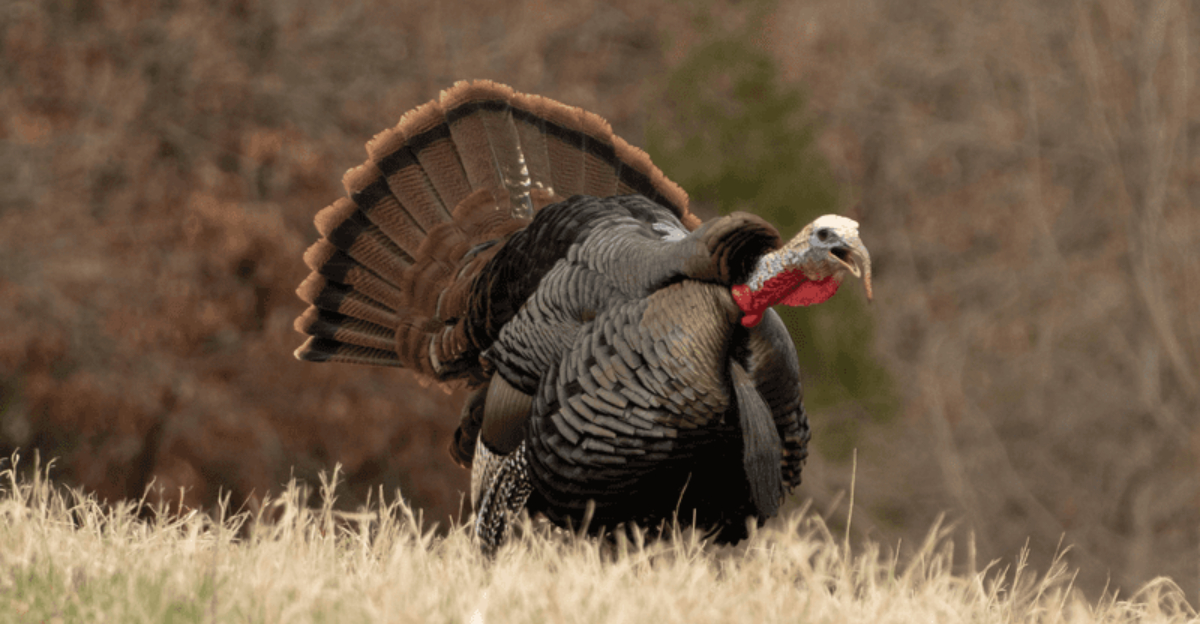
When a wild turkey is observed wandering through the dense concrete architecture of Manhattan, it instantly captures public attention, sparks viral social media posts, and prompts questions about how urban wildlife navigates the five boroughs. While New York City is famous for its resilient pigeon and rat populations, the appearance of Meleagris gallopavo—the wild turkey—in the heart of a global metropolis represents a fascinating intersection of successful wildlife conservation, urban ecology, and animal adaptability.
Understanding the Phenomenon of Manhattan Wild Turkeys
The presence of a wild turkey in Manhattan is not merely a random glitch in the urban matrix; it is a direct result of broader ecological trends unfolding across New York State and the greater metropolitan region. For decades, wild turkeys were entirely absent from most of New York due to extensive deforestation, unregulated hunting, and agricultural expansion in the 19th and early 20th centuries. However, through aggressive reintroduction programs spearheaded by the New York State Department of Environmental Conservation (NYSDEC) starting in the late 20th century, wild turkey populations rebounded dramatically.
As suburban development expanded and green spaces matured, these birds naturally dispersed. Populations firmly established themselves in outer-borough green spaces, particularly in Staten Island, the Bronx (near Pelham Bay Park and Van Cortlandt Park), and Queens. From these strongholds, adventurous individuals occasionally cross bridges, navigate railway lines, or wander along waterfront parks to reach Manhattan. When observers spot a wild turkey traversing a Manhattan avenue or roosting in a courtyard, they are witnessing a pioneer animal that has successfully adapted its survival instincts to an asphalt-and-steel environment.
Historical Context of Wild Turkeys in New York City
Historically, wild turkeys were native to the forested landscapes of the region before European settlement. When Henry Hudson sailed up the river that now bears his name in 1609, the island of Manhattan featured a mosaic of oak-hickory forests, salt marshes, and rocky ridges that provided an ideal habitat for turkeys. As urbanization accelerated, these ground-dwelling birds were swiftly extirpated from the island and surrounding counties.
The modern return of the wild turkey to New York City began in earnest during the 1990s and 2000s. While sightings in the other boroughs became relatively common over the subsequent decades, Manhattan remained an outlier due to the intense density of vehicular traffic, lack of contiguous forest cover, and formidable physical barriers. Nevertheless, isolated sightings—such as the famous turkey dubbed "Tom Turkey" or "Broadway Bob" appearing in Riverside Park or Washington Heights—demonstrate that urban wildlife can cross into dense human territory when dispersal corridors align.
Ecological Drivers Behind Urban Dispersal
Why would a wild turkey leave the relative safety of a suburban park or an outer-borough greenbelt to venture into Manhattan? The primary driver of this behavior is the natural dispersal urge of juvenile and adult birds seeking new territory, food sources, and mating opportunities.
| Biological Factor | Description in Urban Context | Manhattan Impact |
|---|---|---|
| Juvenile Dispersal | Young birds driven out of established flocks in spring. | Leads to random wandering across bridges and rail corridors. |
| Resource Seeking | Foraging for acorns, insects, and anthropogenic food waste. | Urban parks and street tree pits provide unexpected forage. |
| Habitat Connectivity | Greenways, linear parks, and waterfronts serving as pathways. | Guides animals past barriers toward denser urban cores. |
| Lack of Apex Predators | Absence of wolves and cougars in the city environment. | Lowers perceived danger, encouraging bolder exploration. |
Understanding these drivers helps demystify why a bird adapted to woodlands feels comfortable walking down a paved sidewalk. Turkeys are generalist omnivores; their diet includes seeds, nuts, berries, foliage, insects, and small vertebrates. In Manhattan, parks, botanical gardens, and landscaped courtyards offer an abundance of ornamental plants, fallen tree nuts, and discarded food scraps that can sustain a foraging bird. Furthermore, wild turkeys lack natural predators in the urban core aside from domestic dogs and vehicular traffic, which may embolden them to linger in areas humans frequent.
Navigating Encounters: Safety and Best Practices
Encountering a wild turkey in Manhattan is an exhilarating experience for urban naturalists, but it requires mindful behavior to ensure the safety of both humans and the animal. While turkeys generally ignore people, mature toms (males) can become territorial or habituated to humans, particularly during the spring breeding season (March through May).
Practical Guidelines for Coexisting with Urban Wildlife
- Maintain a Safe Distance: Do not approach, crowd, or attempt to pet the turkey. Give the bird a buffer of at least 15 to 20 feet.
- Never Feed the Animals: Feeding wild turkeys in New York City is discouraged and often illegal. Handouts cause animals to lose their natural fear of humans, leading to aggressive begging behavior and increased vulnerability to traffic.
- Keep Pets Leashed: Dogs can easily startle a wild turkey, prompting the bird to react defensively with its spurs or wings, or causing the turkey to panic and run into oncoming street traffic.
- Back Away Slowly If Threatened: If a turkey displays dominance behaviors—such as puffing its feathers, dragging its wings, or making loud guttural noises—stand your ground, make yourself look large, and back away slowly without turning your back or running.
For detailed guidelines on managing interactions with urban wildlife, consult the New York State Department of Environmental Conservation wildlife resources page.
Assessing Health and Legal Status
When a wild turkey is observed in Manhattan, concerned residents often wonder if the animal is injured, lost, or in violation of local ordinances. From a regulatory standpoint, wild turkeys are protected game species managed by state wildlife authorities rather than domestic livestock or pests.
City agencies such as the New York City Department of Parks and Recreation and the NYPD Animal Cruelty Investigation Squad typically monitor high-profile wildlife sightings but intervene only if the animal is injured, trapped in a dangerous location (such as a multi-level highway or enclosed courtyard with no escape route), or exhibiting dangerous aggression toward the public. Healthy turkeys navigating parks and streets on their own terms are generally left alone to find their own way out of the borough.
Common Misconceptions About Urban Turkeys
- "The bird is lost and needs to be rescued immediately." In most cases, the turkey is perfectly capable of moving under its own power and will eventually retrace its steps or find a less dense environment. Intervention causes extreme stress to the animal.
- "Wild turkeys carry dangerous human diseases." While like all wild animals they can carry parasites, turkeys pose minimal direct disease risk to humans under normal observation conditions.
- "Manhattan has a breeding population of wild turkeys." Sightings almost always involve transient individual wanderers rather than an established, self-sustaining breeding flock living permanently on the island.
Frequently Asked Questions
Can wild turkeys fly across the Hudson or East Rivers to get to Manhattan?
Wild turkeys are surprisingly strong, albeit heavy, flyers. While they spend most of their time on the ground and prefer to roost in tall trees, they are capable of short, powerful bursts of flight spanning several hundred yards. However, most individuals observed in Manhattan likely walk across bridges, navigate railway trestles, or drift across narrow waterways rather than executing a direct open-water flight across major rivers.
Are wild turkeys in Manhattan dangerous to humans?
Under normal circumstances, wild turkeys are docile and prefer to avoid human contact. However, habituated toms can display aggressive posturing during the spring mating season, mistaking human legs or reflections for rival males. Maintaining a respectful distance eliminates almost all risks of aggressive interaction.
What should I do if I see an injured wild turkey in Manhattan?
If you observe a wild turkey that appears visibly injured, entangled in debris, or trapped in an inaccessible urban enclosure, do not attempt to handle it yourself. Contact the local police precinct non-emergency line, the NYC Parks Department, or a licensed wildlife rehabilitator who has the specialized equipment and training to manage large birds safely.
How long do wild turkeys typically survive in an urban environment like Manhattan?
Survival depends heavily on luck and behavior. While natural lifespans can reach up to three to four years in the wild, urban turkeys face severe hazards from vehicular collisions, domestic animals, and accidental poisoning or ingestion of inappropriate urban debris. Many transient birds eventually migrate back toward larger green spaces in the outer boroughs or northern Manhattan.
Is it legal to feed wild turkeys in New York City?
Feeding wildlife in public parks is generally restricted by municipal sanitation and parks regulations. Intentional feeding creates public nuisances, attracts pests, and alters natural foraging behaviors, making it detrimental to the long-term well-being of the animals.
Conclusion and Next Actions
Observing a wild turkey in Manhattan serves as a vivid reminder of nature's persistence amid intense urbanization. If you spot one of these remarkable birds during your travels through the city, the best course of action is to observe quietly from a distance, respect the animal's space, and avoid interfering with its natural movements. For those interested in tracking urban biodiversity or reporting significant wildlife sightings, local conservation groups and citizen science platforms like iNaturalist provide structured avenues to document these rare urban encounters.