When a policyholder decides they no longer wish to continue making premium payments on a whole life insurance policy, they possess several contractually guaranteed options rather than simply letting the coverage lapse. Whole life insurance builds cash value over time, creating financial flexibility that allows owners to stop paying premiums while retaining varying degrees of coverage, cash payouts, or converted benefits depending on their specific financial needs and the policy's accumulated value.
Understanding the Mechanics of Whole Life Insurance Policies
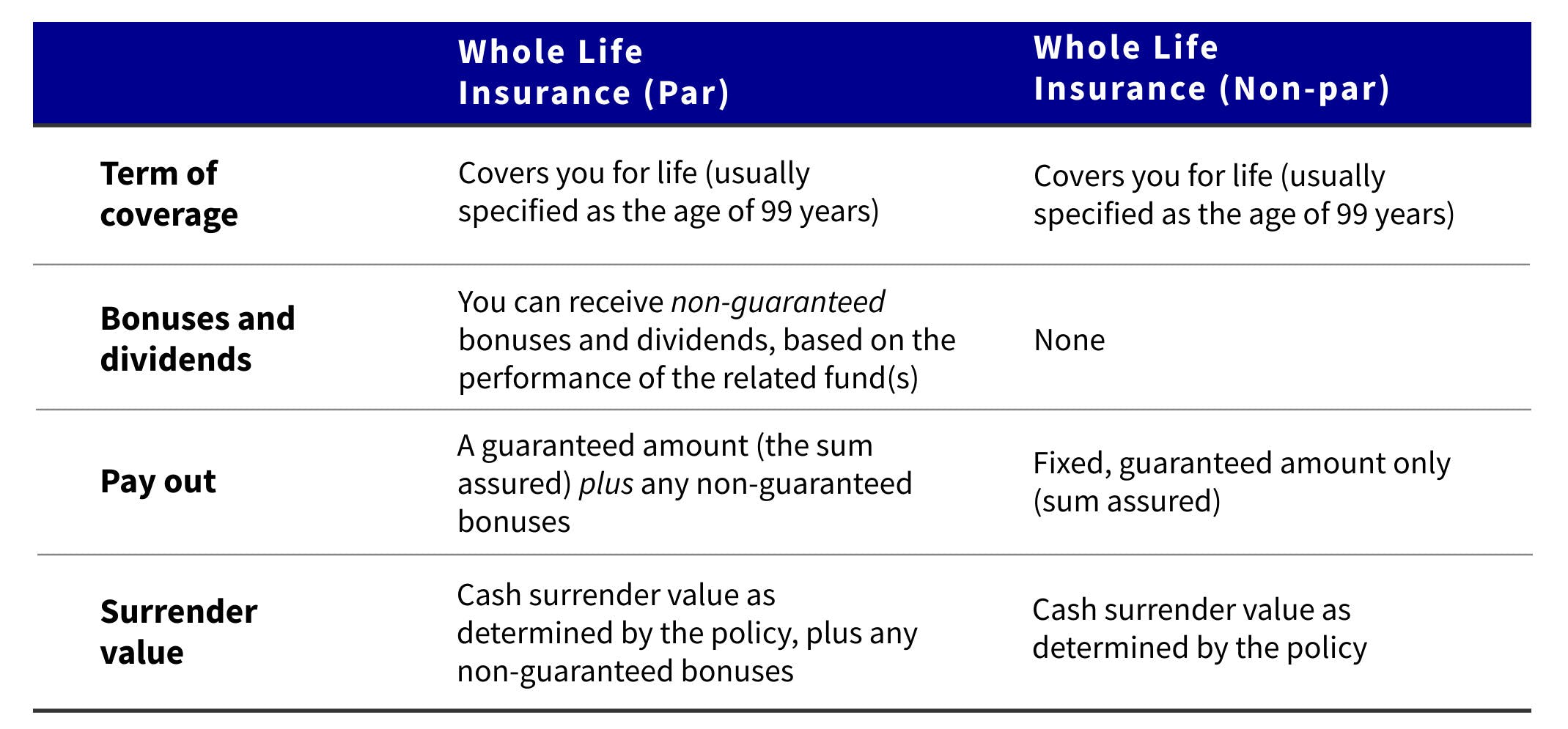
Whole life insurance is a type of permanent life insurance designed to remain active for the entirety of the insured’s life, provided that the required premiums are paid. Unlike term life insurance, which only provides a death benefit for a specific period and has no cash value, whole life insurance features a dual structure: a death benefit and a cash value account.
A portion of each premium payment goes toward the cost of insurance and administrative expenses, while the remaining balance is deposited into the policy’s cash value account. This cash value grows on a tax-deferred basis at a guaranteed minimum interest rate set by the insurance company, often augmented by non-guaranteed dividends if purchased through a mutual life insurance company. Over years and decades, this cash value accumulates significantly.
Because the policy is engineered to endow at a certain age (typically age 100 or 121, coinciding with the end of the mortality table), the financial commitment is substantial. Premiums are generally much higher than term insurance premiums during the early years of the policy precisely because they are structured to over-fund the early cost of insurance to offset the higher mortality costs of older age. When a policyholder reaches a point where they no longer wish to make these scheduled payments, the accumulated cash value serves as the financial engine driving their alternative choices.
Non-Forfeiture Options Available to Policyholders
When a policyholder stops paying premiums, life insurance contracts typically include standard non-forfeiture provisions designed to protect the equity (cash value) built up within the policy. Standard whole life insurance contracts legally prevent the insurer from simply confiscating the accumulated cash value due to non-payment. Instead, the owner can select from several contractually guaranteed paths.
1. Reduced Paid-Up Insurance
Under the reduced paid-up option, the policyholder stops paying any further premiums entirely. The existing cash value is used as a single net premium to purchase a smaller, fully paid-up permanent life insurance policy of the same type.
- How it works: The death benefit is reduced from its original face amount to a lower amount that the current cash value can fully support for the remainder of the insured's life.
- Key advantage: No more premiums are ever due, yet the insured retains a permanent death benefit and the remaining cash value can continue to grow modestly.
2. Extended Term Insurance
With extended term insurance, the policyholder stops making premium payments, and the insurer uses the accumulated cash value to purchase term life insurance with a face amount equal to the original whole life policy.
- How it works: The coverage remains at its full original face amount, but it operates as a term policy rather than permanent insurance. It stays in force only for a specific, calculated duration (e.g., 15 years and 3 months) based on the net cash surrender value and the insured's age.
- Key advantage: The family maintains the maximum level of financial protection without further out-of-pocket costs, though the coverage will eventually expire.
3. Cash Surrender Value
If the policyholder no longer needs life insurance protection at all, they can choose to completely surrender or cancel the policy in exchange for its net cash value.
- How it works: The insurer calculates the gross cash value, subtracts any outstanding policy loans, unpaid interest, and applicable surrender charges (which typically phase out over the first 10 to 15 years of the policy), and pays the remaining balance to the policyholder in a lump sum.
- Key advantage: Immediate access to liquid funds.
- Disadvantage: The life insurance coverage terminates completely, and any gain over the cost basis (total premiums paid minus previous non-taxable distributions) may be subject to ordinary income taxes.
| Non-Forfeiture Option | Impact on Death Benefit | Impact on Future Premiums | Best Suited For |
|---|---|---|---|
| Reduced Paid-Up | Reduced permanently to a lower face amount | Eliminated completely (0 further payments) | Maintaining permanent coverage without ongoing cash outflows |
| Extended Term | Maintained at the original full face amount | Eliminated completely (temporary duration) | Needing maximum temporary protection during a transitional phase |
| Cash Surrender | Terminated completely ($0 benefit) | Eliminated | Individuals who no longer need insurance and prefer liquid capital |
Utilizing Existing Cash Value Without Surrendering
Stopping premium payments does not strictly require altering or canceling the policy. Policyholders experiencing temporary financial hardship or cash flow constraints can leverage the existing cash value to keep the policy active.
Automatic Premium Loan (APL) Provision
Many whole life policies feature an optional or mandatory Automatic Premium Loan provision. If elected, when a premium payment is missed and the grace period (typically 31 days) expires, the insurance company automatically borrows an amount equal to the premium from the policy's cash value to pay the premium.
- Mechanism: The policy remains active, and coverage is uninterrupted.
- Consideration: This creates a policy loan that accrues interest. If the total loan balance plus accumulated interest eventually exceeds the remaining cash value, the policy will lapse, potentially triggering a significant tax liability if the cash value was higher than the basis.
Direct Policy Loans
Policyholders can also take a direct loan against their cash value. Unlike loans from traditional financial institutions, insurance policy loans do not require credit checks or loan approval processes, as the insurance company uses the cash value as collateral.
- Mechanism: The borrowed funds can be used to pay premiums or for any personal purpose.
- Consideration: Interest is charged by the insurer, and unpaid interest reduces the net death benefit and cash value over time.
Evaluating Financial, Tax, and Long-Term Impacts
Deciding to alter or terminate a whole life insurance policy carries significant financial and tax consequences that require careful evaluation before taking action.
Tax Implications of Surrendering a Policy
When a policy is surrendered for its cash surrender value, the Internal Revenue Service (IRS) views the transaction through the lens of cost recovery.
- Cost Basis: The total amount of premiums paid into the policy minus any dividends or withdrawals previously taken tax-free.
- Taxable Gain: If the cash surrender value exceeds the cost basis, that excess is considered taxable income and is taxed at ordinary income tax rates rather than capital gains rates.
- Losses: If the cash surrender value is less than the total premiums paid, the loss is generally not tax-deductible.
Impact on Estate Planning and Dependent Security
Whole life insurance is frequently integrated into long-term estate planning, funding buy-sell agreements, equalizing inheritances among heirs, or providing liquidity to pay estate taxes. Terminating the policy or converting it to a reduced paid-up status alters the liquidity available to beneficiaries upon the insured's death. Consulting with a financial planner, certified public accountant (CPA), or estate attorney helps ensure that modifying the policy does not disrupt a broader financial strategy.
Common Mistakes to Avoid When Stopping Payments
Policyholders navigating premium payment difficulties frequently make errors that erode their financial standing or result in avoidable losses.
- Allowing a Silent Lapse: Simply stopping payments without designating a non-forfeiture option or ensuring an APL provision is active can cause the policy to lapse improperly. When a policy lapses with outstanding loans exceeding the cash value, the IRS treats the transaction as a taxable distribution, leaving the owner with a tax bill but no insurance coverage.
- Ignoring Surrender Charges: Surrendering a policy within the first few years of its life usually incurs heavy surrender charges that can consume a large percentage of the accumulated cash value. Policyholders should review their annual statement to verify whether surrender periods have expired.
- Failing to Request an In-Force Illustration: Before making a permanent change, policyholders should request an in-force ledger or illustration from their insurance carrier. This document projects the exact future performance, costs, and benefits of exercising a reduced paid-up or extended term option based on current interest and mortality assumptions.
Alternative Strategies: 1035 Exchanges and Life Settlements
If the current whole life policy no longer fits the policyholder's needs, options beyond internal adjustments exist within the broader financial marketplace.
1. Tax-Free Exchanges (Internal Revenue Code Section 1035)
Under Section 1035 of the Internal Revenue Code, a policyholder can exchange an existing life insurance policy for a new life insurance policy, endowment contract, or annuity contract without recognizing a taxable gain or loss at the time of the exchange.
- Application: This is useful if another carrier offers better financial strength, lower internal fees, or a product structure (such as indexed or variable universal life) that better aligns with current risk tolerances.
2. Life Settlements
For older policyholders (typically age 65 or older) or those facing chronic or terminal illness, selling the whole life policy to a third-party investor through a life settlement or viatical settlement may yield a payout higher than the cash surrender value, though less than the full death benefit.
- Consideration: The buyer assumes premium payment responsibilities and collects the death benefit when the insured passes away.
Recommended Next Actions
- Review the Policy Contract: Locate the original policy document and examine the non-forfeiture provisions, current cash value schedule, and any applicable surrender charges.
- Contact the Insurance Carrier: Request an in-force illustration showing the exact figures for cash surrender value, reduced paid-up insurance, and extended term insurance as of the current date.
- Consult a Professional: Discuss the proposed action with a fee-only financial planner or tax advisor to evaluate the specific income tax consequences and long-term estate planning impacts.