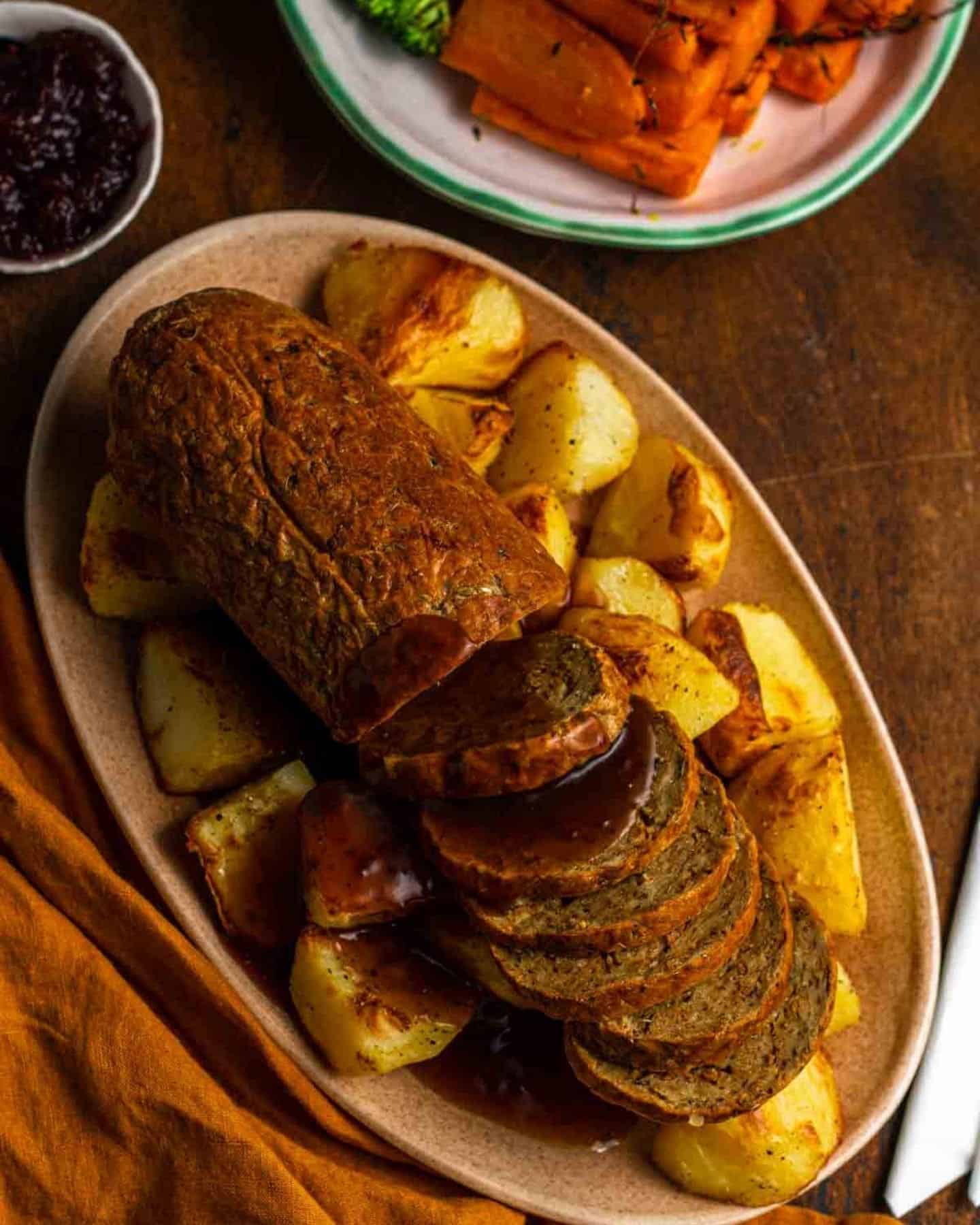
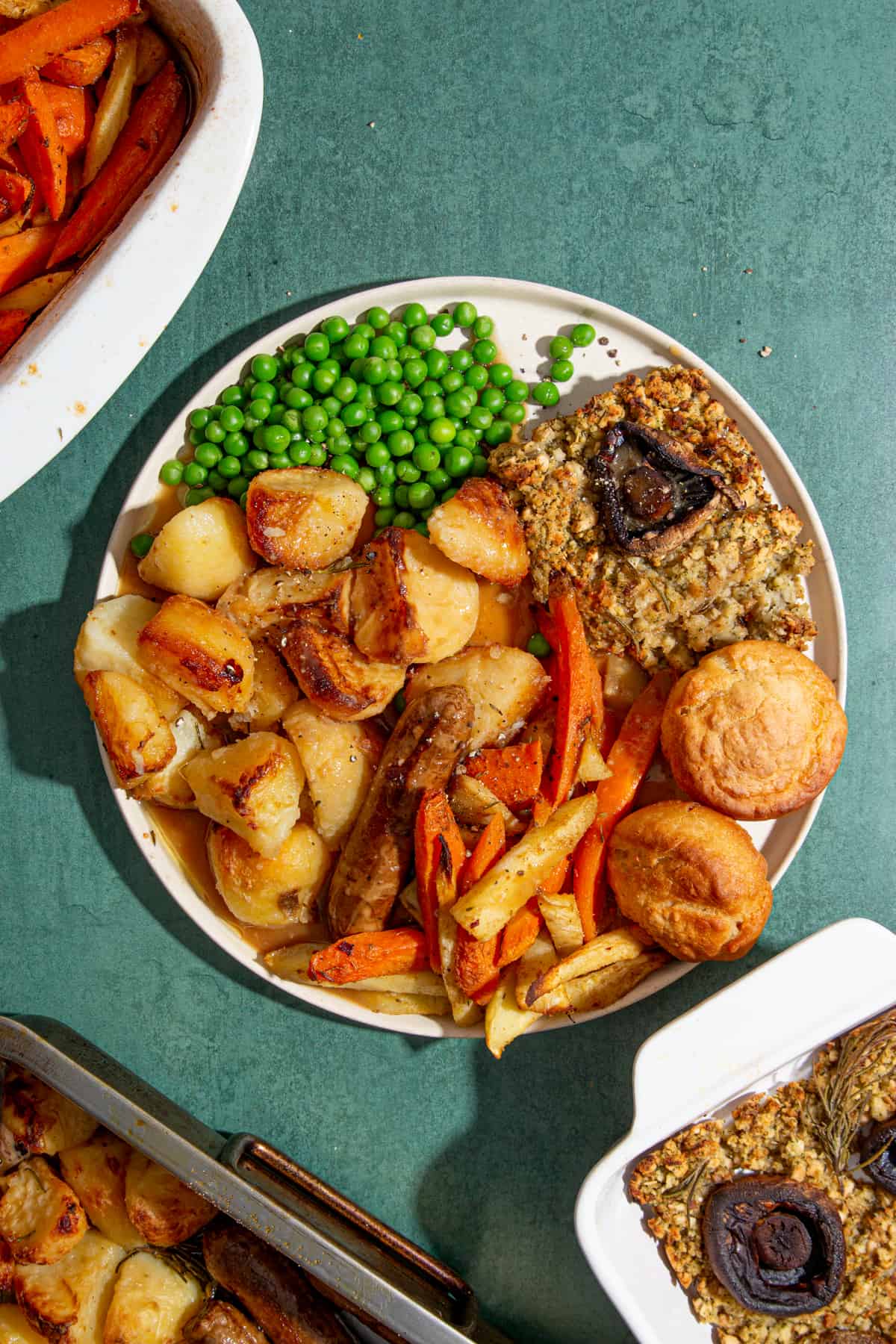
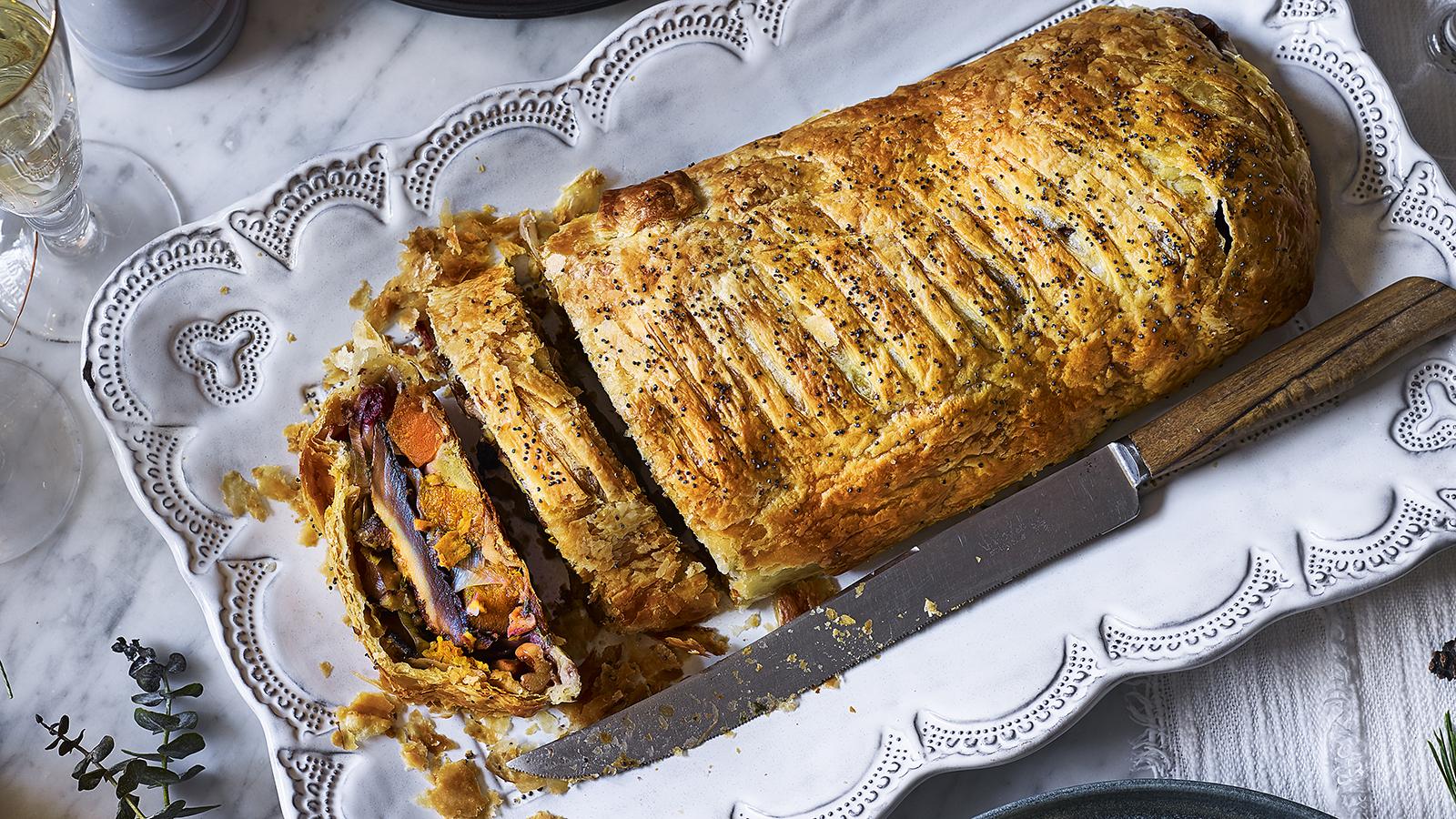
A vegetarian roast dinner is a hearty, plant-based centerpiece meal featuring roasted root vegetables, savory sauces, and an elaborate meat-free main dish like a nut roast or wellington, designed to deliver traditional comforting flavors without meat.
The classic Sunday roast occupies a revered place in culinary history, traditionally built around a centerpiece of roasted meat flanked by potatoes, seasonal vegetables, Yorkshire puddings, and rich gravy. However, shifting dietary preferences, environmental considerations, and a growing appreciation for vegetable-forward cooking have transformed the landscape of this weekly ritual. A vegetarian roast dinner is no longer an afterthought or a plate of side dishes pushed together; it is a meticulously planned, deeply flavorful culinary event that can easily satisfy both committed vegetarians and enthusiastic carnivores alike.
Designing a stellar plant-based roast requires an understanding of texture, umami, and thermal timing. Because vegetables and plant-based proteins lack the natural fats and heavy connective tissues of traditional roasting joints, achieving moisture, depth of flavor, and structural integrity demands deliberate culinary techniques. This comprehensive guide explores every facet of constructing a magnificent vegetarian roast dinner, from selecting your main centerpiece and perfecting roasted root vegetables to mastering plant-based gravies and mastering the ultimate cooking timeline.
Defining the Vegetarian Roast Dinner: Core Philosophy
At its heart, a successful vegetarian roast dinner mimics the sensory satisfaction of a traditional roast while celebrating the unique qualities of plant foods. The primary challenge in plant-based roasting is balancing textures. Without a central piece of meat to anchor the plate, a meal consisting entirely of soft vegetables can quickly become monotonous.
A well-composed vegetarian roast incorporates four distinct pillars:
- The Centerpiece: A structured, protein-rich or hearty main dish that commands the center of the plate, such as a lentil and chestnut loaf, a mushroom and spinach wellington, or a whole roasted cauliflower infused with aromatic spices.
- The Starches: Crispy-on-the-outside, fluffy-on-the-inside roast potatoes and occasionally sweet potatoes or parsnips.
- The Vegetables: A colorful array of roasted, steamed, or braised seasonal produce that provides natural sweetness, bitterness, and earthiness.
- The Accompaniments: Crisp Yorkshire puddings (if opting for vegetarian rather than vegan), herb-infused stuffings, and a deeply savory, umami-rich vegetable gravy.
Choosing Your Plant-Based Centerpiece
The centerpiece sets the tone for your entire meal. Selecting the right option depends on your cooking experience, dietary restrictions (vegetarian versus vegan), and the amount of preparation time you wish to spend on the day of the dinner.
Nut Roasts and Loaves
Nut roasts are the traditional heavyweights of the vegetarian festive table. Built on a foundation of ground nuts (such as walnuts, almonds, and pecans), binder ingredients like breadcrumbs or ground flaxseeds, and aromatic vegetables, they offer a dense, satisfying slice.
- Flavor Building: Sautéed onions, garlic, mushrooms, and herbs like sage and thyme provide an essential earthy foundation.
- Texture Tips: Avoid over-processing your nuts; retaining some coarse pieces prevents the roast from turning into a paste. Adding cooked grains like brown rice or lentils introduces structural integrity.
Vegetable Wellingtons
A pastry-encased centerpiece offers an impressive visual presentation and a delightful textural contrast between flaky, buttery puff pastry and a rich, savory filling.
- Filling Options: Portobello mushrooms combined with spinach, leeks, and goat cheese; or butternut squash infused with sage, chestnuts, and caramelized onions.
- Puff Pastry Check: Many commercial brands of puff pastry are naturally vegan as they are made with vegetable oils rather than butter, making this an easy win for mixed dietary gatherings.
Whole Roasted Vegetables
For a simpler, highly dramatic presentation, a single vegetable can take center stage.
- Whole Roasted Cauliflower: Par-boiled, slathered in a spiced yogurt or harissa paste, and roasted until caramelized, a whole cauliflower makes a striking rustic dish.
- Stuffed Squash: Acorn or butternut squash halved, seeded, and stuffed with wild rice, cranberries, and pecans offer a naturally sweet and savory vessel.
Mastering the Accompaniments and Sides
A roast dinner stands or falls on its side dishes. Achieving success requires coordinating cooking temperatures and oven space, which is often at a premium on roast day.
The Ultimate Roast Potatoes
Achieving the holy grail of roast potatoes—shattering crispness on the exterior and pillowy softness inside—does not require meat fat. High-smoke-point vegetable fats such as sunflower oil, rapeseed oil, or refined coconut oil yield exceptional results.
- Variety Matters: Choose floury potatoes such as Maris Piper, King Edward, or Russets.
- The Par-Boil: Cut into even chunks and boil in salted water for 6 to 8 minutes until the edges are just beginning to soften. Drain thoroughly.
- The Rough-Up: Shake the drained potatoes vigorously in the pan to rough up the edges. This creates maximum surface area for crisping.
- Pre-Heating the Fat: Heat your roasting tray with oil in a 200°C (400°F) oven for at least 10 minutes before adding the potatoes. They should sizzle immediately upon contact.
Savory Stuffing and Yorkshire Puddings
- Sage and Onion Stuffing: Combine fresh breadcrumbs, finely diced onions, plenty of fresh sage, and vegetable stock. Bake in a separate dish for crisp edges, or roll into balls.
- Vegetarian Yorkshire Puddings: Traditional Yorkshire pudding batter relies on hot fat and chemical expansion from eggs. Vegetarian versions use standard cow's milk and eggs, while vegan adaptations require specialized rising agents and resting times to achieve the iconic rise.
Crafting the Ultimate Umami Gravy
Without meat drippings, a vegetarian gravy can easily taste flat or overly watery. The secret to a rich, glossy, deeply savory vegetarian gravy lies in building layers of umami using plant-based ingredients.
| Ingredient | Role in Gravy | Best Application |
|---|---|---|
| Dried Porcini Mushrooms | Deep earthiness and umami base | Rehydrate in boiling water and use the strained soaking liquid as stock. |
| Soy Sauce or Tamari | Salinity and complex savory notes | Add a tablespoon toward the end of simmering for instant depth. |
| Tomato Paste | Caramelization and background acidity | Sauté with flour and onions to create a rich roux base. |
| Marmite or Yeast Extract | Concentrated B-vitamins and savory punch | Whisk in a teaspoon for an authentic roasted meat-like flavor profile. |
| Red Wine | Acidity, color, and fruitiness | Deglaze the pan after sautéing aromatics to lift browned bits. |
Step-by-Step Execution and Timeline
Time management is the most critical element of pulling off a successful roast dinner. Because multiple components require different oven temperatures and resting periods, a reverse timeline ensures everything reaches the table piping hot.
Preparation Timeline
The Day Before:
- Make your nut roast or Wellington filling, and assemble it ready for baking.
- Chop hard root vegetables (carrots, parsnips) and store them in water in the refrigerator.
- Make the gravy base or stock.
3 Hours Before Serving:
- Peel and cut your potatoes. Set them aside in cold water.
- Prepare stuffing balls or extra side dishes.
- Clear counter space and pre-heat serving platters.
1 Hour and 15 Minutes Before Serving:
- Preheat your oven to 200°C (400°F).
- Put your main centerpiece (nut roast or Wellington) into the oven. It will need 45 to 60 minutes depending on size.
- Put your roasting tray of oil for the potatoes into the oven to heat up.
45 Minutes Before Serving:
- Par-boil and fluff your potatoes, then carefully transfer them to the hot oil tray.
- Toss root vegetables in oil, salt, and maple syrup, and add them to a separate tray in the oven.
20 Minutes Before Serving:
- Remove the centerpiece and let it rest (crucial for nut roasts so they slice cleanly without crumbling).
- Turn up the oven or shift items to brown the potatoes and vegetables.
- Finish the gravy on the stovetop, whisking until glossy and thick.
- Bake Yorkshire puddings if making them fresh.
Serving:
- Plate up family-style on warmed dishes to keep the food hot as it hits the table.
Common Pitfalls and How to Avoid Them
Even experienced cooks can stumble when transitioning from traditional roasts to plant-based alternatives. Keeping these common issues in mind will save your dinner party from disaster.
- Dry Nut Roasts: Nut roasts are notoriously prone to drying out in the oven. Combat this by incorporating moist ingredients like grated courgette, canned tomatoes, or applesauce into the mixture, and cover the loaf loosely with foil for the first half of the baking time.
- Oven Real Estate Wars: If your centerpiece, potatoes, parsnips, and Yorkshire puddings all require different temperatures, you will experience a gridlock. Plan ahead by par-cooking vegetables on the stovetop or using multi-zone convection settings if your oven permits.
- Lack of Color: Plant-based foods can look pale. Use roasting aids like maple syrup, balsamic vinegar, tomato paste, or a brush of plant milk on pastries to encourage deep, golden-brown caramelization.
Frequently Asked Questions
Can a vegetarian roast dinner be made entirely vegan?
Yes. By substituting dairy milk and eggs with plant-based milks and binding alternatives (such as flax eggs or aquafaba for certain applications), and ensuring your puff pastry uses vegetable fats rather than butter, every single component can be made completely vegan without sacrificing flavor or texture.
How do I prevent my nut roast from crumbling when sliced?
Crumbling usually occurs due to an insufficient binding agent or slicing the roast immediately upon removing it from the oven. Ensure you include ingredients like breadcrumbs, ground flax, or cooked lentils, and always let the loaf rest for 15 to 20 minutes before attempting to slice it with a sharp serrated knife.
What are the best vegetables to roast alongside potatoes?
Carrots, parsnips, beetroot, red onions, and Brussels sprouts roast exceptionally well. Hard root vegetables benefit from being cut into uniform sizes and tossed in oil with a touch of sweetness, like maple syrup or honey (or agave syrup for vegans), to encourage sticky, caramelized edges.
Can I prepare components of a vegetarian roast in advance?
Most elements can be prepared ahead of time. Nut roasts, Wellingtons, and gravy bases can be assembled 24 hours in advance and kept refrigerated. Potatoes can be peeled and par-boiled earlier in the day, though for optimal crispness, they are best roasted fresh.
Conclusion and Next Action
Mastering a vegetarian roast dinner transforms plant-based cooking from a weekday chore into a celebratory weekend ritual. By focusing on contrasting textures, rich umami flavor profiles, and careful timing, you can create a centerpiece meal that rivals any traditional roast. For your next Sunday gathering, select one centerpiece—such as a mushroom Wellington or a walnut-lentil loaf—pair it with perfectly crisped roast potatoes and a rich porcini gravy, and enjoy a feast that satisfies every guest at your table.