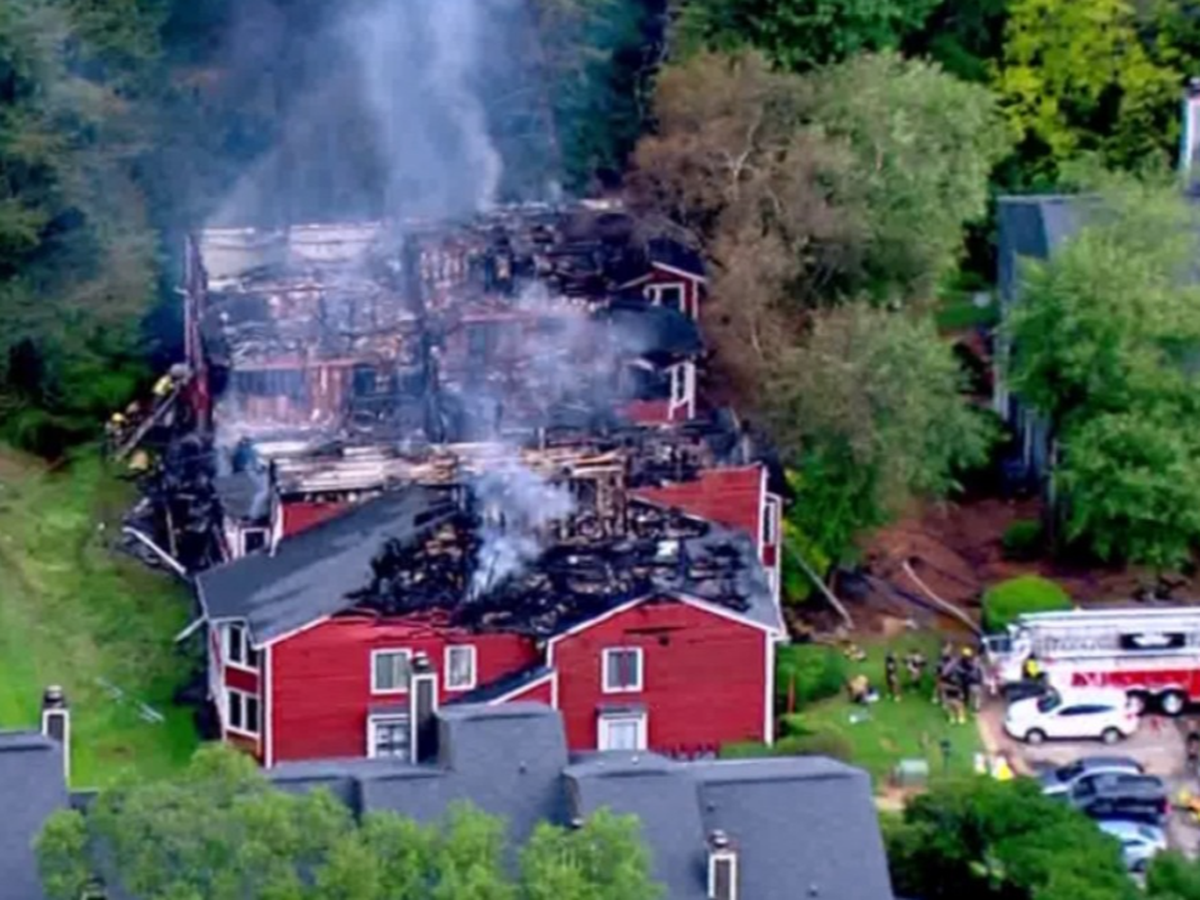
A tragic loss within the Massachusetts Institute of Technology (MIT) community deeply impacts students, faculty, staff, and alumni, creating an urgent need for accessible mental health support, institutional crisis resources, and collective mourning spaces. When a member of the campus passes away, the university activates structured support networks to help individuals cope with grief, process trauma, and navigate academic or professional responsibilities during a difficult time.
Understanding the Impact of Loss within an Academic Environment
The academic ecosystem of the Massachusetts Institute of Technology is characterized by intense dedication, rigorous intellectual pursuits, and tight-knit residential and department structures. Because students and researchers spend long hours collaborating in laboratories, living in dormitories, and engaging in campus organizations, the death of a community member reverberates profoundly across cohorts.
Grief in a high-achieving environment often manifests differently than in other settings. Individuals may feel pressured to maintain high performance standards while simultaneously grappling with profound sorrow, shock, or disbelief. Recognizing that grief affects cognitive function, emotional stability, and physical well-being is the first step toward seeking appropriate care. The university environment relies on a network of peers, advisors, and professional clinicians to bridge the gap between acute trauma and long-term emotional recovery.
Institutional Support Systems and Mental Health Resources
When tragedy strikes the campus, MIT deploys specialized resources to assist affected individuals. Navigating these services effectively requires understanding who to contact and what specific types of support are available.
Student Mental Health and Counseling Services
The primary hub for psychological support on campus is MIT Mental Health and Counseling, located within the MIT Medical department. During times of acute crisis, clinicians are available for urgent consultations, walk-in triage, and specialized grief counseling.
- Urgent Care Access: Students can speak with a mental health professional on an emergency basis by visiting the MIT Medical facility or calling the 24/7 urgent mental health line.
- Individual Therapy: Ongoing counseling sessions provide a confidential space to process personal grief, guilt, or anxiety resulting from the loss of a peer or colleague.
- Support Groups: Facilitated group sessions allow community members to share their experiences collectively, reducing feelings of isolation and validating the diverse ways people experience mourning.
Academic Accommodations and Support from Student Life
Grieving students often face immediate challenges regarding coursework, examinations, and research deadlines. The Institute provides structured pathways for obtaining academic relief through Student Mental Health and Counseling or the Office of the Dean for Student Life (DSL).
- Student Support Services (S3): S3 deans act as advocates for students facing personal crises. They can coordinate with academic departments to arrange extensions, incompletes, or medical leaves of absence without penalty.
- Graduate Student Support: Graduate students, who may also be researchers or teaching assistants, can access tailored guidance through the Office of Graduate Education (OGE) and departmental administrators.
Commemoration and Memorializing Community Members
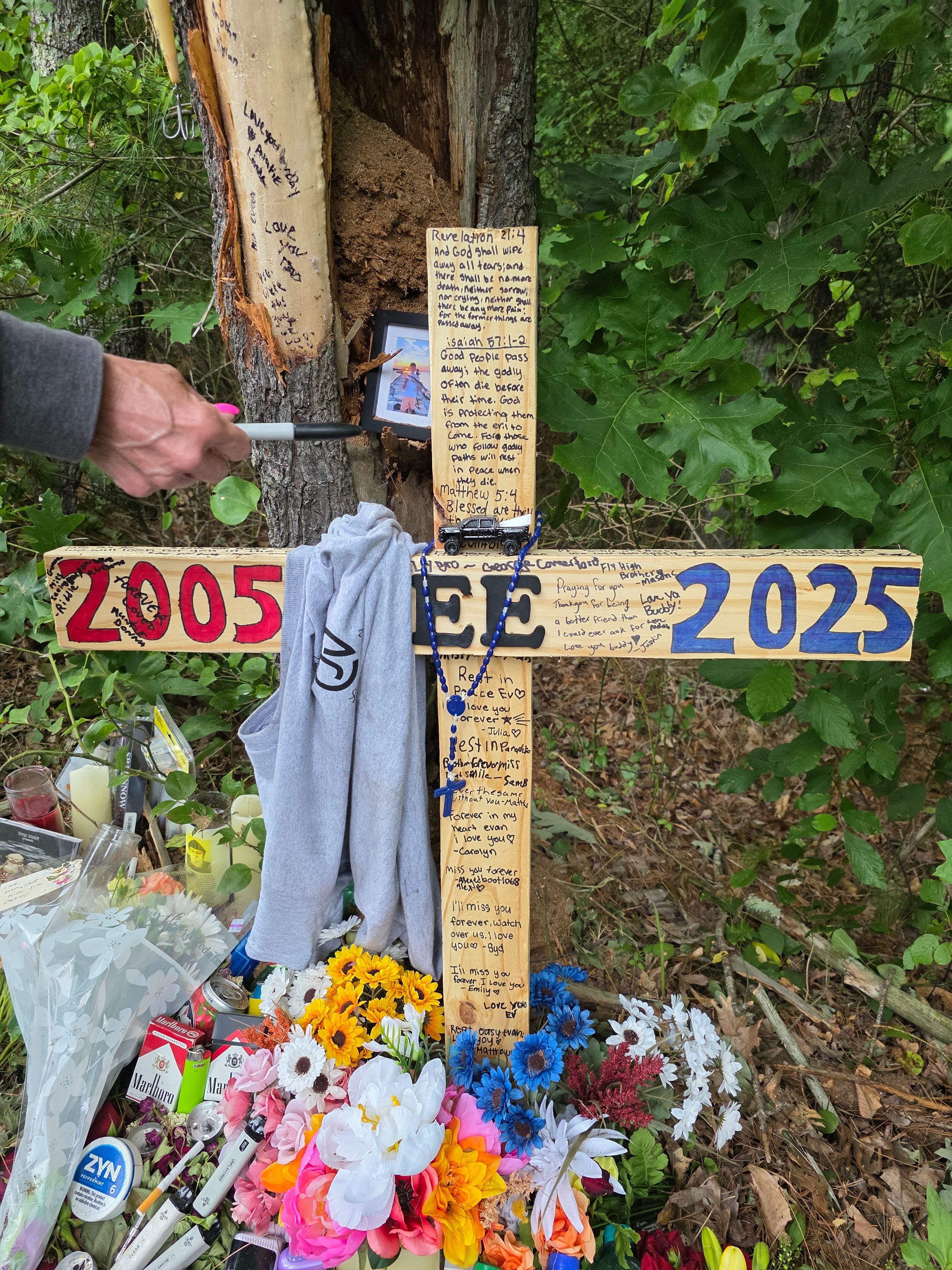
Honoring the memory of a departed student, faculty member, or staff member is an essential part of the healing process for the MIT community. Memorial services provide a shared space for reflection, storytelling, and mutual comfort.
Types of Memorial Observances
Memorials at the Institute take various forms depending on the wishes of the family and the preferences of the affected department or living group:
- Campus Vigils and Gatherings: Student-led or institution-sponsored vigils offer immediate opportunities for collective mourning, candle lighting, and sharing memories.
- Departmental Tributes: Academic departments frequently host dedicated spaces or memorial lectures to recognize a scholar's contributions to their field and community.
- Permanent Commemorations: In consultation with families, some legacies are honored through scholarship funds, dedicated benches, or memorial trees planted on campus grounds.
Respecting Privacy and Family Wishes
While the campus community experiences a collective need for expression, institutional protocols prioritize the privacy and consent of the grieving family. Communications regarding the cause of death or memorial details are managed carefully to respect privacy laws and personal boundaries. Community members are encouraged to rely on official announcements from the university administration rather than unverified rumors circulating on social media.
Summary of Available Campus Resources and Points of Contact
| Resource Name | Primary Function | Accessibility and Contact Method |
|---|---|---|
| MIT Mental Health and Counseling | Crisis intervention, individual therapy, and grief support | Available via MIT Medical; 24/7 urgent phone consultation accessible. |
| Student Support Services (S3) | Academic advocacy, crisis management, and personal deaning | Located in Building 5-104; available for walk-ins and appointments. |
| MIT Chaplains | Interfaith spiritual guidance, existential support, and memorial planning | Located in W11; represents diverse religious and philosophical traditions. |
| Employee Assistance Program (EAP) | Confidential counseling and referral services for faculty and staff | Available via HR portals for all benefits-eligible employees and dependents. |
Frequently Asked Questions
What should I do if I notice a fellow student or colleague struggling with grief?
Encourage them gently to reach out to professional support services such as Student Support Services (S3) or MIT Mental Health. If you believe they are in immediate danger of self-harm, contact MIT Campus Police or emergency services without delay. You can also submit an online referral through the Dean for Student Life care reporting system so professional staff can check in on them.
How can faculty and teaching staff accommodate grieving students?
Faculty members should direct students immediately to S3 for formal academic adjustments. While instructors can offer short-term flexibility with attendance or low-stakes assignments, routing through S3 ensures that documentation is handled securely and that the student receives comprehensive wrap-around care.
Are resources available for alumni and former colleagues not currently on campus?
Alumni and distant community members experiencing grief related to an MIT loss can access external mental health networks, local grief support groups, or telehealth counseling options. While on-campus clinical services are primarily reserved for enrolled students and active employees, the MIT Alumni Association can provide guidance on connecting with regional support networks and memorial events.
How does the Institute handle public communications regarding a tragedy?
The administration coordinates closely with the family of the deceased before releasing official statements to the broader community. This approach ensures accuracy, respects privacy, and allows information to be shared alongside immediate crisis support resources.
Can student groups organize independent memorials on campus?
Yes, student groups, living communities, and dormitories frequently organize informal gatherings. However, organizing formal events, placing permanent markers, or utilizing campus facilities requires coordination with the Division of Student Life and Institute Event Operations to ensure compliance with campus policies.
Next Actions and Moving Forward
Processing a tragic loss requires patience, compassion, and community solidarity. If you or someone you know is affected by a loss within the MIT community, do not hesitate to utilize the resources outlined above. Reach out to S3, connect with a campus chaplain, or visit MIT Mental Health and Counseling to speak with a professional today. Taking the step to seek support is a vital part of honoring those we have lost while safeguarding personal well-being.