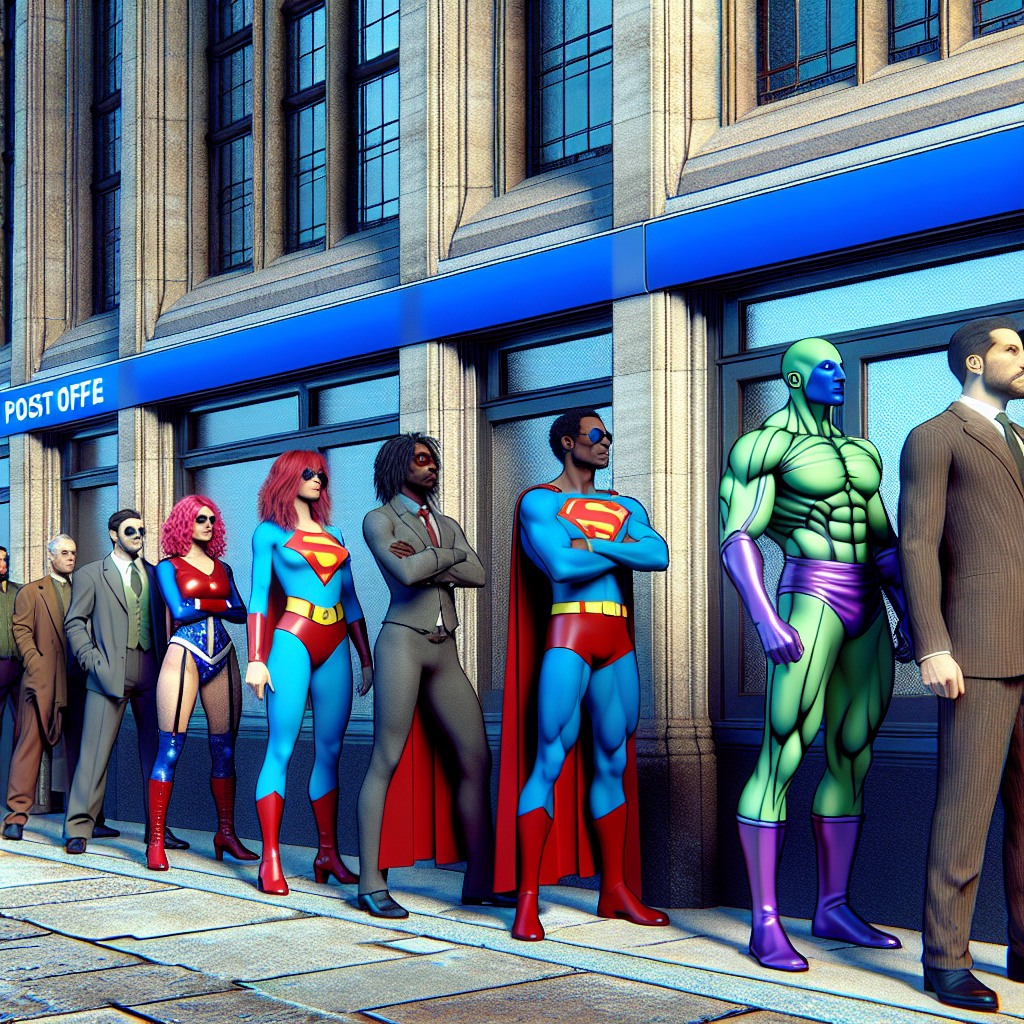
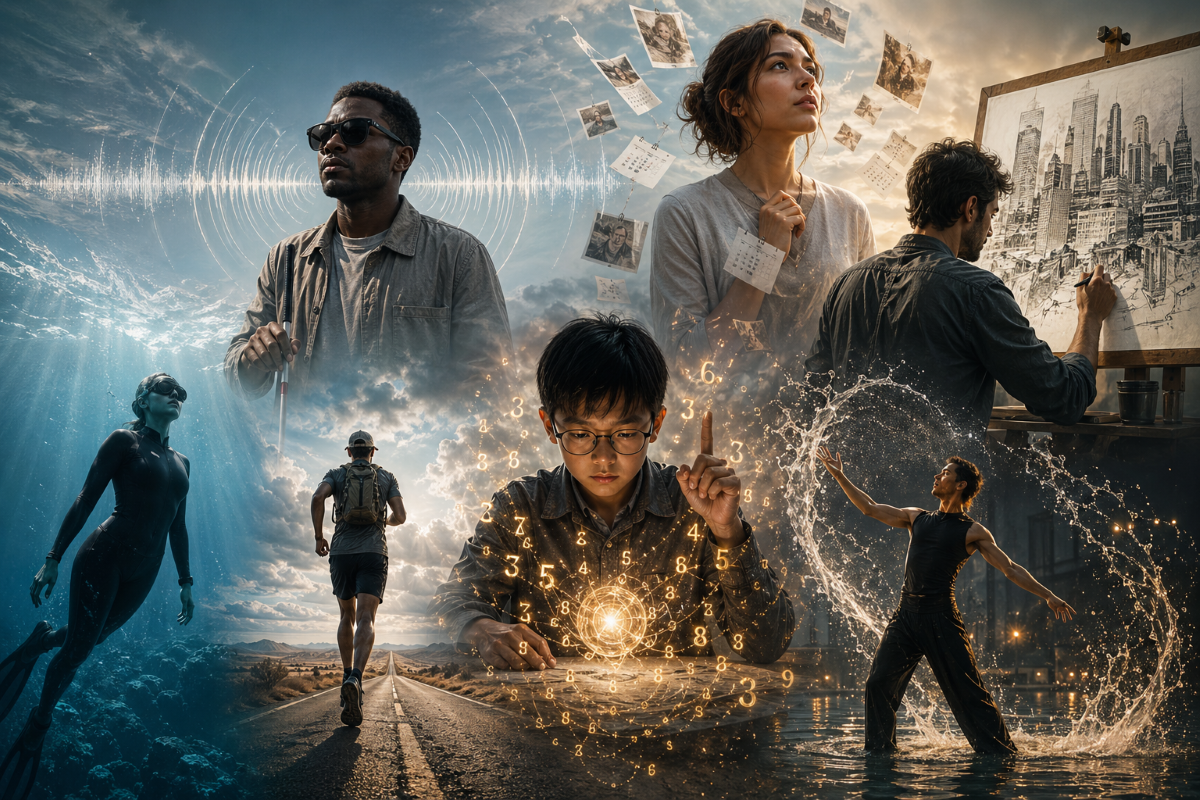
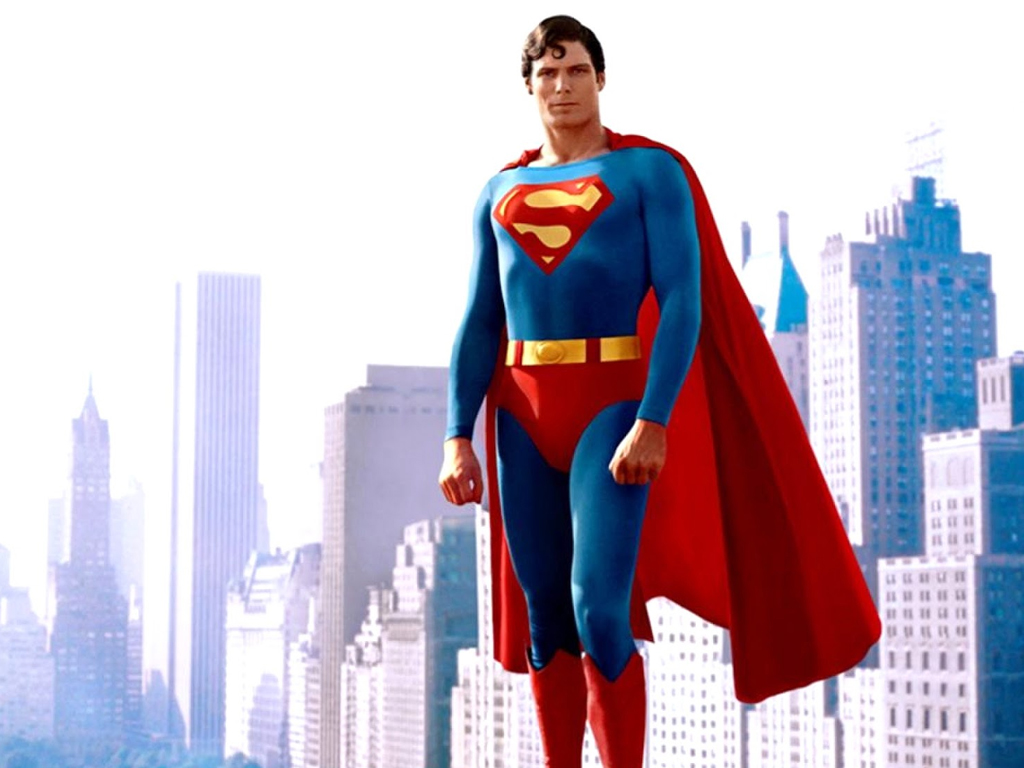
Are there real superheroes? While you will not find individuals flying through the clouds or deflecting bullets with indestructible wristbands, real-world superheroes do exist in the forms of everyday altruists, specialized first responders, pioneering scientists, and organized groups of real-life vigilantes who dedicate their lives to protecting and serving others without supernatural aid.
The concept of the superhero has captured the human imagination for nearly a century. From the debut of Superman in 1938 to the multi-billion-dollar cinematic universes of the twenty-first century, popular culture has constantly returned to the archetype of an extraordinary individual standing between humanity and catastrophe. Yet, as audiences grow older, a compelling question emerges: Are there real superheroes? The answer requires a careful separation of comic book fantasy from the tangible ways humans manifest extraordinary courage, self-sacrifice, and physical prowess. By examining history, sociology, psychology, and modern real-world movements, it becomes clear that while superpowers are scientifically impossible, the spirit and function of the superhero are alive and well in our society.
The Myth vs. Reality of Superpowers
To understand whether real superheroes exist, one must first dismantle the definition provided by pop culture. Traditional comic book superheroes rely on physics-defying abilities: flight, superhuman strength, telepathy, rapid cellular regeneration, and invulnerability. From the perspective of modern physics and human biology, these traits violate the laws of thermodynamics, cellular limits, and biomechanics.
Human bone density can only support a certain amount of physical load before fracturing. Muscles can only contract based on the chemical energy available in adenosine triphosphate, and the human brain operates within strict thermal and metabolic constraints. Therefore, individuals who possess comic-book-style superpowers do not exist outside of fiction.
However, looking at superheroes solely through the lens of physical impossibility misses the deeper symbolic meaning of the archetype. In mythology and folklore, heroes were never defined entirely by their physical might; they were defined by their moral compass, their willingness to confront overwhelming danger, and their commitment to a collective greater good. When viewed through this psychological and sociological lens, the boundary between fiction and reality begins to blur.
Real-Life Heroes: First Responders and Frontline Workers
If a superhero is defined as someone who consistently puts their life on the line to save strangers from peril, then modern society features thousands of real-life superheroes operating every single day. Firefighters, paramedics, search-and-rescue personnel, and disaster relief workers embody the core utilitarian function of the comic book hero.
Consider the daily work of urban search and rescue teams deployed after earthquakes or structural collapses. Equipped with heavy thermal imaging equipment, acoustic listening devices, and hydraulic breakers, these professionals tunnel through unstable rubble to extract survivors. Their training requires immense physical endurance, psychological resilience, and specialized technical skill—attributes that mirror the rigorous training regimens of fictional characters like Batman or Iron Man, albeit grounded in professional methodology rather than multi-billion-dollar gadgets.
| Archetype | Fictional Trait | Real-World Equivalent | Function & Method |
|---|---|---|---|
| The Vigilante | Extra-legal crimefighting | Community patrol groups | Monitoring neighborhoods and assisting stranded motorists |
| The Tech Genius | Advanced armor and gadgets | Biomedical engineers and inventors | Developing prosthetics and assistive technologies |
| The Rescuer | Superhuman durability and speed | First responders and paramedics | Extracting victims from fires, accidents, and disasters |
| The Altruist | Unconditional self-sacrifice | Humanitarian aid workers and altruistic donors | Providing food, medicine, and organs to strangers |
The Real-Hero Movement: Costumed Altruism and Community Defense
Beyond institutional first responders, a fascinating sociological phenomenon emerged at the turn of the twenty-first century: the Real-Life Superhero (RLSH) movement. Comprising thousands of individuals globally, the RLSH community consists of ordinary citizens who adopt alter egos, wear costumes or tactical gear, and engage in community service, activism, and low-level neighborhood patrols.
Organizations and independent operators within the RLSH community typically focus on three distinct areas:
- Direct Humanitarian Aid: Distributing food, bottled water, winter clothing, and hygiene kits to unhoused populations in major metropolitan areas.
- Community Safety and Visibility: Acting as visual deterrents to crime by patrolling dark urban zones, assisting stranded motorists, and reporting suspicious or dangerous activities to local law enforcement.
- Youth Mentorship and Charity: Participating in hospital visits, anti-bullying workshops, and charity fundraisers to inspire children through the positive imagery associated with the superhero aesthetic.
While some critics view costumed vigilantes with skepticism, criminologists and sociologists note that the vast majority of active RLSH participants operate strictly within legal boundaries. They act as enhanced neighborhood watch programs, community organizers, and outreach workers who leverage the striking visual appeal of a costume to draw positive attention to neglected social issues.
Extraordinary Human Achievement: Science, Endurance, and Willpower
Another angle through which to examine real-world superheroes is the absolute limit of human physiological and intellectual achievement. Throughout history, individuals have accomplished feats that once seemed purely mythical, driven by relentless training, genetic fortune, and psychological fortitude.
Physical Extremes
Consider endurance athletes who run ultramarathons across Death Valley or free-divers who descend hundreds of feet below the ocean surface on a single breath, adapting their heart rates and oxygen consumption in ways medical science continues to study. Climbers scale vertical rock faces like El Capitan without ropes, displaying grip strength and spatial awareness that defies ordinary human experience. These athletes do not possess superpowers, but their mastery over fear, pain, and physical fatigue invokes the spirit of peak human characters found in comic books.
Intellectual and Technological Pioneers
In the realm of intellect, individuals like Alan Turing, Marie Curie, and modern computational scientists have reshaped global civilization. Their breakthroughs in decryption, radiation physics, and artificial intelligence protect billions of lives from disease, warfare, and systemic failure. In terms of global impact, a scientist developing a vaccine or designing clean energy infrastructure saves exponentially more lives than any fictional caped crusader ever could.
Altruism as a Superpower: The Science of Extreme Selflessness
Psychologists who study extreme altruism often ask why certain individuals risk their lives for complete strangers when evolutionary biology suggests survival-driven selfishness should prevail. Research into "extraordinary altruists"—such as individuals who donate a kidney to a stranger or risk their lives to pull someone from a burning vehicle—reveals unique neurological characteristics.
Brain imaging studies conducted on kidney donors have shown that their amygdala—the brain region responsible for processing fear and recognizing emotional expressions in others—reacts more intensely to fearful faces than the average person's brain does. In essence, these real-world heroes are biologically wired to be hyper-sensitive to the distress of others, compelling them to act before conscious calculation can override their empathy. This innate drive to protect and heal mirrors the foundational moral mandate of nearly every legendary superhero.
Common Misconceptions About Real-Life Superheroes
When discussing real-world heroism, several myths and misunderstandings frequently arise in public discourse:
- Vigilantism is legally and morally encouraged: In reality, modern legal systems strictly prohibit unauthorized law enforcement or vigilantism. True real-world heroes operate within the law, prioritizing community support, peaceful intervention, and cooperation with civil authorities.
- Heroes must wear capes and masks: The vast majority of people who save lives or change the world do so anonymously and in standard professional attire, ranging from laboratory coats to high-visibility vests.
- Heroism requires superhuman bravery: Sociological studies on heroism demonstrate that real heroes often experience intense fear. True courage is not the absence of fear, but the decision to act constructively despite being afraid.
Frequently Asked Questions
Are there real-life organizations for superheroes?
Yes. The Real-Life Superhero (RLSH) community features organized groups and independent actors worldwide who network online, coordinate charity drives, and occasionally conduct localized neighborhood patrols. Prominent examples include groups like the Phoenix Jones-led initiatives in the past or various humanitarian collectives that operate under pseudonyms to protect their privacy.
Can an ordinary person become a hero?
Absolutely. Heroism in the real world is rarely about fighting supervillains; it is about intervening during moments of crisis, standing up against injustice, or dedicating time to community service. Simple acts—such as administering CPR, donating blood, volunteering at a shelter, or reporting abuse—are the foundation of real-world heroism.
Why do people dress up as superheroes to help others?
Costumes serve practical and psychological purposes within the RLSH community. Visually, a distinctive outfit attracts attention to charitable causes, lowers the guard of children or vulnerable populations in stressful environments, and provides a psychological boundary that separates the individual's private life from their public civic work.
Is vigilantism legal?
No. Engaging in physical combat, detaining citizens without legal authority, or acting as unauthorized law enforcement is illegal and dangerous. Law enforcement agencies consistently warn against vigilante justice, emphasizing that real-world safety is best maintained by trained professionals and community cooperation.
Conclusion and Next Actions
While comic book superheroes remain confined to the pages of graphic novels and the screens of cinema, real-world superheroes are very real. They wear the uniforms of firefighters, doctors, search-and-rescue technicians, humanitarian workers, and everyday citizens who choose empathy over apathy. If you want to channel the spirit of a superhero in your own life, start by identifying a tangible need in your local community. Enroll in a certified CPR and first aid course, volunteer at a local food bank, support disaster relief funds, or simply look out for vulnerable neighbors. True heroism does not require a radioactive spider or a distant alien home world; it requires only the conscious decision to make the world safer and kinder for those around you.