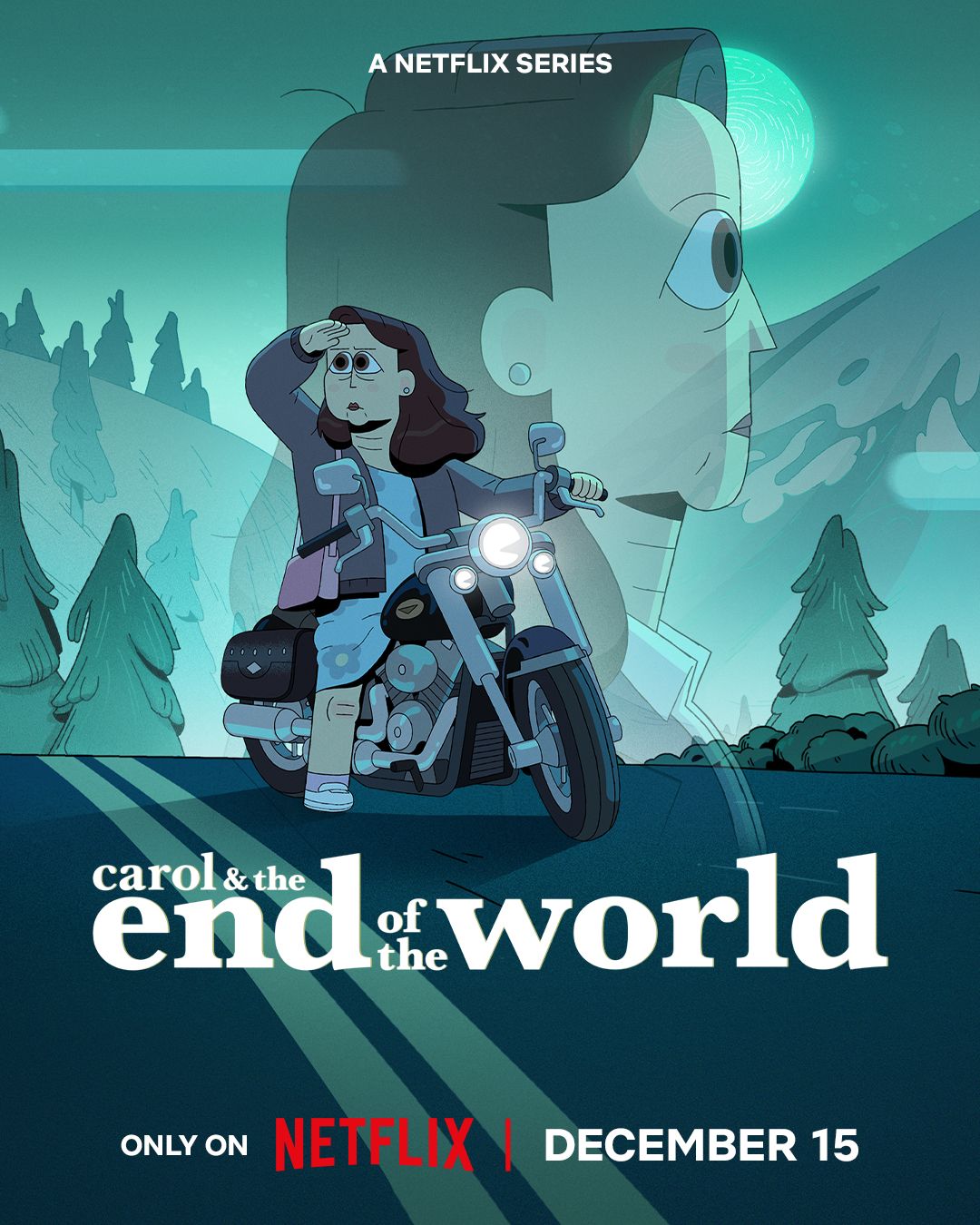
In apocalyptic storytelling, a confession before the end of the world serves as the ultimate act of emotional catharsis, stripping away social facades when the future is eradicated. This narrative device allows characters to resolve internal conflicts and reclaim their humanity, ensuring that truth becomes the final currency in a world where physical survival is no longer possible.
The Psychological Mechanics of the Final Disclosure
The concept of "confessing before the end" is deeply rooted in the human psychological need for closure. In a standard social environment, individuals withhold truths—be they expressions of love, admissions of guilt, or revelations of identity—to protect their future interests. We fear the consequences of our honesty: rejection, legal punishment, or social ostracization. However, when the "tomorrow" that houses those consequences is removed, the cost-benefit analysis of silence shifts dramatically.
In the context of 2026's literary and cinematic landscape, we see a continued fascination with this pivot point. The psychological shift occurs when a character moves from the "survival phase" to the "acceptance phase." Once the realization hits that no amount of preparation can avert the impending disaster (whether it be an asteroid, nuclear fallout, or a biological collapse), the internal pressure to be "known" outweighs the instinct to be "safe." This is what psychologists often refer to as the "Honesty of the Terminal State," where the ego's defenses drop because there is no longer a reputation to maintain.
The Removal of the Social Contract
The social contract relies on the expectation of future interactions. We are polite, honest (mostly), and law-abiding because we expect to live in a society tomorrow. When a story depicts the end of the world, it depicts the absolute dissolution of this contract. A confession in this space is a rejection of the void. By telling the truth, the character asserts that their life had meaning, even if that meaning is only realized in the final seconds of existence.
Archetypes of Apocalyptic Confessions
Not all end-of-the-world confessions are created equal. They generally fall into three distinct narrative categories, each serving a different purpose for the character's arc and the audience's emotional journey.
1. The Romantic Revelation
This is perhaps the most common trope. Two characters, often having spent the entire story in a state of "will-they-won't-they" tension, finally admit their feelings as the horizon glows with destruction. From a technical storytelling perspective, this provides the audience with a bittersweet resolution. It validates the emotional investment the reader has made in the characters, even if the physical survival of those characters is denied. It suggests that love is the only thing that survives the end of everything else.
2. The Moral Unburdening
These confessions are darker and more complex. They involve a character admitting to a past crime, a betrayal, or a secret that has haunted them. In a world that is ending, there is no court of law to judge them, and no prison to hold them. The confession is entirely for the sake of the speaker's soul (or psychological peace). It is an attempt to "die clean." These scenes often explore the theme of whether forgiveness is possible—or even necessary—when the person being asked to forgive is also about to perish.
3. The Identity Disclosure
In stories involving hidden identities (such as a character who is actually an android, a spy, or someone living under an alias), the end of the world provides the only safe time to reveal the truth. This type of confession often recontextualizes the character's previous actions, forcing the other characters (and the audience) to look at the entire story through a new lens just before the curtain falls.
Narrative Functions in Popular Media
To understand the weight of this trope, we must examine how it has been executed in influential works. These stories use the "confession" not just as a scene, but as a structural pillar that defines the work's philosophical stance.
| Work Title | Type of Apocalypse | Nature of Confession | Narrative Impact |
|---|---|---|---|
| Seeking a Friend for the End of the World | Asteroid Impact | Romantic/Personal | Provides a sense of "home" and belonging in the face of nihilism. |
| Melancholia | Planetary Collision | Existential/Family | Highlights the relief found in the truth of depression versus the lies of "normalcy." |
| Miracle Mile | Nuclear War | Romantic/Panic-driven | Drives a frantic search for connection amidst chaos. |
| The Last of Us (Series) | Fungal Pandemic | Moral/Ethical | Examines the weight of "the lie" told to preserve a relationship. |
| On the Beach | Nuclear Radiation | Resignation/Regret | Focuses on the dignity of admitting one's past shortcomings before the end. |
Case Study: The "False" Apocalypse Confession
A fascinating variation of this story is the "False Apocalypse." This occurs when characters believe the world is ending and confess their deepest, most potentially ruinous secrets, only for the world not to end. This subverts the trope by reintroducing the consequences that the characters thought they had escaped. This narrative turn is often used in dark comedies or psychological thrillers to explore the fragility of trust and the dangers of total honesty.
The Philosophical Conflict: Nihilism vs. Existentialism
A story about confessing before the end of the world is essentially a battle between two philosophical frameworks.
Nihilism argues that because the world is ending and everyone will die, nothing said matters. The confession is a waste of breath because there will be no one left to remember it. In a nihilistic ending, confessions are often portrayed as pathetic or meaningless—screams into a void that doesn't care.
Existentialism, conversely, suggests that the act of confessing is the most meaningful thing a character can do. Because there is no "after," the "now" becomes infinitely valuable. The act of choosing to be honest in the final moment is a way for the character to define their own essence. They are essentially saying, "The world may end, but I am the person who told the truth."
Writers who want to imbue their stories with depth often lean into the existentialist view. It provides the "triumph" in a tragedy. The world is lost, but the character's integrity (or their heart) is found.
Technical Guidance for Writing a Confession Scene
If you are crafting a story centered on this theme, the execution of the confession requires careful handling of pacing and subtext. In 2026, audiences are highly attuned to tropes, so the "standard" confession often needs a unique angle to remain impactful.
Establishing the "Point of No Return"
The confession only works if the character (and the reader) truly believes there is no escape. If there is a 1% chance of survival, a rational character might still hesitate. The writer must establish the "Eschaton"—the finality of the event—to justify the sudden shift in character behavior. This is often done through "The News Report," "The Unstoppable Countdown," or "The Visual Confirmation" (e.g., seeing the mushroom cloud on the horizon).
The Weight of Silence
Sometimes, the most powerful confession is the one that isn't made. A character may decide that telling the truth would only hurt the person they love in their final moments. Choosing to keep a secret to protect someone's peace as they die is a profound act of sacrifice. This "noble silence" is a powerful alternative to the traditional confession.
Sensory Details and Grounding
Because the "end of the world" is a massive, abstract concept, the confession scene must be intensely small and specific. Focus on the smell of the air, the sound of a ticking clock, or the texture of a hand being held. By grounding the cosmic scale of the apocalypse in a minute, human interaction, you magnify the emotional weight of the words being spoken.
Common Pitfalls to Avoid
- The "Information Dump": Do not use the end of the world as an excuse to explain complex plot points that you failed to establish earlier. The confession should be about emotion and character, not mechanics.
- Melodrama Over Emotion: Avoid overly flowery language. In real moments of extreme stress or finality, people tend to be direct. "I love you" is almost always more powerful than a three-page monologue about the stars.
- Ignoring the Listener: A confession involves two people. The reaction of the person hearing the news is just as important as the person delivering it. Do they feel betrayed? Relieved? Indifferent?
The Role of Technology in Modern Confessions
In the 2020s and into 2026, the medium of the confession has changed. In contemporary apocalyptic fiction, characters often confess via digital means—unsent text messages, recorded videos, or social media posts that they know will never be "liked" or "shared."
This adds a layer of "Digital Ghosting" to the narrative. The confession is no longer a physical exchange but a data packet sent into a failing network. This reflects our modern anxiety about the permanence and fragility of our digital identities. A character recording a video on their phone as the world ends is an attempt to leave a "black box" for any potential future—even if that future is unlikely.
Frequently Asked Questions
Why is the "confession before the end of the world" such a popular trope?
It is popular because it provides an immediate solution to "stalled" character arcs. It forces characters to bypass their inhibitions and reach a resolution that might otherwise take years of development, providing a concentrated burst of emotional honesty that resonates with audiences.
Does the confession have to be a positive revelation?
No. Some of the most memorable confessions are admissions of failure or malice. These "dark" confessions highlight the complexity of human nature, showing that even at the end, humans are capable of spite, regret, and the need to inflict pain through the truth.
What is the difference between a confession and a "final words" scene?
A confession specifically involves revealing something previously hidden (a secret, a feeling, a crime). Final words are simply the last things a person says. A confession carries the weight of a revealed truth, whereas final words might just be a farewell.
How does the specific type of apocalypse affect the confession?
The timing is key. A "slow" apocalypse (like climate collapse) leads to long, drawn-out, philosophical confessions. A "fast" apocalypse (like a nuclear strike) leads to frantic, desperate, and often fragmented confessions. The "how" of the world's end dictates the "how" of the character's honesty.
Can a confession happen after the world has already ended?
In "post-apocalyptic" stories, confessions often happen through journals, recordings, or to the "ghosts" of those who were lost. These function as a way for the survivor to process their trauma and guilt, even when there is no one left to hear them.
Final Recommendations for Readers and Writers
When engaging with stories about confessing before the end of the world, focus on the intentionality of the character. The most effective stories are those where the confession is a deliberate choice—a final act of agency in a world that has taken everything else away.
For writers, consider the "aftermath of the truth" even if the world is ending. The confession should change the dynamic of the final scene, making the characters' end fundamentally different than it would have been had they stayed silent. For readers, look for the subtext: what is the story saying about the value of truth when it no longer has "utility"? The answer to that question is usually the heart of the narrative.