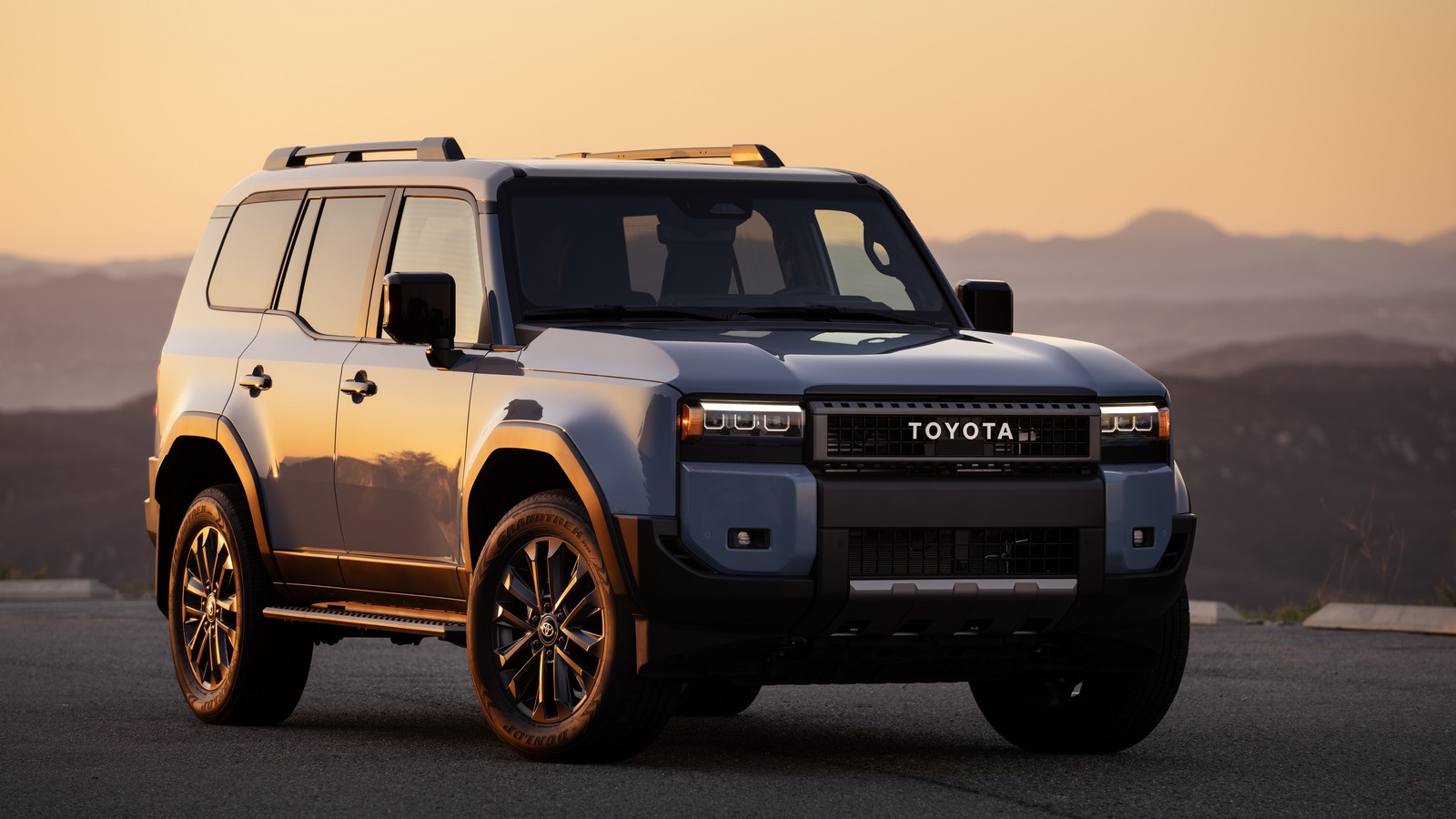
Toyota currently offers a diverse lineup of sport utility vehicles (SUVs) categorized by their physical footprint, passenger capacity, and intended utility. The range spans from agile subcompact crossovers designed for urban environments to massive body-on-frame haulers engineered for towing and off-road exploration. Understanding the specific dimensions and segment classification of these vehicles is essential for selecting the model that best aligns with your space requirements, parking constraints, and lifestyle needs.
Categorizing the Toyota SUV Lineup
Toyota classifies its SUV offerings into distinct segments primarily based on wheelbase length, total vehicle width, and seating configuration. While the lines between segments have blurred due to modern unibody architecture, the industry standard divides these vehicles into subcompact, compact, mid-size, and full-size categories.
The subcompact segment serves as the entry point, offering high efficiency and maneuverability. Moving up, the compact segment has historically been the "sweet spot" for many drivers, balancing cargo volume with garage-friendly exterior dimensions. Mid-size SUVs represent the most versatile portion of the market, offering both two-row luxury-oriented builds and three-row family haulers. Finally, the full-size segment utilizes truck-based platforms to provide maximum power, durability, and interior volume.
Subcompact Crossovers: The Urban Specialists
Subcompact SUVs are built on platforms shared with smaller sedans. These vehicles prioritize fuel economy and the ability to navigate dense city traffic over maximum cargo capacity.
- Toyota Corolla Cross: Positioned as an accessible entry into the SUV market, the Corolla Cross sits between the traditional passenger car and larger SUVs. Its footprint is modest, making it ideal for tight parallel parking, yet it retains a raised ride height that provides the visibility drivers expect from a crossover.
- Toyota C-HR (Legacy/Historical Context): While no longer part of the primary 2026 new vehicle lineup in many markets, the C-HR historically served as the brand's style-focused subcompact entry. It emphasizes design over utility, with a tapering roofline that limits rear cargo vertical space compared to the more boxy Corolla Cross.
Compact SUVs: The Versatility Benchmark
Compact SUVs remain the most popular category for individual commuters and small families. These vehicles are designed to provide a "Goldilocks" size—large enough to carry a weekend's worth of gear, yet compact enough to remain fuel-efficient during daily commutes.
- Toyota RAV4: This vehicle is the cornerstone of Toyota's SUV lineup. It offers a balanced interior volume that comfortably seats five adults and provides significant luggage capacity. The RAV4 is categorized as a compact SUV, but it is often at the upper limit of the segment, bordering on mid-size dimensions in terms of interior passenger comfort.
- Toyota RAV4 Prime: Sharing the same chassis and exterior dimensions as the standard RAV4, the Prime adds a plug-in hybrid drivetrain. The external size remains consistent, ensuring that owners do not sacrifice garage space for the increased electric range and power.
Mid-Size SUVs: Balancing Utility and Capacity
Mid-size SUVs represent a broad spectrum, ranging from two-row adventure vehicles to family-centric three-row transporters. This segment requires a higher degree of consideration regarding exterior footprint, as the added length and width of these vehicles can impact maneuverability in older parking structures.
- Toyota Venza: Often viewed as a bridge between the compact RAV4 and the larger Highlander, the Venza utilizes a sophisticated unibody platform. It is strictly a two-row vehicle, prioritizing high-end interior materials and ride comfort over maximum cargo volume.
- Toyota Highlander: This is a quintessential three-row mid-size SUV. It is significantly longer than the RAV4, allowing for a third row of seating. While the third row is often best suited for children, the overall vehicle width and length provide a substantial increase in cargo capacity when the rear seats are folded down.
- Toyota Grand Highlander: As the name suggests, the Grand Highlander expands upon the standard Highlander platform. It features an extended wheelbase that results in a more usable third row and increased cargo space behind the rear seats, effectively positioning it as a "large" mid-size vehicle.
- Toyota 4Runner: Built on a rugged body-on-frame chassis, the 4Runner is a mid-size SUV designed for off-road capability. Unlike the unibody Highlander, the 4Runner's dimensions are optimized for approach and departure angles, meaning it is often taller and more robust than its road-focused counterparts.
- Toyota Land Cruiser (250 Series): Reintroduced to the North American market, the current Land Cruiser is a mid-size, off-road-focused vehicle. Its dimensions are strictly tailored to technical trail performance, offering a narrower width than the full-size Sequoia, which aids in navigating tight forest tracks.
Full-Size SUVs: Maximum Scale and Capability
Full-size SUVs are built for maximum utility, whether that involves towing a boat, hauling large amounts of cargo, or accommodating families on long-distance road trips. These vehicles are the largest in the Toyota fleet and require the most parking space.
- Toyota Sequoia: The Sequoia is a behemoth in terms of exterior dimensions. Sharing its platform with the Tundra truck, it features a heavy-duty chassis and a wider track. The interior provides three full rows of seating that can accommodate adults, and the exterior length requires significant clearance for garage parking. It is the definitive choice for those who do not wish to compromise on power or interior volume.
Comparison Table: Toyota SUV Dimensions and Intent
The following table summarizes the primary intended use and relative sizing of current Toyota SUV models.
| Model | Category | Seating | Primary Intent |
|---|---|---|---|
| Corolla Cross | Subcompact | 5 | Urban commuting, fuel efficiency |
| RAV4 | Compact | 5 | Daily driving, versatility |
| Venza | Mid-size | 5 | Premium comfort, road commuting |
| 4Runner | Mid-size | 5-7 | Off-road, durability |
| Land Cruiser | Mid-size | 5 | Off-road exploration, heritage |
| Highlander | Mid-size | 7-8 | Family transport |
| Grand Highlander | Mid-size (Large) | 7-8 | Max passenger comfort |
| Sequoia | Full-size | 7-8 | Towing, maximum cargo/utility |
Factors to Consider When Choosing by Size
When selecting an SUV based on size, it is easy to default to "bigger is better," but this strategy often ignores the logistical realities of ownership.
Garage and Parking Constraints
Before purchasing a larger vehicle like the Sequoia or Grand Highlander, verify your garage length. Many modern large SUVs exceed 200 inches in total length. Additionally, consider the width. When parked, you must have enough room to fully open the doors. If your garage is narrow, a larger SUV may make egress difficult even if the vehicle technically fits inside the space.
Passenger vs. Cargo Prioritization
Think critically about the "third row" necessity. If you only need a third row once or twice a year, opting for a smaller vehicle and utilizing a roof box for luggage may be more cost-effective and fuel-efficient for the other 363 days of the year. Conversely, if your primary goal is hauling children or carpools, the dedicated third-row legroom provided by the Grand Highlander or Sequoia is a necessity rather than a luxury.
Maneuverability and Sightlines
Larger vehicles provide a commanding view of the road, but they also have larger blind spots. If you frequently navigate tight city streets or older, smaller parking garages, the added length of a full-size SUV can turn a simple errand into a stressful event. Subcompact and compact SUVs offer a tighter turning radius, which is a significant practical advantage in urban settings.
Towing and Mechanical Requirements
Size often dictates structural capability. If you require a vehicle to tow a travel trailer, the body-on-frame construction found in the Sequoia or the 4Runner is typically superior to the unibody construction of the RAV4 or Highlander. While unibody SUVs can tow, they generally have lower weight limits and less robust cooling systems designed for heavy, sustained strain.
Frequently Asked Questions
What is the smallest Toyota SUV available?
The Toyota Corolla Cross is the smallest SUV currently in the lineup. It is designed to offer the utility of an SUV with the footprint and efficiency of a compact car, making it the most agile option for city drivers.
Which Toyota SUV has the most interior space?
The Toyota Sequoia provides the most interior space. Because it is built on a full-size truck platform, it is both the longest and widest vehicle in the lineup, offering the most cargo capacity and the most spacious third-row seating.
Does "Mid-size" mean the same thing for all Toyota models?
No. In the Toyota lineup, "mid-size" is a broad term. For example, a Venza is a mid-size vehicle meant for the road, while a 4Runner is a mid-size vehicle built for off-road durability. Their dimensions differ to accommodate their specific missions, despite being classified in the same general bracket.
Can I fit a car seat in a subcompact Toyota SUV?
Yes, you can fit a car seat in a Corolla Cross or a RAV4. However, you should bring your specific car seat to the dealership to test the installation. Rear-facing car seats, in particular, can take up a significant amount of depth, which may require moving the front passenger seat forward significantly in smaller vehicles.
Is the Grand Highlander significantly larger than the Highlander?
Yes, the Grand Highlander is built on an extended version of the Highlander platform. The primary difference is in the wheelbase and the rear roofline, which result in noticeably more legroom for third-row passengers and increased cargo capacity behind the third row when it is in use.
Recommendation for Next Action
To determine which Toyota SUV best fits your life, identify your "daily mission." If you rarely carry more than one passenger and park in a congested city, visit a local dealership to test drive the Corolla Cross or RAV4. If you have a family of four or more, or if you tow equipment, prioritize a visit to test the seating comfort and trunk space of the Highlander or Sequoia. Always measure your home garage length and compare it against the specifications of your top two choices before making a final commitment.