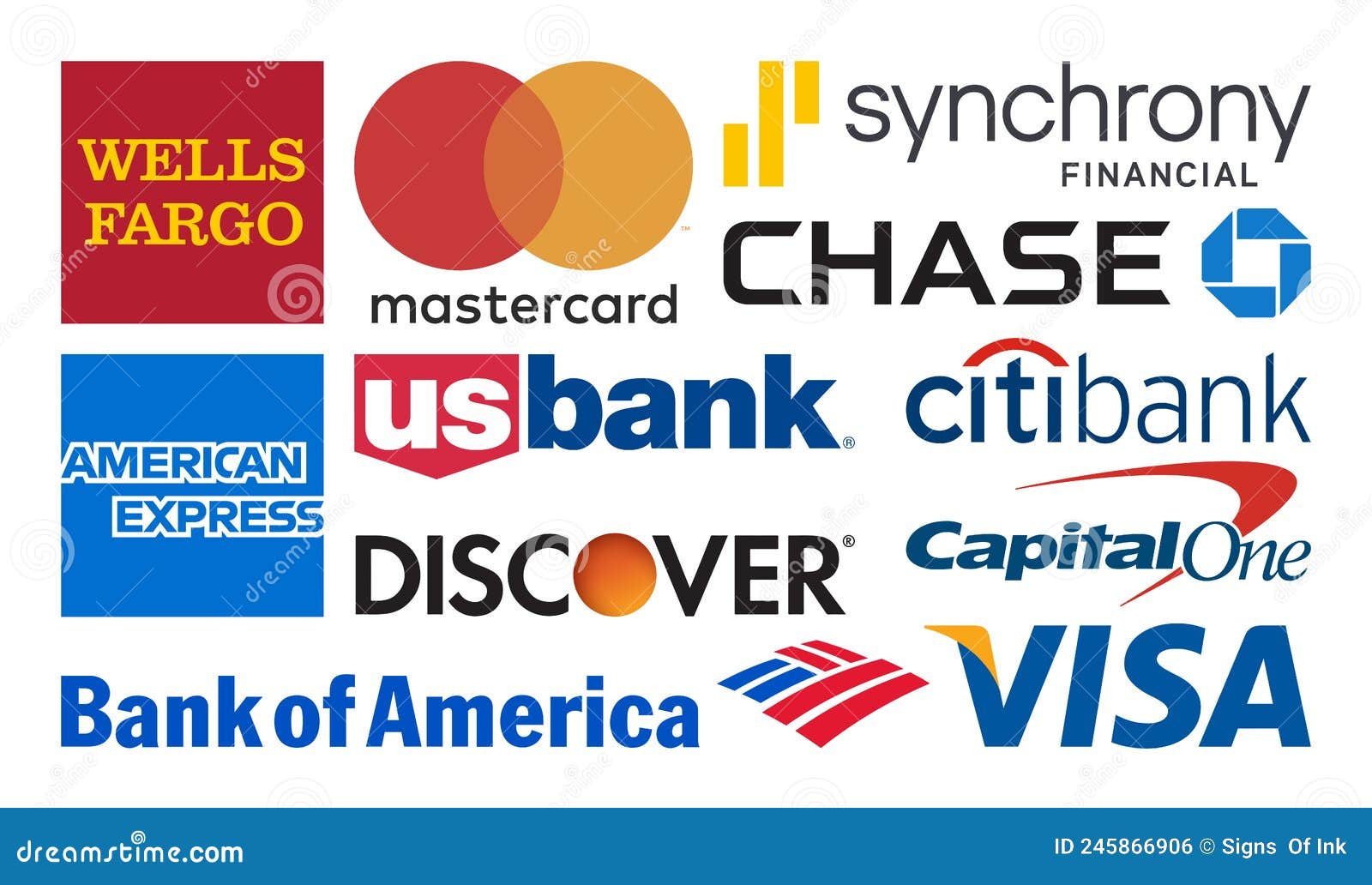
To understand the landscape of credit card companies in 2026, it is essential to distinguish between the networks that process transactions and the issuers that provide the actual lines of credit. While there are thousands of small banks and credit unions issuing cards, the market is dominated by four major payment networks and approximately ten primary financial institutions that handle the vast majority of consumer and business accounts.
Understanding the Two Types of Credit Card Companies
Before diving into specific names, we must clarify the fundamental distinction in the industry: Payment Networks versus Card Issuers. Many consumers use these terms interchangeably, but they perform entirely different roles in a transaction.
Payment Networks
A payment network is the technical infrastructure that allows a transaction to happen. When you swipe or tap your card, the network facilitates communication between the merchant and the bank. They set the rules for how transactions are processed and determine where the card is accepted globally. In the United States, there are four primary networks: Visa, Mastercard, American Express, and Discover.
Card Issuers
A card issuer is the financial institution—usually a bank or credit union—that lends you the money. The issuer approves your application, sets your credit limit, determines your interest rate (APR), and provides the rewards program. For example, if you have a "Chase Sapphire Preferred" card, JPMorgan Chase is the issuer, while Visa is the network.
Some companies, specifically American Express and Discover, act as both the network and the issuer. This is known as a "closed-loop" or "three-party" model, although they have both expanded to allow other banks to issue cards on their networks in recent years.
The Major Credit Card Payment Networks
As of 2026, the global payment landscape remains highly concentrated. These companies do not typically extend credit themselves (with the exception of Amex and Discover); rather, they provide the "rails" upon which financial data travels.
- Visa: The world's largest payment network. Visa does not issue cards directly to consumers. Instead, it partners with thousands of financial institutions to offer Visa-branded credit, debit, and prepaid products.
- Mastercard: The primary competitor to Visa. Like Visa, Mastercard is a pure-play network that focuses on technology and processing rather than lending. It is accepted at millions of locations worldwide.
- American Express (Amex): Amex operates a "closed-loop" network where it serves as both the issuer and the processor for most of its cards. In 2026, Amex continues to be associated with premium travel rewards and high-spend consumers.
- Discover: Originally a domestic U.S. network, Discover has expanded globally through its Global Network and partnerships (such as with UnionPay in China and JCB in Japan). Like Amex, it primarily issues its own cards.
Top Tier Credit Card Issuers (The Big Banks)
While there are over 4,000 banks and credit unions in the U.S. that issue credit cards, a small group of "mega-banks" controls the majority of the market share. These institutions offer the most diverse range of products, from entry-level "starter" cards to high-end luxury cards.
1. JPMorgan Chase
Chase is currently the largest credit card issuer in the United States by outstanding purchase volume. Their "Ultimate Rewards" ecosystem is widely considered the industry standard for flexibility. They issue cards on both the Visa and Mastercard networks.
2. American Express
Because American Express issues its own cards, it ranks as one of the largest issuers by default. Its business model focuses heavily on annual fees and "spend-centric" revenue rather than just interest income, making it a favorite for corporate and high-net-worth individuals.
3. Citibank (Citi)
Citi is a massive global player with a strong focus on "value" and "cash back" through its Double Cash and Custom Cash products. They also maintain a significant partnership with American Airlines and various retail brands.
4. Capital One
Capital One has successfully transitioned from a subprime-focused lender to a major competitor in the premium travel space. Its Venture and Savor series are major players in the 2026 market, known for straightforward reward structures and no foreign transaction fees.
5. Bank of America
Bank of America leverages its massive retail banking footprint to cross-sell credit cards. Their "Preferred Rewards" program incentivizes customers to keep their savings and investments with the bank in exchange for higher credit card reward multipliers.
6. Wells Fargo
After a period of restructuring, Wells Fargo has revitalized its credit card lineup in recent years. Their "Choice" and "Autograph" series provide competitive alternatives to the more established travel cards from Chase and Amex.
7. Discover Bank
As an issuer, Discover is renowned for its customer service and "Cashback Match" features for new cardholders. They remain a popular choice for students and those looking to build credit history.
8. U.S. Bank
U.S. Bank is a significant regional and national player, often cited for its niche high-value cards like the Altitude Reserve. They also manage several major co-branded partnerships, including those in the airline and retail sectors.
9. Barclays (U.S. Branch)
Though a British bank, Barclays has a massive presence in the U.S. primarily through co-branded partnerships. They are the primary issuer for several airlines (such as JetBlue and Hawaiian) and various major travel brands.
Retail and Co-branded Card Issuers
Many of the cards in your wallet that have a store name on them (like Amazon, Costco, or Target) are actually managed by specialized banks. These issuers handle "private label" credit cards and co-branded cards.
- Synchrony Bank: The largest issuer of private-label credit cards in the U.S. They partner with hundreds of retailers, including Lowe’s, Verizon, and PayPal.
- Bread Financial (formerly Comenity): They specialize in cards for retail brands like Victoria’s Secret, Sephora, and Wayfair. They focus heavily on loyalty programs integrated directly with the merchant.
- Goldman Sachs: While they have scaled back some consumer efforts by 2026, they remain the issuer for the Apple Card, representing a major footprint in the digital-first credit space.
Comparison of Network vs. Issuer Characteristics
The following table highlights the differences in responsibilities between the two types of companies involved in your credit card account.
| Feature | Payment Network (e.g., Visa) | Card Issuer (e.g., Chase) |
|---|---|---|
| Who they are | The processing technology. | The financial institution/bank. |
| Who lends the money? | No. They do not lend money. | Yes. They provide the credit line. |
| Who sets the APR? | No. | Yes. |
| Who manages rewards? | Rarely (sometimes network-wide perks). | Yes. They design the points/cash back. |
| Who handles billing? | No. | Yes. You pay the issuer. |
| Global Acceptance | Determines where you can use the card. | Irrelevant to location acceptance. |
| Fraud Protection | Provides the technical security protocols. | Handles the investigation and reimbursement. |
International Credit Card Companies
While the U.S. market is dominated by the "Big Four" networks, the global landscape in 2026 includes several other massive entities that are vital for international travelers and business owners.
- UnionPay (China): By sheer volume of cards issued, UnionPay is the largest network in the world, primarily due to its dominance in the Chinese market. It is now accepted in over 180 countries.
- JCB (Japan): Formerly Japan Credit Bureau, JCB is a major international payment brand and a leading credit card issuer and acquirer in Japan.
- RuPay (India): A highly successful domestic card scheme in India, which has begun expanding its international footprint through partnerships with Discover and Diners Club.
How to Choose the Right Company
When looking for a new card, you should evaluate the company based on your specific financial goals.
- For Global Travel: Prioritize the Network. Visa and Mastercard have the highest acceptance rates in Europe and Asia. If you choose an Amex or Discover card, you should always carry a Visa/Mastercard backup.
- For Rewards Value: Prioritize the Issuer. Research the rewards ecosystems of Chase, Amex, and Capital One. Look for "transfer partners" if you want to maximize the value of your points for business-class flights or luxury hotels.
- For Building Credit: Look at Discover or Capital One. These issuers have more robust systems for "secured" cards, where you provide a deposit in exchange for a credit line.
- For Customer Service: Check independent rankings. Discover and American Express consistently top the charts for consumer satisfaction and dispute resolution.
Common Pitfalls to Avoid
Even when dealing with reputable major companies, consumers often fall into traps that can cost them thousands of dollars over time.
- Confusing Store Cards with General Cards: "Private label" cards from Synchrony or Bread Financial often only work at that specific store. Ensure you are getting a "co-branded" card (which has a Visa/Mastercard logo) if you want to use it everywhere.
- Ignoring Interest Rates: While the "Issuer" provides the rewards, they also set the interest rate. In 2026, average APRs remain high. If you carry a balance, the specific issuer's interest rate matters far more than the network's perks.
- Overlooking Credit Unions: Don't ignore local or national credit unions (like Navy Federal or PenFed). They often offer lower interest rates and fewer fees than the major "Big Banks" listed above.
Frequently Asked Questions
What is the difference between a credit card network and a credit card issuer? The network (Visa, Mastercard, etc.) provides the technology to process the payment at the merchant. The issuer (Chase, Citi, etc.) is the bank that actually lends you the money, sends you your bill, and manages your rewards program.
How many credit card companies are there in the United States? While there are only four major networks (Visa, Mastercard, Amex, Discover), there are over 4,000 banks and credit unions that act as issuers. However, the top 10 issuers control roughly 85% of the total credit card market.
Is American Express a bank or a network? It is both. American Express is a "closed-loop" network, meaning it processes its own transactions and acts as the bank that lends money to the cardholders. This is why they are often called a "vertically integrated" credit card company.
Which credit card company is the most widely accepted? Visa and Mastercard are virtually tied for the top spot, with acceptance at over 100 million merchant locations worldwide as of 2026. Discover and American Express have smaller footprints, particularly in rural international areas.
What company issues the Amazon Credit Card? As of 2026, the Amazon Prime Visa is issued by JPMorgan Chase. However, Amazon also offers a "Store Card" (not a Visa) that is issued by Synchrony Bank. It is important to know which one you are applying for.
Which issuer is best for people with bad credit? Capital One and Discover are generally the most accessible major issuers for those with limited or damaged credit histories. They offer specific "Starter" or "Secured" card products designed to help consumers rebuild their scores.
Final Recommendation
If you are looking for a new credit card in 2026, start by identifying your primary goal: are you looking for cash back, travel rewards, or a low interest rate? For travel, focus on issuers like Chase or American Express. For simple cash back, Citi or Capital One are excellent choices. Always verify whether the card is a Visa or Mastercard if you plan to use it internationally to ensure the highest possible acceptance rate.