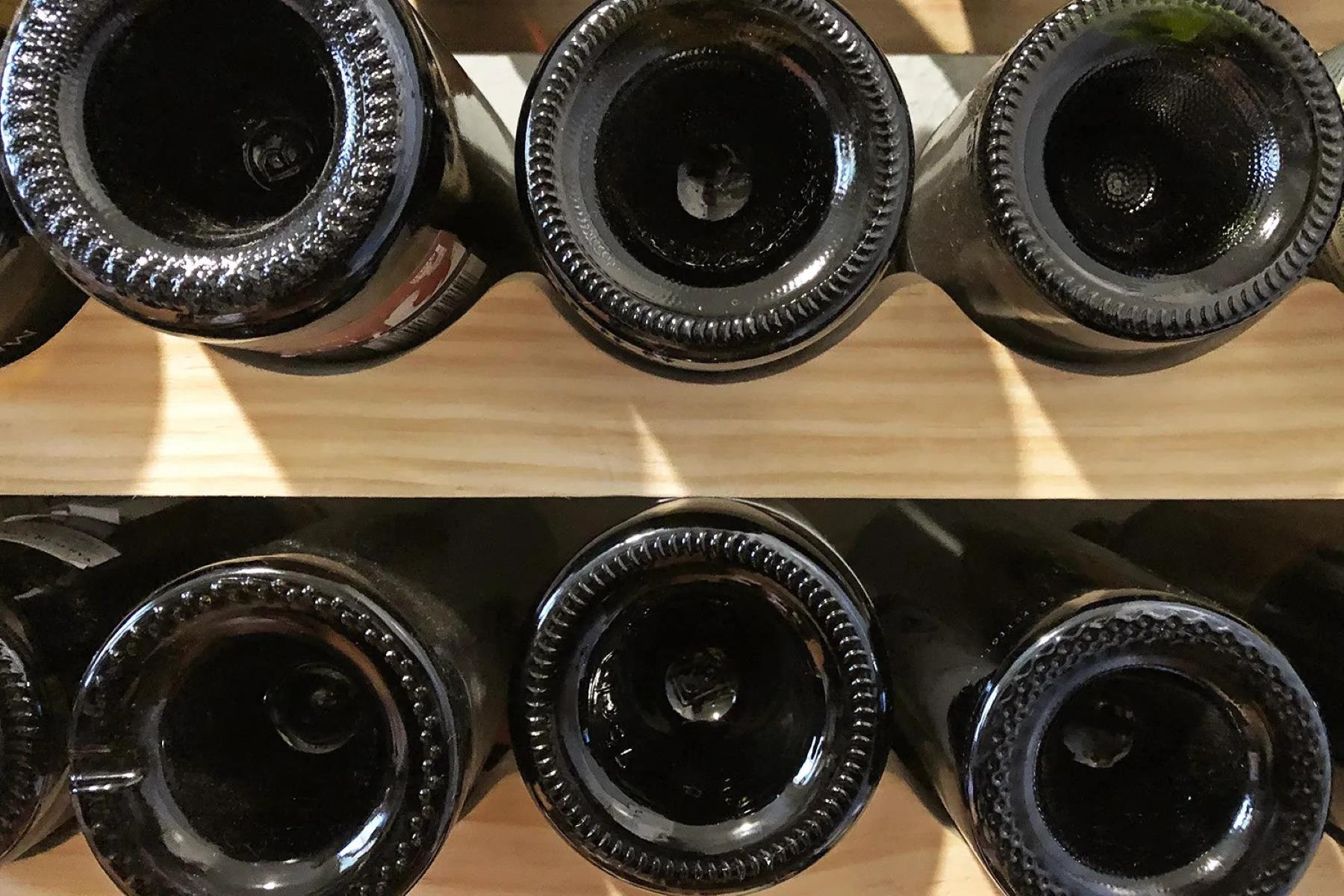
The "hole" or indentation found at the bottom of a wine bottle is technically called a punt. Originally a byproduct of manual glassblowing, the punt serves several modern functions, including structural reinforcement for pressurized sparkling wines, assisting in sediment collection during decanting, and providing a stable grip for pouring. It is not an indicator of wine quality.
The Anatomy of a Wine Bottle: Defining the "Hole"
When someone mentions a hole in a wine bottle, they are almost always referring to the punt—the concave indentation located at the base of the glass. While it may look like a hole from certain angles, it is a deliberate structural feature. However, the term can occasionally refer to other types of openings, such as the microscopic puncture made by a wine preservation system or, more rarely, a manufacturing defect or a DIY modification for home décor.
To understand why wine bottles are shaped this way in 2026, we must look at the intersection of historical necessity, physics, and modern marketing. The punt is one of the most misunderstood aspects of wine packaging, often shrouded in myths about wine quality and aging potential. In reality, its presence is dictated more by the requirements of the glass itself and the practicalities of serving wine.
The History of the Punt: From Blowpipes to Modern Glass
The origin of the punt dates back to the era of hand-blown glass. Before industrial manufacturing, glassblowers used a tool called a pontil (or punty) to hold the hot glass while they shaped the bottle. When the pontil was removed, it often left a sharp, jagged scar on the bottom of the bottle. To ensure the bottle could stand upright without wobbling or scratching a table, the glassblower would push that scarred area upward into the bottle, creating the indentation we now recognize.
As glassmaking technology advanced, the need for a manual punt disappeared. However, the design persisted because it solved other physical challenges. By the 19th century, particularly in regions like Champagne, the punt became essential for safety.
Primary Functions of the Wine Bottle Punt
While no longer strictly necessary for the bottle to stand upright, the punt serves four primary technical purposes in 2026.
1. Structural Integrity and Pressure Resistance
The most critical function of a deep punt is found in sparkling wines, such as Champagne, Cava, and Prosecco. These bottles are under immense internal pressure—often between 70 and 90 pounds per square inch (psi). An arch is one of the strongest shapes in physics; by incorporating an arched punt at the base, the bottle can distribute the internal pressure more evenly. A flat-bottomed bottle would be far more likely to fail and explode under the stress of carbonation.
2. Sediment Management
In red wines intended for long-term aging, such as Bordeaux or Vintage Port, sediment (tannins and tartrates) naturally precipitates out of the liquid over time. The punt creates a "moat" at the bottom of the bottle. When the wine is poured slowly or decanted, the sediment settles into this ring-shaped crevice, making it easier to keep the solids at the bottom and the clear wine in the glass.
3. Ease of Service and Handling
For sommeliers and hospitality professionals, the punt provides a functional thumb-rest. By placing the thumb in the punt and splaying the fingers along the body of the bottle, a server can maintain a steady, one-handed pour. This allows for a more elegant presentation and better control over the flow of the wine, especially when pouring into delicate stemware.
4. Thermal Regulation
A bottle with a punt has a higher surface-area-to-volume ratio than a flat-bottomed cylinder. This can marginally assist in chilling a wine more quickly when placed in an ice bucket, as the cold water can circulate closer to the center of the liquid through the indentation.
Common Myths: Does a Deeper Punt Mean Better Wine?
One of the most persistent myths in the wine world is that the depth of the punt correlates with the quality of the wine. In 2026, this remains a marketing tactic rather than a technical truth.
- The Quality Myth: Many consumers believe that a deep punt indicates a "premium" wine. Because deep punts require more glass to manufacture, the resulting bottle is heavier and feels more substantial. Wineries often use these heavy-duty bottles for their flagship labels to justify a higher price point.
- The Aging Myth: While the sediment-trapping function is real, a deep punt does not inherently make a wine age better. Many world-class wines are bottled in relatively flat-bottomed glass, especially as the industry moves toward more sustainable, lighter packaging.
Other Types of "Holes" in Wine Bottles
Beyond the punt, there are specific scenarios where an actual hole might be present or perceived in a wine bottle.
The Coravin Preservation Hole
In the modern wine cellar, a "hole" might refer to the entry point of a Coravin needle. This device allows users to pour wine without removing the cork. A thin, medical-grade hollow needle is inserted through the foil and the natural cork. Argon gas is pumped in to pressurize the bottle, and wine is pushed out through the needle. Once the needle is withdrawn, the natural elasticity of the cork seals the tiny hole, preventing oxygen from entering and allowing the wine to continue aging for years.
Manufacturing Defects: Pinholes and Bubbles
Though rare in 2026 due to advanced quality control, a bottle may occasionally have a "pinhole" defect. This is usually caused by an air bubble trapped in the glass during the cooling process (annealing). If the bubble is close to the surface, it can burst, leaving a small, sharp hole or a weak spot that eventually fails. If you see wine leaking through the glass itself, the bottle is structurally compromised and should be returned to the retailer.
DIY and Decorative Holes
Many enthusiasts drill holes into empty wine bottles to repurpose them as lamps, lanterns, or bird feeders. This requires a specialized diamond-tipped drill bit and a constant flow of water to prevent the glass from shattering due to heat friction.
Comparing Bottle Base Styles and Their Purposes
The following table outlines the different types of bottle bases you may encounter and why they are used.
| Base Type | Depth | Primary Use Case | Key Benefit |
|---|---|---|---|
| Flat Base | 0mm | White wines, Rosé, Value reds | Lower shipping weight, eco-friendly. |
| Shallow Punt | 10mm - 20mm | Standard table wines | Basic stability and traditional look. |
| Deep Punt | 30mm - 50mm+ | Champagne, Premium Reds | Pressure resistance, sediment control. |
| Crystal/Clear Base | Variable | High-end Rosé, Prestige Cuvée | Aesthetic appeal, shows off wine color. |
| Textured/Branded | Variable | Proprietary brands | Brand recognition and anti-counterfeiting. |
Sustainability Trends in 2026: The Disappearing Punt
As of 2026, the wine industry is facing significant pressure to reduce its carbon footprint. Glass production and transportation are the largest contributors to a winery's CO2 emissions. Because a deep punt requires significantly more glass, many forward-thinking producers are "flattening" their bottles.
Removing or reducing the punt allows for "Lightweighting." A standard wine bottle used to weigh approximately 500g, but many sustainable brands have reduced this to 350g or less. This reduction lowers fuel consumption during shipping and reduces the energy required for glass recycling. When you see a wine bottle with a very shallow punt or a flat bottom today, it is often a sign of the producer's commitment to environmental responsibility rather than a sign of "cheap" wine.
Troubleshooting: What to Do if You Find a Real Hole
If you find a hole in a bottle that is not a punt or a deliberate DIY modification, follow these steps:
- Check for Leaks: If the wine is leaking, the seal is broken. Oxygen has likely entered the bottle, and the wine is likely oxidized (tasting like vinegar or wet cardboard).
- Safety First: Do not attempt to open a bottle that has a visible crack or a pinhole in the glass. The structural integrity is compromised, and the bottle could shatter under the pressure of a corkscrew.
- Inspect the Foil: If the hole is in the cork (visible after removing the foil), it may be from a preservation system like Coravin. If you did not put it there, the bottle may have been tampered with.
- Contact the Retailer: Most reputable wine shops will replace a bottle that has a manufacturing defect or a compromised seal, provided you have the receipt and the bottle is still mostly full.
FAQs About Wine Bottle Punts
Does a deeper punt mean the bottle holds less wine?
No. Regardless of the size of the punt, a standard wine bottle is legally required to contain 750ml of liquid. Manufacturers compensate for the space taken up by the punt by making the bottle slightly taller or wider.
Why do some bottles have a flat bottom?
Flat bottoms are cheaper to produce and lighter to ship. They are commonly used for wines meant to be consumed young (within 1-3 years), where sediment collection and high-pressure resistance are not necessary. Riesling and many Rosé bottles are frequently flat-bottomed.
Can I use the punt to tell if a wine is expensive?
Not reliably. While expensive wines often use heavy bottles with deep punts, many mid-tier brands use them to mimic the "look" of luxury. Conversely, some of the world's most expensive sustainable wines are moving toward lighter, flat-bottomed glass.
Is the punt called a "soul"?
In some European cultures, particularly in Germany and parts of France, the punt is colloquially referred to as the "soul" (die Seele) of the bottle. However, in technical and international trade terms, "punt" is the standard designation.
Does the punt help the wine age?
Indirectly. By helping to manage sediment, the punt makes the decanting process cleaner, which is a vital step in serving aged wines. However, the punt itself does not change the chemical maturation of the wine inside.
Final Recommendation
When selecting a wine, do not let the presence or depth of a "hole" (the punt) dictate your purchase. Instead, focus on the region, producer, and vintage. If you are buying a sparkling wine, a punt is a sign of a safe, pressure-resistant bottle. If you are buying a red wine for the cellar, a punt will help you when it comes time to decant years down the line. However, for everyday drinking, a flat-bottomed, lightweight bottle is just as capable of holding high-quality wine while being significantly better for the environment.