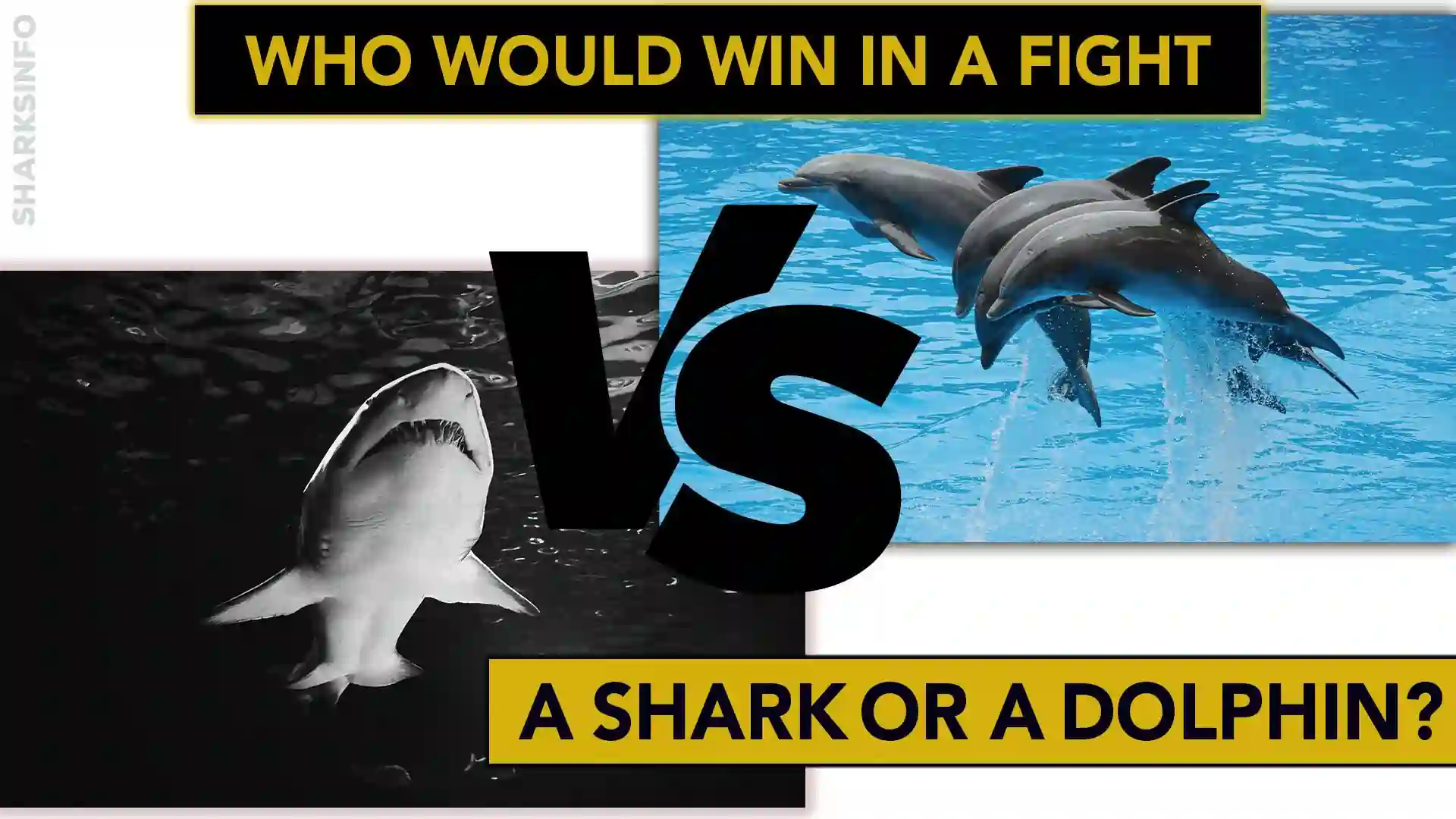
When a dolphin and shark fight unfolds in the Pacific, the encounter is rarely a simple predator-prey interaction; it is a clash of intelligence versus raw power. Dolphins typically win these engagements by using social coordination, echolocation, and high-speed ramming techniques to target a shark's vulnerable gills and internal organs, forcing the shark to retreat or succumb to internal injuries.
The Biological Stakes of Pacific Encounters
In the vast expanse of the Pacific Ocean, the paths of dolphins and sharks cross frequently. As of 2026, marine biologists have observed that these encounters are often dictated by the specific species involved and the environmental context. While the popular imagination often casts the shark as the undisputed villain, the reality of marine biology reveals a much more nuanced power struggle.
Dolphins, particularly the Bottlenose (Tursiops truncatus) and the Orca (Orcinus orca), are highly intelligent cetaceans with complex social structures. Sharks, such as the Great White (Carcharodon carcharias) or the Tiger Shark (Galeocerdo cuvier), are solitary apex predators designed for stealth and explosive force. When a fight unfolds, it is usually because a shark has attempted to prey on a dolphin calf or a weak individual, or because both species are competing for the same concentrated food source, such as a massive school of Pacific sardines or mackerel.
The Pacific Ocean provides a unique stage for these battles due to its varied topography—from the shallow coral reefs of Polynesia to the deep-water "Shark Cafe" located between Hawaii and the California coast. In these regions, the density of life ensures that competition is fierce. Understanding the mechanics of these fights requires looking at the physiological and behavioral "weaponry" each side brings to the water.
The Dolphin’s Arsenal: Speed, Bone, and Brainpower
Dolphins do not possess the rows of serrated teeth that make sharks so fearsome, yet they are arguably the more dangerous combatant in a sustained engagement. Their primary advantage lies in their skeletal structure and their ability to process information at high speeds.
The Power of the Rostrum
The "beak" or rostrum of a dolphin is not just a feeding tool; it is a biological hammer. Unlike the cartilaginous skeleton of a shark, a dolphin’s rostrum is composed of dense, hard bone. When a dolphin and shark fight unfolds in the Pacific, the dolphin uses its incredible swimming speed—often exceeding 20 miles per hour—to turn its entire body into a projectile. By ramming the shark’s soft underbelly or its delicate gill slits, the dolphin can cause massive internal hemorrhaging or collapse the shark’s respiratory system.
Echolocation as Tactical Radar
Dolphins use echolocation to "see" inside their opponents. In the murky or deep waters of the Pacific, a dolphin can emit high-frequency clicks that bounce off the shark’s internal organs. This allows the dolphin to identify the exact location of the shark’s liver, stomach, and heart. By knowing where the vital organs are, the dolphin can strike with surgical precision, ensuring that every ramming maneuver inflicts maximum damage.
Social Coordination and "Mobbing"
Perhaps the most significant advantage a dolphin has is its pod. Dolphins are rarely alone. When a shark is detected as a threat, the pod engages in a behavior known as "mobbing." They surround the shark, darting in and out of its field of vision to disorient it. While one dolphin distracts the shark from the front, others strike from the sides and below. This collaborative strategy makes it almost impossible for a solitary shark to mount an effective defense.
The Shark’s Strategy: Stealth and Serration
Sharks are the ultimate ambush predators. In the Pacific, a Great White or Tiger Shark relies on the element of surprise. If a shark cannot end a fight in the first few seconds with a devastating bite, it is at a severe disadvantage.
The Ambush Strike
A shark's primary goal is to remain undetected until it is within striking distance. They often patrol the depths, looking upward for the silhouette of a dolphin against the surface light. By attacking from below, the shark aims to deliver a "disabling bite" to the dolphin’s tail or fluke, stripping away its mobility. Once a dolphin is unable to swim effectively, the shark can wait for the animal to weaken from blood loss before moving in for the final kill.
Sensory Superiority
Sharks possess the Ampullae of Lorenzini, specialized electroreceptors that allow them to detect the tiny electrical impulses generated by the muscles of their prey. This allows a shark to track a dolphin even if the water is clouded with silt or blood. However, this sensitivity can also be a weakness; the intense acoustic energy of a dolphin's echolocation "pings" is thought by some researchers to be physically uncomfortable or disorienting for a shark at close range.
Cartilaginous Flexibility
While the lack of bone makes the shark vulnerable to ramming, its cartilaginous skeleton provides extreme flexibility. A shark can turn its head nearly 90 degrees to snap at an attacker. In a fight, this flexibility allows the shark to attempt "snap-bites" even while being harassed by multiple dolphins.
Species-Specific Matchups in the Pacific
The outcome of a fight often depends on the specific "weight class" of the animals involved. The Pacific hosts a variety of species that interact in different ways.
| Feature | Bottlenose Dolphin | Great White Shark | Orca (Killer Whale) |
|---|---|---|---|
| Social Structure | Highly Social (Pods) | Solitary / Loose Groups | Matriarchal Pods |
| Primary Weapon | Bony Rostrum (Ramming) | Serrated Teeth (Bite) | Mass and Intelligence |
| Defense Mechanism | Speed and Agility | Tough Skin (Denticles) | Absolute Apex Status |
| Pacific Habitat | Coastal and Pelagic | Temperate Open Ocean | Global (Migratory) |
| Combat Role | Defensive / Protective | Opportunistic Predator | Targeted Predator |
The Orca: The Shark's Greatest Fear
It is important to note that the Orca is the largest member of the dolphin family. In the Pacific, particularly off the coast of California and the Galapagos, Orcas have been documented hunting Great White Sharks. These encounters are not "fights" in the traditional sense; they are executions. Orcas have learned that by flipping a shark onto its back, they induce tonic immobility—a natural state of paralysis in sharks. Once the shark is immobilized, the Orcas systematically consume the shark’s nutrient-rich liver, often leaving the rest of the carcass.
The Bottlenose vs. The Tiger Shark
In the warmer waters of the South Pacific, the conflict usually involves Bottlenose dolphins and Tiger sharks. Tiger sharks are notoriously non-picky eaters and will often trail dolphin pods hoping to pick off a stray calf. In these instances, the adult dolphins form a defensive perimeter. Observations in 2026 suggest that as water temperatures shift, these species are meeting more frequently in traditional "buffer zones," leading to an uptick in reported territorial disputes.
The Role of Environment: Why the Pacific?
The Pacific Ocean is the largest and deepest of Earth's oceanic divisions. Its vastness creates unique environmental pressures that dictate how these two apex groups interact.
- Resource Hotspots: Areas like the Great Barrier Reef or the Hawaiian Islands act as "collision points." When food is concentrated in these areas, the proximity between dolphins and sharks increases, leading to a higher probability of conflict.
- Water Clarity: In the clear waters of the Pacific tropics, dolphins have the visual advantage, allowing them to spot a shark from a great distance. In the darker, nutrient-rich waters of the North Pacific, the shark’s stealth is more effective.
- The 2026 Climate Context: Recent data from 2026 indicates that shifting currents (such as El Niño patterns) are pushing prey fish into new territories. As dolphins follow these schools, they often enter "shark-heavy" corridors they previously avoided, resulting in more documented fights.
The "Winner" of the Encounter
In the majority of documented cases where a dolphin and shark fight unfolds in the Pacific, the dolphin emerges as the survivor. This is not necessarily because the dolphin kills the shark, but because the dolphin succeeds in its goal: deterrence.
Sharks are "economy of effort" predators. They cannot afford to sustain injuries that would prevent them from hunting. A single broken jaw or a collapsed gill slit is a death sentence for a shark. When a pod of dolphins begins to strike back, the shark almost always realizes the "cost" of the meal is too high and swims away.
Dolphins, conversely, fight for the survival of their social unit. Their motivation is protective, which often leads to a higher level of aggression and persistence than the shark’s predatory motivation.
Common Misconceptions About These Battles
There are several myths regarding these encounters that modern marine biology in 2026 has sought to clarify:
- "Dolphins and sharks are mortal enemies": In reality, they often coexist peacefully. You can frequently see dolphins and sharks feeding on the same "bait ball" of fish without attacking one another. The fight only unfolds when boundaries are crossed.
- "A shark’s skin is a shield": While shark skin is covered in dermal denticles (tiny tooth-like scales) that protect against abrasions, it offers little protection against the blunt force trauma of a dolphin ramming at 20 knots.
- "Dolphins always save humans from sharks": While there are many anecdotal accounts of this, scientists view this as an extension of the dolphin's natural "mobbing" behavior. If a shark is present and behaving aggressively, the dolphins may drive it away to protect their territory, and any humans in the water happen to benefit from that protective umbrella.
Frequently Asked Questions
Can a single dolphin kill a Great White Shark?
It is extremely rare for a single Bottlenose dolphin to kill a Great White. However, a single Orca (the largest dolphin) can and does kill Great Whites. For smaller dolphins, the victory is usually measured by forcing the shark to flee rather than killing it.
Why do dolphins hit sharks in the gills?
The gills are the shark’s most vulnerable external organ. They are soft, filled with blood vessels, and essential for oxygen intake. A strike to the gills causes immediate pain and respiratory distress, which is the fastest way to neutralize a shark’s aggression.
Do sharks ever eat dolphins?
Yes. Large sharks like the Great White, Tiger, and Bull shark are known to prey on dolphins, particularly juveniles, the elderly, or those that have become separated from their pod. Shark bite scars are common on many adult dolphins in the Pacific, proving that while they survive, the encounters are often violent.
How do dolphins communicate during a fight?
Dolphins use a series of rapid-fire clicks and whistles to coordinate their movements. In a "mobbing" situation, they use these sounds to keep track of their pod members' positions, ensuring they don't accidentally ram each other while targeting the shark.
Is the number of shark and dolphin fights increasing in 2026?
Reporting has increased due to better satellite monitoring and underwater drone technology available in 2026. While the raw number of fights may be rising due to changing migratory patterns caused by ocean warming, it is also likely that we are simply seeing more of what has always occurred.
Next Steps for Enthusiasts and Researchers
If you are interested in following the latest developments regarding marine life interactions in the Pacific, consider the following actions:
- Monitor Live Data: Organizations like OCEARCH and the Pacific Whale Foundation provide real-time tracking of tagged sharks and whale pods, which often shows where their paths overlap.
- Support Marine Conservation: Habitat loss is the greatest threat to both species. Protecting Pacific reef systems ensures that both dolphins and sharks have enough natural prey to avoid desperate, high-risk conflicts.
- Contribute to Citizen Science: If you are diving or boating in the Pacific and witness unusual behavior, reporting your sightings to local marine biology databases helps researchers track species health and interaction frequency in 2026.