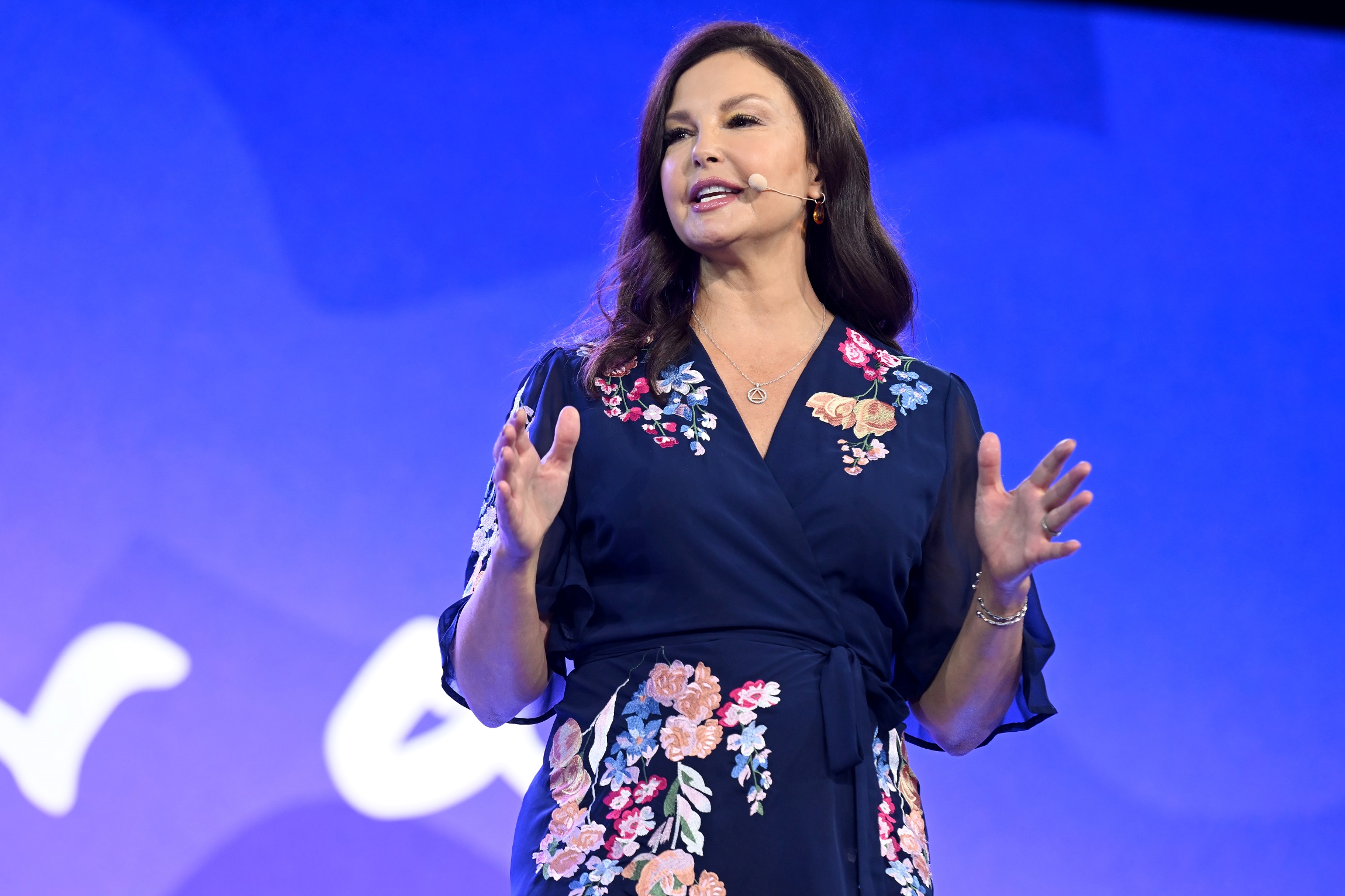
Ashley Judd is a celebrated American actor, author, and global humanitarian whose life offers profound lessons for the modern traveler. Beyond her Hollywood accolades, her extensive work as a UNFPA Goodwill Ambassador and her harrowing 2021 rescue from the Democratic Republic of the Congo exemplify the intersection of high-stakes global exploration, ethical engagement, and personal resilience.
In 2026, the legacy of Ashley Judd remains a cornerstone for those who view travel not merely as leisure, but as a medium for advocacy and self-discovery. Her journey from the mountains of Appalachia to the dense rainforests of Central Africa provides a narrative of how one can navigate the world with a "service-first" mindset. For the traveler who seeks to move beyond tourist corridors, Judd’s biography serves as both a cautionary tale and an inspirational roadmap.
The Appalachian Roots of a Global Citizen
Understanding Ashley Judd’s approach to the world requires looking back at her origins in Kentucky. Born into the famous Judd musical family, her early life was marked by frequent moves and a lack of traditional stability, which arguably prepared her for the nomadic nature of international humanitarian work.
While her mother, Naomi, and sister, Wynonna, found fame on the stage, Ashley sought a different path that combined the arts with academic rigor. Her connection to the land in Appalachia instilled in her a deep respect for local cultures and environmental conservation—values that she would later export to her work in some of the world's most remote regions. For the modern traveler, Judd’s early life demonstrates that a strong sense of "home" and heritage is often the best foundation for exploring the "other."
The Intellectual Foundation
Before becoming a fixture in 1990s cinema, Judd pursued a degree in French at the University of Kentucky, with minors in anthropology, art history, and women's studies. This interdisciplinary background is crucial for the modern traveler to note. It suggests that the most effective way to engage with a new culture is through the lenses of language, history, and social structures.
In 2010, she furthered this intellectual pursuit by earning a Master of Public Administration from the Harvard Kennedy School. This degree transitioned her from a "celebrity visitor" to a policy-literate advocate, capable of discussing maternal health and gender-based violence with heads of state and NGO directors. Travelers today can learn from this by seeking to understand the socio-political context of their destinations rather than remaining passive observers.
The Cinematic Career as a Platform
Ashley Judd’s acting career—highlighted by films like Ruby in Paradise, Double Jeopardy, and Kiss the Girls—provided more than just financial independence. It gave her a global platform. However, unlike many of her peers, Judd utilized her celebrity as a "passport" to access restricted or underserved areas of the world.
Her filmography often reflects themes of resilience and justice, mirroring her off-screen life. For the traveler, her career serves as a reminder that our professional skills and public identities can be leveraged to open doors and bridge cultural gaps. Whether it was her outspoken nature during the "Me Too" movement or her portrayal of strong, independent women, Judd established a persona of integrity that she carried into her travels.
The 2021 Congo Incident: A Lesson in High-Risk Travel
For the modern traveler, perhaps the most significant chapter of Judd’s life is her 2021 accident in the Democratic Republic of the Congo (DRC). While participating in a research project involving bonobos (endangered great apes), Judd tripped over a fallen tree in the dark, resulting in a catastrophic leg injury.
The details of her 55-hour rescue are a masterclass in the realities of remote travel:
- Local Reliance: Judd spent hours on the rainforest floor, held by local trackers who helped her manage the pain and shock.
- Improvised Logistics: She was transported via a hammock carried by local men through dense terrain and then endured a six-hour motorbike ride where a local man held her leg in place.
- Medical Evacuation: It took multiple flights—from the DRC to South Africa—before she reached a facility capable of performing the necessary surgeries.
Critical Takeaways for Remote Exploration
The Congo incident highlights the necessity of medical evacuation insurance and the importance of having a robust emergency plan when traveling to regions with limited infrastructure. Judd has frequently credited her survival to the "brothers" she worked with in the DRC, emphasizing that in remote travel, your relationship with the local community is your primary safety net.
Travelers looking to follow in her footsteps toward "deep" eco-tourism or conservation-based travel must account for the physical and logistical risks. As of 2026, her recovery continues to be a point of discussion in travel circles, proving that even the most experienced travelers are subject to the whims of nature and must remain humble in the face of the wilderness.
UNFPA and the Ethics of Humanitarian Travel
Since 2016, Ashley Judd has served as a Goodwill Ambassador for the United Nations Population Agency (UNFPA). This role has taken her to crisis zones, refugee camps, and clinics in places like Jordan, Turkey, Ukraine, and various nations across Africa. Her focus is primarily on maternal health, the eradication of child marriage, and the prevention of gender-based violence.
For the traveler interested in "voluntourism" or social impact travel, Judd’s work provides a model of ethical engagement. She does not visit as a savior, but as a witness and an advocate.
How to Travel with Purpose
Modern travelers seeking to emulate Judd’s humanitarian spirit should consider the following principles:
- Long-term Commitment: Judd’s work with NGOs like Population Services International (PSI) and UNFPA spans decades, not weeks.
- Listening Over Leading: Her field notes often focus on the stories of the women she meets, prioritizing their voices over her own.
- Policy Awareness: She understands the systemic reasons behind the poverty or health crises she witnesses, which informs her advocacy back in the United States.
Resilience and Mental Health in Global Transit
Ashley Judd has been remarkably transparent about her mental health journey, including her experiences with depression and the trauma of loss. This openness is particularly relevant for the modern traveler who may face "travel burnout" or the psychological strain of witnessing hardship in developing nations.
Travel is often romanticized as a cure-all, but Judd’s biography suggests that the internal journey is just as rigorous as the external one. Her practice of "mindfulness" and her commitment to therapy have been essential tools in her ability to return to the field repeatedly. Travelers are encouraged to pack not just physical gear, but the emotional tools necessary to process the complexities of the world.
A Comparative Look at Judd’s Travel Impact
The following table outlines the key regions and themes of Ashley Judd's international work, providing a quick reference for travelers interested in the specific causes she supports.
| Region | Primary Focus | Organizations Involved | Key Traveler Insight |
|---|---|---|---|
| Appalachia, USA | Conservation & Heritage | Local NGOs | Value your roots to respect others. |
| DR Congo | Conservation (Bonobos) | Private Research Groups | Prepare for extreme logistics/risks. |
| Jordan/Turkey | Refugee Support | UNFPA | Advocacy requires understanding policy. |
| India | Human Trafficking | Global Health Corps/PSI | Ethical engagement avoids "saviorism." |
| South Africa | Trauma/Medical Recovery | Private Medical Facilities | Know your evacuation route. |
Practical Guidance: Following the Judd Trail
If you are inspired by Ashley Judd’s biography to embark on a journey of humanitarianism or conservation, certain steps are essential to ensure your impact is positive and your safety is maintained.
Research and Prerequisites
Before heading to a region like the DRC or a humanitarian site, academic and logistical preparation is required.
- Language Skills: Proficiency in French or local dialects (like Lingala or Swahili) is a significant asset in Central Africa.
- NGO Vetting: Do not simply "show up" to help. Research established organizations like UNFPA or PSI to see how you can contribute meaningfully or support their efforts remotely.
- Health and Safety: Ensure all vaccinations are current and that you have a comprehensive first-aid kit, as Judd’s experience proves that even a simple trip can turn into a life-threatening emergency.
Sustainable Conservation Travel
For those interested in bonobo conservation—the catalyst for Judd’s 2021 trip—travelers should look into organizations such as the Bonobo Conservation Initiative. These trips are not traditional safaris; they require high physical fitness, a tolerance for rugged conditions, and a commitment to minimizing environmental impact.
Frequently Asked Questions
What happened to Ashley Judd's leg after her accident in the Congo?
In early 2021, Ashley Judd suffered a catastrophic "shattered" leg in the DRC. Her recovery involved an intensive 55-hour rescue, multiple surgeries in South Africa and the U.S., and months of physical therapy. By 2026, she has regained significant mobility and continues to hike and travel, though she remains vocal about the long-term reality of such traumatic injuries.
Is the Congo safe for modern travelers today?
The Democratic Republic of the Congo remains a high-risk destination due to political instability and limited infrastructure. Travelers should consult their national travel advisories (such as the U.S. Department of State) before planning a trip. Like Judd, most visitors to the interior go as part of specialized research, humanitarian, or conservation teams.
How can I become a Goodwill Ambassador like Ashley Judd?
Goodwill Ambassador roles are typically reserved for public figures who have demonstrated a long-term commitment to a cause. However, everyday travelers can become "advocates" by partnering with local NGOs, participating in verified volunteer programs, and using their social platforms to raise awareness and funds for global issues.
What is Ashley Judd’s role in the "Me Too" movement?
Judd was one of the first high-profile actors to go on the record with allegations against Harvey Weinstein, a move that helped catalyze the global Me Too movement. This spirit of standing up for justice is a core part of her identity and influences her work with women and girls globally.
Does Ashley Judd still act as of 2026?
While she remains a public figure and occasionally takes on film or television projects, her primary focus in 2026 has shifted significantly toward her humanitarian work with UNFPA and her advocacy for environmental and gender-based causes.
Final Recommendation for the Modern Traveler
To travel like Ashley Judd is to travel with a broken-open heart and a rigorous mind. If you are planning a trip influenced by her life story, your next action should be to move beyond the itinerary and toward an "impact plan."
Start by identifying a global issue you are passionate about—be it conservation, maternal health, or education. Research the established organizations working in that field and find ways to support them that do not displace local labor or create dependency. Most importantly, prepare yourself physically and mentally for the unpredictability of the world. As Judd’s life proves, the most challenging journeys often yield the most profound personal and global transformations.