Androgens, primarily testosterone and dihydrotestosterone (DHT), are the central regulators of human hair growth. They paradoxically stimulate hair follicles on the face and body while triggering follicle miniaturization on the scalp in genetically predisposed individuals. This complex relationship is mediated by local enzyme activity, androgen receptor sensitivity, and regional gene expression.
The Fundamental Role of Androgens in Human Biology
To understand how androgens influence hair, one must first define what these hormones are and how they operate within the endocrine system. Androgens are a group of steroid hormones that facilitate the development and maintenance of masculine characteristics. While often labeled "male hormones," they are present and functional in both biological males and females, though in different concentrations and with varying physiological impacts.
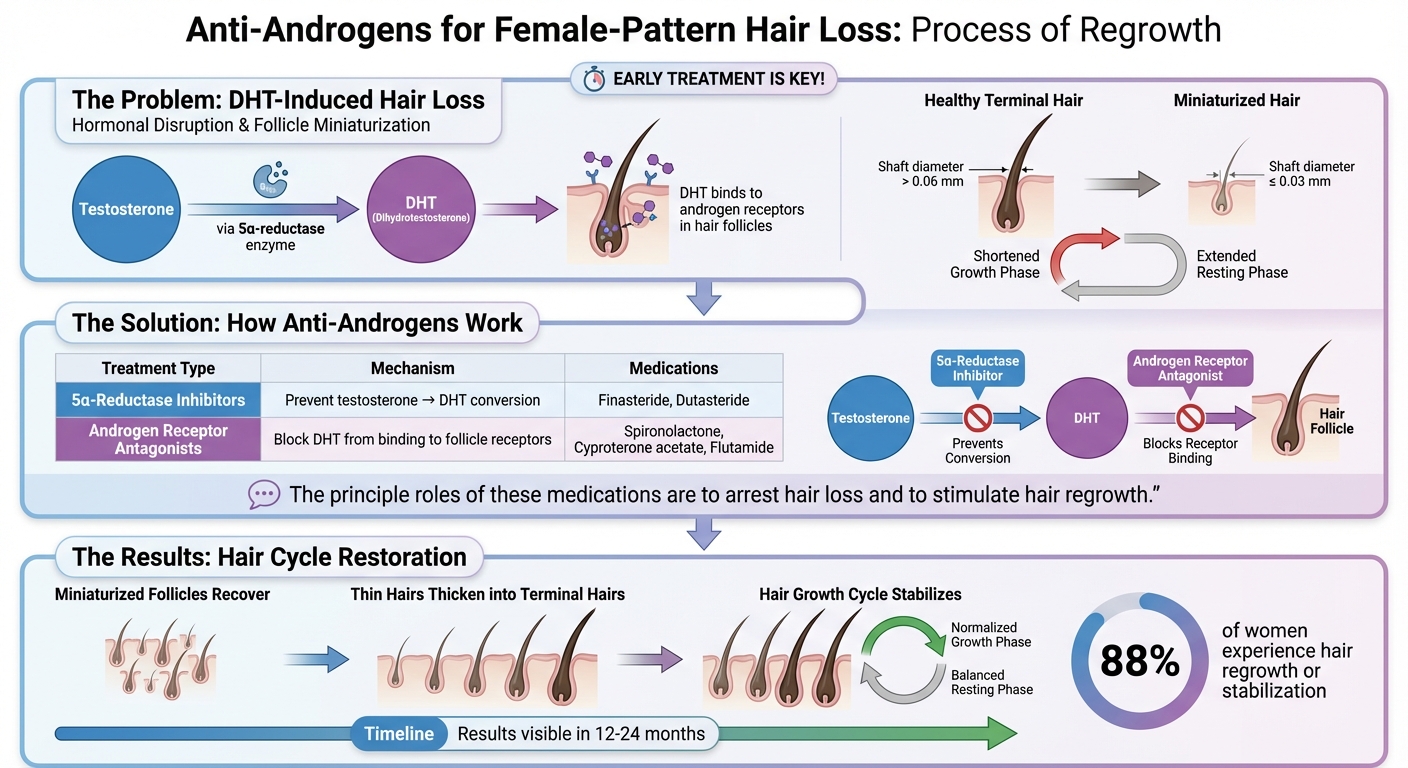
The most prominent androgen is testosterone, produced primarily in the testes in men and in the ovaries and adrenal glands in women. However, when discussing hair growth, the focus often shifts to dihydrotestosterone (DHT). DHT is a more potent metabolite of testosterone, converted locally within tissues by the enzyme 5-alpha reductase.
In the context of 2026 clinical standards, we recognize that the circulating level of these hormones is often less important than the sensitivity of the target tissue. A person may have "normal" testosterone levels but experience significant hair changes because their hair follicles are hypersensitive to androgenic signals. This sensitivity is largely determined by the density of androgen receptors (AR) and the activity of 5-alpha reductase enzymes within the follicular unit.
The Androgen Paradox: Differential Regional Effects
One of the most fascinating aspects of human biology is the "androgen paradox." The same hormone—DHT—can signal a hair follicle on the chin to grow a thick, terminal beard hair while simultaneously signaling a follicle on the vertex of the scalp to shrink and eventually stop producing visible hair.
Vellus to Terminal Transformation
During puberty, rising androgen levels trigger the transformation of fine, translucent vellus hairs into thick, pigmented terminal hairs in specific body regions. This process occurs in the axillary (underarm) and pubic regions in both sexes, and more extensively on the face, chest, and limbs in biological males. This is a direct stimulatory effect of androgens on the hair follicle’s dermal papilla.
Follicular Miniaturization on the Scalp
Conversely, in the scalp follicles of individuals with a genetic predisposition, androgens trigger miniaturization. This is the hallmark of Androgenetic Alopecia (AGA), commonly known as male or female pattern baldness. Instead of promoting growth, the androgen-receptor complex alters the gene expression within the follicle, shortening the anagen (growth) phase and causing the hair to become progressively finer, shorter, and less pigmented until the follicle eventually becomes dormant.
The Mechanism of Androgenetic Alopecia (AGA)
Androgenetic alopecia is the most frequent cause of hair loss worldwide. By 2026, our understanding of the molecular pathways involved has deepened, focusing on the interaction between DHT and the androgen receptor located in the dermal papilla cells.
The Role of 5-Alpha Reductase
There are two main types of the 5-alpha reductase enzyme:
- Type I: Predominantly found in sebaceous glands and the skin.
- Type II: Highly concentrated in the hair follicles of the scalp and the prostate.
When testosterone enters the hair follicle, Type II 5-alpha reductase converts it into DHT. DHT has an affinity for the androgen receptor that is approximately five times greater than that of testosterone. Once bound, this complex moves into the cell nucleus and alters the production of proteins and growth factors required for healthy hair cycling.
The Shortening of the Hair Cycle
A healthy hair follicle typically stays in the anagen phase for 2 to 7 years. Under the influence of excessive androgenic signaling, this phase is drastically reduced. As the cycles move faster, the follicle spends more time in the telogen (resting) phase. With each subsequent cycle, the hair produced is "miniaturized"—it lacks the structural integrity and depth of the previous hair. Eventually, the hair is so small that it does not even break the surface of the skin, a state often referred to as "peach fuzz" before complete atrophy.
Androgens and Hirsutism: Excess Growth in Women
In women, the relationship between androgens and hair growth is often highlighted by a condition called hirsutism. Hirsutism is defined as the presence of terminal (thick) hair in a male-like distribution, such as the upper lip, chin, chest, or back.
This condition is frequently a clinical marker of hyperandrogenism—an excess of androgens in the female body. The most common underlying cause is Polycystic Ovary Syndrome (PCOS), which affects hormone regulation and insulin sensitivity. In these cases, the high levels of circulating androgens stimulate androgen-sensitive vellus follicles on the body to transition into terminal follicles.
Interestingly, women with hirsutism may simultaneously experience thinning of the hair on the crown of the head. This reinforces the dual nature of androgenic influence: stimulation on the body and inhibition on the scalp.
Diagnostic Procedures and Testing in 2026
Accurately managing androgen-related hair issues requires precise diagnostics. Clinicians no longer rely solely on visual inspection but utilize a combination of biochemical and imaging tools.
- Total and Free Testosterone: Measures the overall amount of testosterone and the portion that is "unbound" and active.
- Dihydrotestosterone (DHT) Serum Levels: While DHT acts locally, serum levels can sometimes indicate systemic overproduction.
- DHEA-Sulfate (DHEA-S): A marker for adrenal androgen production, essential for ruling out adrenal tumors or hyperplasia.
- Sex Hormone-Binding Globulin (SHBG): This protein binds to testosterone; low levels of SHBG mean more free testosterone is available to affect hair follicles.
- Trichoscopy: A non-invasive method using a polarized light microscope to visualize the scalp and measure the percentage of miniaturized hairs.
| Condition | Primary Hormonal Driver | Typical Hair Effect | Primary Treatment Goal |
|---|---|---|---|
| Male Pattern Baldness (AGA) | DHT / 5-alpha Reductase | Scalp thinning (Vertex/Temple) | Inhibit DHT production |
| Female Pattern Hair Loss | Genetic sensitivity to Androgens | Diffuse thinning on crown | Support follicle health/Anti-androgens |
| Hirsutism (PCOS) | High Testosterone/DHEA-S | Excess facial and body hair | Reduce androgen production/block receptors |
| Pubertal Growth | Rising Systemic Testosterone | Development of terminal body hair | Natural physiological development |
Management and Treatment Strategies
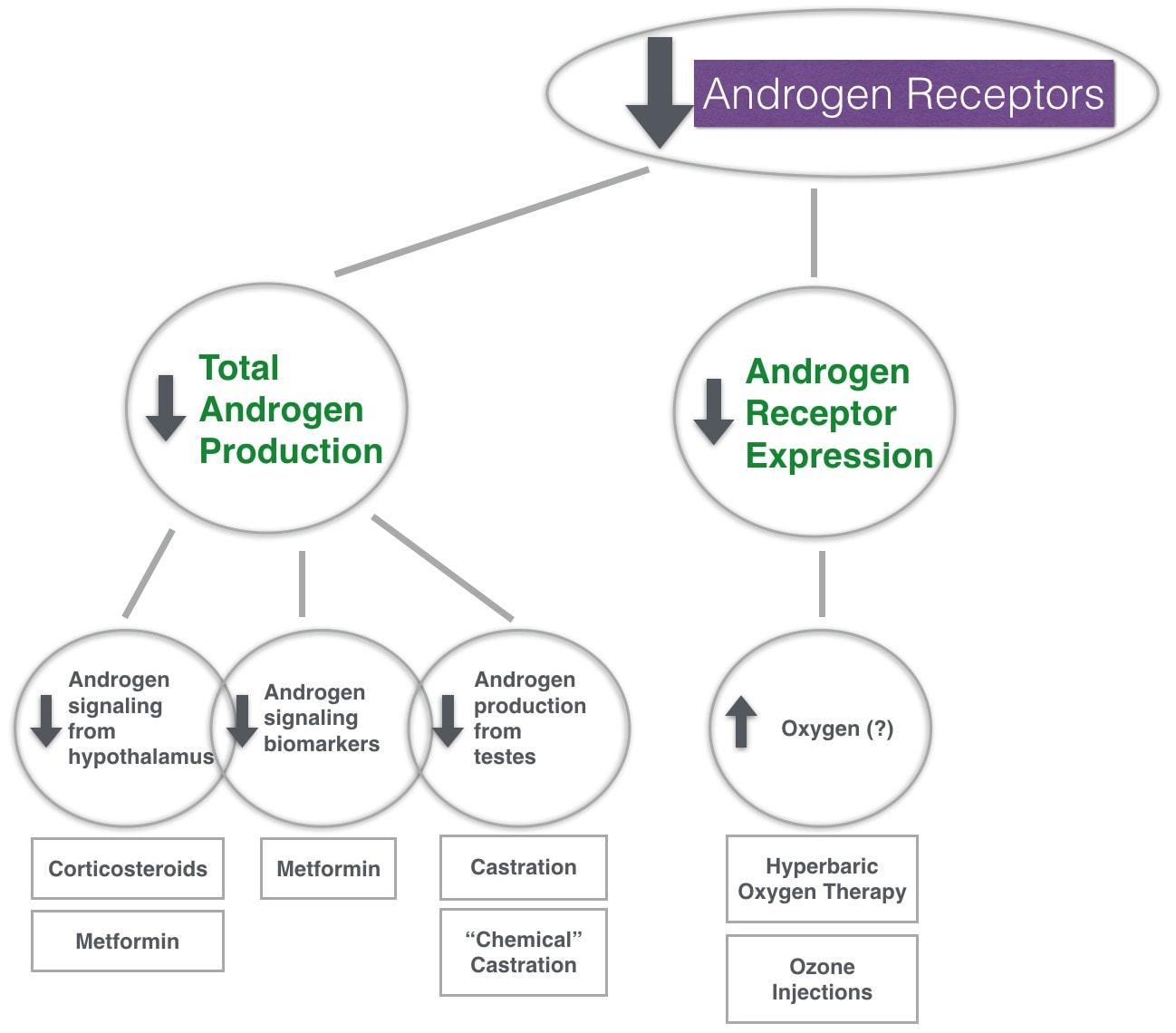
As of 2026, the management of androgen-related hair growth focuses on two main fronts: blocking the androgenic signal and stimulating the hair follicle's growth environment.
Pharmaceutical Interventions
- 5-alpha Reductase Inhibitors: Medications like Finasteride and Dutasteride remain the gold standard for male androgenetic alopecia. They work by blocking the enzyme that converts testosterone to DHT. Finasteride primarily targets Type II, while Dutasteride targets both Type I and Type II.
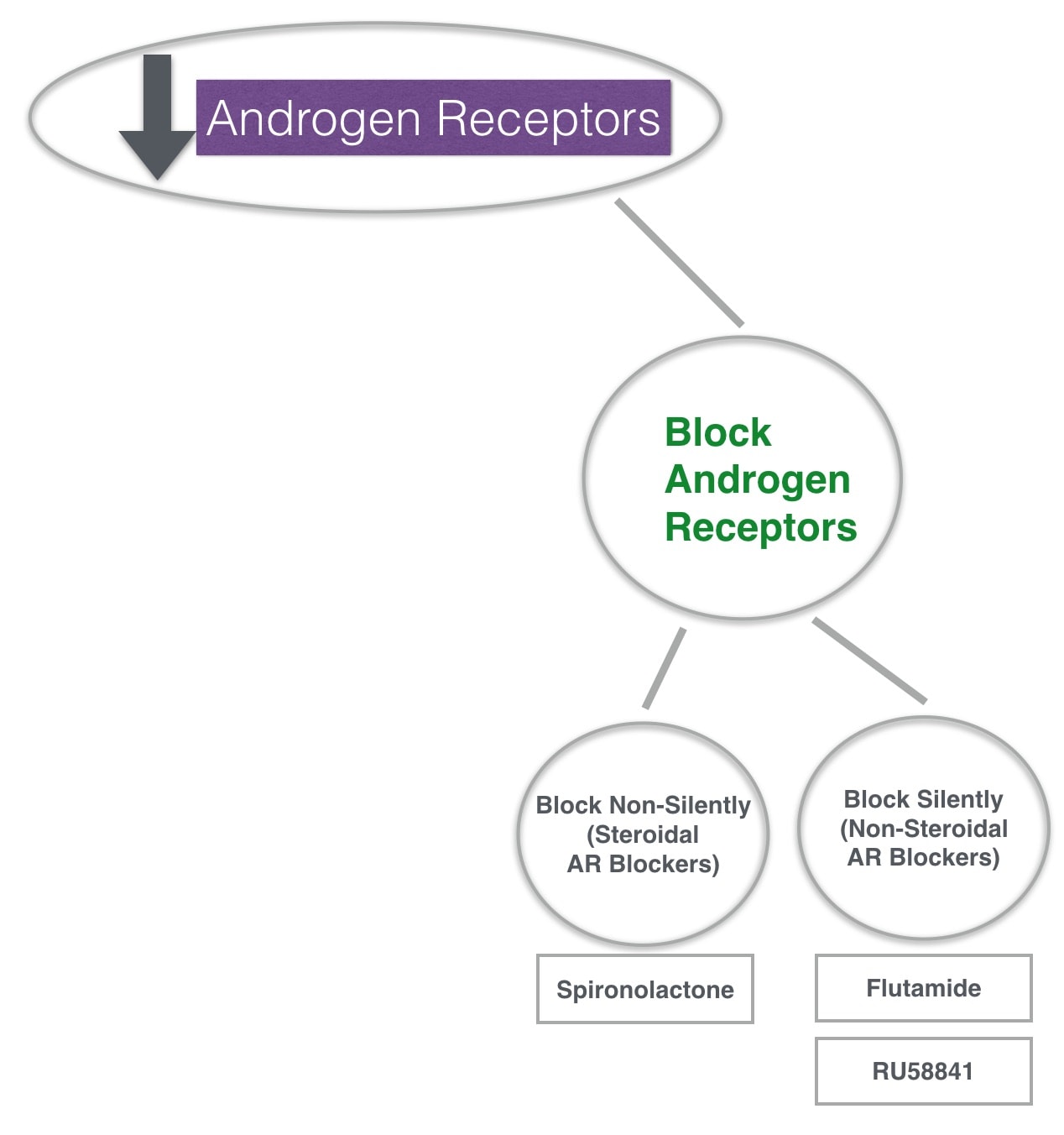
- Anti-Androgens: For women, medications such as Spironolactone or Cyproterone acetate are used. These do not necessarily lower androgen levels but block the androgen receptor itself, preventing DHT from binding.
- Topical Anti-Androgens: Newer entries in the 2026 market include topical androgen receptor degraders and antagonists that offer localized treatment with reduced systemic side effects.
Growth Stimulants
While not directly affecting androgens, Minoxidil remains a critical tool. It acts as a vasodilator and potassium channel opener, extending the anagen phase regardless of androgenic influence. In 2026, low-dose oral minoxidil has become increasingly popular for those who do not tolerate topical applications.
Physical and Surgical Therapies
- Laser Hair Removal: For unwanted body hair (hirsutism), long-pulsed lasers target the melanin in terminal follicles, destroying the follicle’s ability to regrow.
- Hair Transplantation: For scalp hair loss, Follicular Unit Extraction (FUE) moves androgen-insensitive follicles from the back of the head to the thinning areas. These follicles retain their genetic resistance to DHT even after being moved.
Lifestyle and Environmental Factors
While genetics and hormones are the primary drivers, environmental factors can exacerbate androgen-related hair issues. Insulin resistance, often associated with metabolic syndrome, can lower levels of SHBG, thereby increasing the amount of bioavailable testosterone.
Furthermore, chronic stress triggers the adrenal glands to produce more cortisol and DHEA-S, both of which can disrupt the delicate balance of the hair cycle. Nutritional support, specifically ensuring adequate levels of zinc and vitamin D, is often recommended as these nutrients play roles in hormone regulation and follicle cell division.
Common Mistakes in Addressing Androgen-Related Hair Growth
One of the most frequent errors is waiting too long to begin treatment. In the case of scalp hair loss, once a follicle has completely atrophied (the skin becomes smooth and shiny), it is extremely difficult to revive. Early intervention during the "miniaturization" phase is critical.
Another mistake is the assumption that more hormone is always the problem. Many people with severe hair loss have perfectly normal blood levels of testosterone. The issue is often the "local environment"—too many receptors or high enzyme activity within the scalp itself. Conversely, for unwanted body hair, simply treating the skin surface (shaving/waxing) without addressing the underlying hormonal driver (like PCOS) often leads to frustration and rapid regrowth.
Summary of Next Actions
If you suspect your hair growth or loss is related to androgens, a systematic approach is necessary:
- Consult a Specialist: See a dermatologist or an endocrinologist who specializes in hair disorders (trichology).
- Request Comprehensive Lab Work: Ensure your doctor tests for Free Testosterone, DHT, and SHBG to get a full picture of your androgenic profile.
- Evaluate Scalp Health: Use trichoscopy to confirm if miniaturization is occurring, which distinguishes androgenetic alopecia from other types of hair loss like telogen effluvium.
- Consider Multi-Modal Treatment: The most successful outcomes in 2026 involve combining an androgen blocker (to stop the damage) with a stimulant like Minoxidil (to promote growth).
FAQs
Can high testosterone cause hair loss in women?
Yes, high levels of testosterone can lead to female pattern hair loss. While women have much lower levels than men, a relative increase or a decrease in estrogen (which usually balances androgens) can cause follicles on the scalp to miniaturize. This is often seen in conditions like PCOS or during menopause.
Does DHT affect all hair on the body the same way?
No, DHT has site-specific effects. In the beard, chest, and pubic regions, DHT acts as a growth stimulant, turning fine hairs into thick terminal hairs. On the scalp, specifically the top and front, DHT acts as a growth inhibitor for those with genetic sensitivity. Interestingly, the hair on the back and sides of the scalp is typically resistant to these effects.
Are there natural ways to block DHT?
Certain compounds like Saw Palmetto, pumpkin seed oil, and green tea catechins have shown some ability to inhibit 5-alpha reductase in laboratory settings. However, their clinical efficacy is generally much lower than pharmaceutical options. They may be useful as adjuncts in mild cases but are rarely sufficient for significant androgenetic alopecia.
Can stress increase androgenic hair loss?
Stress does not directly cause androgenetic alopecia, but it can worsen it. Stress increases the production of adrenal androgens and can trigger a secondary condition called telogen effluvium, where more hairs enter the shedding phase at once. This combination can make androgenic thinning appear much more rapid and severe.
Is hair loss from androgens permanent?
If the follicle has undergone complete miniaturization and the pore has closed (atrophy), the loss is usually permanent. However, if the hair is simply thinning or "miniaturizing," the process can often be halted or partially reversed with consistent medical treatment.
Does lifting weights increase DHT and cause baldness?
Resistance training does cause a transient increase in testosterone levels. However, there is no definitive clinical evidence suggesting that regular exercise significantly accelerates androgenetic alopecia in the long term. The benefits of exercise for insulin sensitivity—which can help balance hormones—generally outweigh the risks of temporary testosterone spikes.