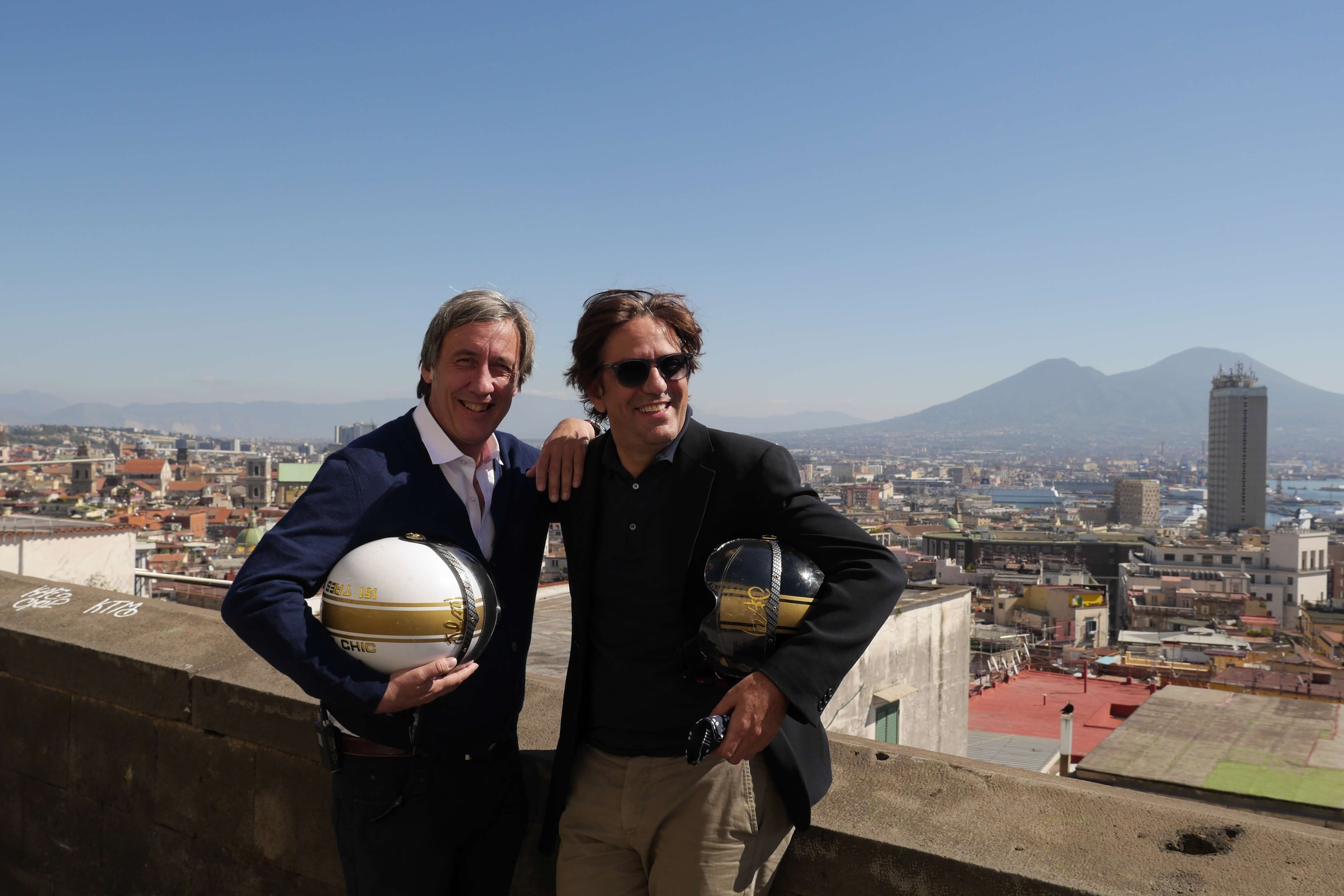
Art critic, broadcaster, and author Andrew Graham-Dixon has an estimated net worth between $2 million and $5 million (approximately £1.5 million to £4 million). His wealth has been accumulated over a four-decade career encompassing landmark television presenting for the BBC, internationally acclaimed art history publications, print journalism for premier national broadsheets, private lecturing, and high-end art tours.
Early Life, Education, and Career Foundation
Andrew Michael Graham-Dixon was born on December 26, 1960, in London, England. Raised in a culturally conscious household, he pursued his education at Westminster School before matriculating at Christ Church, Oxford, where he read English Language and Literature. Following his undergraduate studies, he deepened his academic specialization by studying Art History at the world-renowned Courtauld Institute of Art in London.
His formal training in both literature and art history equipped him with a distinct narrative voice—one that bridges rigorous academic art history with accessible, visually compelling storytelling for popular audiences.
Academic Roots at Oxford and the Courtauld Institute
Graham-Dixon's time at Oxford and the Courtauld Institute laid the analytical foundation for his prospective career. At Oxford, his focus on English literature refined his skill in crafting clear, evocative prose, while the Courtauld Institute provided him with formal visual training, archival methodology, and deep familiarity with European visual traditions from the Middle Ages through contemporary movements.
This double background in text and image became his professional trademark. It enabled him to move seamlessly between writing scholarly monographs, drafting weekly art reviews for mainstream newspapers, and scripting visual television narratives for international networks.
Breakthrough into Print Journalism
In the mid-1980s, Graham-Dixon broke into national print journalism. He served as the primary art critic for The Independent from its founding in 1986 until 1998, establishing himself as one of the most articulate and influential voices in contemporary British art criticism. During his tenure at The Independent, he won the Sunday Times Young Journalist of the Year award (1987) and the BP Arts Journalist of the Year award three times (1988, 1989, and 1990).
In 1998, he transitioned to The Sunday Telegraph, where he continued to publish regular critical columns on major gallery exhibitions, international art fairs, and art historical discoveries. His steady newspaper work provided a stable baseline income while solidifying his reputation across the cultural landscape of the United Kingdom.
Estimated Net Worth and Primary Income Streams
Financially, Andrew Graham-Dixon operates as a multi-hyphenate cultural professional. Because private financial records for UK-based journalists and presenters are held through personal service companies (PSCs) or private bank accounts, exact public liquid figures are not published in public corporate ledgers. However, based on industry standard BBC presenter rates, publishing advances, secondary royalties, and private tour consulting fees, financial media analysts estimate his total net worth between $2 million and $5 million (£1.5 million to £4 million).
| Income Category | Operational Model & Key Sources | Relative Contribution to Net Worth |
|---|---|---|
| Broadcasting & TV | BBC & independent documentary presenting fees, co-production equity, international broadcast distribution | High |
| Literary Publishing | Advances, hardback/paperback royalties, translation rights, audiobook licensing | Medium–High |
| Print Journalism | Retainers and column fees for broadsheets (The Independent, The Sunday Telegraph) | Medium |
| Luxury Art Tours & Events | Curated private cultural tours (Italy, Spain, France), keynote speaking, academic lectures | Medium–High |
| Art Consultancy & Advisory | Private collection appraisals, curatorial advice, historical authentication consultation | Medium |
Broadcasting and Television Production
The primary driver of Graham-Dixon's public visibility and a major contributor to his lifetime earnings has been his extensive television work. Over thirty years, he has written and presented dozens of flagship documentary series for BBC One, BBC Two, and BBC Four.
Presenter remuneration in UK public broadcasting varies significantly by project scope, network budget, and international co-production sales. Landmark multi-part documentary series—such as A History of British Art, The Art of Spain, The Art of Russia, and The Art of China—carry standard UK broadcast presenting fees alongside backend royalties generated by worldwide distribution through BBC Studios. Co-hosting popular travel-art programs like Italy Unpacked alongside chef Giorgio Locatelli expanded his commercial reach into international markets, including PBS in the United States and various European television networks.
Literary Royalties and Book Publishing
Publishing represents a durable, recurring component of Graham-Dixon's financial portfolio. He has authored several landmark art historical titles that continue to generate global sales and translation licensing revenue.
His major books include:
- Caravaggio: A Life Sacred and Profane (2010): Widely considered one of the definitive modern biographies of the Italian Baroque master, this title achieved significant commercial success, critical acclaim, and broad foreign-language rights licensing.
- A History of British Art (1996): Published in conjunction with his seminal BBC television series, serving as an educational standard in art history programs.
- Paper Museum (1999): A curated collection of his critical essays written for The Independent.
- Renaissance (1999): A companion volume to his BBC documentary series exploring the cultural rebirth of Western Europe.
- Michelangelo and the Sistine Chapel (2008): A popular monograph exploring the creation of the Sistine Chapel ceiling.
Monograph advances for established cultural authors from major publishing houses (such as Penguin Random House, Allen Lane, and W. W. Norton) often reach five to six figures, supplemented by long-term sales royalties and secondary licensing.
Print Journalism and Long-Term Columnist Earnings
Long-standing column contracts with major British broadsheets provide consistent base cash flow. Serving as the lead art critic for The Independent (1986–1998) and subsequently writing extensive features for The Sunday Telegraph established a stable foundation of annual editorial compensation. While print journalism rates have fluctuated over time across the UK publishing industry, senior critics writing for national outlets historically earned consistent annual fees that supported secondary creative endeavors such as book research and television scripting.
Luxury Art Tours, Speaking Engagements, and Consultancy
In addition to broadcasting and publishing, Graham-Dixon has built a profitable business model around private art history travel and elite cultural lecturing.
High-end cultural tourism operators, such as Ultimate Travel and specialized private tour companies, partner with recognized experts to offer exclusive, small-group art history tours across European art capitals (including Florence, Venice, Rome, Madrid, and St. Petersburg). Guests pay premium rates for expert-led itineraries, private museum access, and contextual lectures. Organizers provide high daily host fees or profit-share arrangements for top-tier experts like Graham-Dixon. Furthermore, corporate speaking fees, gallery lectures, and private collection advisory services provide supplementary high-margin revenue streams.
Landmark Television Series and Literary Masterworks
To understand how Andrew Graham-Dixon built his lasting personal brand and wealth, it is essential to look at his major broadcast and publishing achievements. His work established a template for visual arts broadcasting in the UK, combining deep historical analysis with accessible locations-based storytelling.
- 1986-1998: Lead Art Critic, The Independent
- 1996: "A History of British Art" (BBC TV & Book)
- 1998-Pres.: Columnist & Critic, The Sunday Telegraph
- 1999: "Renaissance" (BBC TV & Book)
- 2007-2016: Regional Art Series (Spain, Russia, Germany, China)
- 2010: Publishes "Caravaggio: A Life Sacred and Profane"
- 2013-2018: "Italy Unpacked" Series with Giorgio Locatelli
Major Television Documentaries
Graham-Dixon's broadcast career includes some of the most widely distributed arts programming produced by the BBC over the past three decades:
- A History of British Art (1996): A landmark six-part BBC series that re-evaluated the development of visual arts in Britain from the medieval era through modern times.
- The Art of Eternity (2007): A three-part exploration of Christian art, focusing on Byzantine mosaics, icons, and early medieval aesthetics.
- The Art of Spain (2008), Russia (2009), Germany (2010), America (2011), and China (2014): A long-running documentary franchise examining global cultural identity through national visual art traditions.
- Italy Unpacked (2013–2018): A co-hosted travelogue series with Michelin-starred chef Giorgio Locatelli, blending Italian regional art, history, cuisine, and culture across multiple successful seasons on BBC Two.
Key Publications and Critical Reception
His published works have earned critical praise for breaking down complex art theory into vivid, narrative-driven histories. Caravaggio: A Life Sacred and Profane stands out for its meticulous archival research and psychological insight into the painter's troubled life and revolutionary techniques. His books are widely translated and remain standard reading on art history reading lists at universities worldwide.
Understanding Presenter Earnings and Net Worth Valuation in the UK
Evaluating the net worth of UK television presenters and authors requires understanding how media professionals manage their finances under British tax law and corporate regulations.
Personal Service Companies (PSCs) and Corporate Filings
In the UK broadcasting sector, established presenters, authors, and journalists often operate through Personal Service Companies (PSCs). Instead of receiving direct salaried employment from broadcast networks or publishing houses, payments for production work, host duties, and writing commissions are made directly to the presenter's private limited company.
Under standard UK corporate reporting guidelines for small companies:
- Full income statements and detailed personal asset portfolios are not publicly released on the UK Companies House registry.
- Filed balance sheets show current assets, net retained capital, and liabilities, which reflect corporate equity rather than total personal net worth.
- Personal investments—such as residential real estate, private pension portfolios, and personal art collections—remain private.
Therefore, financial figures estimating Graham-Dixon’s wealth at $2 million to $5 million represent an integrated evaluation of historical earnings, real estate holdings, book backlists, corporate equity, and ongoing commercial engagement fees.
Royalties, Secondary Rights, and Syndication
A significant portion of long-term wealth for UK authors and media personalities comes from secondary rights management:
- ALCS (Authors' Licensing and Collecting Society): Collects royalties for re-published, scanned, or quoted written works across international educational institutions and libraries.
- DACS (Design and Artists Copyright Society): Manages visual rights and secondary reproduction permissions where applicable.
- Repeats and Syndication: BBC programming sold to foreign cable channels, streaming services, and international networks yields ongoing performance royalties for lead writers and presenters.
Frequently Asked Questions
What is Andrew Graham-Dixon's estimated net worth?
Andrew Graham-Dixon's net worth is estimated to be between $2 million and $5 million (approx. £1.5 million to £4 million). This estimate accounts for his four decades as a top BBC television presenter, broadsheet art critic, bestselling author, and leader of private international art tours.
How does Andrew Graham-Dixon earn his income?
His primary revenue streams include television presenting and scripting fees for BBC documentaries, book advances and long-term publishing royalties, print journalism retainers, private art tour hosting, corporate lecturing fees, and private art collection advisory work.
What is Andrew Graham-Dixon's most famous book?
His most critically acclaimed and commercially successful book is Caravaggio: A Life Sacred and Profane (2010). It received wide international praise for its groundbreaking archival research into the Italian master's life and visual symbolism.
Which television series made Andrew Graham-Dixon widely known?
While he first established his television footprint with A History of British Art (1996), he achieved broad international recognition through his regional art series (including The Art of Spain, The Art of Russia, and The Art of China) and the popular BBC series Italy Unpacked, co-hosted with chef Giorgio Locatelli.
Where did Andrew Graham-Dixon receive his education?
He attended Westminster School in London before studying English Language and Literature at Christ Church, Oxford. He subsequently completed postgraduate studies in Art History at the Courtauld Institute of Art in London.
Practical Takeaways and Next Actions
For readers, art history enthusiasts, and aspiring media professionals seeking to learn from Andrew Graham-Dixon’s career trajectory:
- Study Multi-Disciplinary Storytelling: Graham-Dixon's success demonstrates how combining strong literary writing skills (honed at Oxford) with formal visual analysis (developed at the Courtauld Institute) creates a powerful, marketable media perspective.
- Explore Secondary Revenue Models for Cultural Experts: Building an enduring career in cultural media often relies on diversifying beyond entry-level journalism into published books, broadcast production, specialized travel experiences, and speaking engagements.
- Consult Verified Historical Works: To explore his artistic contributions directly, consult his key works such as Caravaggio: A Life Sacred and Profane or watch his landmark BBC series on global art history.