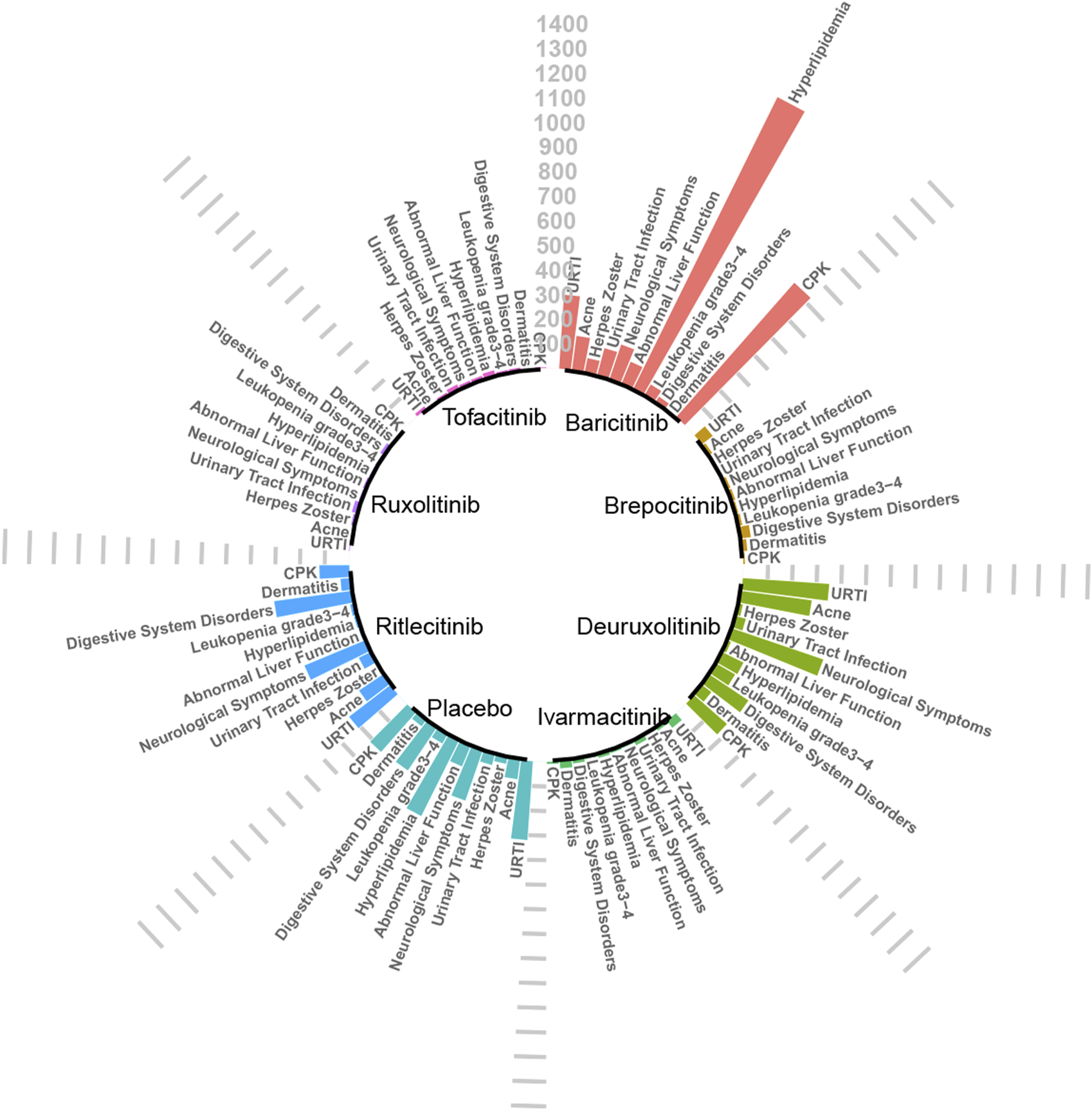
As of 2026, the treatment of severe alopecia areata has been transformed by FDA-approved Janus kinase (JAK) inhibitors, including baricitinib (Olumiant), ritlecitinib (Litfulo), and deuruxolitinib (Leqselvi). These systemic therapies target the underlying autoimmune pathways to promote significant hair regrowth in patients who previously had limited options for managing extensive hair loss.
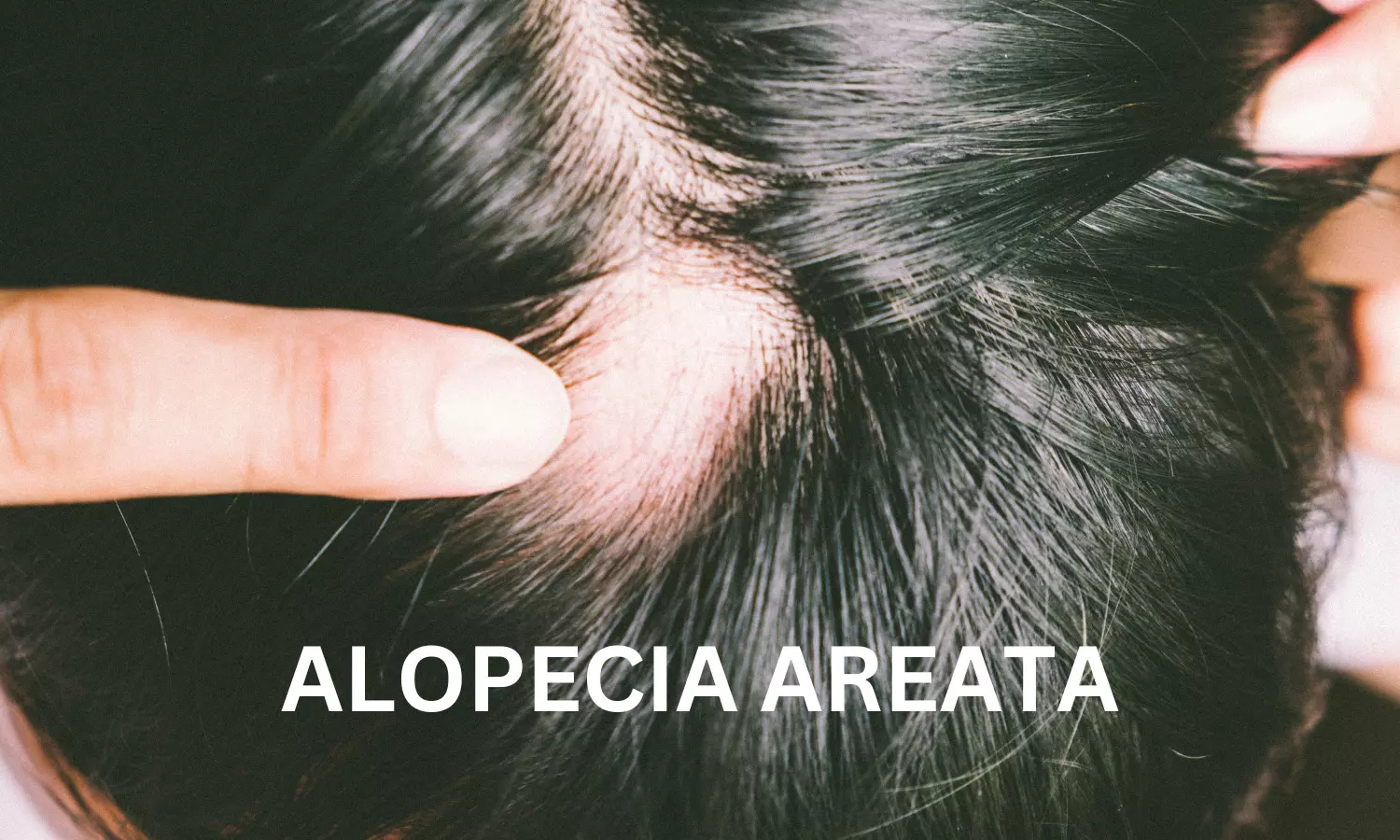
Alopecia areata (AA) was long considered a cosmetic condition by many insurers, but the medical community has successfully reframed it as a complex autoimmune disease. In this condition, the body’s immune system—specifically T-cells—attacks the hair follicles, leading to non-scarring hair loss that can range from small patches to total loss of scalp hair (alopecia totalis) or entire body hair (alopecia universalis).
The emergence of JAK inhibitors represents the most significant advancement in dermatological science in decades. These drugs do not merely mask symptoms; they interrupt the intracellular signaling pathways that allow inflammatory cytokines to "instruct" the immune system to attack the follicle. By 2026, these medications have moved from "novel therapies" to the standard of care for moderate-to-severe cases.
Understanding the JAK-STAT Pathway in Alopecia Areata
To appreciate how these drugs work, one must understand the JAK-STAT (Janus Kinase-Signal Transducer and Activator of Transcription) pathway. This pathway is a "telephone line" for cells. In patients with alopecia areata, inflammatory signals such as Interferon-gamma (IFN-γ) and Interleukin-15 (IL-15) bind to receptors on the surface of immune cells.
Once these cytokines bind to their receptors, they activate JAK enzymes inside the cell. These enzymes then recruit STAT proteins, which travel to the cell's nucleus to turn on genes that perpetuate the autoimmune attack. By using a JAK inhibitor, we essentially "cut the phone line." The inflammatory signal may still be present outside the cell, but the message to attack the hair follicle never reaches the nucleus.
In 2026, we distinguish between different generations of JAK inhibitors based on which specific enzymes they target (JAK1, JAK2, JAK3, or TYK2). This selectivity is crucial because different JAK enzymes regulate different bodily functions, including red blood cell production and immune surveillance against infections.
Profiles of FDA-Approved JAK Inhibitors for AA
Currently, three primary oral JAK inhibitors hold FDA approval specifically for the treatment of alopecia areata. Each has a unique molecular profile and approved age range.
Baricitinib (Olumiant)
Approved in June 2022, baricitinib was the first systemic treatment authorized for adults with severe alopecia areata. It is a selective JAK1 and JAK2 inhibitor. The landmark BRAVE-AA1 and BRAVE-AA2 clinical trials demonstrated that a significant percentage of patients achieved 80% or more scalp hair coverage after 36 to 52 weeks of treatment.
In clinical practice throughout 2025 and into 2026, baricitinib has shown sustained efficacy. Physicians typically start patients on a 2mg or 4mg daily dose. The 4mg dose is generally preferred for those with nearly complete hair loss, while 2mg is often used for maintenance or for those with specific risk factors.
Ritlecitinib (Litfulo)
Approved in June 2023, ritlecitinib marked a major milestone as the first JAK inhibitor approved for both adults and adolescents (ages 12 and older). Unlike baricitinib, ritlecitinib is a dual inhibitor that targets JAK3 and the TEC family of kinases.
This specificity allows it to block the activity of T-cells and natural killer (NK) cells more precisely. For the pediatric and adolescent population, ritlecitinib has provided a vital solution for a demographic that suffers disproportionately from the psychosocial impact of hair loss. By 2026, long-term data from the ALLEGRO trials have confirmed that ritlecitinib is effective for patients with 50% or more scalp hair loss.
Deuruxolitinib (Leqselvi)
The most recent addition to the arsenal, deuruxolitinib (approved in July 2024), is a selective inhibitor of JAK1 and JAK2. It is a deuterated form of ruxolitinib, designed to improve the drug's metabolic profile. The THRIVE-AA1 and THRIVE-AA2 Phase 3 trials showed that nearly 40% of patients achieved a SALT score of 20 or less (meaning 80% or more hair coverage) within 24 weeks.
In 2026, deuruxolitinib is frequently cited for its rapid onset of action. Many clinicians observe "sprouting" within the first 8 to 12 weeks of therapy, making it a preferred choice for patients seeking faster visible results.
Comparative Overview of FDA-Approved JAK Inhibitors
The following table summarizes the key characteristics and indications for the primary JAK inhibitors used in alopecia areata treatment as of 2026.
| Medication | Manufacturer | FDA Approval Date | Target Enzymes | Approved Age | Common Dosage |
|---|---|---|---|---|---|
| Baricitinib (Olumiant) | Eli Lilly | June 2022 | JAK1 / JAK2 | Adults (18+) | 2mg or 4mg daily |
| Ritlecitinib (Litfulo) | Pfizer | June 2023 | JAK3 / TEC | 12 years and older | 50mg daily |
| Deuruxolitinib (Leqselvi) | Sun Pharma | July 2024 | JAK1 / JAK2 | Adults (18+) | 8mg twice daily |
Note: Dosage and eligibility should always be determined by a board-certified dermatologist based on individual health profiles.
Clinical Impact: Efficacy and the SALT Score
The gold standard for measuring the impact of these drugs is the Severity of Alopecia Tool (SALT) score. A SALT score of 100 represents total scalp hair loss, while a score of 0 represents a full head of hair.
The primary goal of JAK inhibitor therapy is to move a patient from a high SALT score (typically >50) to a SALT score of 20 or less. Reaching a SALT score of 20 is considered a "clinical success" because, at this level, hair loss is often no longer socially noticeable, and many patients can style their hair to cover remaining patches.
Impact on Eyebrows and Eyelashes
Beyond scalp hair, JAK inhibitors have shown remarkable efficacy in regrowing eyebrows and eyelashes. For many patients, the loss of eyelashes leads to functional issues like eye irritation from dust, while the loss of eyebrows significantly alters facial expression and identity. Clinical data in 2026 suggests that ritlecitinib and baricitinib are particularly effective in restoring these "periorbital" hairs, often improving the patient's quality of life more significantly than scalp hair regrowth alone.
Durability of Response
A critical question in 2026 is: "What happens if I stop taking the medication?" Data shows that alopecia areata is a chronic condition. Because JAK inhibitors do not "cure" the underlying genetic predisposition but rather suppress the inflammatory response, many patients experience a relapse of hair loss if the medication is discontinued. Maintenance therapy at lower doses is a common strategy being explored in 2026 to keep the disease in remission while minimizing long-term drug exposure.
Safety Profile and FDA Boxed Warnings
While JAK inhibitors are highly effective, they are potent immunomodulators. The FDA requires a "Boxed Warning" (the strictest warning for prescription drugs) on all systemic JAK inhibitors. These warnings stem from studies of earlier JAK inhibitors used in rheumatoid arthritis, which identified potential risks.
- Serious Infections: Because the drugs dampen the immune system, patients are at a higher risk for viral, bacterial, and fungal infections. This includes shingles (Herpes Zoster) and tuberculosis reactivation.
- Malignancy: There is a theoretical increased risk of certain cancers, including lymphoma and skin cancers.
- Major Adverse Cardiovascular Events (MACE): This includes a risk of heart attack or stroke, particularly in patients who are smokers or have existing cardiovascular risk factors.
- Thrombosis: There have been reports of blood clots in the lungs (pulmonary embolism) and deep veins (DVT).
Mandatory Monitoring in 2026
To mitigate these risks, dermatologists follow a strict screening and monitoring protocol:
- Pre-treatment: Tuberculosis (TB) testing, Hepatitis B and C screening, and a baseline lipid panel and CBC (complete blood count).
- Ongoing: Blood tests every 3 to 6 months to monitor liver enzymes, kidney function, and cholesterol levels.
- Vaccinations: Patients are encouraged to be up-to-date on vaccinations, including the Shingrix vaccine for shingles, before starting therapy.
Insurance Coverage and Patient Access in 2026
The high cost of JAK inhibitors—often ranging from $40,000 to $60,000 per year—remains a barrier to access. However, the landscape in 2026 is more favorable than in previous years.
The Role of Prior Authorization
Most insurance companies require Prior Authorization (PA). To qualify, a dermatologist must typically document that the patient has "severe" disease (SALT score >50) and has failed traditional therapies like topical steroids or intralesional triamcinolone injections.
Patient Assistance Programs (PAPs)
Manufacturers like Eli Lilly and Pfizer offer robust patient assistance programs. In 2026, many commercially insured patients can use "copay cards" to reduce their out-of-pocket costs to as little as $0 to $25 per month. For those without insurance or with government-funded insurance (like Medicare), separate foundation grants and manufacturer-free drug programs are often necessary to bridge the gap.
The "Medical Necessity" Argument
Advocacy groups like the National Alopecia Areata Foundation (NAAF) have been instrumental in 2025-2026 in pushing for legislation that mandates coverage for AA treatments. They argue that hair loss causes profound psychological distress, leading to higher rates of clinical depression and anxiety, which should qualify the treatment as a medical necessity rather than a cosmetic preference.
Psychosocial Impact and Quality of Life
The impact of FDA-approved JAK inhibitors extends far beyond the physical presence of hair. Studies published through 2026 consistently show that patients on successful JAK inhibitor regimens report:
- Reduced Social Anxiety: Many patients feel comfortable returning to public activities without wigs or hats.
- Improved Mental Health: Significant decreases in scores on the PHQ-9 (depression) and GAD-7 (anxiety) scales.
- Workplace Confidence: Increased productivity and reduced absenteeism.
For children and adolescents, the availability of ritlecitinib has been life-changing. In the school environment, hair loss is a frequent catalyst for bullying. Restoring hair during these formative years has shown a measurable impact on self-esteem and social development.
Common Mistakes and Troubleshooting
When starting a JAK inhibitor, patients and providers often encounter several hurdles:
- Unrealistic Timelines: Patients may expect a full head of hair in a month. It is vital to understand that the hair cycle is slow. Significant results usually take 6 to 9 months.
- Irregular Dosing: JAK inhibitors have a short half-life. Missing doses can allow the "telephone line" of inflammation to reconnect, potentially triggering a flare-up.
- Ignoring Side Effects: Minor side effects like acne, headache, or upper respiratory infections are common. However, ignoring calf pain (a sign of DVT) or chest pain is dangerous.
- Lack of Sun Protection: Some JAK inhibitors may increase the risk of non-melanoma skin cancer. In 2026, dermatologists emphasize daily SPF and regular skin checks.
Frequently Asked Questions
Can I take JAK inhibitors if I only have a few small patches of hair loss?
FDA approval is generally reserved for moderate-to-severe alopecia areata. For a few small patches, topical steroids or injections remain the first line of treatment due to the lower risk profile. If those patches are rapidly spreading or failing to respond, a JAK inhibitor may be considered.
Are there topical JAK inhibitors for alopecia areata?
While topical ruxolitinib (Opzelura) is FDA-approved for atopic dermatitis and vitiligo, it is not currently FDA-approved for alopecia areata. Some dermatologists use it "off-label" for small areas like eyebrows, but it is generally less effective than oral systemic therapy for extensive scalp hair loss.
Can JAK inhibitors be used in children under 12?
As of 2026, only ritlecitinib is approved for those as young as 12. Use in children younger than 12 is considered off-label and is usually restricted to clinical trials or exceptional cases managed by pediatric dermatologists at specialized academic centers.
Will my hair fall out again if I stop the medication?
There is a high probability of relapse if the medication is stopped entirely. Alopecia areata is a chronic autoimmune condition. The drug manages the symptoms but does not eliminate the underlying immune tendency. Many patients transition to a "maintenance dose" once they achieve their desired regrowth.
Are there any dietary restrictions while on these drugs?
Generally, there are no specific dietary restrictions. However, because some JAK inhibitors can increase cholesterol levels, a heart-healthy diet is often recommended. You should also avoid grapefruit juice if taking certain medications, as it can interfere with how the drug is metabolized, though this is less of a concern with current approved JAK inhibitors than with other drug classes.
Future Directions: Beyond 2026
The success of baricitinib, ritlecitinib, and deuruxolitinib has opened the door for "next-generation" inhibitors. Research is currently focused on even more selective inhibitors that target only the JAK3/TEC or TYK2 pathways, potentially reducing the risks of blood clots and cardiovascular events associated with JAK1/2 inhibition. Furthermore, combination therapies—pairing JAK inhibitors with other immunomodulators—are being studied to see if they can induce a "permanent" remission that allows patients to stop medication without losing their hair.
Medical Disclaimer: This information is for educational purposes only and does not constitute medical advice. Treatment of alopecia areata should be managed by a board-certified dermatologist. Always consult with a healthcare professional regarding the risks and benefits of systemic therapies.