The United States of America (USA) is a federal republic consisting of 50 states, a federal district, and several self-governing territories. As a global leader in economic output, military strength, and cultural influence, it functions under a constitutional framework established in 1789, prioritizing a separation of powers and individual liberties.
Understanding the United States requires an analysis of its complex governance, diverse geography, and the socio-economic drivers that define its role on the world stage. As we move through 2026, the nation continues to navigate the post-pandemic economic shifts, technological advancements in artificial intelligence, and the preparations for major international events, such as the 2026 FIFA World Cup. This guide provides an exhaustive look at the fundamental components of the USA, from its historical roots to its modern-day infrastructure and legal requirements for visitors and residents.
The Historical Foundation and Constitutional Framework
The United States was founded on July 4, 1776, following the Declaration of Independence from British rule. The subsequent victory in the Revolutionary War led to the drafting of the U.S. Constitution, which remains the supreme law of the land. This document is notable for being the world's oldest written national constitution still in active use.
The Separation of Powers
The American government is structured to prevent the concentration of power through a system of checks and balances. This system divides the federal government into three distinct branches:
- The Legislative Branch (Congress): Comprised of the Senate and the House of Representatives, this branch is responsible for making laws, declaring war, and regulating interstate and foreign commerce.
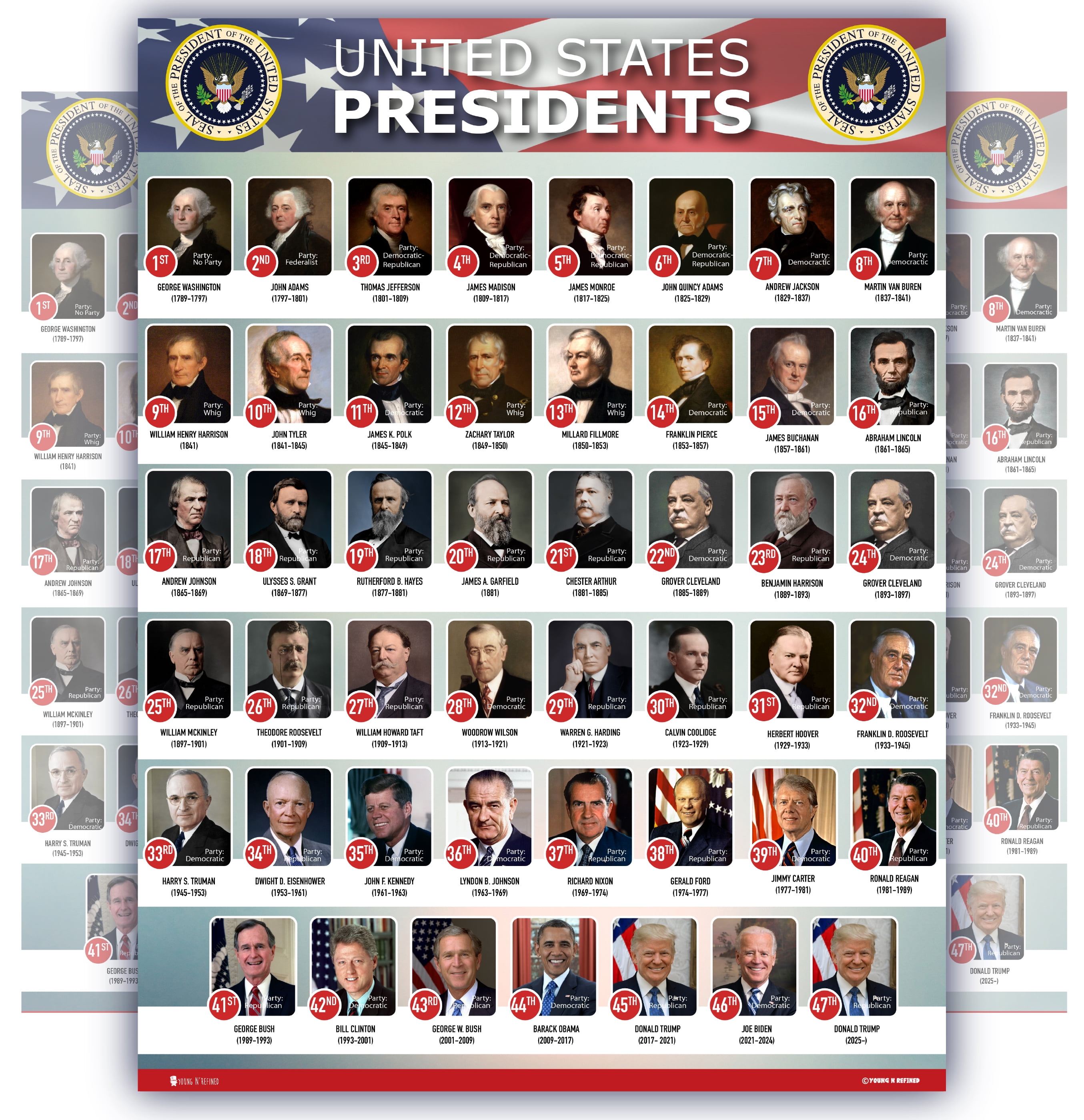
- The Executive Branch: Headed by the President, this branch enforces laws, manages foreign policy, and serves as the Commander-in-Chief of the armed forces.
- The Judicial Branch: Led by the Supreme Court, the judiciary interprets laws and ensures they align with the Constitution.
Federalism and State Sovereignty
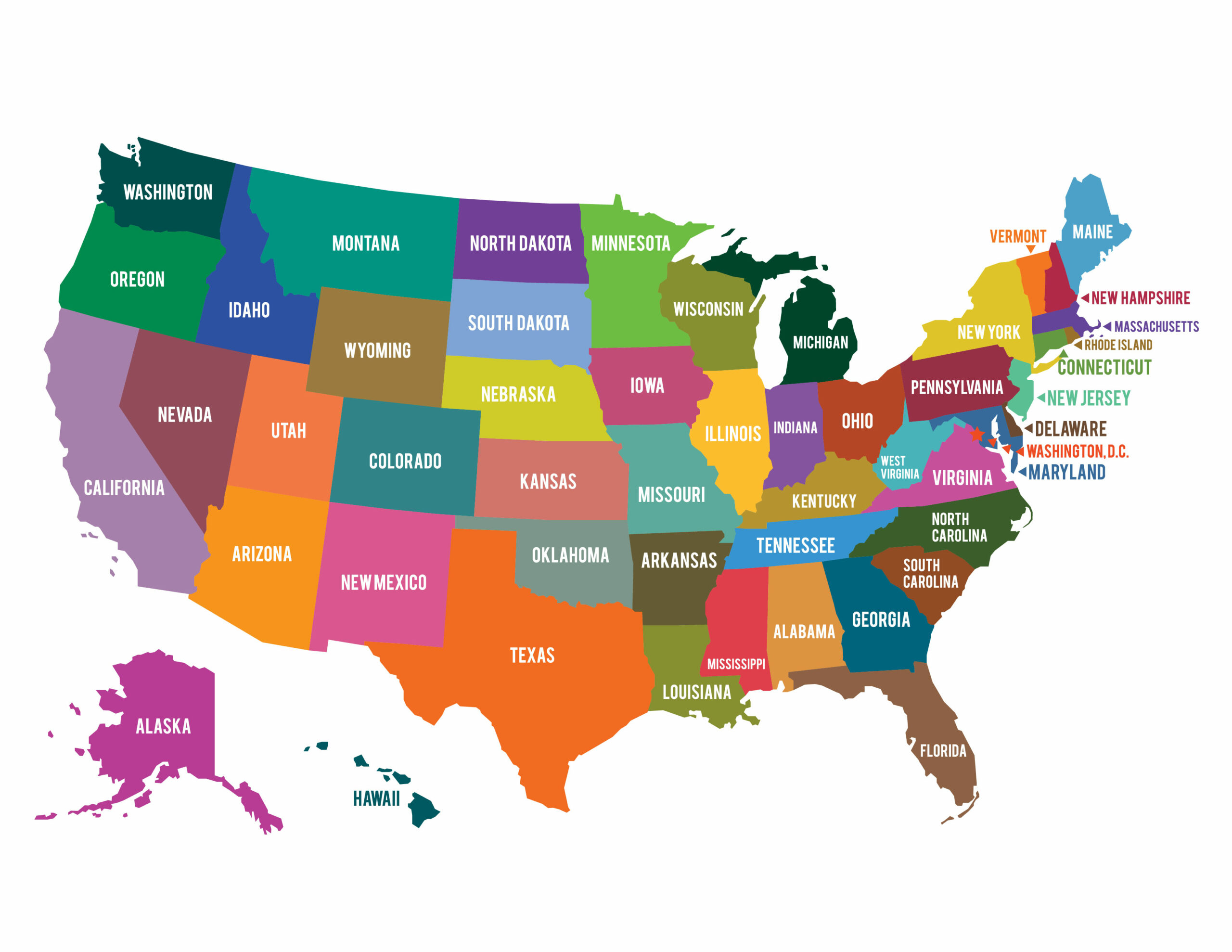
A defining characteristic of the USA is federalism, where power is shared between the national government and individual states. While the federal government handles national defense and currency, states retain significant authority over education, public health, and local policing. This duality often leads to a "patchwork" of laws across the country, where regulations on matters like taxation or professional licensing vary significantly from one state to another.
Geography and Regional Diversity
Spanning approximately 3.8 million square miles, the USA is the third or fourth-largest country in the world by total area. Its geography is incredibly diverse, ranging from the arctic tundra of Alaska to the tropical beaches of Florida and Hawaii.
Major Geographic Regions
- The Northeast: Known for its historical significance and economic density, this region includes the "Megalopolis" stretching from Boston to Washington, D.C. It is a hub for finance, education, and healthcare.
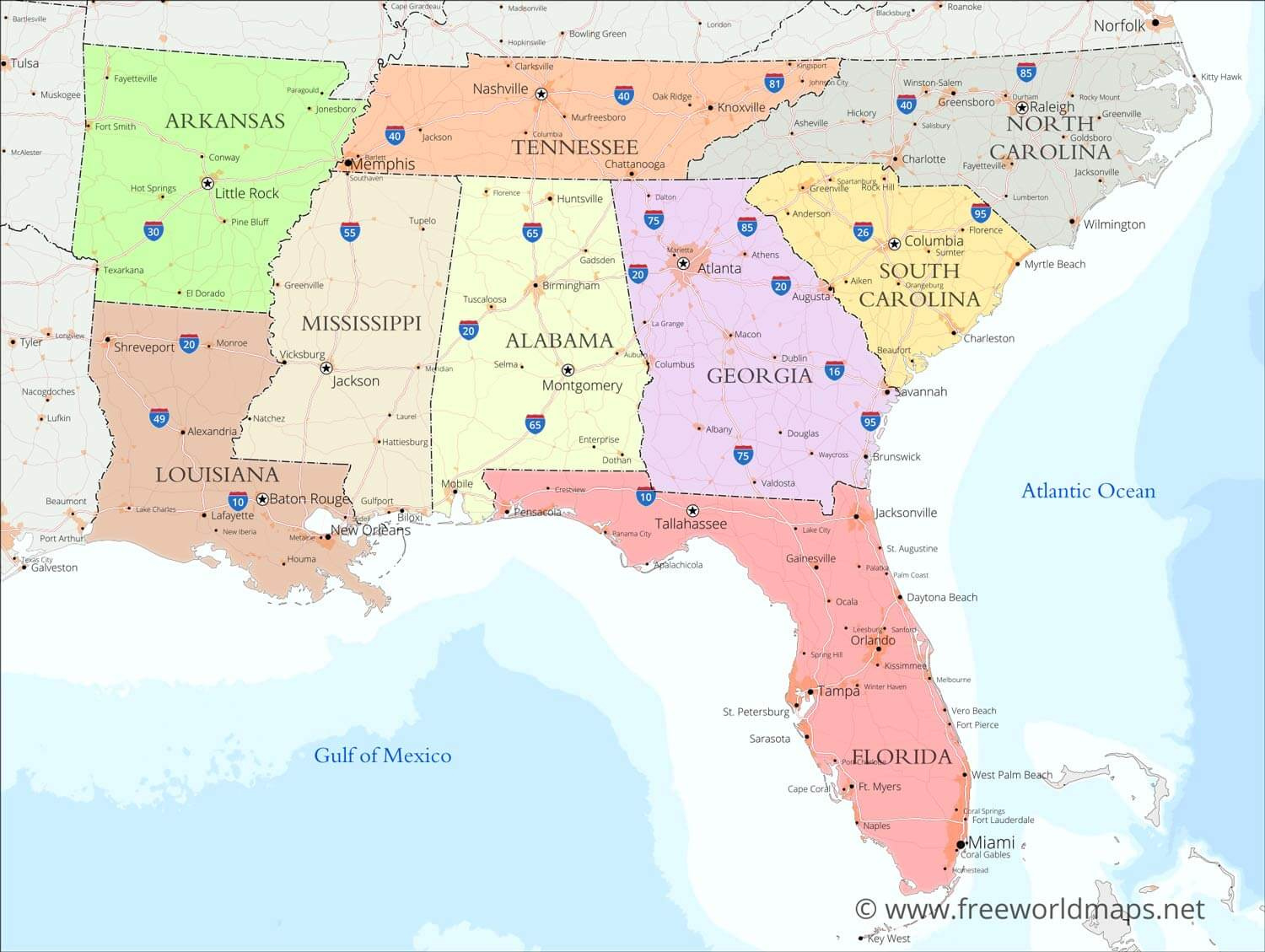
- The South: Characterized by a warmer climate and a rapidly growing population, the South has transitioned from an agrarian economy to a center for aerospace, technology, and manufacturing.
- The Midwest: Often called the "Breadbasket of the World," this region is a global leader in agricultural production and remains a vital corridor for industrial manufacturing.
- The West: This vast area includes the Rocky Mountains and the Pacific Coast. It is the center of the global technology industry (Silicon Valley) and the entertainment world (Hollywood).
Climate and Environment
The U.S. climate varies by latitude and proximity to the oceans. The 100th meridian traditionally marks the boundary between the humid eastern states and the arid western states. In 2026, environmental management remains a top priority, with significant investments in renewable energy infrastructure following the implementation of the Inflation Reduction Act's long-term provisions. The National Park Service manages over 400 sites, preserving the country's natural heritage and supporting a multi-billion dollar domestic tourism industry.
The Economic Landscape of 2026
The United States maintains the world’s largest economy by nominal GDP. In 2026, the economy is defined by a high degree of innovation, a flexible labor market, and the dominance of the service sector, which accounts for nearly 80% of economic activity.
Leading Industries
The U.S. economic engine is powered by several key sectors:
- Technology and AI: The integration of generative AI into mainstream business operations has bolstered productivity across the software and hardware sectors.
- Healthcare and Pharmaceuticals: The U.S. leads the world in medical research and development, though it faces ongoing discussions regarding the cost of care and insurance accessibility.
- Energy: The USA is a top producer of both petroleum and natural gas, while simultaneously leading in the deployment of utility-scale solar and wind projects.
- Finance: Wall Street remains the global epicenter for capital markets, with the U.S. Dollar serving as the primary global reserve currency.
Socio-Economic Indicators
While the USA enjoys a high per capita income, it also experiences significant wealth inequality. The "American Dream"—the idea that upward mobility is possible for anyone through hard work—remains a core cultural tenant, even as rising housing costs and student debt present challenges for younger generations.
Demographics and the "Melting Pot"
The United States is often referred to as a "melting pot" due to its history of immigration. As of 2026, the population exceeds 340 million people. The demographic profile is shifting, with an aging "Baby Boomer" generation and an increasingly diverse youth population.
Language and Religion
English is the de facto national language, though the USA has no official language at the federal level. Spanish is the second most spoken language, reflecting the significant influence of Hispanic and Latino communities. The nation is also characterized by religious pluralism; while a majority of the population identifies as Christian, there are growing numbers of religiously unaffiliated individuals and vibrant communities of Jewish, Muslim, Hindu, and Buddhist faiths.
Urbanization and Migration
Internal migration patterns in 2026 show a continued movement toward the "Sun Belt" states (such as Texas, Florida, and Arizona) due to lower costs of living and job growth in the tech and service sectors.
Living in and Visiting the USA
For those looking to enter the United States, whether for tourism or residency, the process is governed by strict federal regulations managed by the U.S. Department of State.
Visa and Entry Requirements
The requirements for entry depend on the traveler's country of citizenship and the purpose of their visit.
| Category | Program/Visa Type | Description |
|---|---|---|
| Short-term Tourism/Business | Visa Waiver Program (ESTA) | Allows citizens of participating countries to travel for up to 90 days without a visa. |
| Temporary Work | H-1B Visa | For specialty occupations requiring higher education degrees. |
| Study | F-1 Visa | For international students enrolled in academic programs or English language programs. |
| Permanent Residency | Green Card | Grants the right to live and work permanently in the U.S. |
| Official Visits | A-1 / A-2 Visas | For diplomats and foreign government officials. |
Healthcare and Social Services
Unlike many other developed nations, the USA does not have a single-payer universal healthcare system. Most Americans obtain health insurance through their employers. Public programs like Medicare (for the elderly) and Medicaid (for low-income individuals) provide a safety net, but international visitors are strongly encouraged to purchase travel insurance, as medical costs in the U.S. are among the highest globally.
The 2026 Outlook: Major Events and Infrastructure
The year 2026 is particularly significant for the United States as it marks the Semiquincentennial—the 250th anniversary of the signing of the Declaration of Independence.
The 250th Anniversary (America250)
Nationwide celebrations are planned for July 4, 2026, focusing on the country's history and its future. Major cities including Philadelphia, Washington, D.C., and New York will host large-scale events, historical reenactments, and cultural festivals.
2026 FIFA World Cup
The USA will co-host the 2026 FIFA World Cup along with Canada and Mexico. This will be the first tournament to feature 48 teams, with the majority of matches, including the knockout stages and the final, scheduled to take place in U.S. cities. Infrastructure upgrades in host cities like Atlanta, Dallas, Kansas City, and Los Angeles have been a primary focus of local governments leading into the year.
Frequently Asked Questions
What is the current population of the USA in 2026?
The U.S. population is estimated to be over 340 million in 2026. Growth is primarily driven by international migration and natural increase, although birth rates have stabilized in recent years. The U.S. Census Bureau provides real-time estimates through its population clock.
How does the U.S. education system work?
Education is primarily the responsibility of state and local governments. It generally follows a "K-12" structure: Kindergarten followed by 12 years of primary and secondary school. Post-secondary education includes a vast network of community colleges, public state universities, and prestigious private "Ivy League" institutions.
Is the USA safe for international travelers?
Statistically, the USA is safe for travelers, though safety varies significantly by neighborhood and city. Visitors should exercise standard precautions, stay informed about local conditions, and utilize resources like the State Department's travel advisories if they are visiting from high-risk areas.
What are the main holidays in the USA?
Federal holidays include New Year's Day, Martin Luther King Jr. Day, Presidents' Day, Memorial Day, Juneteenth, Independence Day (July 4th), Labor Day, Columbus Day (or Indigenous Peoples' Day), Veterans Day, Thanksgiving, and Christmas Day. On these days, federal offices, banks, and many schools are closed.
How do I apply for a U.S. Social Security Number?
A Social Security Number (SSN) is required for those authorized to work in the USA. You must apply through the Social Security Administration by providing proof of identity, age, and immigration status. This number is essential for tax purposes and for accessing various government services.
Final Recommendation for Navigating the USA
Whether you are planning a visit for the 2026 World Cup or considering a move for professional reasons, the key to success in the USA is preparation. Ensure that your travel documents and visas are secured well in advance, as processing times can be lengthy. For those moving to the U.S., researching the specific laws and cost of living for your destination state is vital, as the "American experience" varies profoundly between a rural town in the Midwest and a metropolitan hub like New York City. Stay updated through official channels such as the Department of State and the U.S. Citizenship and Immigration Services (USCIS) for the most accurate and current information.